Kick the harmful habit with these tips
You might want to think twice before you light up your next cigarette.
Cleveland Clinic is a non-profit academic medical center. Advertising on our site helps support our mission. We do not endorse non-Cleveland Clinic products or services. Policy
According to the World Health Organization, more than 7 million people die each year from using tobacco. About 1.2 million individuals die from secondhand smoke.
Smoking can cause cancer, heart disease, stroke, diabetes and chronic obstructive pulmonary disease (COPD).
If you’ve been trying to quit or are thinking about quitting, know that it’s never too late to stop.
There are plenty of ways to curb your cravings and urges, too. Pulmonologist Neha Solanki, MD, walks us through some ways to quit and explains how stopping smoking can improve your health.
There’s no set timeline when it comes to quitting smoking. Some people can kick their habit on the first try, while many others will struggle with quitting. On average, it can take 66 days for a new habit to become automatic.
But don’t give up if you’ve tried a few different methods only to pick up a pack again.
“It’s a journey and everybody is in a different place in their journey,” says Dr. Solanki. “You may quit, then return to smoking at a later date and then try to quit again.”
The important thing is that you keep trying.
Here are some ways to help you resist your cravings and break the unhealthy habit.
It may seem hard to quit “cold turkey,” where you stop smoking suddenly. But Dr. Solanki says studies show that whether you taper your cigarettes or quit cold turkey, the results are the same.
“For some people, cold turkey is the only way to go,” says Dr. Solanki. “But for others, this method is just too difficult. It’s hard to break the ritual of smoking.”
She recommends setting a “quit date,” then seeing if you can stop smoking immediately when that day arrives. If not, don’t worry — there are other methods that can help.
Try over-the-counter methods like nicotine patches, lozenges or gum. You can also talk to your doctor about prescription nicotine that comes in a nasal spray or inhaler. There is non-nicotine medication you can take, as well, like bupropion and varenicline.
“Oftentimes, people will start with a nicotine replacement therapy,” says Dr. Solanki. “For example, nicotine patches replace the nicotine from cigarettes and help treat the urge. Over time, we slowly taper down the amount of nicotine in the patches that you get.”
Not only do you have to think about your nicotine habit, but you also have to change your rituals that play into reaching for that smoke.
If you have a cigarette with your morning coffee or on your afternoon work break, rethink what you do during those times.
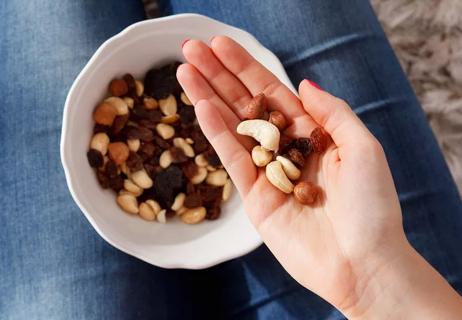
Can you replace that ritual of smoking with something else? Maybe it’s eating a biscotti in the morning or replacing your cigarette in the afternoon with tea or a popsicle. Even hard candies, carrot sticks or a lollipop can help with the oral fixation you may have.
“You’re still going through the motion of putting something in your mouth but without the harmful risks of smoking,” notes Dr. Solanki.
When you exercise, your body releases endorphins and your blood starts flowing.
“It helps you feel better,” says Dr. Solanki. “It’s another great thing to do to distract yourself when you have an urge to smoke. Exercising is an incredibly good antidote to smoking.”
But don’t think you need to log in a sweat session at the gym — even just a walk around the block can help curb cravings.
You can turn to relaxation techniques and methods like yoga, deep breathing, mediation or self-hypnosis.
“A lot of people smoke to help calm anxiety and deal with stress,” says Dr. Solanki. “If you try one of these relaxation techniques it can boost your parasympathetic response. That helps diminish your anxiety, increases your level of focus and your ability to stay calm.”
When you’re attempting to quit, consider throwing away your ashtrays, lighters and other items that you use to smoke.
“By getting rid of those items, it makes it harder to pick up a cigarette,” says Dr. Solanki.
It can also be helpful to clean your house and car to get rid of the smoke smell.
Discussing your plans to quit with family and friends can help hold you accountable. Talk to them about how you’re feeling, what you’re struggling with and be honest about how many cigarettes you had.
“It’s easy to cheat the system if you’re not reporting to anyone,” says Dr. Solanki.
You can also join a local support group or call the free telephone quit line at 800-QUIT-NOW (800.784.8669) for information on support and counseling.
It may be tough at first to fight off those cravings. You may experience withdrawal symptoms within the first few days like moodiness, irritability and headaches as your body gets used to not having nicotine. But once you stop smoking, you’ll notice a positive change in your health. Not only will your lung function improve, but you’ll also notice a decrease in the number of times you cough and have shortness of breath.
Withdrawal symptoms might include:
“You may have these withdrawal symptoms for a couple of days or a couple of weeks,” says Dr. Solanki. “It’s different for different people.”
Once you stop smoking, your health will improve, including:
“Everybody’s lungs get worse with age, but the rate of decline is much faster in people that smoke,” explains Dr. Solanki. “People who smoke actually have a lot of power to improve their health by stopping their habit.”
It can take you a few tries before you find success. But don’t give up.
“It’s OK if you have to start over again,” says Dr. Solanki. “A lot of people feel guilty about it. Relapsing doesn’t make you a failure.”
So, don’t be too hard on yourself. Re-evaluate your plan and start again. And keep in mind your reason for quitting — whether you’re doing it for your family or to improve your health.
“You’re the only person who can make yourself quit,” says Dr. Solanki. “You have control over what you put in your body.”
Remember the facts: Smoking can kill you. And think about how much better you’ll feel once smoking is out of your life.
“It’s a commitment that you need to make to yourself and your future self,” says Dr. Solanki. “You have to be ready to quit.”
Learn more about our editorial process.

Puffing on cigarettes is the leading cause of bladder cancer
Whether you’re trying to work out more, drink less or manage stress, we can help set you up for success

Blood flow can benefit from leg elevation and even low-impact exercise, like walking
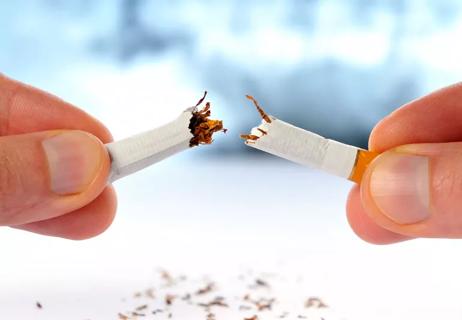
Quitting has many benefits in the cancer fight
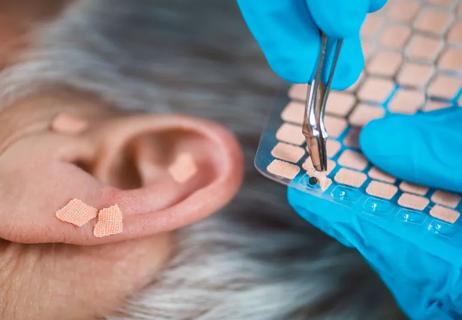
Acupuncture, herbs and hypnotherapy curb cravings naturally
5 tips to stub out cigarettes without the extra pounds
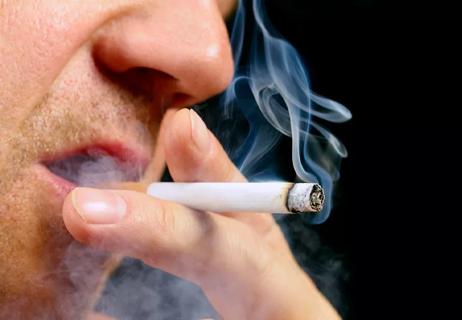
Smoking before surgery puts you at risk for death and other complications

A change in diet won’t cure COPD — but getting to or maintaining a healthy weight will help

Your metabolism may torch 1,300 to 2,000 calories daily with no activity
A gentle touch in all the right places may help drain your sinuses