You need the right kinds of fats in your diet, but moderation is still key
Dietary fat. Nothing about that sounds healthy, right? That’s because in the minds of many people, eating fatty food means that you’ll get … well, fat.
Cleveland Clinic is a non-profit academic medical center. Advertising on our site helps support our mission. We do not endorse non-Cleveland Clinic products or services. Policy
But it’s not quite that simple, says registered dietitian Anna Taylor, RD.
There are different kinds of fat in food, and they’re not all created equally. Sure, there’s “bad” fat that can contribute to concerning health issues such as weight gain, heart disease and high cholesterol.
But there’s also “good” fat that’s essential for your body and can boost your health. An added bonus? These good fats may help you better control your weight, too — if eaten in the right quantities, that is.
That’s a lot of info to chew on, so let’s break it down into bite-sized pieces with Taylor.
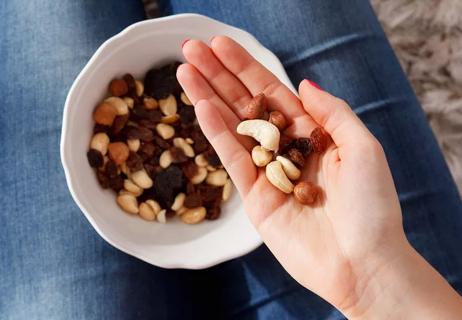
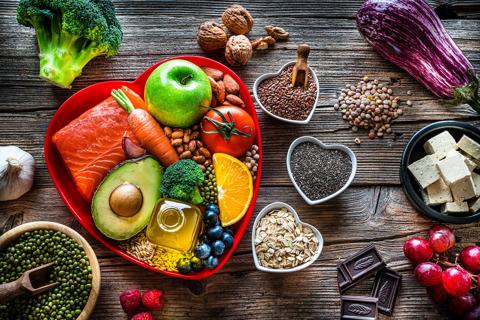
Unsaturated fat is the kind of dietary fat you want on your plate at mealtime, says Taylor. This type of fat is typically found in two broad categories — plant-based food (think veggies, nuts and seeds) and fatty fish.
Research shows that eating moderate amounts of food high in unsaturated fat can help:
Unsaturated fats also make your belly feel full and satisfied for longer periods of time, which can help curb calorie-adding snack cravings. “These fats are really concentrated sources of calories,” says Taylor. “A little bit goes a long way to keep you from getting hungry.”
There are two types of unsaturated fats, with the difference coming down to molecular bonding. The two types are:
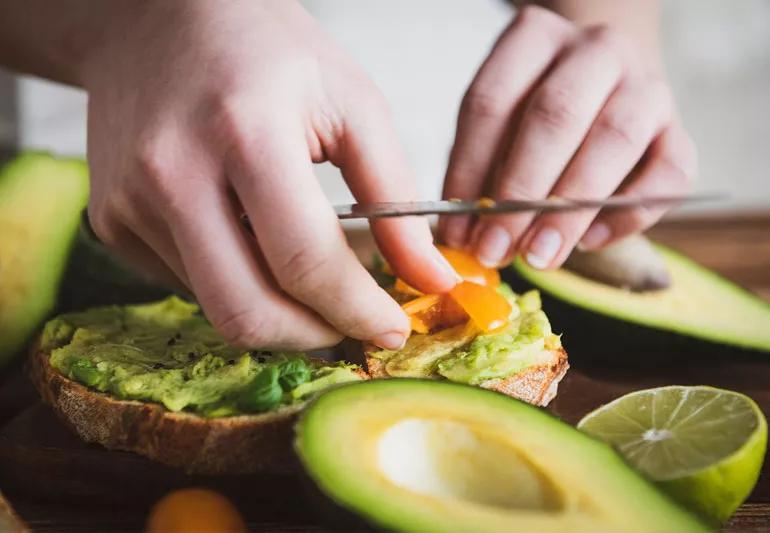
Whole or unprocessed plant-based food typically serve as the best sources of monounsaturated fat. Good options include:
You’ve no doubt heard people rave about the benefits of omega-3 fatty acids, the big star in the polyunsaturated fat universe. (Sorry about the omega-6s, the other polyunsaturated fat.)
Omega-3s can improve your heart health, sharpen brain activity and help your vision. The high-achieving nutrient also fights inflammation and supports your immune system, digestion and fertility.
“Omega-3s are absolutely fantastic fats — and many people do not get enough of them,” notes Taylor.
The best sources of omega-3s are fatty fish. Some of those may be high in mercury, though, so Taylor recommends choosing wild-caught salmon, Bluefin tuna and herring. (For those who aren’t into seafood, food such as flax seeds, walnuts and chia seeds also are rich in omega-3s.)
As for omega-6s, they’ve got a nice resume that includes positive work for brain health and overall growth and development. Here’s the thing, though: Most of us already get a pretty good dose of omega-6s in our normal diet without even trying.
Choose more omega-3s and fewer omega-6s to help balance your diet and reap those health benefits. (Omega-6s are plentiful in canola, soybean and sunflower oils, by the way.)
So what fats should you try to avoid? Let’s start with saturated fats, which are probably in A LOT of food in your fridge. That includes high-fat meats like fatty cuts of beef and pork or poultry with skin. Also animal-based food like eggs and full-fat dairy (think cheese, ice cream and butter).
Eating food that’s heavy in saturated fat can:
“And it’s not just that saturated fats are rough on your body — they’re also really rough on your weight,” states Taylor. “These unhealthy fats typically end up being a huge excess calorie source that adds extra pounds over time.”
As bad as saturated fats are, artificial trans fat may arguably be worse, which probably explains why the U.S. Food and Drug Administration (FDA) banned them in 2018. (Prior to that, artificial trans fats were once found in many processed foods.)
It’s possible you still have some older pantry products with trans fats. Check labels for partially hydrogenated vegetable oil, where artificial trans fat typically hides.
Let’s make something clear: The “good” fat moniker isn’t a green light to eat as many of those foods as you can. And “bad” fats don’t have to be entirely stripped from your diet. (Other than artificial trans fats, of course. Seriously … stay away from those.)
Fats should account for about 30% of your daily caloric intake, with most of that being unsaturated fat, says Taylor. Saturated fat should be no more than 5% to 6% of your total calories.
(Wondering how many calories you need to maintain your weight? Here are recommendations.)
Overall, what you should strive to achieve in your diet are moderation and balance. “So often, we fall into the notion of just thinking fats are bad,” says Taylor. “But we need some fats, and there’s a place in your diet for small amounts of these foods.”
To hear more from Taylor on this topic, listen to the Health Essentials Podcast episode, “How To Incorporate Healthy Fats Into Your Diet.” New episodes of the Health Essentials Podcast are available every Wednesday.
Learn more about our editorial process.
Eating more natural, whole foods can lower your risk of heart and cardiovascular diseases

These trendy fungi may promote a healthy brain, heart and gut, but more research is needed to say for sure

A well-balanced diet with anti-inflammatory foods can help reduce flare-ups and severity of psoriasis symptoms
This vital nutrient helps your brain and body in many ways — and most of us need more of it
This powerful carotenoid can help with your eye and skin health, LDL reduction and cognitive function

Wrapped or sandwiched, try to choose fillings and condiments that are minimally processed, low in saturated fat and high in fiber

Beyond the usual offenders like garlic and onions, foods like red meat, fish and spices can cause a stink effect as well
Found in colorful foods like spinach, corn and oranges, this carotenoid helps with eye, skin and liver health

Your metabolism may torch 1,300 to 2,000 calories daily with no activity

A gentle touch in all the right places may help drain your sinuses