Protein, iron, zinc and vitamins A and C can all help your wounds heal quickly and well

Food is the fuel that keeps your body running — and nutritional food is the fuel that keeps your body running well. What you eat impacts your energy levels, your immune system, your strength and even how quickly your wounds heal.
Cleveland Clinic is a non-profit academic medical center. Advertising on our site helps support our mission. We do not endorse non-Cleveland Clinic products or services. Policy
“Poor nutrition before or during the healing process can delay your healing,” says registered dietitian Kavitha Krishnan, RD. “While eating well can help the body heal faster and fight infection.”
That’s right: Nutrition plays a huge role in how fast (and how well) you heal. Whether you’re dealing with a surgical incision or a wound from an accident, you can tailor your diet to help maximize your healing.
When you’re injured, your body needs extra energy and nutrients to meet your body’s increased needs and help the wound heal. That means that nutrition plays an important role in wound healing.
One of the keys to wound healing is collagen, a protein in your body that provides structure and support to your skin, muscles, bones and connective tissues.
“Wound healing involves the body replacing the damaged tissue with new tissue, and this process requires an increased intake of calories, protein and particular nutrients,” Krishnan explains. “Wounds heal faster when we take in adequate amounts of the right foods.”
When you’re healing, your body needs:
Without enough of all of these, your body may not have the resources to properly repair your wound, which can lead to a slower healing process or even complications.
When you’re focused on healing, it’s important to eat a balanced diet that includes a variety of nutrient-rich foods to support wound healing.
“Eat a well-balanced diet to help you get a sufficient amount of vitamins and minerals,” Krishnan advises. “Make sure you include whole grains, fruits and vegetables, and adequate protein at every meal.”
She explains why each of these is so important and shares tips for nutrition for wound healing.
Protein helps repair tissues, which is exactly what you need when you’re healing from an injury or a surgery.
“Protein is important for the maintenance and repair of body tissue, and it’s vital for skin repair and immunity,” Krishnan notes. “Inadequate protein intake will impair collagen formation and slow down the wound healing process.”
Krishnan offers these tips for getting enough protein while you’re recovering:
Your protein needs will depend on a variety of factors, including your age, weight and activity level. Eating too much protein can cause dehydration, kidney issues and weight gain, so ask your healthcare provider how much protein you should be getting while you heal.
For a higher protein content, choose whole grains over refined or white grains. Unlike refined grains, whole grains contain healthy vitamins, minerals and fiber, as well as carbohydrates, some protein and healthy unsaturated fats.
Not sure exactly what counts as a whole grain? Here’s a helpful tip: When you’re grocery shopping, keep an eye out for the “Whole Grain” stamp from Whole Grains Council. It’s a sign that the product contains at least a half serving of whole grains. These foods are also listed on their website.
When you’re choosing what to eat, make sure you’re getting a variety of vitamins, minerals and nutrients, especially those that matter most for wound healing. “Nutrient deficiencies can have a negative impact on wound healing,” Krishnan warns.
You may primarily think of vitamin C as an immune booster, but it also helps with collagen production. “Vitamin C deficiency has been found to delay the wound healing process and increase the risk of wound infections,” Krishnan says.
Good sources of vitamin C include:
Lesser known than vitamin C but no less important is vitamin A, which helps stimulate collagen. “Low levels of vitamin A result in delayed wound healing,” Krishnan says.
Get your fill of vitamin A from:
It’s always best to get vitamin A through your diet, not from supplements. Consuming too much vitamin A in supplement form can cause health issues like dry skin, blurred vision bone pain and more.
Like vitamin C, zinc is another one that you may associate with coughs and colds. It’s important for proper immune function, which makes it key for wound healing, too.
“Zinc has a role in protein and collagen synthesis, as well as tissue growth and healing,” Krishnan explains. In fact, a 2018 study found that zinc is critical to every phase of the wound-healing process.
The best way to get zinc is through animal products like:
While you’re focused on healing, swap out pumping iron at the gym for a different kind of iron — the kind found in your kitchen.
“Iron provides oxygen to the wound site and helps in healing,” Krishnan says. A 2014 study reported that having an iron deficiency can have a negative impact on how quickly and how well wounds heal.
Good sources of iron include:
Krishnan shares a tip for eating plant-based, iron-rich foods: Add a source of vitamin C, which has been shown to improve the body’s ability to absorb iron. “For example, adding tomatoes to a vegetarian chili with legumes like beans and lentils may help improve absorption from the beans, as tomatoes are a rich source of vitamin C,” she suggests.
If you’re feeling overwhelmed by all this nutritional info, it’s OK — take a deep breath. These easy tips for making smart food choices will maximize the healing process.
There are lots of simple ways to mix and match at mealtime, but Krishnan has one key tip to keep in mind during meal planning.
“Pair your carbohydrates with a protein and healthy fat, rather than eating proteins alone,” she advises. “For example, when you’re having whole grain oatmeal with fruit, consider adding walnuts or almond butter.”
Of course, make sure you don’t skimp on colorful fruits and leafy green veggies, which give you important vitamins and nutrients that your body needs — at all times, but especially when you’re healing. And although a big ol’ salad is great, there are other ways to get your fill, too:
As for dairy, try adding milk to shakes, smoothies and cooked cereals, or top soups with shredded cheese or Greek yogurt.
Healing takes work, and work takes energy — calories are the fuel for that energy. So, when you’re healing, you often need more calories than usual.
“We all need adequate calories and protein to fuel our bodies for everyday activities,” Krishnan says. “Calories provide energy to keep the body functioning and promote wound healing.”
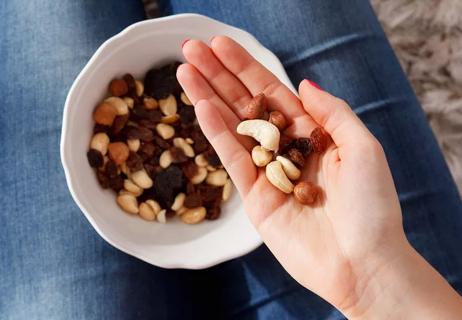
But they can’t be just any calories! It’s important to choose calorie-dense foods that still have nutritional value. For healthy snacking, turn to foods with healthy fats, like:
“Calorie needs vary according to the size and degree of your wound,” Krishnan advises. Your healthcare provider can help you figure out whether you need to add more calories.
And if you having trouble eating or have a diminished appetite during your healing process, try eating smaller, more frequent meals throughout the day instead of having three large meals.
If you only think the term “blood sugar” is only related to diabetes, think again.
“Optimal blood sugar control is important to ensure that your wound heals well,” Krishnan says. “Uncontrolled blood sugars can cause poor blood circulation, which impairs wound healing.”
When you’re healing, make sure you know what can impact your blood sugar levels and what you can do to keep yours in a healthy range.
Don’t forget about fluids! Hydration helps your skin maintain its integrity, which is important for healing wounds.
“Dehydration causes your skin to lose its elasticity and makes it more susceptible to breakdown and infection,” Krishnan warns.
If you have trouble staying hydrated, try keeping fluids nearby so you can take frequent sips throughout the day (rather than, say, forcing yourself to chug glasses of water).
The best way to get your nutrition is typically through foods, but when you’re on the mend after an illness, injury or surgery, your body may need a bit of extra assistance. If you can’t meet your nutritional needs through diet alone, ask your healthcare provider about a nutritional supplement to help provide the calories and nutrients you need.
Your provider may recommend:
Learn more about our editorial process.
A change in diet won’t cure COPD — but getting to or maintaining a healthy weight will help

Both are needed for a healthy body
This powerful carotenoid can help with your eye and skin health, LDL reduction and cognitive function

Wrapped or sandwiched, try to choose fillings and condiments that are minimally processed, low in saturated fat and high in fiber

It depends on factors like your age, activity level and if you want to maintain, lose or gain weight

Genetics, metabolism and hormonal fluctuations can all make weight loss more difficult
There are better breakfast options, but if it’s got to be cereal, look for whole grains, high fiber and no added sugar
These typically colorful plant-based substances provide various health benefits that help protect you from disease

Your metabolism may torch 1,300 to 2,000 calories daily with no activity

A gentle touch in all the right places may help drain your sinuses