Your general health is subject to risk factors such as age, family history,
and personal habits. While the risk factors of age and family history are beyond
your control, you can take steps to change your personal habits in the interest
of preventive health. The following are some specific steps that you can take to
prevent disease or injury:
Stick to a healthy diet—In deciding what foods to eat,
you should consider health risk factors and the presence of conditions such
as high blood pressure, diabetes, high cholesterol, and heart disease.
Generally, a diet should be low in salt and fat. It should be high in fiber
with an emphasis on fruits and vegetables.
Wear your seat belt—You should wear a seat belt
whenever you are in a motor vehicle, including when in taxis and back
seats. Injury and death from auto accidents
are common causes of disability and death in adults.
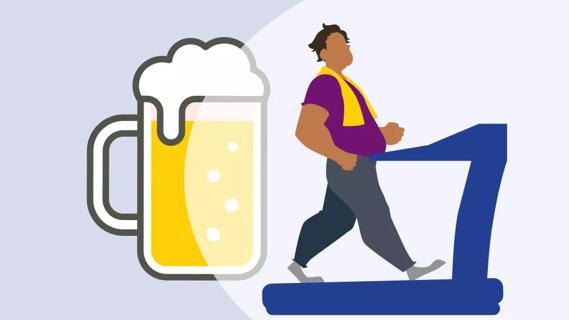
Limit your consumption of alcohol and caffeine—Alcohol
consumption should be limited to no more than two ounces of liquor or the
equivalent daily.
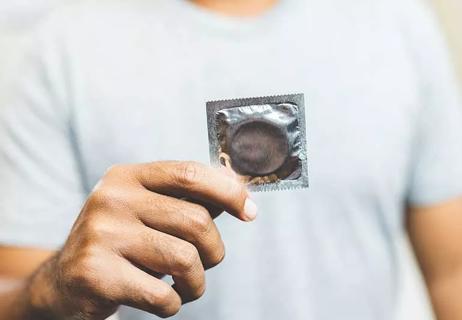
Practice safe sex—The use of latex condoms can help
prevent sexually transmitted diseases. Safe sexual practices
are a must in an adult preventive health program.
Avoid tobacco—The negative health effects
related to tobacco are well-known and well-publicized. Being tobacco-free is
a major goal in any preventive health program.
Have regular eye and dental examinations—Regular
eye exams are one of the best ways to protect your vision. Dental exams are
important for the health of teeth and gums. In addition, many
health conditions that affect the entire body generate warning signs that
can appear in and around your mouth.
Strive to maintain ideal body weight.
Take time to exercise—Exercise is a preventive measure
for almost any significant health problem. Generally, 30 to 40 minutes of a
sustained exercise activity, three to five days per week is the goal for
most adults. An exercise program should start slowly and gradually build up
to this level. Talk to your doctor about an appropriate exercise program for
you.
Keep socially and intellectually engaged.
Wear sunscreen—Avoiding prolonged sun exposure and
using sunscreen can reduce the risk of skin cancer.
Wear hearing protection for excessive noise exposure— Excessive
noise exposure is the most common cause of hearing loss.
Be safety-conscious— Wear bike helmets when biking. Wear
reflective clothing when running in the dark. Think about the safety aspects
of all of the other activities that you enjoy.
© Copyright 1995-2009 The Cleveland Clinic Foundation. All rights reserved.
Can't find the health information you’re looking for?
Ask a Health Educator, Live!
Know someone who could use this information?...send them this link.
This information is provided by the Cleveland Clinic and is not intended to replace the medical advice of your doctor or health care provider. Please consult your health care provider for advice about a specific medical condition. This document was last reviewed on: 8/19/2009...#4402