From newborn through their teen years, your child’s sleep needs will change
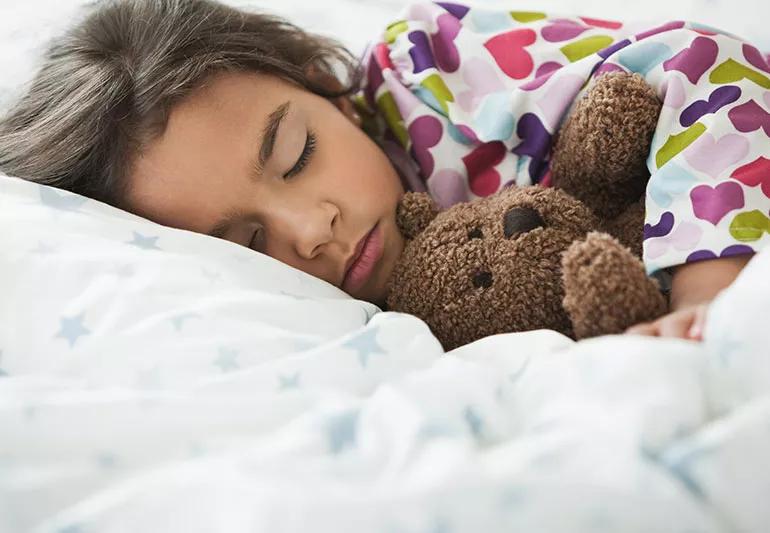
If one thing is for sure about kids, it’s that they go through a lot of phases. Quickly.
Cleveland Clinic is a non-profit academic medical center. Advertising on our site helps support our mission. We do not endorse non-Cleveland Clinic products or services. Policy
Remember the month they would only wear that one unicorn shirt? That time they insisted all food must be dunked in ketchup? The never-ending week when that toy microphone was in their hand 24/7 … until the charging cable “mysteriously” disappeared?
Something that remains constant for kids (and adults), though, is the importance of getting enough sleep. But how much sleep do kids need? Well, that’s another one of those phases. As kids change, so, too, do the recommendations for how much sleep they should get, and why.
We talked with pediatric sleep specialist Vaishal Shah, MD, about how much sleep kids need at various ages and how sleep impacts childhood development.
| Age range | Recommended sleep |
|---|---|
| Babies (4 to 12 months) | 12 to 16 hours, including naps |
| Toddlers (12 to 24 months) | 11 to 14 hours, including naps |
| Preschoolers (3 to 5 years) | 10 to 13 hours, may include a nap |
| School-aged kids (6 to 12 years) | 9 to 12 hours |
| Teenagers (13 to 18 years) | 8 to 10 hours |
| Age range | |
| Babies (4 to 12 months) | |
| Recommended sleep | |
| 12 to 16 hours, including naps | |
| Toddlers (12 to 24 months) | |
| Recommended sleep | |
| 11 to 14 hours, including naps | |
| Preschoolers (3 to 5 years) | |
| Recommended sleep | |
| 10 to 13 hours, may include a nap | |
| School-aged kids (6 to 12 years) | |
| Recommended sleep | |
| 9 to 12 hours | |
| Teenagers (13 to 18 years) | |
| Recommended sleep | |
| 8 to 10 hours |
Sleep is vital to kids’ healthy development and a healthy lifestyle.
Research shows that kids who get enough sleep show improvements in:
As Dr. Shah says, “Sleep is the best medicine. It’s free, has no detrimental side effects and requires no prior authorization from your insurance company.”
The American Academy of Sleep Medicine recommends a certain number of hours each age group — from babies to teenagers — should sleep in 24 hours.
“Rather than starting with when bedtime should be, consider when your children need to wake up and what they need to do that next day,” Dr. Shah suggests. “Start with the wake-up time and count backward to come to an appropriate bedtime.”
Average sleep range: 11 to 17 hours per day
In the first few months of life, newborns are just going to do what they do best. They’ll sleep, wake up, eat, poop, look cute and start the cycle over again without much care as to the difference between day and night.
“In those early months, a baby’s brain does not have what we call circadian rhythm, which is the ability to differentiate between night and day,” Dr. Shah explains. “Around six months, we start seeing them develop a difference in their nighttime versus daytime sleep patterns.”
The Pediatric Sleep Council says most babies this age will sleep about 11 to 17 hours per day. Because sleep at this stage varies so widely and is spread more evenly during the day and night, there isn’t a standard recommendation for how long newborns need to sleep.
Take care to keep your newborn’s sleep environment safe: Don’t share your bed and keep bumpers and other accessories out of their crib.
Recommended sleep duration: 12 to 16 hours, including naps
Once they start figuring out the difference between days and nights, your baby will start to fall into a sleep rhythm, and you can start to encourage a more regular sleep schedule. At this age, you’ll want to calculate the number of hours devoted to night sleep plus naps toward the recommended hours of sleep.
“Generally at this age, night sleep lasts about six to eight hours, plus a shorter second chunk of sleep. The rest of the sleep time is during naps,” Dr. Shah says. “Some kids at this age will take one nap. Some will take two or three. We see a wide variation in real life. That’s OK, as long as they’re happy, healthy and getting to that total number of hours.”
Also, around 6 to 12 months old, most babies don’t need to be fed at night, unless they have a medical condition that makes it necessary. As long as your baby is healthy, you can start to wean them from nighttime feeding at this age.
Recommended sleep duration: 11 to 14 hours, including naps
As your toddler starts walking and talking, their sleep needs will change some more. Toddlers are likely to start taking fewer naps or shorter naps — likely just one per day — and catching more ZZZs during the night.
Many children this age cling tightly to routine. Establishing gentle but firm boundaries, consistent routines and positive reinforcement around sleep at this age will help them get the sleep they need, Dr. Shah says.
Recommended sleep duration: 10 to 13 hours, may include a nap
Around this time, your child will likely start to drop that afternoon nap. During this transition, most families find that cutting out naps is a gradual process.
“Between around 3 and 5 — and sometimes a little bit earlier — naps start fading away, so most of their sleep starts going to nighttime,” Dr. Shah says. “Naps can become infrequent at this age. They may nap on alternate days, or sometimes, they’ll nap for a few days but not on other days. During this transition, even if the child doesn’t nap, it’s a good idea to have them take some quiet time in the afternoon to relax and recharge.”
If your child isn’t napping, remember that may mean pushing bedtime a little earlier to make up for missed naps.
Recommended sleep duration: 9 to 12 hours
When your child starts going to school, their No. 1 job is to learn. Getting sufficient sleep will go a long way toward keeping them engaged during their classes.
“Kids who aren’t getting enough sleep are more likely to have problems concentrating and behaving appropriately at school,” Dr. Shah states. “Insufficient sleep can affect them in ways that make them fall behind their peers in their classroom performance or in sports or other extracurricular activities.”
Recommended sleep duration: 8 to 10 hours
Teenagers have a lot of demands on their time. Between school, work, extracurricular activities, homework and keeping up with their social calendars, sleep can very easily get pushed to the side. For these reasons and more, Dr. Shah says it’s very common that teens aren’t getting enough sleep.
“Often, I hear teenagers say they feel tired all day but they can’t get enough sleep because they’re super busy. It’s a vicious cycle, though, because often you may be slower because you’re not sleeping enough,” he adds. “So, making time for sleep is really important.”
And as your teenager takes the wheel, a sleep-deprived new driver is a serious cause for concern.
Sleep is one of the most basic of all human experiences. We all need it. And helping your children get enough of it is important to keep them going about their business of learning and growing.
Learn more about our editorial process.
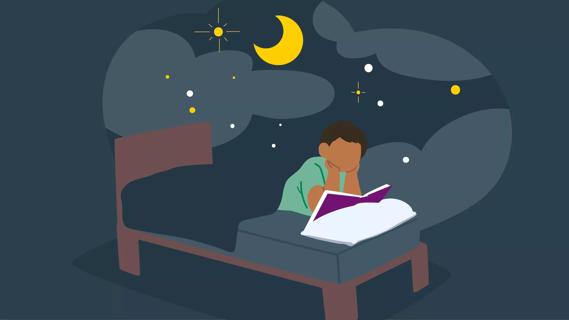
A consistent, structured routine, which may include incentives, can help children learn to stay in bed and get the ZZZs they need
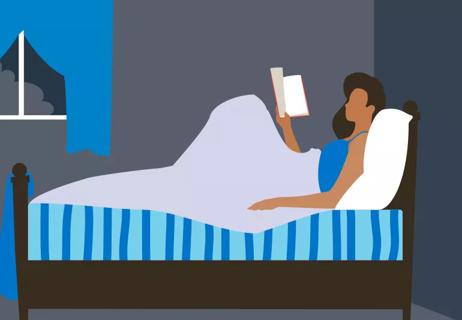
Winding down before bed is key to better sleep
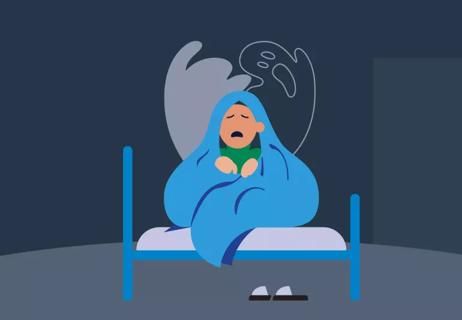
Nightmares in children are common and more likely when your child is overtired or stressed
Listen to your child to help them identify their fear and name it, but don’t reinforce it

From pulling on ears and hyperactivity at night to irritability and napping during the day
Too much of the supplement can lead to an upset stomach, vomiting and diarrhea

While the supplement is safe, it’s best to talk to your child’s pediatrician first
Don’t wait until the night before school starts to begin the shift to an earlier bedtime

Your metabolism may torch 1,300 to 2,000 calories daily with no activity

A gentle touch in all the right places may help drain your sinuses