Aerobic activity can lower the need for insulin

If you have diabetes, exercise offers surprising benefits. Not only does it lower your stress levels, it may also lower your blood sugar level and may even reduce your insulin requirements.
Cleveland Clinic is a non-profit academic medical center. Advertising on our site helps support our mission. We do not endorse non-Cleveland Clinic products or services. Policy
Exercise is so important for people with diabetes that The National Institutes of Health (NIH) recommends 150 minutes of aerobic exercise each week. And the American Diabetes Association recommends that you miss no more than two days of aerobic exercise in a row.
We asked diabetes specialists, Sue Cotey, RN, CDCES, and Andrea Harris, RN, CDCES about some of the best exercises if you have diabetes. Below are their recommendations on how much exercise is right for you, and some of the best ways you can get it.
Try to make a habit of doing the following exercises on a regular basis, Cotey says. They’ll give you the maximum benefits to help you manage your diabetes, and are relatively easy to fit in each day.
Before starting an exercise program, talk to your doctor to be sure the exercise you choose is safe and appropriate for your type of diabetes. Remember to start slowly, especially if you have not been physically active for a while.
Here are other safety tips:
As with any exercise, always listen to your body. If you become short of breath, dizzy or lightheaded, stop exercising. Report any unusual problems you experience to your doctor.
Learn more about our editorial process.

Cut back on foods made with added sugars, trans fats, refined carbs, omega-6 fatty acids and processed meats

There are better breakfast options, but if it’s got to be cereal, look for whole grains, high fiber and no added sugar
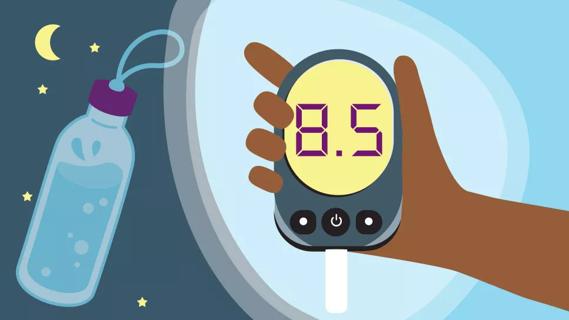
Planning ahead, checking in with your care team and being vigilant about blood sugar monitoring can help ensure a safe fast
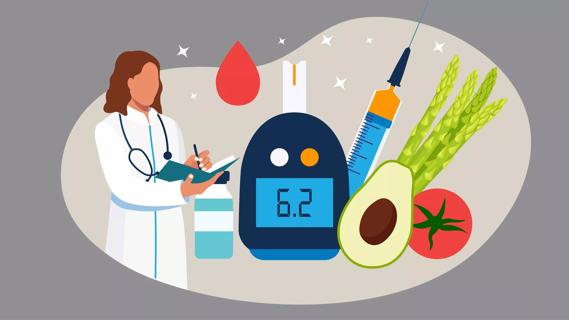
A diabetes diagnosis, new or long-standing, can trigger reactions like grief, stress, depression and frustration, but symptom relief and help are available
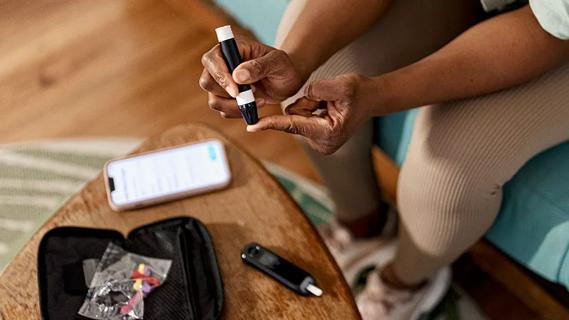
Type 1 diabetes happens when your body doesn’t make insulin, while Type 2 happens when your body can’t use insulin properly

There is an indirect link between the sweet substance and the condition

The short answer: Yes, but you need to eat it in moderation and keep track of how much you consume
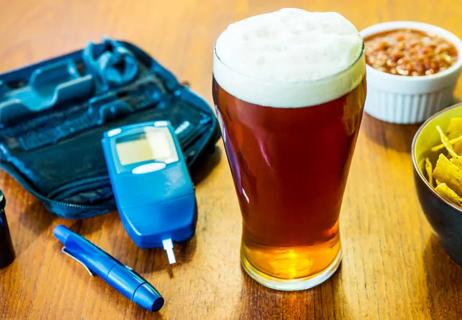
Blood glucose monitoring and drinking in moderation can help you avoid hypoglycemia

Your metabolism may torch 1,300 to 2,000 calories daily with no activity

A gentle touch in all the right places may help drain your sinuses