
 Pathology & Laboratory Medicine
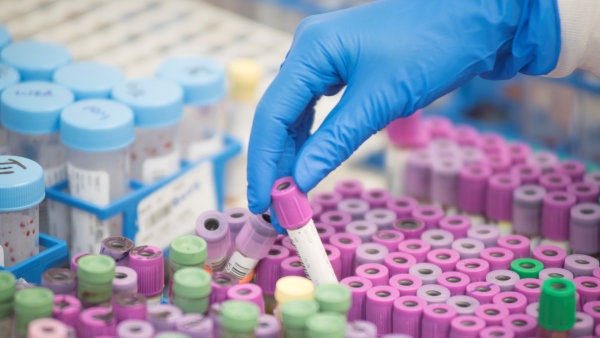
The Department of Laboratory Medicine is responsible for quantitative and qualitative analysis and interpretation of patient specimens, including tissue, blood, urine, and other body fluids. Approximately 10 million clinical laboratory test results per year are performed in the laboratories.
The Department of Laboratory Medicine has been at the forefront of introducing new testing methods for clinical and research uses at Cleveland Clinic. In addition to providing an ever-expanding menu of tests available for clinical use, Laboratory Medicine provides the facilities and expertise to support translational research projects. Productive collaborative multidisciplinary research working groups are functioning with clinical departments and the Lerner Research Institute at Cleveland Clinic. The success of research and development efforts in the department is also evidenced by success in attracting extramural funding for such efforts.
Educational activities are a key component of the departmental mission. The residency training program in Laboratory Medicine provides exposure to a wide array of methodologies and interpretive issues that span the discipline, augmented by didactic sessions. Members of the department are active on Cleveland Clinic Lerner College of Medicine committees. The department supports postgraduate fellowships in Transfusion Medicine, Hematopathology, Clinical Microbiology and Clinical Biochemistry.

