 Transplant Center
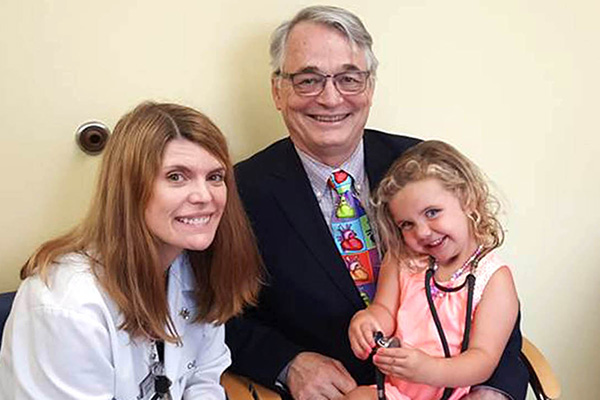
We have been performing organ transplants for children since 1971 at Cleveland Clinic Children’s. Innovative procedures, world-class pediatric physicians and a multidisciplinary approach make us unique and allow us to focus on any organ transplant necessary for life sustaining or quality-of-life treatment.
Each child’s family will work with a team that includes: specialty transplant physician, transplant surgeon, transplant nurse coordinator, transplant social worker, transplant infectious disease, dietitian, and pharmacist.
Advances in surgical techniques and anti-rejection medicines have greatly increased the chances of a successful outcome for liver transplant in children. We perform transplantation in both living related donors and shared liver surgeries.
Cleveland Clinic Children's Pediatric Heart Transplant Program has performed more than 110 heart transplants and is a leader in pediatric heart transplantation, with outcomes exceeding the national average.
Our program encompasses isolated bowel transplants, combined liver and small intestine transplants, as well as multivisceral transplantation, which usually includes stomach, duodenum, jejunum, ileum (colon may also be included), and pancreas.
There are different types of bone marrow transplants, and the disease type and severity determine what type of bone marrow transplant is required. Most pediatric patients who require a bone marrow transplant have cancer, such as leukemia or lymphoma.
Urologists who specialize in all diseases of the kidney work with our kidney transplant service, pediatric specialists, nurses and social workers to provide the highest quality medical care and emotional support.