


Welcome
Located in an eastern suburb of Cleveland, Hillcrest Hospital is a Cleveland Clinic hospital that serves the needs of Mayfield Heights and the surrounding communities, including Lake, Geauga and Summit counties. Hillcrest Hospital is a Level II trauma center with a Level III neonatal intensive care unit. Other medical specialties include cardiology, cardiothoracic surgery, critical care, high risk obstetrics, oncology, orthopedics, pediatrics, infectious disease and emergency medicine. Residents will assist in the precepting of Doctor of Pharmacy Candidates from several schools of Pharmacy in the United States.
Residency program history
The PGY 1 Program was started in 2005 and is currently ASHP accredited through 2027. Over 30 residents have graduated from our program. The PGY 2 Critical Care program was started in 2019 and is ASHP accredited through 2027. The PGY 2 Ambulatory Care program was started in 2022 and has received full ASHP accreditation through 2031.
Department of Pharmacy
Hillcrest Hospital's Pharmacy Services employs about 85 people, including approximately 49 pharmacists. The pharmacy operates 24 hours per day and provides pharmaceutical services, including:
- Clinical pharmacy specialty practices.
- Central and satellite pharmacy distribution.
- Outpatient oncology services.
- Sterile and non-sterile compounding.
- Advanced technology support, including wireless PCs, automated dispensing devices (Carousel, Pyxis), Vocera communication services, and clinical decision support tools.
- Hillcrest Hospital utilizes a computer-based physician order entry program (EPIC) that integrates data from pharmacy, admissions, laboratory, radiology, nursing, medicine and microbiology.
- Outpatient primary care services for heart failure, diabetes, hypertension, hyperlipidemia, smoking cessation.
- Investigational drug studies.
- Decentralized pharmacist practice.
- Patient education programs.
- Drug information programs.
- In-service education.
- Pharmacy therapeutics and formulary committee participation.
- Pharmacist-led research through the residency program.
Residency program training site
Type: Hospital, Acute Care
Owner/Affiliate: Cleveland Clinic
Model Type(s): Community/Tertiary Care
Patients Enrolled: N/A
Tax Status: Non Profit
Professional Staff: 49
Non-Professional Staff: 35
Total Beds: 500
Average Daily Census: 400
About the Programs
PGY-1 program
Interested applicants must be enrolled or PharmD graduates of an accredited college of pharmacy, be eligible for licensure in the State of Ohio, and submit the standard application materials through PhORCAS (letter of intent, CV, three standard reference forms in PhORCAS, official college transcripts), with the following:
- A minimum of one (two is preferred) of your three references should come from a preceptor who you have worked with in a clinical setting, related to an APPE in acute or ambulatory care. The clinical preceptor should be able to comment on your scope of responsibility, total patient load, level of autonomy, clinical abilities, and organizational and time management skills. All three reference writers should use the standard PhORCAS template to submit their candidate recommendation.
Interview process
After your application materials are reviewed and based on the number of applications, you may be invited to participate in a video-conference pre-interview session. This is part of the application process and will take place in January. They are about 20 minutes in duration. This step may be omitted and move directly to offering onsite interviews.
After the video conference pre-interview, the top applicants are invited to an onsite interview. This may consist of either an in-person or virtual format. These typically occur in late January and February and are about 5 to 6 hours in duration.
PGY-2 program
Interested applicants must be PharmD graduates of an accredited college of pharmacy, be eligible for licensure in the State of Ohio, must be graduates or enrolled in an ASHP-accredited or ASHP-candidated status PGY-1 Pharmacy Residency Program and submit the standard application materials through PhORCAS (letter of intent, CV, three standard reference forms in PhORCAS, official college transcripts), along with:
- A minimum of one (two is preferred) of your three references should come from a preceptor who you have worked with in a clinical setting, related to a PGY1 rotation in acute or ambulatory care. The clinical preceptor should be able to comment on your scope of responsibility, total patient load, level of autonomy, clinical abilities, and organizational and time management skills. All 3 reference writers should use the standard PhORCAS template to submit their candidate recommendation.
Additional information
If you match with one of the programs, you will also be required to complete an online Cleveland Clinic application for the residency position.
Residency applicants must be authorized for employment in the United States at the time they apply for the residency. Cleveland Clinic Pharmacy does not sponsor applicants for work visas.
Unfortunately, we cannot accommodate Optional Practical Training visas for the Cleveland Clinic Pharmacy Residency program as the program extends beyond 12 months. Trade NAFTA visas are acceptable; however, the candidate is responsible for the application process and all necessary fees. Cleveland Clinic cannot extend the candidate an employment letter until the candidate has matched with the Cleveland Clinic program and signed an acceptance letter. Any employment letter will state the length of the program (12 months if PGY1 or PGY2).
Graduates of international pharmacy schools will be considered if they meet the ASHP criteria for application to residency. To be eligible for pharmacist licensure, candidates must be graduates or candidates for graduation from an ACPE accredited degree program (or one in the process of pursuing accreditation) or have a Foreign Pharmacy Graduate Examination Committee (FPGEC) certificate from the NABP.
Appointments of applicants to residency positions are contingent upon the applicants satisfying certain eligibility requirements [e.g., graduating from accredited college of pharmacy, obtaining pharmacist license in Ohio within 90 days of start date, and successful completion of a pre-employment physical and drug screen, including testing for nicotine, and attendance of an on-boarding appointment on site in Ohio or as otherwise directed by Occupational health at least 2 weeks prior to the start date].
For all questions related to licensure, leave of absence, dismissal from a residency, and resident duty hours, please see the 2025-2026 Cleveland Clinic Pharmacy Residency Policies document.
Program Benefits
The Pharmacy Residency Program provides a wide array of benefits to you during your experience as a resident.
General
- Residency program estimated stipend: $51,000 for PGY 1 and $53,000 for PGY 2.
- Cleveland Clinic discounts at various venues including apartments, Cedar Point, and sporting events.
- On-site free parking.
- Registration and reimbursement for travel to ASHP, OSHP, OCCP, Ohio Residency Conference or Specialty Conference (PGY 2 residents only). Subject to change based on Enterprise Travel Procedures.
- Fourteen time off days to be used for illness or personal time; interviewing for PGY2 or jobs; or licensure requirements.
- Additional wellness/comp days.
- Professional organizations: reimbursement for membership fees.
- Library access.
- Resident office.
- Personal computer access.
- Access to STATTA - statistics program.
- Continuing education.
- Immunizations.
- Retirement plans with Fidelity – 403(b) Savings and Investment Plan (SIP) with matching contribution of 3% and Investment Pension Plan (IPP).
Health benefits
- Standard comprehensive coverage.
- Medical.
- Prescription drug.
- Life insurance.
- Disability.
- Dental.
- Vision.
- Flexible spending accounts for dependents care and healthcare.
PGY-1 Pharmacy Residency
Intended outcomes
The Pharmacy Residency (PGY-1) is a one-year postgraduate training program that offers clinical experiences in adult intensive care (medical, surgical, cardiovascular, and cardiothoracic), neonatology, infectious disease, internal medicine, emergency medicine, ambulatory internal medicine, administration, high risk obstetrics, and pharmacy practice. The resident will complete a medication-use evaluation and an original research project, with an associated manuscript written for publication. Additional opportunities are available through hospital committees, continuous improvement projects and elective rotations. Residents fine tune their communication skills through multiple journal clubs and formal presentations. Residents will use their critical thinking skills through case conferences in addition to daily rounding on patient care teams. Residents will learn various leadership skills through a leadership course and monthly leadership seminars. Residents will gain experiences with teaching and preceptor skills through PharmD student interactions. Individuals who have successfully completed this program have gone on to specialized residencies, fellowships, hospital practice in an integrated patient care area clinical role or other career opportunities.
Required rotations
All rotations are 4 weeks in length except longitudinal rotations which are a minimum of 6 months.
- Orientation/Training.
- Research Month.
- Cardiology.
- Internal Medicine.
- Critical Care or Neonatology.
- Infectious Disease.
- Administration.
- Drug Information.
- Pharmacy Practice.
- Ambulatory: Primary Care.
- Longitudinal Research.
- Longitudinal Drug Distribution.
- Longitudinal Medication Use Evaluation.
Elective rotations
- Emergency Medicine.
- Neonatology/Pediatrics (If not done as requirement).
- Critical Care (If not done as requirement).
- Pain & Palliative Care.
- Administration.
- Oncology.
- Other Cleveland Clinic location based on availability.
PGY-1 Resident Requirements for 2025 to 2026
Meetings & conferences
Travel to pharmacy professional meetings is an important component of the Hillcrest Pharmacy Residency. All residents are required to attend the ASHP Midyear meeting, during which residency recruitment occurs. Networking opportunities are numerous at this annual meeting. In the spring, residents formally present their projects at the Ohio Residency Conference. Residents are required to attend and participate in the Fall and Spring Ohio College of Clinical Pharmacy meetings. Additionally, residents will attend the Fall Ohio Society of Health System Pharmacists Residency Showcase. Accommodation, travel and expenses will be reimbursed for local, state and national meetings.
Medication usage evaluation
Residents will complete a medication use evaluation (MUE) in the early part of the residency year with the intent of preparing a poster for presentation at the ASHP Midyear. The goal is to help you learn how to develop a systematic process designed to determine and maintain the appropriate and effective use of medications. A mentor will be assigned to help you with the MUE project. Residents will also present their MUE at a Hillcrest P&T meeting.
Residents will complete a P&T formulary review and present findings to a Cleveland Clinic P&T specialty subcommittee meeting.
Staffing requirements
ASHP guidelines recommend that each PGY1 resident complete a pharmacy practice component of the residency program. The staffing component is crucial to the development of professional practice skills and of pharmacy practice distribution skills.
- PGY1 residents are required to staff every third weekend in the pharmacy.
- Residents will also staff on the following holidays: Labor Day, Thanksgiving, the day after Thanksgiving and Memorial Day.
Residents will gain proficiency in distribution skills, incorporation of clinical services and development of personnel management skills. They also will develop insight into the operations, policies and procedures of an acute care facility.
- PGY1 residents are required to staff every third weekend in the pharmacy.
- Residents will also staff on the following holidays: Labor Day, Thanksgiving, the day after Thanksgiving and Memorial Day.
- Residents are scheduled to participate in the Department of Pharmacy Administrative Staff Meeting on a monthly basis. This experience serves to support the development of an understanding of global issues, while supporting the activities of the group.
- Pharmacy managers for the assigned practice areas serve as preceptors for the practice (staffing) rotation. Evaluations of residents' performance in this component of the program are completed three times during the residency year. Residents are expected to complete an evaluation of the staffing component and offer suggestions for improvement of operational procedures.
- Residents may choose to cover additional pharmacist shifts and will be compensated at the standard pharmacist rate. Residents are reminded that the primary objective of the residency year relates to the residency program objectives. Achievement of these objectives should not be hindered by other activities, including extra staffing. All requests to work extra shifts must be submitted in writing to the RPD. RPD will approve based upon the progress of the resident after consulting with current preceptors.
Evaluations
During the year, residents will be evaluated by rotation preceptors, the Program Director, and themselves through self-reflection and assessment.
Prior to the start of each new rotation, the resident will meet with the rotation preceptor to discuss and customize the rotation's goals and objectives in order to meet the specific needs of the resident. During the rotation, residents meet with preceptors on a regular basis, as determined by the preceptor and resident. Preceptors will complete a weekly assessment (verbal and written) on the resident’s progress. At the completion of the rotation, preceptors will complete a full evaluation and the residents will complete a self-evaluation. Within three days of completing the rotation, residents will meet with their preceptors for evaluation purposes: preceptors evaluate the residents; residents evaluate preceptors and the rotation; and they conduct a self-assessment. Any modifications to the rotation or its goals and objectives may be discussed. All resident and rotation evaluations must be in written form and included in Pharmacademic. Residents and preceptors will complete the evaluations separately and then meet to discuss the evaluations. Evaluations in Pharmacademic are available to the preceptors, and all members of the Resident Steering Committee. All evaluations must be completed as discussed in the resident policy and procedure for documentation.
Requirements for successful completion of the residency
- Completion of 12 months of rotations with at least 80% of goals achieved for the residency. Resident cannot have any overall final evaluations with "Needs Improvement" on their evaluations.
- Extended leave of absence from the Residency Program will be handled based on CCHS Pharmacy Residency Leave of Absence SOP.
- Completion of informal, formal presentation, and journal club as required by the Structure Committee per the monthly requirements.
- Completion of a research project which includes submission to the Institutional Review
- Board (IRB), data collection, data analysis, presentation at Ohio Residency Conference, or Ohio College of Clinical Pharmacists (OCCP) or other Conference, and completion and submission of a manuscript to the preceptor staff by June 7th.
- Completion of a Medication Usage Evaluation (MUE) project, presentation of results to
- Pharmacy and Therapeutics (P&T) and formulation of plan to change practice as needed based on results.
- Review of one drug being considered for formulary and presentation to P&T.
- Completion of all required weekend and holiday rotations.
- Completion of informal cases as delineated by the Structure Committee monthly.
- Completion of the residency materials including edited drafts, final work, evaluations, and monthly calendar hours uploaded to PharmAcademic.
- Completion of all evaluations as required by the program. Includes preceptor, learning, and summative evaluations in PharmAcademic.
- Present and/or attend Pharmacy Organization Meeting (i.e., Vizient/American Society of Health-System Pharmacists Midyear Clinical Meeting, Ohio College of Clinical Pharmacy) at the discretion of the Residency Program Director and Residency Committee (based on travel limitations imposed by Cleveland Clinic).
- Any other assigned duties as determined by the RPD.
PGY-2 Critical Care Residency
Intended outcomes
The PGY2 Critical Care Residency at Cleveland Clinic Hillcrest Hospital is a specialized one-year residency program with required rotation offerings in multiple areas of critical care medicine, including medical, surgical, neonatal, cardiothoracic, and coronary care intensive care unit settings. Additionally, experiences with adult and pediatric emergency medicine, an infectious disease service, pain & palliative care, and trauma are available. Additional critical care learning experiences may also be available throughout Cleveland Clinic, based on hospital and preceptor availability. The preceptors for all rotations are board-certified pharmacists in their area of specialty. The resident will complete a medication use evaluation and an original research project, with an associated manuscript written for publication. These projects will be presented at various state and national level pharmacy and critical care professional meetings. Numerous educational and preceptor prospects are also available, including didactic teaching of midlevel providers, nursing and pharmacy staff; and precepting of PGY-1 pharmacy residents and pharmacy students at both the IPPE and APPE level. Scientific literature evaluations will also be presented by the resident on a regular basis. Residents will also complete the Cleveland Clinic Corners of Leadership Pharmacy Residency Certificate Program.
Required rotations
- Medical/surgical ICU.
- Advanced medical/surgical ICU.
- Cardiology Critical Care.
- Emergency Medicine.
- Neonatal ICU.
- Infectious diseases.
- Pharmacy practice.
- Research.
Elective rotations
- Trauma Medicine.
- Advanced Cardiology Critical Care.
- Advanced Emergency Medicine.
- Pain & Palliative Care.
- Various rotation opportunities at neighboring Cleveland Clinic hospitals.
Meetings & conferences
Travel to professional pharmacy meetings is an important component of professional development. PGY2 Critical Care residents may be permitted to attend the Society of Critical Care Medicine Critical Care Congress pending Cleveland Clinic Pharmacy leadership approval. Residents will also formally present their projects at a state or local professional meeting. Residents may attend and participate in the Fall and Spring Ohio College of Clinical Pharmacy meetings. Accommodation, travel, and associated expenses may be reimbursed for approved local, state and national meetings.
Staffing requirements
PGY2 Critical Care residents are required to staff for the department of pharmacy every third weekend during first shift. One day off per clinical month will be given as compensatory time for the weekend staffing time, with restrictions.
PGY-2 Ambulatory Care Residency
Intended outcomes
The PGY-2 Ambulatory Care Residency at Cleveland Clinic Hillcrest Hospital is a specialized one-year residency program with rotation offerings in multiple ambulatory care clinics including primary care, cardiology, maternal fetal medicine and oncology. The PGY-2 Ambulatory Care resident will utilize consult agreements to initiate, discontinue, and modify medications for disease states delegated by the physician or advanced practice provider. The required rotations include Primary Care, Cardiology, Transitions of Care, Practice Management, Emergency Department, Oncology, Research and Continuing Education. Elective rotation options are available.
The resident will complete an original research project with an associated manuscript written for publication. This project will be presented at various state and national-level pharmacy professional meetings. A formal continuing education program will be presented at a local professional meeting, and four continuing education topics will be presented to the Family Medicine providers. Numerous educational and preceptor prospects are available including precepting PGY-1 pharmacy residents and APPE students.
Required rotations
Longitudinal rotations include:
- Primary care (diabetes, HTN, HLD, asthma, COPD, smoking cessation, obesity, Maternal Fetal Medicine- insulin pump management).
- Cardiology (anticoagulation and CHF).
- Practice management.
- Research.
- Continuing education presentation.
One-month rotations include:
- Transitions of care (hospital discharge counseling).
- Emergency department (culture callback program).
- Oncology (chemotherapy education).
Meetings & conferences
Residents will formally present their projects at a state or local professional meeting. Residents may attend and participate in the Fall and Spring Ohio College of Clinical Pharmacy meetings. Accommodation, travel, and associated expenses will be reimbursed for approved local, state, and national meetings.
Preceptors
- Sandra S. Axtell, PharmD, BCPS, BCACP
- Brooke Brodzinski PharmD
- Emily Francis, PharmD
- Josef Hadib Nissan, PharmD, BCPS, BCCCP
- Kelsey (Fink) Hill, PharmD, BCPPS
- John Hromulak, PharmD, BCCCP
- Kim Migal, PharmD, BCPS
- Carolyn M. Richardson, PharmD, BCPS
- Frank S. Rigelsky, PharmD, MBA, BCPS, BCCP
- Melissa Smith, PharmD, BCCCP
- Natalie Tasseff, PharmD
- Mary E. Temple-Cooper, MS, PharmD, BCPS, FCCP
- Claudio Vallin, PharmD, BCPS
- Jeffrey S. Weil, RPh, MBA, BCPS
- Nathan P. Wirick, PharmD, MBA BCPS, BCIDP
Residents
Current residents
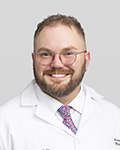
Beau Barley
PGY-1 Resident
Beau Barley, PharmD PGY-1 Resident Pharmacy Education: Marshall University I am from Waverly, Ohio and graduated with a Bachelor of Science degree from Shawnee State University in Portsmouth, Ohio. I then attended Marshall University in Huntington, West Virginia to complete my PharmD. Prior to pharmacy school, I was a technician for 6 years in community and inpatient settings. My post-residency plans include obtaining a generalist clinical or clinical-staffing hybrid position in hospital pharmacy.
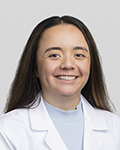
Lauren Hapgood
PGY-1 Resident
I am originally from Dayton, OH and graduated from the University of Findlay with my PharmD. Prior to residency I played five years of college basketball at the University of Findlay. My current interests are in informatics, internal medicine, and cardiology. After completion of my PGY-1 I plan to pursue a PGY-2.
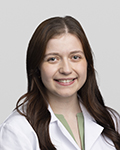
Leila Jugo, PharmD
PGY-2 Critical Care Resident
Education: NEOMED
I was born and raised in Cleveland, Ohio and have lived in Mayfield Heights for most of my life. Throughout my undergraduate career, I was a pharmacy technician at Walgreens and realized quickly that I had a strong passion for pharmacy. I later became an intern at University Hospitals Cleveland Medical Center, where I learned that my overall career goal was to become a clinical specialist. I completed my PGY-1 residency at University Hospitals Ahuja Medical center in Beachwood, Ohio. After my time at Hillcrest, I am hoping to become a clinical specialist in emergency medicine or in critical care.
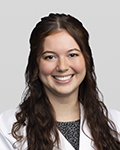
Rachael Ialacci, Pharm D
PGY-2 Ambulatory Care Resident
Education: Ohio Northern University
Post-Residency Goals: Obtain a position as an Ambulatory Care pharmacist to help patients manage chronic disease states and continue to follow with them and make connections with them as they progress.
I was born and raised in Cleveland, Ohio. I graduated from Ohio Northern University, Raabe College of Pharmacy and completed my PGY-1 residency with the Cleveland Clinic Main Campus Community program. Prior to residency, I worked as an inpatient pharmacy intern and volunteered with Red Cross blood drives and vaccine clinics. After graduating residency, I plan to pursue an Ambulatory Care position with the opportunity to precept students. My current practice interests include endocrinology and cardiology.
Past residents
| Residency Year | Residents | Immediate Position Following Residency |
|---|---|---|
| 2024 -2025 |
PGY-1: Caden Jones PGY-1: Tracey Phan PGY-2 Critical Care: Adele Chatellier PGY-2 Ambulatory Care: Sophia Mancuso |
Clinical Pharmacist, Austin, TX Clinical Pharmacist, Clinical Pharmacist- Telehealth/Transitions of Care |
| 2023-2024 |
PGY-1: Tiffany Pham PGY-1: Katie Marrison PGY-2 Critical Care: Susan Schrader PGY-2 Ambulatory Care: Lauren Anthony |
Clinical Pharmacist, PGY-2 Emergency Medicine, Clinical Specialist, Critical Care and Emergency Medicine, Primary Care Clinical Pharmacy Specialist, |
| 2022-2023 |
PGY-1: Amber Lilly PGY-1: Jordan Everett PGY-2 Critical Care: Hannah Hixenbaugh PGY-2 Ambulatory Care: Natalie Tasseff |
PGY-2 Ambulatory Care PGY-2 Cardiology Clinical Specialist, Emergency Medicine Clinical Specialist, Ambulatory Care |
| 2021-2022 |
PGY-1: Natalie Tasseff PGY-1: Claudio Vallin PGY-2 Critical Care: Josef Hadib Nissan |
PGY-2 Ambulatory Care Clinical Pharmacist Clinical Specialist, Intensive Care & Emergency Medicine PRN Clinical Pharmacist |
| 2020-2021 |
PGY-1: Kayla Chonko PGY-1: Jennifer Gurevich PGY-2 Critical Care: Benjamin Newell |
PGY-2 Ambulatory Care Clinical Pharmacist Clinical Specialist, Critical Care |
| 2019-2020 |
PGY-1: Donna Kim PGY-1: Benjamin Newell PGY-2 Critical Care: Amber Ooley |
Clinical Pharmacist PGY-2 Critical Care Clinical Specialist, Emergency Medicine |
