


Welcome
Thank you for your interest in Cleveland Clinic’s Anesthesiology Residency Program. Our four-year integrated categorical residency includes a world-class, learner-centered, interactive curriculum. This curriculum includes level-specific, high-fidelity simulations, comprehensive OSCE sessions, periodic oral board practice examinations, and a longitudinal, perioperative ultrasound education program. In the clinical setting, our residents also function as an integral part of our care team and actively participate in the care of patients with complex surgical pathology across all surgical subspecialties alongside distinguished and experienced anesthesiologist educators. Furthermore, as part of a world-renowned research institute, we take pride in our outcomes-focused, patient-centered high-impact research and our innovative culture. This prepares our graduates for a life-long career as leaders in Anesthesiology and Perioperative medicine. We welcome you to join our team!
 |
Jiapeng Huang, MD, PhD, FASA, FASE, D.ABA, D.NBE, FSATA |
 |
Sandeep Khanna, MD, FASA Residency Program Director Department of Anesthesiology |
Current Residents
CBY Class

Marina Andrawis, MD
- Hometown: Brooklyn, NY
- Medical School: Rutgers New Jersey Medical School
- Clinical Interests: Pediatric Anesthesia

Nicholas Apostolakis, MD
- Hometown: Lakewood, OH
- Medical School: Wayne State University School of Medicine
- Clinical Interests: Pediatric Anesthesia

Thomas Chuchta, MD
- Hometown: Albany, NY
- Medical School: Case Western Reserve University School of Medicine
- Clinical Interests: General and regional anesthesiology

Grace Corrier, DO
- Hometown: College Station, Texas
- Medical School: Edward Via College of Osteopathic Medicine - Louisiana
- Clinical Interests: Cardiac anesthesiology

Onaje Cunningham, MD
- Hometown: Middletown, DE
- Medical School: University of Pittsburgh School of Medicine
- Clinical Interests: Cardiac Anesthesia and Pain Management

Jacob Edelson, MD
- Hometown: Farmington Hills, MI
- Medical School: University of Michigan Medical School
- Clinical Interests: Cardiothoracic Anesthesia, Pain Management, and General Anesthesiology

Nikith Erukulla, MD
- Hometown: Peoria, IL
- Medical School: University of Illinois College of Medicine
- Clinical Interests: Critical care, Regional anesthesia

Pranav Gopalakrishnan, MD
- Hometown: Farmington Hills, MI
- Medical School: Wayne State University School of Medicine
- Clinical Interests: Keeping my options open!

Alliyah Harold, MD, MS
- Hometown: Cleveland Heights
- Medical School: Howard University College of Medicine
- Clinical Interests: General anesthesiology

Jonah Ice, MD
- Hometown: Cincinnati
- Medical School: Wright State Boonshoft School of Medicine
- Clinical Interests: Cardiothoracic & Pediatric Anesthesiology

Yun-Kyung Kim, MD
- Hometown: Dayton, OH
- Medical School: Wright State University Boonshoft School of Medicine
- Clinical Interests: Cardiac & Regional Anesthesiology, Critical Care Medicine

Christopher Koons, MD
- Hometown: Greenville, South Carolina
- Medical School: University of South Carolina School of Medicine Greenville
- Clinical Interests: General/Cardiac/Pediatric anesthesia

Ammar Lakda, MD
- Hometown: Buckinghamshire, United Kingdom
- Medical School: University College London
- Clinical Interests: Critical care, Cardiac anesthesia, Clinical Research

Matthew Lowery, MD
- Hometown: Madison, OH
- Medical School: Northeast Ohio Medical University
- Clinical Interests: Cardiothoracic Anesthesia, Critical Care, POCUS

Zain Mehdi, MD
- Hometown: Pittsburgh, PA
- Medical School: University of Iowa
- Clinical Interests: Critical care, Cardiac anesthesia

Karthi Murari, MD
- Hometown: Prairie Village, KS
- Medical School: University of Kansas School of Medicine
- Clinical Interests: Cardiac Anesthesia and Critical Care Medicine

Richard Nguyen, MD
- Hometown: Wayne, MI
- Medical School: Michigan State University College of Human Medicine
- Clinical Interests: Trauma, Critical Care and Medical Innovation

Lucy Qi, MD
- Hometown: Hockessin, DE
- Medical School: Sidney Kimmel Med Col at Thomas Jefferson University
- Clinical Interests: Cardiothoracic & Pediatric Anesthesiology

Matthew Reslink, MD
- Hometown: Pittsburgh, PA
- Medical School: The Ohio State University College of Medicine
- Clinical Interests: Cardiothoracic & Regional Anesthesiology

Merida Stormy Stan, MD
- Hometown: Holly Pond, AL
- Medical School: Case Western Reserve University School of Medicine
- Clinical Interests: Pediatric anesthesia

Jeffry Takla, MD
- Hometown: Beirut, Lebanon
- Medical School: University of Balamand
- Clinical Interests: Trauma, Critical Care and Medical Innovation

Riki Tanaka, MD
- Hometown: Sandusky, OH
- Medical School: University of Toledo College of Medicine
- Clinical Interests: Pediatric and Regional anesthesia

Greeshma Venigalla, MD
- Hometown: Lakeland, FL
- Medical School: University of Miami Miller School of Medicine
- Clinical Interests: Cardiac, Obstetric & Multispecialty Anesthesiology, Medical Education
CA-1 Class

Marina Atallah, MD
- Hometown: Toledo, OH
- Medical School: The University of Toledo
- Clinical Interests: Chronic Pain Management

Sabrina Barghouty, DO
- Hometown: North Olmsted, OH
- Medical School: Burrell College of Osteopathic Medicine
- Clinical Interests: OB Anesthesia, Cardiac Anesthesia, Acute Pain

Michael Bodnar, MD
- Hometown: Cleveland, OH
- Medical School: USF Health Morsani College of Medicine
- Clinical Interests: Cardiothoracic Anesthesia

Aaron Braverman, MD
- Hometown: North Wales, Pennsylvania
- Medical School: Case Western Reserve University School of Medicine
- Clinical Interests: Cardiothoracic Anesthesia & Critical Care

Spencer Coffman, MD
- Hometown: Snohomish, WA
- Medical School: Case Western Reserve University School of Medicine
- Clinical Interests: Undecided

Makenzie Dye, MD
- Hometown: Centerburg, OH
- Medical School: Wright State University Boonshoft School of Medicine
- Clinical Interests: General anesthesiology

Ricardo Euzebio, MD
- Hometown: Aracaju, Brazil
- Medical School: Universidade Federal de Sergipe
- Clinical Interests: Regional Anesthesia & General Anesthesia

Annella Fernandez, MD
- Hometown: Pepper Pike
- Medical School: University of Pittsburgh School of Medicine
- Clinical Interests: General Anesthesia

Julian Frankel, MD
- Hometown: Chicago
- Medical School: Tufts School Of Medicine
- Clinical Interests: Critical Care + Regional Anesthesia

Jovana Hanna, MD
- Hometown: Cleveland, Ohio
- Medical School: Northeast Ohio Medical University
- Clinical Interests: Pediatric Anesthesia & Cardiac Anesthesia

Garret Heiberger, DO
- Hometown: Sioux Falls, SD
- Medical School: Kansas City University College of Osteopathic Medicine
- Clinical Interests: Medical Education, Cardiac Anesthesia

Min Joo Jo, MD
- Hometown: Seoul, Korea
- Medical School: University of Rochester School of Medicine and Dentistry
- Clinical Interests: Cardiac Anesthesia, Pediatric Anesthesia

Joseph Linder, DO
- Hometown: Olmsted Falls, Ohio
- Medical School: Ohio University Heritage College of Osteopathic Medicine - Cleveland
- Clinical Interests: Pediatric Anesthesia & Cardiac Anesthesia

Megha Luthra, DO
- Hometown: McLean, Virginia
- Medical School: Edward Via College of Osteopathic Medicine - Virginia Campus
- Clinical Interests: Pain (Acute & Chronic), Cardiac, and General Anesthesia

Gregory Mack, MD
- Hometown: Solon, Ohio
- Medical School: University of Illinois College of Medicine at Chicago
- Clinical Interests: Medical Education, Critical Care

Catherine Marudo, MD, MPH
- Hometown: Canton, MI
- Medical School: University of Miami Miller School of Medicine
- Clinical Interests: Obstetric Anesthesiology, Cardiac Anesthesiology, Quality Improvement, Healthcare Longevity

Kyle McNeilis DO
- Hometown: Columbus, OH
- Medical School: ATSU-SOMA
- Clinical Interests: Cardiac Anesthesia, POCUS, Regional Anesthesia

Julia Montemage, MD
- Hometown: Buffalo, NY
- Medical School: Jacobs School of Medicine and Biomedical Sciences at University at Buffalo
- Clinical Interests: Critical care, general anesthesia, cardiac anesthesia

Lav Patel, MD
- Hometown: Mentor, OH
- Medical School: Northwestern University Feinberg School of Medicine
- Clinical Interests: Critical Care, Cardiac Anesthesia

Kyle Pruitt, MD
- Hometown: Palmyra, Ohio
- Medical School: NEOMED
- Clinical Interests: Cardiac anesthesia, regional anesthesia, general anesthesia

Lexton Trauffler, MD
- Hometown: The Woodlands, TX
- Medical School: UT Houston
- Clinical Interests: Cardiac Anesthesia, Regional Anesthesia

Ruturaj Vala, MD, MS
- Hometown: Hartford, WI
- Medical School: Medical College of Wisconsin
- Clinical Interests: Cardiac and General Anesthesia

Benjamin Walters, MD, MEd
- Hometown: West Bloomfield, MI
- Medical School: Penn State College of Medicine
- Clinical Interests: Cardiothoracic Anesthesia, Chronic Pain

Nicholas Zura, MD
- Hometown: Broadview Heights, Ohio
- Medical School: Wayne State School of Medicine
- Clinical Interests: Keeping an open mind but coming in thinking Critical Care or Cardiac
CA-2 Class

Aristo Brizzolara, MD
- Hometown: Little Rock, Arkansas
- Medical School: University of Arkansas
- Clinical Interests: Chronic Pain, Regional Anesthesiology

Alexander Caskey, DO
- Hometown: Columbus, Ohio
- Medical School: Ohio University Heritage College of Osteopathic Medicine

Alice Dalo, MD
- Hometown: San Francisco, California
- Medical School: Northeast Ohio Medical University (NEOMED)
- Clinical Interests: Critical Care, Regional Anesthesia, Acute and Chronic Pain

Nicholas DiDuca, DO
- Hometown: North Andover, Massachusetts
- Medical School: Chicago College of Osteopathic Medicine
- Clinical Interests: Cardiothoracic Anesthesiology

Michael Durgham, MD
- Hometown: Troy, Michigan
- Medical School: Wayne State University School of Medicine
- Clinical Interests: Pediatric Anesthesia & Cardiac Anesthesia

Elyad Ekrami, MD
- Hometown: Tabriz, Iran
- Medical School: Tabriz University of Medical Sciences
- Clinical Interests: Cardiac Anesthesia, Acute and Chronic Pain & Clinical Research

Georgia Gagianas, DO
- Hometown: Pittsburg, PA
- Medical School: Philadelphia College of Osteopathic Medicine
- Clinical Interests: Cardiothoracic Anesthesia & Critical Care

Ashley Grimes, MD, MS
- Hometown: Cleveland, OH
- Medical School: Ohio State University College of Medicine
- Clinical Interests: Critical Care

Michael Hradesky, DO
- Hometown: Cleveland, OH
- Medical School: Ohio University College of Osteopathic Medicine
- Clinical Interests: Pediatric Anesthesia & General Anesthesia

Kevin Huynh, DO
- Hometown: Houston, TX
- Medical School: Sam Houston State University
- Clinical Interests: Cardiac Anesthesia

Han Sol (Sophie) Jeong, DO
- Hometown: Centreville, VA
- Medical School: Lincoln Memorial University – DeBusk College of Osteopathic Medicine
- Clinical Interests: Cardiac & Pediatric Anesthesia

Samuel Kalnitsky, MD
- Hometown: Cleveland, OH
- Medical School: Case Western Reserve University School of Medicine
- Clinical Interests: Medical Education, General Anesthesiology & Regional Anesthesiology

Mary Knott, DO
- Hometown: Smiths Falls, Ontario
- Medical School: LECOM Erie
- Clinical Interests: Cardiac, Critical Care & Transplant Anesthesia

Daniel Kray, DO
- Hometown: Bay Village, OH
- Medical School: LECOM – Seton Hill
- Clinical Interests: Critical Care & General Anesthesia

Nicholas Luciano, MD, MPH
- Hometown: Cleveland, OH
- Medical School: Tulane University
- Clinical Interests: Cardiac & Neuro-Anesthesiology

Charvi Malhotra, MD
- Hometown: Solon, OH
- Medical School: Drexel University College of Medicine
- Clinical Interests: Cardiac Anesthesia & Regional Anesthesia

Leonardo Marquez Roa, MD
- Hometown: San Cristobal, Venezuela
- Medical School: Universidad Centro-Occidental “Lisandro Alvarado”
- Clinical Interests: General Anesthesia, Regional Anesthesia, Pain Management & Clinical Research

Samuel Michalak, MD
- Hometown: Auburn, MI
- Medical School: Wayne State University School of Medicine
- Clinical Interests: Cardiac Anesthesia & Critical Care Medicine

Collin Riddle, DO
- Hometown: Springboro, OH
- Medical School: Ohio University Heritage College of Osteopathic Medicine
- Clinical Interests: Undecided

Nicholas Sampson, DO
- Hometown: Lansing, MI
- Medical School: Michigan State University College of Medicine
- Clinical Interests: Critical Care, Acute Pain and Cardiac Anesthesiology

Amrita Sandhu, DO
- Hometown: Apple Valley, CA
- Medical School: De Moines University
- Clinical Interests: Pediatric Anesthesia, Cardiac Anesthesia & Critical Care

Sara Shanaj, DO
- Hometown: Long Island, NY
- Medical School: New York Institute of Technology College of Osteopathic Medicine

Anna Tanaka, MD
- Hometown: Sandusky, OH
- Medical School: Case Western Reserve University School of Medicine
- Clinical Interests: Regional Anesthesia, Cardiac Anesthesia

Daniel Terner, DO
- Hometown: San Diego, CA
- Medical School: Michigan State University College of Osteopathic Medicine
- Clinical Interests: General and Cardiothoracic Anesthesia & Chronic Pain
CA-3 Class
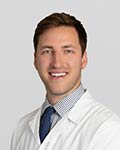
Michael Benson, DO, MS, Chief Resident
- Hometown: Akron, Ohio
- Medical School: Ohio University
- Clinical Interests: Acute pain and General Anesthesia
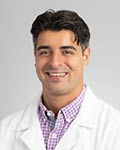
Joseph Brisson, MD
- Hometown: Rochester, MI
- Medical School: Michigan State University College of Human Medicine
- Clinical Interests: Cardiac, ICU, or Regional Anesthesia
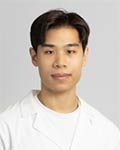
Yun Chao Chen, MD
- Hometown: Flushing, NY
- Medical School: Case Western Reserve University School of Medicine
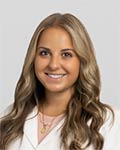
Taya El-Hayek, MD, MPH
- Hometown: Canfield, Ohio
- Medical School: Northeast Ohio Medical University (NEOMED)
- Clinical Interests: General Anesthesia, OB Anesthesia, Pediatric Anesthesia
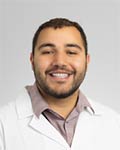
Steve Gendi, MD
- Hometown: St. Louis, MO
- Medical School: Case Western Reserve University School of Medicine
- Clinical Interests: General Anesthesiology, Cardiac Anesthesiology, Regional Anesthesia/Acute Pain
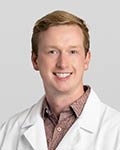
Austin Hansen, MD
- Hometown: Lake Ozark, MO
- Medical School: University of Kansas, SOM
- Clinical Interests: Regional or Chronic Pain
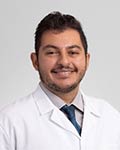
George Istafanos, DO
- Hometown: Franklin Square, NY
- Medical School: New York Institute of Technology College of Osteopathic Medicine
- Clinical Interests: POCUS, Cardiothoracic anesthesia, regional anesthesia
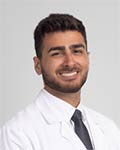
Armon Khosraviani, MD
- Hometown: Los Gatos, CA
- Medical School: Chicago Medical School at RFUMS
- Clinical Interests: Cardiothoracic and general anesthesia
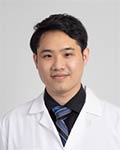
Brandon Lau, MD
- Hometown: Honolulu, Hawaii
- Medical School: Case Western Reserve University School of Medicine
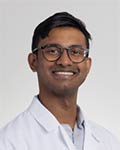
Aaditya Manirajan, MD
- Hometown: Louisville, KY
- Medical School: The University of Chicago Pritzker School of Medicine
- Clinical Interests: Acute pain, Cardiothoracic Anesthesia
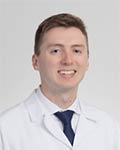
Kyle Meyer, MD
- Hometown: Fremont, OH
- Medical School: Northeast Ohio Medical University
- Clinical Interests: Acute and Chronic pain, pediatrics, cardiac anesthesia
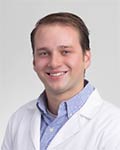
Warren Moseman, MD, Chief Resident
- Hometown: Bloomington, IN
- Medical School: Indiana University School of Medicine
- Clinical Interests: General Anesthesiology, Cardiothoracic Anesthesia, Acute and Chronic Pain. I have yet to meet a field of Anesthesiology I don’t love.
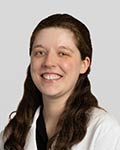
Amanda Naylor, MD, MPH, Research Coordinator
- Hometown: Cleveland, OH
- Medical School: Loyola University Chicago Stritch School of Medicine
- Clinical Interests: Critical Care, Clinical Research, Transplant Anesthesia
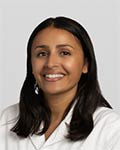
Saloni Parikh, MD
- Hometown: San Francisco, CA
- Medical School: Thomas Jefferson University
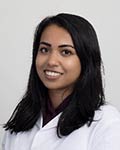
Amani Ramiz, MD
- Hometown: Houston, TX
- Medical School: University of Texas Southwestern Medical Center (UTSW)
- Clinical Interests: open to anything
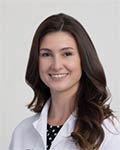
Megan Reilly, MD
- Hometown: Brighton, MI
- Medical School: Central Michigan College of Medicine
- Clinical Interests: regional anesthesiology, general anesthesiology
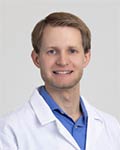
Kyle Shaw, MD
- Hometown: Orlando, FL
- Medical School: Loma Linda University School of Medicine
- Clinical Interests: Cardiothoracic Anesthesia
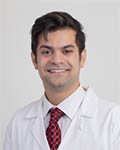
Taha Siddiqui, DO
- Hometown: Fort Lauderdale, FL
- Medical School: Philadelphia College of Osteopathic Medicine
- Clinical Interests: Cardiac Anesthesia, Chronic Pain
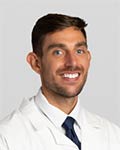
Cameron Thompson, DO
- Hometown: Flint, MI
- Medical School: Lake Erie College of Osteopathic Medicine
- Clinical Interests: Critical Care, Cardiac Anesthesia
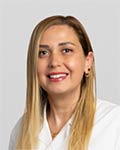
Busra Tok Cekmecelioglu, MD, Junior Quality Officer
- Hometown: Istanbul, Turkiye
- Medical School: Trakya University School of Medicine, Turkiye
- Clinical Interests: Cardiac Anesthesia, Clinical Research
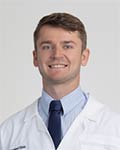
Joshua Whitney, MD
- Hometown: Franklin, TN
- Medical School: Central Michigan University
- Clinical Interests: Cardiac Anesthesia, Regional Anesthesia
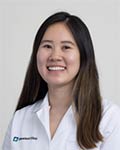
Nina Zhou, MD
- Hometown: Wilmette, IL
- Medical School: Northwestern University Feinberg School of Medicine
- Clinical Interests: Pain (Acute & Chronic), Obstetric, General Anesthesia
Program Details and Rotations
Cleveland Clinic has a world-renowned reputation and a role as an international quaternary referral center. Patients with serious medical conditions come here for some of the most complex surgical procedures performed in the world. In this extraordinary clinical environment, our residents routinely manage some of the most challenging cases that anesthesiology has to offer, all while enjoying a broad experience in all aspects of perioperative medicine.
Clinical base year (PGY-1)
The Department of Anesthesiology is proud to sponsor a comprehensive and unique Clinical Base Year (CBY), specifically designed to prepare first year residents for advanced training in our anesthesiology residency. The CBY is comprised of 13 four-week modules of training, including experiences through the following areas:
- Perioperative medicine
- Neuro ICU
- Endocrinology
- Chronic pain recovery
- Nephology
- Cardiology
- Pulmonary medicine
- Infectious disease
- Acute pain management and regional anesthesia
- Adult surgical critical care
- Cardiovascular and thoracic surgical critical care
- Emergency medicine
Our CBY includes four months of general anesthesia including a gradual two-month orientation process. During this period, the basics of anesthesia are taught in the classroom, OR and simulation settings. In a “boot camp” setting, our residents experience selected common and uncommon anesthesia crises, in a supervised and safe environment.
All scheduling, advising and evaluation for the internship is controlled by the Department of Anesthesiology. In addition to a broad clinical experience, this internship prepares the first-year resident for a smooth entry into the CA-1 year. Regular participation in anesthesiology conferences and activities makes the CBY resident a full participant in the Department of Anesthesiology. In our program, your residency in anesthesiology starts on day one.
CA-1 year
In the CA-1 year, residents build on the concepts and skills introduced in the CBY and continue to administer anesthesia using a wide variety of techniques for the main general anesthesia surgical areas. Residents will complete anesthesia rotations dedicated to surgical subspecialties including orthopedics, neurosurgery, ENT, urology, and plastic surgery.
Additionally, the CA-1 residents will have additional critical care exposure in both our 30-bed Surgical ICU and 95-bed Cardiovascular ICU, both of which are managed by the Department of Anesthesiology. This gives the residents the opportunity to help manage complex and acute critically ill patients encountered here, where technologies for advanced cardiovascular support are commonplace, second to none.
The CA-1 residents spend some time in our newly remodeled pre-anesthesia care clinic, allowing for a comprehensive preoperative patient evaluation and the initiation of multiple perioperative ERAS protocols.
During the postoperative anesthesia care unit rotation, the residents have the opportunity to manage postoperative complex patients from multiple surgical subspecialties, allowing them to understand the continuum of perioperative care.
During the chronic pain rotation, our residents get ample exposure to all facets of care of chronic pain patients, from the complex adjustment and multimodal approach of medications to invasive pain procedures, our residents work hand in hand with world renown experts in the care of these very complicated patients.
CA-2 year
After intense exposure to the fundamentals of Anesthesiology during the CBY and CA-1 years, the CA-2 year introduces residents to the more complex anesthesia sub-specialties, these include great experiences in an advanced anesthesia practice setting.
Our residents obtain additional neuro surgery exposure during this year. This advanced neurosurgical experience involves the management of a broad range of case complexities, from simple spine procedures to complex awake craniotomies. Being one of the largest stroke centers in Northeast Ohio, our residents get to experience acute neurosurgical emergencies, giving them the opportunity to solidify their management strategies. As we are getting ready to welcome our brand-new state-of-the-art Neurological Institute building, we are looking forward to enhancing our neuro-anesthesia experience in 12 brand-new ORs being built for us.
Our residency program’s cardiac and thoracic anesthesiology rotations are world class. During the residents’ rotations through the cardiac ORs they have the opportunity to work with world-class surgeons and anesthesiologists performing the most complex and challenging surgical procedures. Residents witness the most vanguard techniques in cardiac and thoracic surgery, allowing them to be excellently prepared in this very challenging area of anesthesia.
Residents will also gain additional experience in the management of difficult airways during a special module dedicated to ENT anesthesia, where a stepwise milestone and procedure-based curriculum enhances resident exposure to simple and complex airway management techniques.
Additional exposure to obstetric and regional anesthesia provides a longitudinal learning experience that helps solidify the residents’ knowledge in these sub-specialties.
Our pediatric anesthesia experience is quite comprehensive. From complex congenital cardiac surgery to a simple adenoidectomy, the CA-2 pediatric anesthesia rotation prepares our residents to manage most pediatric cases.
With over 200 liver transplants per year, our CA-2 anesthesiology residents have a great exposure to these very complex cases as they have the opportunity to cover liver calls throughout this academic year. This allows our residents to effectively learn the management of these complex cases and enhance their transfusion and intraoperative critical management strategies.
CA-3 year
The CA-3 year provides the senior resident with a wealth of opportunities to fine-tune their clinical and leadership skills, while providing anesthesia and intensive care with significant autonomy to some of our sickest patients. Our CA-3 residents rotate through anesthesia subspecialty areas giving them the opportunity to solidify their management strategies. We have found that additional time in obstetric anesthesia, pediatric anesthesia, cardiac anesthesia and critical care are of great benefit.
While in the cardiac ORs, our residents have the option to rotate for a dedicated transesophageal echo module, where their primary responsibility is to learn this skill. Some of our residents pursue basic TEE certification or get an important head start in their TEE knowledge as they move on to fellowships where this skill is required.
During the months assigned to the general ORs, the CA-3 residents direct the overnight and weekend call teams and learn how to efficiently utilize OR resources and anesthesia personnel by working at the anesthesia control desk, giving them invaluable on-the-job experience in personnel, time and resource management.
We also offer elective rotations at several of Cleveland Clinic’s regional facilities, including Hillcrest, Fairview and Lutheran Hospitals, where our residents have access to a community and private practice feel for anesthesiology, engaging in experiences that enhance their autonomy, supervisory skills as well as their regional anesthesia practice. We have an option to perform elective rotations in our London hospital and our Abu Dhabi hospital.
In addition, we have an elective rotation at Akron General Hospital, one of the main trauma centers in the region, to provide our residents with this invaluable trauma experience.
As part of one of the largest pain practices in the country, our residents’ rotations through our chronic pain clinics enhance their understanding of the multiple different invasive and non-invasive strategies for chronic pain management, as well as perioperative management of this very complex patient population. As part of the CA-3 electives, our residents have the opportunity to work in a community-based chronic pain practice, where they gain experience and manage complex pain patients with adequate supervision.
Finally, our CA-3 residents have the option to take elective time for advanced clinical research (up to six months) for scholarly purposes.
Approximate annual surgical volume
As a world-class institution, with a target on innovation and patient safety, Cleveland Clinic’s different surgical services encompass a huge gamut of surgeries and procedures. This allows our anesthesiology residents to be exposed to a wide range of surgeries, from the most common elective ones to complex and experimental procedures. Our residents are part of the care team, hand in hand with anesthesiology leaders in multiple surgical sub-specialties, creating an environment of learning and discovery.
Our resident’s critical care exposure is enriched by the complexity of our patients, as well as the diverse settings where this care happens, from a dedicated liver transplant ICU to a unit dedicated to cardio-pulmonary mechanical assist devices and transplantation. The care that our residents provide these patients enriches their anesthesiology education, communication skills and team effectively.
Curriculum and Training
The Department of Anesthesiology 's didactic curriculum component of the residency is matched in intensity and scope to the clinical experience, with the goal of providing diverse opportunities each week for residents and faculty alike to interact and enhance learning. Conferences and educational activities are designed to be challenging to residents, specifically for their level of training.
Didactics
- Department of Anesthesiology Grand Rounds are weekly Department-wide topic presentations given by faculty, residents, or renowned national and international leaders in the field as part of our Visiting Professor Lecture Series. Our M&Ms are held during Wednesday mornings on a protected time slot, on a weekly basis.
- Thursday Education Half Day each resident class, from CBY through CA-3, are relieved from all clinical duties to attend educational activities on topics ranging from basic pharmacology and physiology to complex sub-specialty material.
- Curriculum is geared towards ABA Keywords and preparation for both parts of the ABA Board Exam as well as the annual In-training Examination (ITE) and Anesthesia Knowledge Test (AKT).
- We embrace a learner-centered, interactive approach using problem-based learning, case-based learning, crisis resource discussions, simulation scenarios, interactive case discussions and faculty-moderated resident-led presentations.
- Faculty-led special topic and sub-specialty review sessions occur on a monthly basis.
- Outcomes Research Weekly Lecture Series - an optional lecture series for interested residents and fellows, dedicated to basic and advanced clinical research training, with special emphasis on research design, statistics, ethics, manuscript writing, and presentation. Lectures given by Outcomes Research Faculty - some of the most highly regarded and published leaders in Anesthesia research.
- Journal Clubs are held monthly throughout the year, addressing important and relevant topics of the ever-changing aspects of anesthesiology.
- Sub-specialty rotation-based lectures, including lecture series for residents on critical care, cardiothoracic anesthesia, obstetric anesthesia, pediatric anesthesia, etc. These are discussed during the resident’s specific rotations, in small group settings.
- Mock Orals are provided twice a year by faculty members, several of whom are ABA Board Examiners. This experience is enhanced in the CA-3 year, helping our residents to prepare for this component of the ABA Applied exam.
- The REDE to communicate in anesthesia course for our CBY residents gives them an introduction to a set of tools and skills that enhance communication skills from the very beginning of their training.
- OSCE (Objective Structured Clinical Exams) experience is provided for our CA-1, CA-2 and CA-3 residents to assist with preparation for the ABA Applied exam. We have created a full 6 station session for each academic level, giving our residents the most realistic experience in preparation for the exam.
Simulation
Anesthesiology residents have access to over 59,000 square feet of some of the most cutting-edge simulation spaces in the world. Utilizing responsible practices, we have been able to re-start our simulation activities.
Multidisciplinary Simulation Center - focused on both individual and team-based learning, this center features a fully functional ICU and operating room, complete with the same equipment and capabilities found elsewhere in the hospital. The center is equipped with:
- A wide variety of task and procedural-based simulators
- Multiple infant, child, obstetric and adult human high-fidelity patient simulators
- State-of-the-art audiovisual recording and assessment system
Our didactic curriculum is enriched with a strong high-fidelity simulation foundation, with cases that have a progressive increase in complexity, exposing our residents to the bases of all areas of crisis resource management, situational awareness and effective teamwork, both at the main simulation center and at the bedside in different in-situ locations.
These are some of the topics we address in our simulation sessions:
- Central and peripheral IV and arterial access practice workshops
- Neuraxial anesthesia workshops
- Peripheral nerve blocks
- Transthoracic and transesophageal echocardiography simulation
- Complex anesthesia crisis and emergencies
- Obstetric emergencies
- Vascular surgery emergencies
- Neurosurgical emergencies
- ENT emergencies
- Regional anesthesia complications
- PACU/ICU emergencies
- Crisis management
- Team communication
The Debra Ann November Pediatric Airway and Pulmonary Mechanics Lab - a technologically advanced simulation lab dedicated to the complexities and unique challenges presented by the pediatric airway. Equipped with a high-fidelity bronchoscopy simulator, a fully functioning anesthesia machine, ICU ventilators, and infant and child-sized task trainers and high-fidelity simulation mannequins, residents will gain both fundamental and advanced skills in pediatric airway management as well as a better understanding of pediatric anatomy and pulmonary physiology.
The Archie Brain Difficult Airway Simulation Center - features a simulated operating room complete with a functional anesthesia machine, operating room equipment, and a human patient. This unique center allows residents to not only fine-tune basic airway management skills but also develop an effective and skillful approach to the difficult and failed airway. Residents will have access to a high-fidelity bronchoscopy simulator, a variety of supraglottic airways and airway management devices, and a proprietary one-lung ventilation simulator.
Cardiothoracic Anesthesia Simulation Area – features multiple advanced airways and bronchoscopy simulators as well as a transthoracic/transesophageal echo simulator, and a central line, pulmonary catheter and IV pacer simulator; allowing our residents to practice and through deliberate, high repetition enhance their procedural skills.
Benefits
Residency program benefits
Our residents can enjoy 20 vacation days each academic year.
Insurance
Cleveland Clinic offers a comprehensive health plan which covers residents and fellows as well as their immediate family members (spouse and eligible children) at 50% of the healthcare premium that all other Cleveland Clinic caregivers pay. Trainees are covered as of their actual start date so long as they complete online enrollment within 31 days of their start date.
Educational allowance
An educational allowance is granted each academic year and may be used for books, moving expenses (incoming trainees only), USMLE/COMLEX, professional society memberships, board review, etc.
The Education Institute will fund up to $2,500 per academic year for CA1 - CA3s for meeting attendance provided an abstract or poster is presented, and the resident is the first author.
Additional funding for travel and meeting attendance may be available through the Center for Anesthesiology Education office pending a simple approval process. Meeting attendance does not subtract from vacation days.
Salary
Please refer to the table below for new salary rates, effective May 16, 2026:
| Grad Level | Annual Rate |
|---|---|
| 1 | $69,106 |
| 2 | 71,470 |
| 3 | $73,994 |
| 4 | $76,889 |
Additional benefits
- Free access to Cleveland Clinic Fitness Facilities (state-of-the art cardio and weight machines, Olympic-sized swimming pool, basketball courts, fitness classes), in several locations throughout the city
- Institutional laptops are provided to all incoming anesthesia residents
- Access to "Access Anesthesiology" plus a multitude of other electronic resources provided through the Cleveland Clinic Alumni Library
- On-call meal allowance
- Nicely equipped resident lounge
- In-house moonlighting opportunities (for those who qualify and meet requirements)
- Access to different educational resources including True Learn, Anesthesia Toolbox and Board Vitals
Institutional benefits
- Learn about the institutional benefits you will receive as a Cleveland Clinic trainee.
How to Apply
Anesthesiology residency application process
The Department of Anesthesiology offers 24 categorical positions each year, comprised of a unique, integrated Clinical Base Year (CBY) followed by three years of Clinical Anesthesia (CA1-CA3). All positions are filled through the National Residency Matching Program (NRMP).
How to apply
The Anesthesiology Institute participates in the Electronic Residency Application Service (ERAS) for all positions. Our application requirements are the same as the standard ERAS application:
- Complete Application
- CV
- Personal Statement
- Medical Student Performance Evaluation (Dean's Letter)
- Transcript
- USMLE Step I Transcript
- Three Letters of Recommendation
Please add a paragraph to your personal statement discussing what it is about the Cleveland Clinic program that appeals to you. Program-specific personal statements will be held in high regard.
Individual program (gold/silver) and geographic signaling will be strongly considered.
USMLE Step 2 may be completed after the application deadline, but its results will be considered before the final residency rank list. Successful completion of Step 2 is required prior to matriculation.
Deadline
While there is no definite deadline, we strongly encourage that all applications be submitted before October 15, 2026.
Interviews
Offers for interviews will be made via email starting early October. Interviews will be virtually held on Thursdays from October through January via a THALAMUS platform; camera presence will be required. The night before each interview date we will have an event where the scheduled candidates will have the opportunity to meet current residents in the program in the setting of a virtual social mixer.
In-person second look session
We will have an in-person second look session on February 11th, to give our candidates an opportunity to visit our campus and meet with our residents in person. This will allow you to visit the main areas where our residents will spend their time while in residency with us. Our NRMP rank list will be certified and submitted by this date, candidates’ attendance to this session will not be considered when creating the rank list.
For more information
Sandeep Khanna, MD, FASA
Residency Program Director
Tiaja Rand
Residency Program Coordinator
ANED@ccf.org
216.444.2356
Residency Office Phone: 216.445.2115
Program Leadership

Roshni Sreedharan MD, FASA, FCCM
Vice-Chair for Education, Integrated Hospital-Care Institute
I was born and raised in Chennai, India. I completed my medical education in Kilpauk Medical College and residency in Anesthesiology and Critical Care in Jawaharlal Institute of Postgraduate Medical Education and Research (JIPMER). I then moved to Cleveland for Anesthesiology training here in the Cleveland Clinic’s Anesthesiology Residency Program. After completing my residency training, I pursued fellowships in Critical Care Medicine and Medical Education. I serve as the Vice Chair of Education for the Integrated Hospital Care Institute including the departments of Anesthesiology, Pulmonary and Critical Care Medicine, Hospital Medicine, Emergency Medicine and Infectious Diseases. I split my clinical time between Multispecialty Anesthesiology and Surgical Critical Care. I love playing pickleball and travelling with my family, creating memories forever!
Carlos Trombetta, MD, MEd, CHSE, FASA
Vice-Chair of Education, Department of Anesthesiology
Originally from Venezuela, I completed my medical school at the Universidad Central de Venezuela, Escuela de Medicina “Luis Razetti” in Caracas, Venezuela; following which I pursued an anesthesiology residency and cardiothoracic anesthesia fellowship in its University Hospital. I eventually moved to Cleveland and enrolled in the Cleveland Clinic’s Anesthesiology Residency Program and Adult Cardiothoracic Anesthesiology Fellowship. I have been working as staff for both the general and cardiothoracic anesthesiology departments since then. I have always had a passion for medical education, and this led me to enroll and complete a Masters in Healthcare Professions Education from Cleveland State University/Cleveland Clinic.
My passion for medical education and especially simulation-based medical education; made me pursue Certification in Healthcare Simulation Education (CHSE) and recognition for the Cleveland Clinic’s Simulation center from the American Society of Anesthesiologists.
When I am not thinking about medical education, I am probably planning my next trip, I really enjoy international travel, fitness, looking for new hikes to go explore the outdoors, new restaurants here in Cleveland and venturing in my own Italian cooking.
Sandeep Khanna, MD, FASA
Program Director
I serve as the Program Director and divide my time between the Divisions of Multispecialty and Cardiothoracic Anesthesia. After completing my residency training, I pursued fellowships in Cardiothoracic Anesthesia and Medical Education. My research interests include airway management, perioperative hemodynamics and liver transplant anesthesia. I love playing tennis/pickleball and cherish popcorn fueled movie nights with the family.
Avneep Aggarwal, MD
Associate Program Director
I serve as an Associate Program Director and divide my time between the Departments of General Anesthesia and Department of Intensive care and resuscitation. After completing my residency training, I pursued a fellowship in Anesthesiology Critical Care Medicine. My true passion lies in educating and training the next generation of future anesthesiologists. I am the Director of the medical student rotation in the surgical intensive care unit and the Director of the Virtual Critical Care Rounds series for the residents. Serving as a mentor at various stages of medical education brings me immense satisfaction as I get to observe students' development into residents and fellows, many of whom eventually become my colleagues.
My areas of expertise encompass perioperative critical care and graduate medical education, with a particular focus on simulation-based medical education. Beyond the hospital, I enjoy quality time with my family and indulge in reading about behavioral economics, human behavior, and decision-making.
Mariel Manlapaz, MD, MEd
Associate Program Director
I was born in the Philippines and lived in Manila until 13 years old. My family immigrated to California, and I ended up at Stanford University where I not only obtained my Bachelors in Biological Science, but I also met my husband. After a brief stint at Chiron as a research associate, I went to medical school at University of California Irvine. Much to my chagrin, I moved to Cleveland to do my anesthesia residency and cardiothoracic fellowship, since my husband had already matched here for his residency. To my surprise, I loved being at the Clinic, and Cleveland has become our home where our three boys have flourished.
Currently I specialize in neuro-anesthesia and liver transplants. In addition to my role as associate residency program director, I am also the director of the Perioperative Medicine Anesthesia Fellowship. I am very interested in how adult learners learn and am currently finishing my Masters in Education for Health Professions Education. I am looking forward to leveraging my newfound knowledge and experience to help residents reach their full potential.
Outside of medicine, my husband and I love experiencing and learning about other cultures and ways of life. We have taken our boys all over the world and have had amazing adventures and have met many wonderful people!
Harsha Nair, MD
Associate Program Director
My name is Harsha Kumar Nair (rhymes with fire), and I am excited to be one of the Associate Program Directors here at CCF!
I was born in Iowa City, Iowa but mostly grew up in Buffalo, New York. I completed a BA in History (Mediterranean Civilization) and a BS in Neuroscience at the University of Pittsburgh, before obtaining my medical degree at the Jacobs School of Medicine and Biomedical Sciences in Buffalo, New York. I completed my Anesthesiology Residency at The George Washington University Hospital before coming to Cleveland Clinic and completing my fellowship in Regional Anesthesiology and Acute Pain Medicine.
From a clinical standpoint I am a general anesthesiologist as well as a staff on our Acute Pain Management Service utilizing my regional anesthesia and ultrasound skills on a regular basis. Resident and medical student education have always been my favorite thing about academic medicine, and I am grateful for the opportunities I have for this at CCF. Outside of medicine, I most enjoy doting on my two clever daughters and charming my lovely wife. I also enjoy European club football specifically supporting Arsenal FC, as well cheering on my Chicago Bears in the NFL.
I’m looking forward to getting to know you, hearing about your own journeys, and hopefully sharing what makes our program such a rewarding place to learn and grow!

Anthony Divito, MD
My name is Tony Divito and I am one of the Associate Program Directors here at the Cleveland Clinic. I was born and raised in Northeast Ohio in a nearby suburb (South Euclid), and then wandered away for medical school (University of Cincinnati) and then wandered even further for training. First I went to Houston to do 5 years of Neurosurgery residency before seeing the light and switching to Anesthesia and Critical Care both at Johns Hopkins in Baltimore. Following that I went to Cleveland Clinic for a Liver Transplant fellowship and loved the environment and the culture so much that I decided to stay. Now I work here and split time between Multispecialty Anesthesia, the Liver Transplant team, and the Surgical ICU. That said, my real passion and excitement comes from being able to teach and interact with residents and medical students, so I am thrilled I am a part of the Residency team.
Outside of my clinical life, I am biased and think that Cleveland is secretly a pretty great place to live. I have a spouse and two young children who largely dominate any non-work time. What is left over is spent grilling/smoking meats, conventionally nerdy hobbies (TCGs, TTRPGs, board games, etc.), and figuring out what are the best restaurants in town.

Ye Rin Koh, MD
Hi, I’m Yerin Koh, and I’m so excited to have the opportunity to meet some of you during your residency journey! I was born in South Korea and moved to North Carolina when I was 16. I attended Cornell University, where I earned my bachelor’s degree in chemistry. Before medical school, I took two gap years - I spent one year at the NIH and another in Qatar as an organic chemistry teaching assistant. I then headed to Buffalo, NY, where I attended Jacobs School of Medicine and Biomedical Sciences.
I eventually made my way to Cleveland for anesthesiology residency at Cleveland Clinic and went on to stay for my cardiothoracic anesthesiology fellowship and faculty career. I truly loved my experience as a resident and was fortunate to find a place where I felt challenged, supported, and excited to keep learning. What started as a move to Cleveland for residency somehow turned into a much longer stay — and here I am! I’m grateful to be part of the medical community that has helped shape me both personally and professionally.
Outside of the hospital, my husband and I love to travel and explore new cuisines - we’ve temporarily put our international travel plans on hold, however, because we welcomed our baby daughter in April 2026! She has quickly become the most important member of our family and has already mastered the art of keeping us very busy.
Resident Life

A message from our Chief Residents
Welcome and thank you for your interest in the Cleveland Clinic’s Anesthesiology Residency Program! We are so proud of the complexity and depth of the cases at our program and are happy to be able to learn from some of the best Anesthesiologists in the country. We truly believe this is the best place to learn to become a World-Class Anesthesiologist and can’t wait to meet you and share more about our fantastic program.
Training and curriculum
We provide a unique Clinical Base Year (PGY-1) that offers six months of anesthesia training throughout the intern year. Our staff presents lectures that focus on key topics for the ABA Basic and Advanced exams. These lectures are given during protected academic time on Thursdays when residents are relieved of their clinical duties to attend these lectures. In addition, our program provides weekly grand rounds, simulation activities, practice OSCEs, and semi-annual mock oral boards. Within our department, research is encouraged but not required for our residents.
The strength of our program is the diverse and complex clinical case exposure. The main facility includes more than eighty cardiac, thoracic, vascular, pediatric, and general ORs. Cleveland Clinic attracts medically complex patients worldwide and gives our residents the opportunity to care for a diverse patient population. Our residents gain exposure to a wide variety of surgical cases including but not limited to liver, kidney, small bowel, heart, and lung transplants, as well as complex heart and vascular cases. The “Cleveland Clinic Experience” gives our residents the confidence to handle any clinical scenario with ease and expertise upon completion of residency.
Warren, Mike, Sara, Leo, Michael
A day in the life of our residents
|
Mike Benson, DO |
On Cardiac I start nice and early, usually by the time I arrive to the ORs, the anesthesia tech's have set up the room with fluids, transducers, and IV pumps. As I’m prepping the rest of the setup, including medications, lines, and monitors, I’m reviewing the anesthetic plan that the attending and I agreed to the night before. With cardiac patients especially, it’s best to be prepared for all scenarios. My patient arrives around 6:40 a.m., and I step into the hallway to review their medical history, talk about the anesthesia plan, answer their questions, and take their music choice for the OR as they go off to sleep. We then welcome them into the OR and move them over to the OR bed and begin attaching monitors, start an IV and pre-induction arterial line – as essentially all of these patients require close monitoring for induction. Everyone involved in the surgery gathers around the patient, including Surgery, Anesthesia, Nursing, and Perfusion, where we perform a Safety Huddle to discuss our plan for the surgery. After the huddle, we play some music for the patient and start to pre-oxygenate and have them drift off to sleep. From then on we intubate, place of the TEE probe, central line, and many times floating a PA Catheter. After everything is in place, my attending and I review the echo together and report the findings to the surgical team as they prepare the patient. My attending waves me off to get coffee, and I return as we prepare to go on cardiopulmonary bypass. While we’re on bypass, I start preparing the medications for separation from bypass and relax as the perfusionist manages hemodynamics. My attending pops in around noon to discuss a learning point before sending me off to lunch. By the time I return, we prepare the patient to come off bypass together. The rest of the surgery is uneventful - we correct coagulation derangements from bypass, wean our inotropes as the heart recovers, and normalize our volume status. When the surgery is done, we transport the patient up to the CVICU and I give handoff to the ICU team. I check in with the OR Control Desk. With the volume of cardiac, thoracic, and vascular surgeries that our hospital sees per year, there’s a familiar workflow in every surgery and every day, which is comforting given how complex and sick our patients can be. Some surgeries are more complex than others (I recall a patient undergoing a 7th time sternotomy). Some of the surgeries last longer than others. Some days involve more than one surgery, or more than one bypass run. Occasionally, you walk in expecting to do a coronary bypass and find yourself swapped in to do a lung transplant. Regardless of the day, the time, or the surgery, our cardiac rotations offers a truly wide breadth and depth of exposure to every corner of cardiac anesthesia, and you come out of our residency all the stronger for experiencing it. |
|
Daniel Kray, DO |
As a CA1 on GENA rotation, I typically set my alarm for 5 a.m. since my drive is about 25 minutes from the west side suburbs. I get up, take a quick shower, grab my coffee and breakfast and head out the door within twenty minutes and get to work around 6 a.m. After a change into scrubs, I’ll head straight to my assigned OR and start setting up for the upcoming cases. I’ll go and see my patient in their preop bed after I’ve made sure the room is ready and go over any details of the procedure and answer all questions they have regarding the upcoming anesthesia. The patient will then usually get to the room between 645 and 7 (depending on what time the surgery is to start) and I’ll get them in the room, set up all the monitors, make sure the IV is flowing well, and have the huddle with the surgical team. We’ll preoxygenate the patient and send the patient off the sleep. I’ll get a 15 minute morning break sometime before 10 a.m. and eat my breakfast and get some water. Depending on how many cases we have for the day and how they line up, I’ll get a 30 minute lunch break between 1130 and 2 p.m. During that time, I’ll either go to the cafeteria and grab something quick or eat what I brought from home. I usually go to H15, which is where most of the residents hang out during the day during their breaks. It’s nice to talk about cases we’re in or see what other residents are doing on their various rotations and just take a little break. After the 30 minutes, I return to my room and finish out the rest of the cases. I’ll take all the patients to the PACU afterwards where they can be monitored following the procedure. Usually, we get relieved between 4 and 5 p.m. and afterwards I’ll head back to H15 to work on my preops for the next day’s cases. Sometimes there are other residents there, which is great because you can bounce ideas about the next day’s cases. After I send the preops to the staff, I’ll head home, listening to Cleveland sports radio or podcasts. There’s always plenty of things to do around Cleveland with your off-time, whether you enjoy time by the beach, restaurants, fishing, museums, etc. I usually spend my nights with my wife and son, typically going to a nearby park, restaurant or just hanging out around outside to enjoy some relaxing moments together. After we put our son to bed, I’ll leisurely read a book or watch a little TV and am in bed by 9 p.m. |
|
Kyle Pruitt, MD |
Here at CCF, we get a lot of anesthesia experience early. We get 6 months of specialty-specific rotations. It's great. I am Kyle, one of the CA-1’s. Want to know what the life of an intern on the acute pain service looks like? Come along... My day begins around 4:50 a.m. after I hit snooze multiple times. I get to the hospital around 6:00 a.m. and grab a patient list for the day that was graciously printed by our wonderful nurses and APPs. It tells us who we are seeing as an inpatient, and what blocks we are performing that day. Next, I head down to our induction room, where we perform blocks throughout the day, and grab a bag full of goodies (nerve block kits, meds, needles, sterile gloves) and look over the patients' charts of who I will be seeing today. Then, I head to the first round of blocks. There, I will watch the OR board and, at the same time, help the team set up their first-round patients. Once the team is finished there, I usually run up to do OR blocks for abdominal cases (TAP blocks become your specialty as an intern; you basically turn into a well-oiled TAP block machine). After that, I usually have time to go and see the inpatient I am following for the day and see how their pain has been controlled post-op, and then I go to sign out. Sign out is where the whole team of attendings, residents, nurses, and APPs comes together. After discussing patients, we often review questions and teachings specific to acute pain/regional anesthesia. We usually head right back to start doing more blocks. The fellows help to disperse the add-on blocks between the residents. Usually, after this, we get some lunch and hang out in the one and only H15 with other residents from all years. You get to hear stories, tell stories, and laugh with co-residents about our experiences. Everyone is great! My go-to cafeteria food is either the calzones or the daily special. Those two usually have the shortest lines, and the calzones are a good bang for the buck. Another positive is that the cafeteria is extremely close to the ORs and the resident hangout in H15, so your break feels a little longer. Depending on how busy the rest of the day is, we usually sign out between 3-4 p.m. and head home for the day. On the way home, I usually stop by one of the CCF gyms. After that, I head to my house and make some dinner and spend some time with my wife discussing our days. We usually take a nice little walk to get some ice cream from our local Handle’s Ice Cream and stroll around our neighborhood yapping. This service can be busy, and is full of days getting 10,000+ steps, but it's fast-paced and makes the day fly by. It is also a helpful rotation because you really get to learn more about the layout of the hospital and how the OR board is run. |
Research Opportunities & Conferences

Cleveland Clinic's Center for Anesthesiology Education and the Department of Anesthesiology are committed to the continual growth of the knowledge base of anesthesia. To support this endeavor, we actively encourage our residents to take part in quality clinical research as a part of their four years of training.
We have a resident research committee comprising of staff and two resident research coordinators. The role of the resident research coordinator is pivotal in connecting interested residents with appropriate research mentors. In addition, the research coordinators help coordinate the activities of Annual Department of Anesthesiology Research Day, which serves as a platform to present and recognize high-quality research projects conducted by residents and fellows with the guidance of their staff mentors.
Getting involved with research as a resident
Every resident is given ample opportunity to get involved with clinical research at an early stage, starting in the clinical base year. We maintain a database that keeps track of all the major research projects throughout our Department of Anesthesiology. This allows us to identify research opportunities for our residents and ensure that they have quality research projects to work on.
In addition, residents can also avail up to six months of dedicated research time as an elective during CA-3 year in accordance with current ACGME guidelines. Cleveland Clinic is an active member of the MPOG Outcomes group, giving our resident access to a database comprised of over 12 million cases, which can be analyzed for research purposes.

Andra Duncan, MD, MS, FASE, Professor
Vice Chair of Research, Department of Anesthesiology
Resident Research Coordinators
- Amanda Naylor, MD
- Elyad Ekrami, MD
Meeting attendance and presentations
The Department of Anesthesiology encourages and supports residents to attend all major national and regional anesthesia meetings. As per Department policy, every resident will be encouraged to attend one national and one regional meeting along with the OSA (Ohio Society of Anesthesiologist) meeting every academic year. Specifically, the Department supports attendance to the American Society of Anesthesiologists (ASA National Meeting) and the Midwest Anesthesia Residents Conference (MARC Regional Meeting). We encourage our residents to share the complexity of their anesthesiology experience by actively participating and presenting posters, as well as oral presentations. This gives our residents the opportunity to enhance their communication and presentation skills as we prepare them to further their academic careers.
In order to meet the academic milestones of the residency program for graduation, residents are required to either publish at least one peer-reviewed article or submit and present at least one abstract at a regional or national meeting during their four years of training.
Resources
Training at Cleveland Clinic
We invite you to explore our Graduate Medical Education website to discover the reasons why Cleveland Clinic offers an ideal teaching and learning environment as well as to learn more about our rich tradition of excellence in the “education of those who serve.”
About Cleveland
From renowned cultural institutions to vibrant neighborhoods, inspired food and beverage offerings, action-packed sports and indie shops and art galleries, engaging experiences can be found around almost every corner in Cleveland. Learn more.
