


Overview
Welcome to the Cleveland Clinic Pathology Residency Program!
The Cleveland Clinic Pathology Residency Program’s overall mission is to train a well-rounded pathologist who can act as an effective diagnostician and clinical consultant, is able to critically assess the medical literature and research, and is qualified to practice independently in any setting.
To accomplish these goals our program offers a wealth of clinical material, an outstanding subspecialty faculty and up-to-date facilities in a structured, but flexible educational environment in order to prepare residents to obtain certification by the American Board of Pathology. Core rotations in Anatomic and Clinical Pathology are augmented by elective opportunities that encourage development of subspecialty expertise. Many research opportunities are available, and residents are encouraged to contribute. We strive to maintain an educational and working environment which is optimal for learning, high-quality patient care, and well-being of all employees and physicians.
We invite you to explore more about the Cleveland Clinic, our training program and living in Cleveland.
Hear in this video what current residents have to say about training at Cleveland Clinic.
Deborah Chute, MD
Director, Pathology Residency Program

Gloria Lewis, MD
Associate Program Director, Anatomic Pathology
Anna Owczarczyk, MD, PhD
Associate Program Director, Clinical Pathology
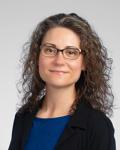
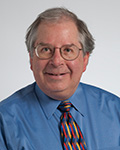
Karl Theil, MD
Associate Program Director, Clinical Pathology
Program Structure

The Department of Pathology and Laboratory Medicine at Cleveland Clinic offers a four-year anatomic and clinical pathology (AP/CP) training program designed to provide its graduates an exceptional education and foundation in pathology. The world of pathology is constantly changing as new knowledge, technology and clinical treatment paradigms evolve. Our program is designed to train residents to be prepared for the changing needs of future pathologists in practice.
Residents in our AP/CP residency program rotate in anatomic pathology rotations during the first year, and clinical pathology rotations during the second year. This allows residents to focus on and gain confidence and mastery in one discipline each year. The third year emphasizes anatomic pathology rotations, but includes several elective rotations. The fourth year is a combination of clinical pathology rotations and elective time; electives are designed so that residents can select anatomic or clinical rotations that will best augment their knowledge and help prepare them for the board examination and clinical practice.
Residents interact one-on-one with world-renowned faculty in each subspecialty area. Faculty members are nationally and internationally sought after speakers who are collaborating on research that is changing the field of pathology. Many of our faculty author and edit highly respected pathology textbooks and journals. Residents learn in this highly academic environment, as well as develop mentor-mentee relationships and engage in research opportunities.
To better understand the structure of our training program, please follow the links below.
Resident Resources
The Department of Pathology and Laboratory Medicine is committed to providing residents all the financial and educational resources needed to succeed. For an up-to-date overview of resident salaries and benefits, please see the Graduate Medical Education website. Please see below for more detailed information about our department.
Learning Resources
Each resident receives an annual $1000 book allowance, which includes a subscription to ExpertPath, a comprehensive online resource on pathologic diagnosis provided by Elsevier as well as PathPrimer for all PGY4 residents to assist in board preparation. The department also provides a full physical and digital library of pathology-specific hard-copy textbooks, organized by subspecialty area and available in each signout room or the resident library for additional reading and reference. More than 250 textbooks are currently available for residents within the department library. New books are added as new editions and textbooks considered to be valuable by the faculty are released.
The Cleveland Clinic Alumni Library is located at Main Campus, and its mission is to support patient care, research and education for Cleveland Clinic caregivers by providing timely access to information, as well as teaching information management skills to help trainees keep pace with the rapidly evolving health sciences literature. This includes just under 9,000 hard-copy textbooks in medicine, nursing, and basic sciences, as well as an extensive collection of e-books (through OhioLINK: the OhioLINK catalog lists over 44 million items including books, periodicals, and audiovisual material) and other clinical tools (examples include UpToDate and Scopus).
Additional online learning resources provided to residents include a subscription to the American Society of Clinical Pathology’s Informatics University throughout all four years of training. During PGY3 and PGY4, all residents are also provided a subscription to ASCP’s Resident Question Bank, an online repository of more than 750 boards-style questions within a variety of AP and CP topics designed to assist in preparation for the American Board of Pathology exams, as well as ASCP’s Lab Management University, an online self-paced certificate program that includes more than 40 modules on leadership, personnel management, operations, financial management, informatics and compliance.
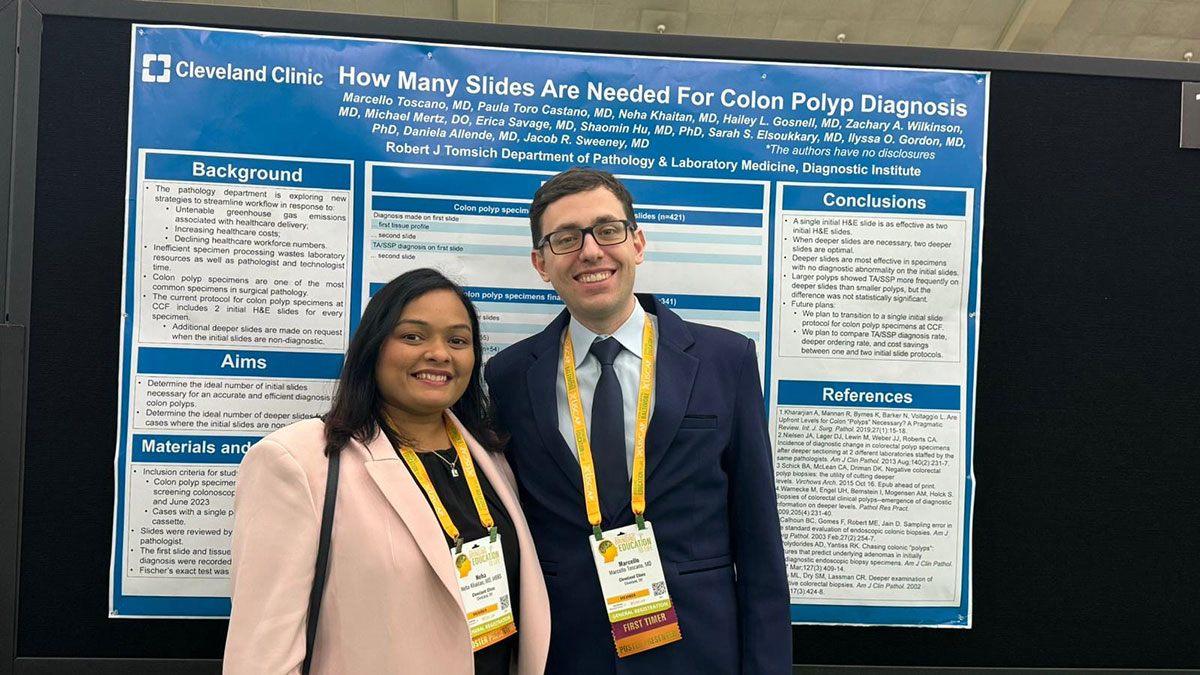

National Meetings
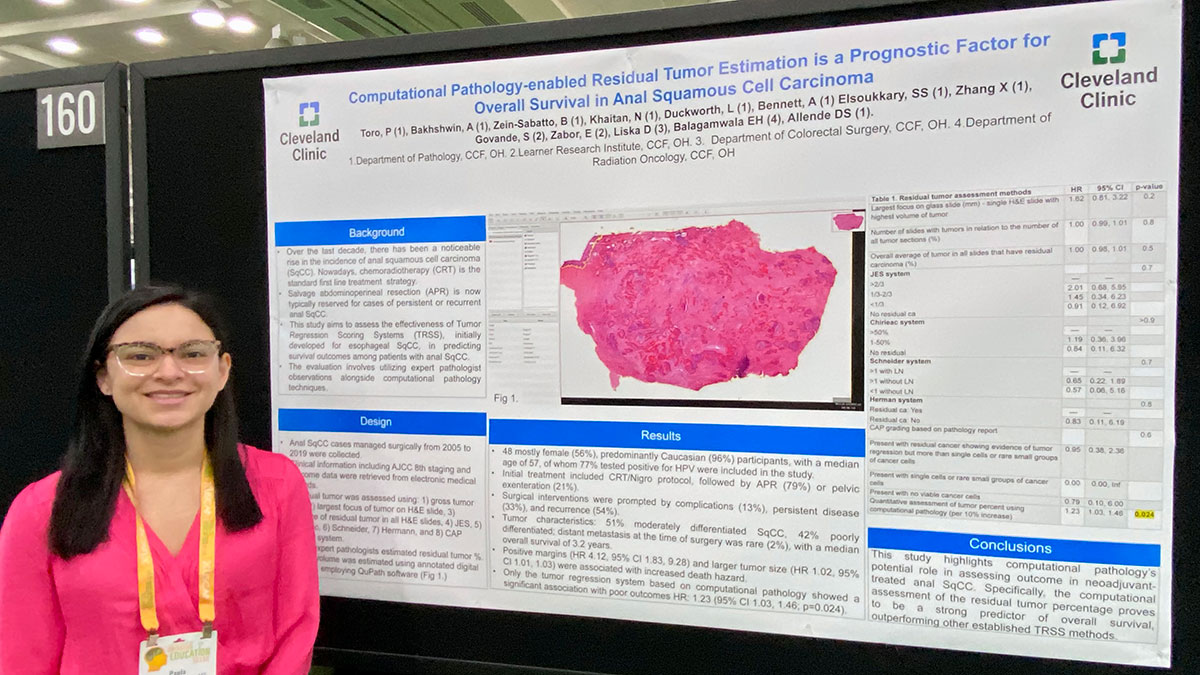
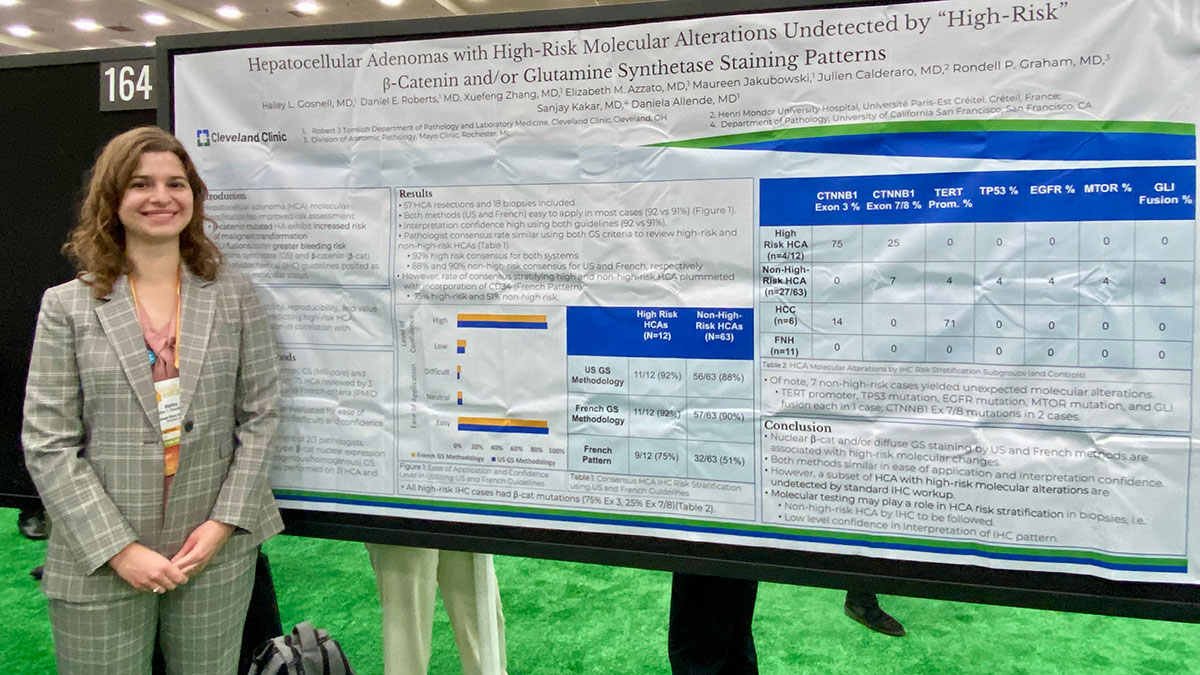
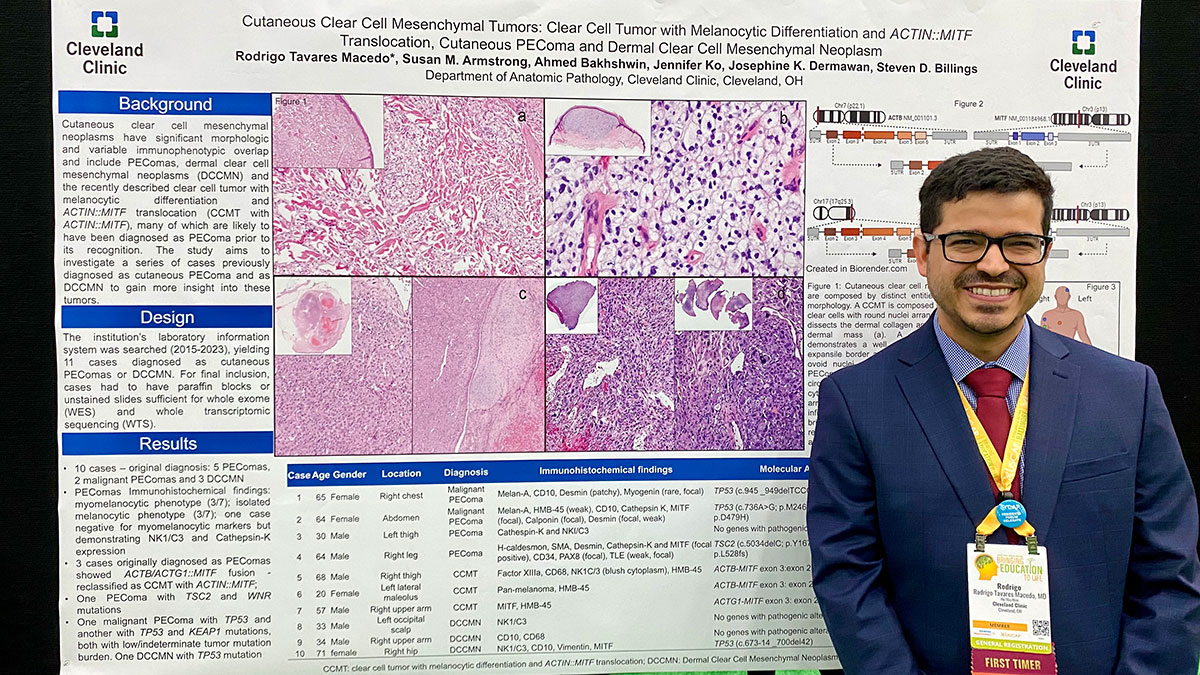
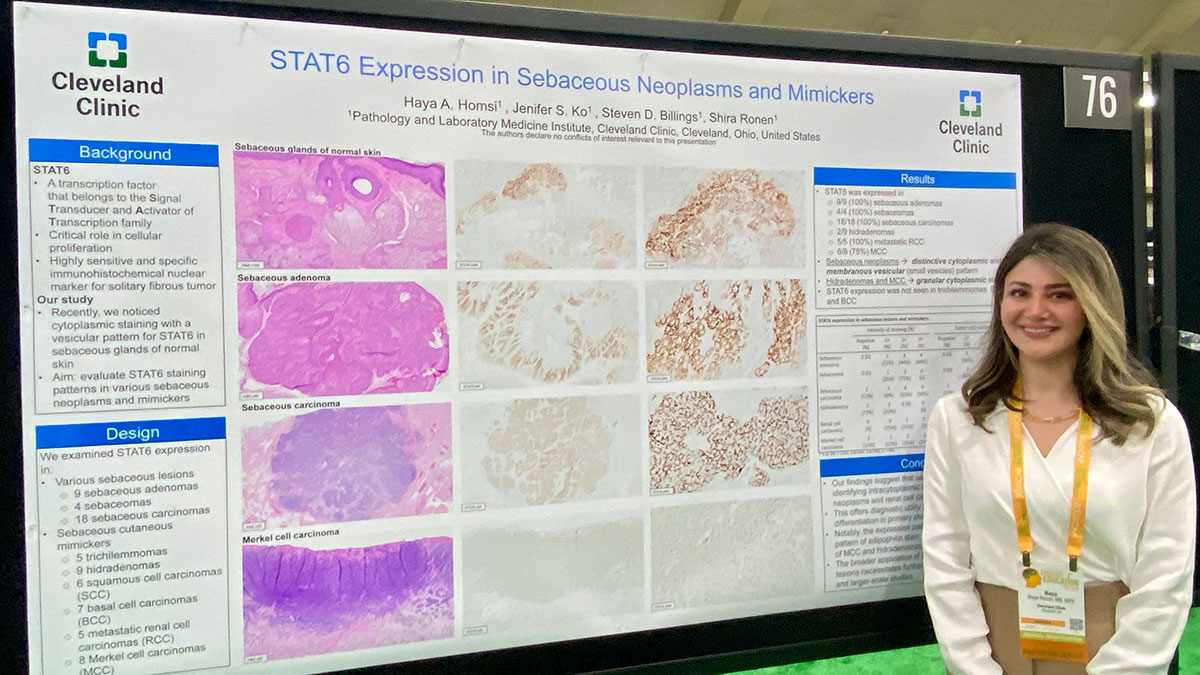
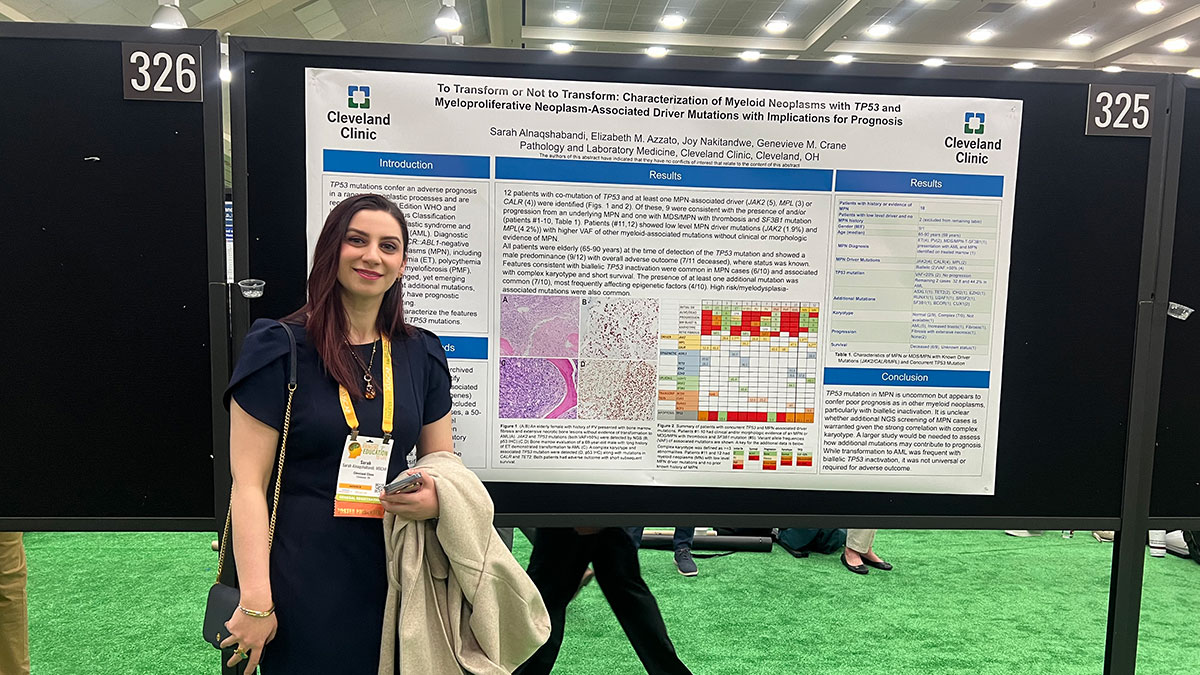
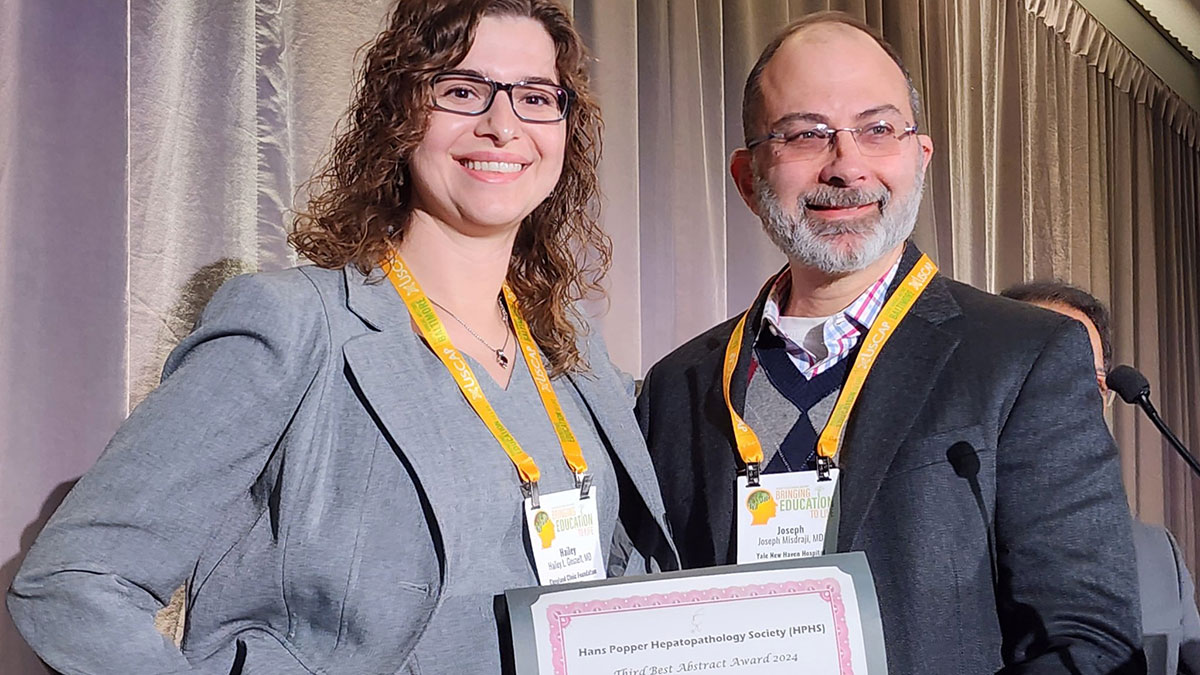
Attending national meetings is an important way to network, present research and learn about different aspects of our profession. Therefore our residents receive a meeting fund of $2,500 per meeting for up to two meetings per year in PGYs 2, 3, and 4 to present accepted abstracts at national meetings.
Spaces and Places
Our recently renovated educational space provides multiple conference rooms, huddle rooms, multiheaded microscopes for conferences and resident use, the educational administration offices, and a resident and fellow room. Each resident is provided with a permanent cubical with microscope, computer and storage space in the main education area on the first floor of Building L. In addition, extra workspaces are available for residents within most clinical laboratory areas when on the rotation (i.e. transfusion medicine, molecular diagnostics, etc).
Local Pathology Societies
Faculty and residents in our department are active participants in local and regional organizations. These are great ways to network with in-practice pathologists from many groups in the area.
The Ohio Society of Pathologists typically holds two meetings a year. These are frequently held in or near Columbus, Ohio, a short drive from Cleveland. Department faculty, who hold executive positions in the society, are frequent speakers at meetings. Membership and attendance at meetings are free for residents, and many of our former residents have held positions on committees and acted as delegates from the Ohio Society of Pathologists to the CAP.
Wellness
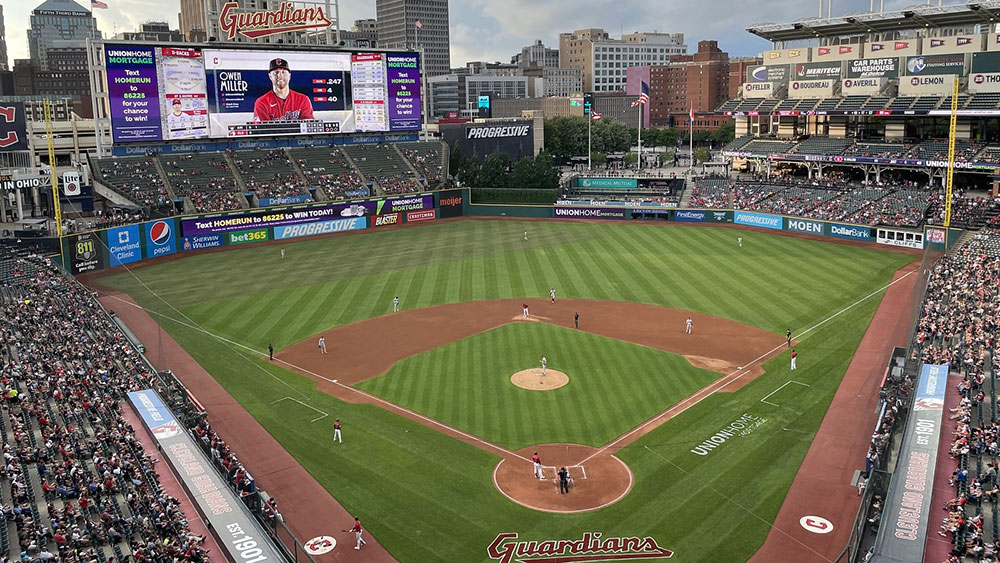
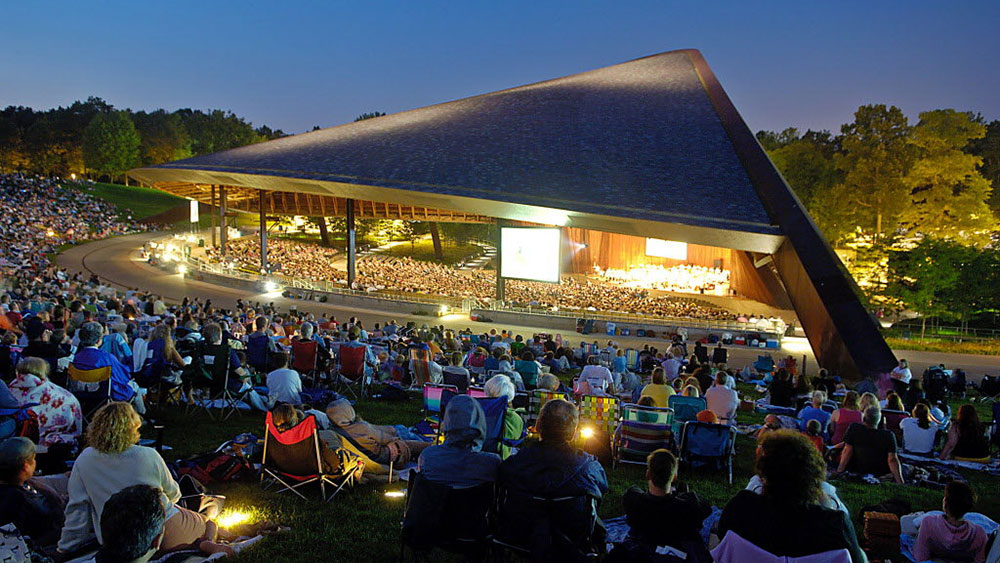
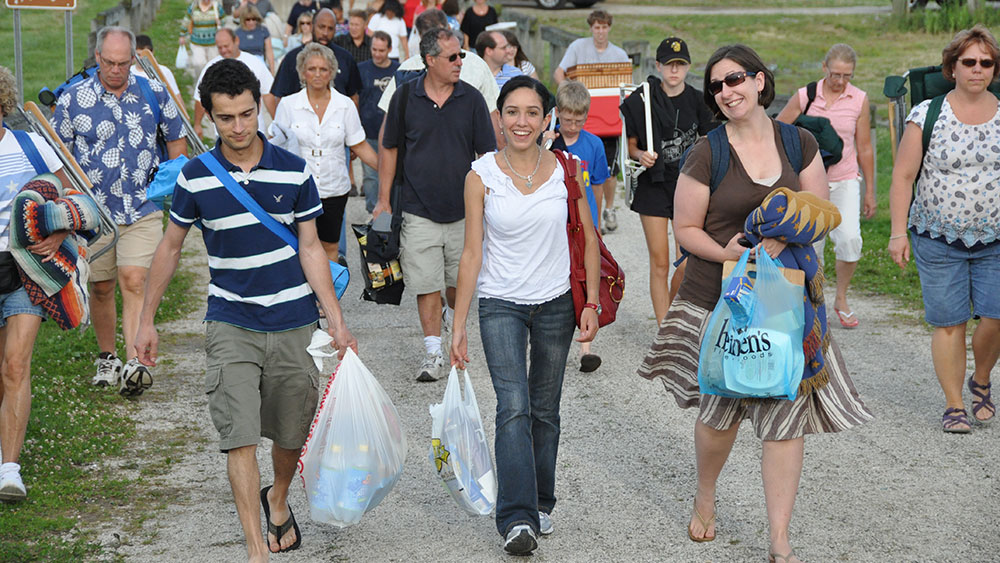
The Graduate Medical Education House Staff Association (HSA) of Cleveland Clinic works to promote the well-being, interests and education of all Cleveland Clinic residents and fellows. The HSA sponsors monthly events for residents and their families, as well as advocating on their behalf with the GME council and residency program administration. Recent highlights include monthly socials, year-end celebrations, hosting events including the “Welcome to Cleveland” Goodtime Cruise on Lake Erie, discounted tickets to see the musical Wicked at Playhouse Square, Cleveland Guardians games and a Cleveland Orchestra concert at Blossom Music Center.
Cleveland Clinic has an on-site fitness center and gym open seven days a week with a 20-meter heated swimming pool at the Walker Center. The facility is free for all residents and fellows under the Cleveland Clinic House staff Health Care Plan.
Recent Graduates

2024-2025 Graduates
| Graduates | Medical School | Initial Post-Graduate Position | Current Position |
| Sarah Alnaqshabandi, MD | University of Dohuk College of Medicine, Iraq | Dermatopathology Fellow, Cleveland Clinic | Same |
| Timothy Bell, DO | Philadelphia College of Osteopathic Medicine, Philadelphia, PA | Hematopathology Fellow, Cleveland Clinic | Same |
| Georgi Galev, MD | Medical University of Sofia Faculty of Medicine, Sofia, Bulgaria | Pathologist, Acibadem City Clinic, Bulgaria | |
| Hailey Gosnell, MD | Virginia Tech Carilion School of Medicine, Roanoke, VA | Gastrointestinal Pathology Fellow, Cleveland Clinic | Same |
| Paula Toro Castano, MD | Cleveland Clinic Lerner College of Medicine, Cleveland, OH | Gastrointestinal Pathology Fellow, Cleveland Clinic | Same |
| Max Weigelt, MD | American University of the Caribbean School of Medicine, Cupecoy, Sint Maarten | Dermatopathology Fellow, Cleveland Clinic |
Same |
| Nicole Zalles, MD, PhD | Ohio State University College of Medicine, Columbus, OH | Genitourinary Pathology Fellow, Cleveland Clinic | Same |
2023-2024 Graduates
| Graduates | Medical School | Initial Post-Graduate Position | Current Position |
| Roshan Bhattarai, MBBS | Kathmandu University, Nepal | Genitourinary Pathology Fellow, Indiana University | Assistant Professor of Pathology, Vanderbilt University, Nashville, TN |
| Bethany Burns, DO | Lake Erie College of Osteopathic Medicine, Erie, PA | Medical Microbiology Fellow, Cleveland Clinic | Medical Director of Microbiology, Roswell Park, Buffalo, NY |
| Neha Khaitan, MD | Rajiv Gandhi University, India | Gastrointestinal Pathology Fellow, Cleveland Clinic | Assistant Professor of Pathology, Henry Ford Hospital, Detroit, MI |
| Peter Mannion, MD | St. Louis University School of Medicine, St. Louis, MO | Hematopathology Fellow, Cleveland Clinic | Pathologist, Cincinnati, OH |
| John McAfee, MD | Cleveland Clinic Lerner College of Medicine, Cleveland, OH | Dermatopathology Fellow, Cleveland Clinic | Assistant Professor of Pathology, Cleveland Clinic |
| Michael Mertz, DO | Michigan State University College of Medicine, East Lansing, MI | General Surgical Pathology Fellow, University of Michigan | Gynecologic Pathology Fellow, Cleveland Clinic |
2022-2023 Graduates
| Graduates | Medical School | Initial Post-Graduate Position | Current Position |
| Salem Ashour, MBBS | Jordan University of Science and Technology, Irbid, Jordan | Gastrointestinal Pathology Fellow, Cornell | Pathologist, Dallas, TX |
| Narendra Bhattarai, MBBS, MD | Tribhuvan University Institute of Medicine, Kirtipur, Nepal | Hematopathology Fellow, Cleveland Clinic | Pathologist, Rochester, NY |
| L. Ashley Duckworth, MD | Wright State University Boonshoft School of Medicine, Dayton, OH | Breast Pathology Fellow, Cleveland Clinic | Pathologist, Naperville, IL |
| Derek Frew, DO | Edward Via College of Osteopathic Medicine - Carolinas Campus, Spartanburg, SC | Dermatopathology Fellow, Cleveland Clinic | Pathologist, Cincinnati, OH |
| Meredith Nichols, MD | University of North Carolina, Chapel Hill, NC | Hematopathology Fellow, Brigham and Women's Hospital, Boston, MA | Assistant Professor of Pathology, Cleveland Clinic |
| Celeste Santos Martins, MC | Universidad Central de Venezuela Escuela de Medicina Jose Maria Vargas, Caracas, Venezuela | Cardiac Pathology Fellow, Cleveland Clinic | Assistant Professor of Pathology, Cleveland Clinic |
| Mrinal Sarwate, MBBS, MD | Seth G.S. Medical College, Mumbai, India | Gastrointestinal Pathology Fellow, Cleveland Clinic | Assistant Professor of Pathology, Rush University, Chicago, IL |
2021-2022 Graduates
| Graduates | Medical School | Initial Post-Graduate Position | Current Position |
| Emad Ababneh, MBBS | Jordan University of Science and Technology, Irbid, Jordan | Surgical Pathology Fellow, Massachusetts General Hospital, Boston, MA | Pathologist, Columbus, OH |
| Alexander Blank, MD | Johann Wolfgang Goethe University, Frankfurt, Germany | Forensic Pathology Fellow, Miami-Dade Medical Examiner's Office, Miami, FL | Forensic Pathologist, Miami-Dade Medical Examiner's Office, Miami, FL |
| Frido Bruehl, MD | University of Freiburg-Albert Ludwigs University, Breisgau, Germany | Hematopathology Fellow, Mayo Clinic | Pathologist, Columbus, OH |
| Eleanor Cook, MD | University of Toledo College of Medicine | GYN Pathology Fellow, Brigham and Women's Hospital, Boston, MA | Cytopathology Fellow, Brigham and Women's Hospital, Boston, MA |
| Lanisha Fuller, MD | Johann Wolfgang Goethe University, Frankfurt, Germany | Gastrointestinal Pathology Fellow, Cleveland Clinic | Pathologist, Miramar, FL |
| Jessica Robertson-Patera, MD | Northeast Ohio Medical University | Hematopathology Fellow, Cleveland Clinic | Pathologist, Columbus, OH |
| Anurag Sharma, MBBS, MD | Chhattisgarh Institute of Medical Sciences, Gol Bazar, India | Dermatopathology Fellow, Cleveland Clinic | Assistant Professor, Western University, London, Ontario, Canada |
2020-2021 Graduates
| Graduates | Medical School | Initial Post-Graduate Position | Current Position |
| Ahmed Bakhshwin, MBBS | King Abdulaziz University, Jeddah, Saudi Arabia | Gastrointestinal Pathology Fellow, Cleveland Clinic | Assistant Professor of Pathology, King Abdulaziz University Hospital, Jeddah, Saudi Arabia |
| Katelyn Korty, DO | University of North Texas College of Osteopathic Medicine, Fort Worth, TX | Dermatopathology Fellow, Baylor Scott and White Health, Temple, TX | Pathologist, Temple, TX |
| Gabriel Oaxaca, MD | Baylor College of Medicine, Houston, TX | Dermatopathology Fellow, Cleveland Clinic | Pathologist, Houston, TX |
| Minqian Shen, MD | Nanjing Medical University, Nanjing, China | Gastrointestinal Pathology Fellow, Johns Hopkins University, Baltimore, MD | Pathologist, Lafayette, IN |
| Sindhu Shetty, MBBS, MD | K.S. Hedge Medical Academy, Karnataka, India | Women's Pathology Fellow, Medical College of Wisconsin, Milwaukee, WI | Pathologist, Fargo, ND |
| Meryem Terzioglu, MD | Ondokuzmayis University, Samsun, Turkey | Hematopathology Fellow, Cleveland Clinic | Pathologist, AmeriPath, Shelton, CT |
About Cleveland
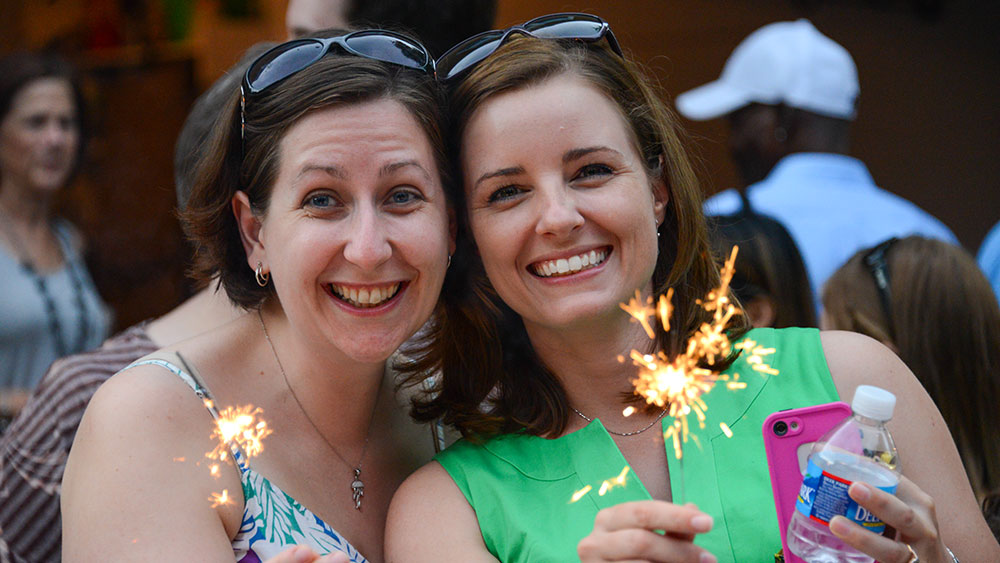
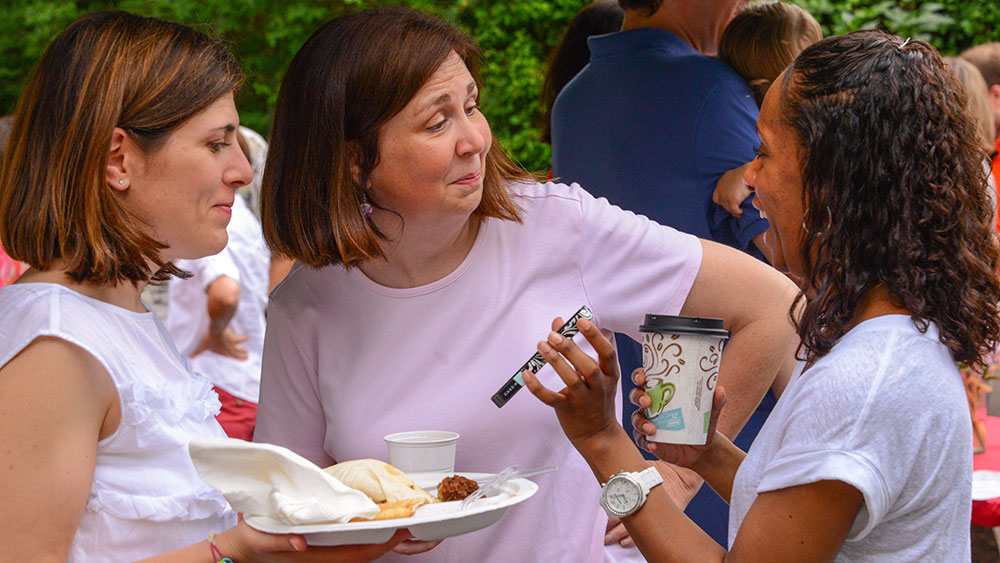
Located in Ohio on America’s North Coast of Lake Erie, Cleveland is in the midst of a renaissance while retaining its old world charm. Its seventh place ranking in Times 2015 Best Food Cities in America shouldn’t come as a surprise, as it is home to world-famous chefs Michael Symon and Zach Bruell; a variety of cuisines; and Mitchell’s Homemade Ice Cream, a local favorite. Cleveland’s West Side (Edgewater, Ohio City, Tremont, etc.) and East Side (Cleveland Heights, Shaker Heights, University Circle, etc.) each has a character of its own. Cleveland Metroparks are great for recreation. To access downtown take the RTA and visit Tower City, Public Square and the Rock and Roll Hall of Fame, or enjoy a Cleveland Cavaliers, Guardians, or Browns game. TripAdvisor is a good resource for top attractions in Cleveland and check out The Best of Cleveland 2025. For family oriented info visit CuyahogaKids.
Learn more about living in Cleveland
- ThisIsCleveland.
- Cleveland Metroparks.
- The Best of Cleveland 2025
- Cleveland.com – Entertainment.
- CuyahogaKids.
- Cleveland Clinic Housing Guide.
- Cleveland Clinic GME website.
What our residents have to say
"Even having lived in Cleveland for a short period of time so far, I can for sure say that Cleveland has something to offer for just about anyone. Whether you are into the quiet life of the suburbs or the busy streets of the city, whether you prefer a nice hike in nature or grabbing a beer at the brewery, whether you enjoy a chill afternoon in the park by the lake or prefer to party with your friends, you will be able to find all of those things in Cleveland. It's a matter of knowing when to squeeze all of it into your schedule!"
– Dr. Simon Moubarak, PGY3
"Cleveland is a wonderful and possibly one of the most underrated cities in the country! It feels big yet manageable. There are plenty of entertainment options and eateries and what is better, you really get to enjoy everything since the traffic is relatively light. That was a welcome change of pace for me, coming from a big city."
– Dr. Marcello Toscano, PGY4
"Cleveland keeps surprising me. The city has so much character – from busy downtown, multiple renowned museums and world-class theater productions of the Playhouse Square, to peaceful and serene walks in many of the city’s parks and beaches along the lake shore. It is large enough to always offer something to do or see, yet it is small enough that people are friendly and there is no need to fight the traffic."
– Dr. Ivan Ogloblin, PGY4
"I've really enjoyed my time in Cleveland so far. Being from a southern state, the cooler summer weather has been amazing, and am largely looking forward to experiencing seasons. I have been enamored with the vast amount of nature, from the sprawling trees to the easy accessibility to Lake Erie. Having chosen to live in a suburb, I'm enjoying the benefits of small-town life with quick access to city amenities, and have also been happy with the relatively light traffic and easy access to the hospital via the Opportunity Corridor."
– Dr. Shelbey Bauman, PGY4
"Cleveland has excellent landscapes for outdoor activities. I have had the chance to hike, bike, and swim while enjoying the nature."
– Dr. Paula Toro Castano, Recent Alumni
"My favorite thing about living in Cleveland is the outstanding food and craft beer scene."
– Dr. Maximillian Weigelt, Recent Alumni
Application Information
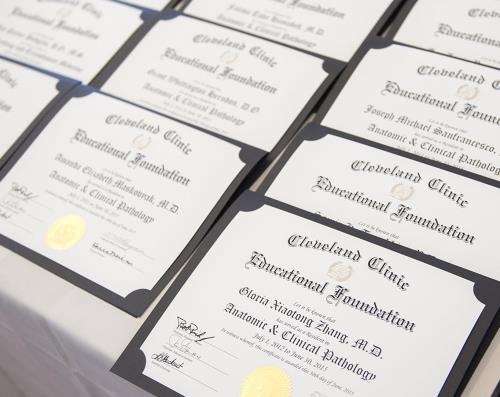
All applications and supporting documents must be submitted through the Electronic Residency Application Service (ERAS). Deadline to apply is December 31. Applicants are encouraged to submit their application in September.
Required Documents (accepted via ERAS only):
- Complete ERAS application
- Medical school transcript
- Personal Statement
- Three Letters of Recommendation from faculty you have worked with directly and who have knowledge of your abilities and interest in pathology
- Photo (preferred)
- Medical Student Performance Evaluation (MSPE)
- USMLE and/or COMLEX scores
- ECFMG Certificates (international medical school graduates)
Invitations to Interview
Each application is reviewed and assessed on its individual merits. All applicants selected to interview will be notified via ERAS e-mail along with detailed instructions for scheduling an interview date. The earliest date interview invitations will be released is Wednesday, October 15, 2025. Our program uses Thalamus to schedule and conduct virtual interviews.
Contact Us
Deborah Chute, MD
Program Director, Pathology Residency Program
For more information contact PathologyResidencyProgram@ccf.org.
