


Overview
Cleveland Clinic’s orthopaedic residency program consists of an American Board of Orthopaedic Surgery approved rotating surgical internship year, an optional research year and four years of clinical training in orthopaedic surgery.
Each member of our department is committed to providing the best possible graduate training in orthopaedic surgery.
Through our large clinical staff, an abundance of clinical material is available. A dedicated research staff is available through the Orthopaedic Research Center. Both basic science and clinical research opportunities are available for residents.
Orthopaedic surgery is a dynamic specialty and Cleveland Clinic’s Department of Orthopaedic Surgery is leading the way with strong programs in all subspecialty areas.
We believe that our orthopaedic residency program is among the best in the world and that it will provide you with the skills to become one of tomorrow’s leaders in Orthopaedics.
Congratulations to our chief class on their recent match results!
2026
- Omolola Fakunle, MD – Boston Children’s Hospital (Pediatrics)
- Collin LaPorte, MD - Mammoth Orthopedic Institute Program (Sports Medicine)
- Mustafa Mahmood, MD – Cleveland Clinic (Spine Surgery)
- Conner Paez, MD – Children’s Hospital of Philadelphia (Pediatrics)
- Rui Soares, MD - Stanford University Program (Sports Medicine)
- Jason Teplensky, MD - Baylor University Medical Center (Foot & Ankle)
2025
- Hiba Anis, MD - Brigham & Women's Hospital/Harvard Medical School (Adult Reconstructive Surgery)
- Wm Alexander Cantrell, MD - The Ohio State University (Sports Medicine)
- Matthew Hadad, MD - University of Pittsburgh/UPMC Medical Education (Adult Reconstructive Surgery)
- Alvaro Ibaseta, MD - University of Texas at Houston (Adult Reconstructive Surgery)
- Sarah Poirier, MD - Military, United States Air Force
- Thomas Pumo, MD - Thomas Jefferson University Hospital (Adult Reconstructive Surgery)
2024
- Morgan Bertsch, MD, Vanderbilt University Medical Center (Hand Surgery)
- Connor Hoban, MD, Cleveland Clinic (Sports Medicine)
- Emily Hu, MD, Cleveland Clinic (Spine Surgery)
- Joseph Scollan, MD, OrthoCarolina (Hand Surgery)
- Assem Sultan, MD, Previously completed Cleveland Clinic Spine Surgery Fellowship
- Jose Vega, MD, Rush University Medical Center (Sports Medicine)
2023
- Michael Erossy, MD - New England Baptist Hospital (Adult Reconstructive Surgery)
- Anton Khlopas, MD - University of Florida-Gainesville (Hand Surgery)
- Anas Minkara, MD - Harvard University (Spine Surgery)
- Prashant Rajan, MD - Emory University (Spine Surgery)
- Andrew Swiergosz, MD - University of Louisville (Adult Reconstructive Surgery)
- William Zuke, MD - Washington University Orthopedics (Adult Reconstructive Surgery)
2022
- Morad Chughtai, MD - Hand & Upper Extremity Surgery - University of Florida COM/Shands Hospital
- Jessica Churchill, MD - Shoulder & Elbow Surgery - Cleveland Clinic
- Sania Mahmood, MD - Adult Reconstructive Surgery - Emory University
- Erin Ohliger, MD - Hand & Upper Extremity Surgery - Rothman Institute at Thomas Jefferson University
- Alexander Roth, MD - Adult Reconstructive Surgery - Cleveland Clinic
- Nicholas Scarcella, MD - Adult Reconstructive Surgery - Duke University Medical Center
2021
- Nicholas Arnold, MD - Adult Reconstructive Surgery - Beaumont Health-Royal Oak Program
- Bilal Mahmood, MD - Adult Reconstructive Surgery - University of Utah
- Sameer Oak, MD - Orthopaedic Sports Medicine - University of Michigan
- Deepak Ramanathan, MD - Foot & Ankle Surgery - Duke University Medical Center
- Prem Ramkumar, MD - Adult Reconstructive Surgery - Brigham & Women's Hospital
- Inyang Udo-inyang, MD - Spine Surgery - Norton Leatherman-Louisville KY
2020
- Ryan Berger, MD - Spine Surgery - OrthoCarolina
- Iyooh Davidson, MD - Spine Surgery - Emory University
- Haariss Ilyas, MD - Spine Surgery - Cleveland Clinic
- Marcelo Siqueira, MD - Adult Reconstructive Surgery - Rothman Institute at Thomas Jefferson University
- Peter Surace, MD - Adult Reconstructive Surgery - Duke University
- Erica Umpierrez, MD - Hand & Upper Extremity - Indiana Hand to Shoulder Center
2019
- Anthony Egger, MD - Pediatric Orthopaedics - Children's Healthcare of Atlanta Scottish Rite
- Megan Flynn MD - Sports Medicine - American Sports Medicine Institute-Birmingham
- Joshua Lawrenz, MD - Musculoskeletal Oncology - Vanderbilt University Medical Center
- Jonas Reid, MD - Hand & Upper Extremity Surgery - University of Chicago
- Anas Saleh, MD - Adult Reconstructive Surgery - Rush University Medical Center, Chicago
- Aaron Taylor, MD - Orthopaedic Trauma - University of Rochester Medical Center
- M. Derek Vaughn, MD - Hand & Upper Extremity Surgery - Vanderbilt University Medical Center
2018
- Kevin Bigart, MD - Adult Reconstructive Surgery - Rush University Medical Center, Chicago
- David Brigati, MD - Adult Reconstructive Surgery - University of Texas at Austin
- Reid Chambers, DO - Pediatric Orthopaedics and Scoliosis Surgery - Cleveland Clinic
- Jason Ho, MD - Shoulder Surgery - Rothman Institute at Thomas Jefferson University, Philadelphia
- Jennifer Peterson, MD - Adult Reconstructive Surgery - Cleveland Clinic
- Rachel Randall, MD - Pediatric Orthopaedics - Nationwide Children’s Hospital, Columbus
- Timothy Wagner, MD - Adult Reconstructive Surgery - New England Baptist, Boston
Residents
PGY-1 Residents
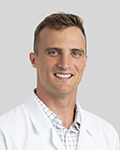
Samuel Ammerman, MD
- Undergraduate Education: Northern Kentucky University
- Medical School: The Ohio State University
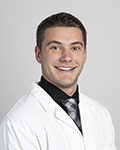
Nickelas Huffman, MD
- Undergraduate Education: The Ohio State University
- Medical School: The University of Toledo
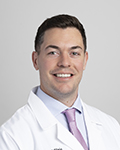
Ignacio Pasqualini, MD
- Undergraduate Education: Universidad del Salvador (Buenos Aires, Argentina)
- Medical School: Universidad del Salvador (Buenos Aires, Argentina)
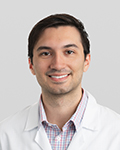
Miguel Recinos, MD
- Undergraduate Education: University of Iowa
- Medical School: University of Wisconsin
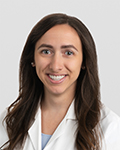
Gabrielle Scariano, MD
- Undergraduate Education: Case Western Reserve University
- Graduate Education: Case Western Reserve University
- Medical School: Case Western Reserve University
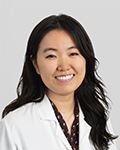
Michelle Shimizu, MD
- Undergraduate Education: Undergraduate Education: Boston University
- Medical School: Loyola University
PGY-2 Residents

Lori Jia
- Undergraduate Education: Yale University
- Medical School: University of Pennsylvania

Brendan Lilley
- Undergraduate Education: University of Pennsylvania
- Medical School: Quinnipiac University
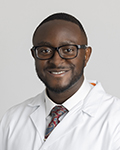
Precious Oyem
- Undergraduate Education: Clark University
- Medical School: Cleveland Clinic Lerner College of Medicine
- Graduate Education: Cleveland Clinic Lerner College of Medicine
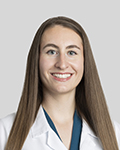
Samantha Panich
- Undergraduate Education: Temple University
- Medical School: Lewis Katz School of Medicine
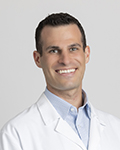
Samuel Polinsky
- Undergraduate Education: University of California, Berkeley
- Medical School: University of California, San Diego School of Medicine
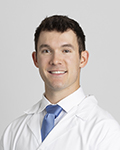
Anthony Videckis
- Undergraduate Education: South Dakota School of Mines and Technology
- Medical School: Georgetown University School of Medicine
PGY-3 Residents
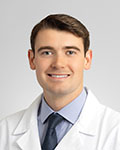
Peter Delaney, MD
- Undergraduate Education: Washington University, St. Louis
- Medical School: University of Michigan Medical School
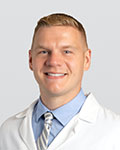
Benjamin Gaal, MD
- Undergraduate Education: Johns Hopkins University
- Medical School: Case Western Reserve University
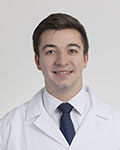
Theodore Rudic, MD
- Hometown: Greendale, WI
- Undergraduate Education: Tulane University
- Medical School: University of Virginia
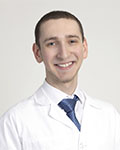
Tariq Said, MD
- Undergraduate Education: University of Missouri - Kansas City
- Medical School: University of Missouri - Kansas City
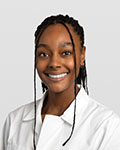
Karrington Seals, MD
- Undergraduate Education: Wayne State University (Detroit, MI)
- Medical School: Case Western Reserve University
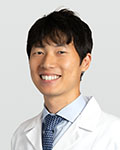
Yuta Umeda, MD
- Undergraduate Education: University of Pittsburgh
- Medical School: University of Cincinnati
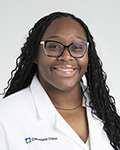
Ayana Wilson, MD
- Undergraduate Education: Cleveland State University
- Medical School: University of Louisville School of Medicine
PGY-4 Residents
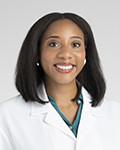
Miranda Barnes, MD
- Undergraduate Education: Florida State University
- Medical School: Howard University College of Medicine
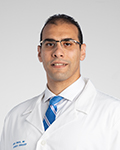
Ahmed Emara, MD
- Undergraduate Education: Ain Shams University
- Medical School: Ain Shams University Faculty of Medicine
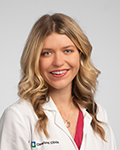
Lauren Grobaty, MD
- Undergraduate Education: Harvard College
- Medical School: Case Western Reserve University School of Medicine
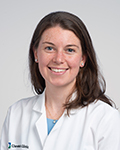
Rebecca Haley, MD
- Undergraduate Education: Duke University
- Medical School: Emory University School of Medicine
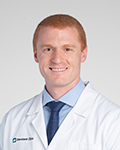
Cole Johnson, MD
- Undergraduate Education: University of Notre Dame
- Medical School: University of North Carolina School of Medicine
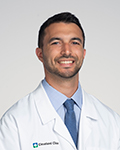
Dimitri Mabarak, MD
- Undergraduate Education: Boston University
- Medical School: Loyola University Chicago Stritch School of Medicine
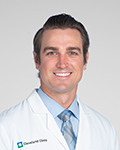
Matthew Zielinski, MD, MS
- Undergraduate Education: College of the Holy Cross
- Graduate Education: Case Western Reserve University
- Medical School: Indiana University School of Medicine
PGY-5 Residents
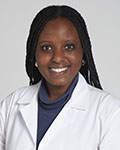
Omolola (Lola) Fakunle, MD
- Undergraduate Education: Centre College
- Medical School: Emory University School of Medicine
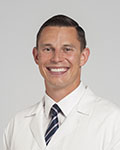
Collin LaPorte, MD
- Undergraduate Education: Montana State University
- Medical School: Michigan State University College of Human Medicine
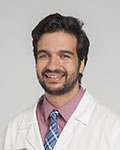
Mustafa Mahmood, MD
- Undergraduate Education: St. Louis University
- Medical School: Southern Illinois University School of Medicine
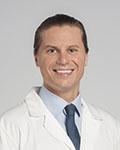
Conner Paez, MD
- Undergraduate Education: University of Pennsylvania
- Medical School: University of California, San Diego School of Medicine
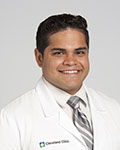
Rui W Soares, MD
- Undergraduate Education: Boston College
- Medical School: Georgetown University School of Medicine
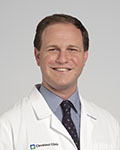
Jason Teplensky, MD
- Undergraduate Education: Case Western Reserve University
- Medical School: Case Western Reserve University School of Medicine
Call Schedule
The call schedule has been designed to meet the ACGME work hour guidelines. Most in-house call is taken by the junior residents. Residents on their Metro and Akron Children’s rotations participate only in those respective call pools and are not part of the call pools at Cleveland Clinic.
Main Campus call
Main Campus is covered by 24/7 by an in-house call resident, split into day call and night call shifts. Day call is taken by PGY-1s and PGY-2s. We use a night float system, with a PGY-2 covering Sunday-Thursday nights. Friday nights are taken by a PGY-1 with PGY-4 in-house backup. Saturdays are covered by a PGY-2 on 24-hour call, and Sunday day call is covered by a PGY-3. The PGY-5s take chief call at Main Campus.
Spine call at Main Campus is shared between orthopaedic surgery and neurosurgery.
Hand call at Main Campus is shared between orthopaedic surgery and plastic ssurgery.
West Side call
West Side call is taken from home and covers some of our community hospitals on the West Side of Cleveland. This is primarily taken by PGY-3s and PGY-4s.
Metro call
Junior call at Metro (for PGY-1 through PGY-3) is approximately q5 and is shared with the University Hospitals orthopaedic residents. This is 24-hour in-house call with a post-call day.
Akron Children’s call
Call at Akron Children’s is approximately q5-6, though this can vary depending on how many residents are rotating at a time. This is 24-hour in-house call with a post call day.
Rotation Schedule
PGY-1 (Intern Year)
Two months – Orthopaedic trauma (MetroHealth Medical Center)
As an intern, you will be introduced to orthopaedic trauma at MetroHealth Medical Center, a busy Level 1 Trauma Center. You will be paired with a PGY-3 resident who will mentor you in the management of the traumatized orthopaedic patient. You will take in-house call with your PGY-3, which allows for graduated autonomy in managing consults. You will perform a high volume of reductions and other bedside procedures and gain experience managing spine and hand trauma as well. You will scrub both trauma and elective cases with the MetroHealth staff and attend trauma clinic one day per week. You will work with residents from the University Hospitals program, who also rotate at Metro.
Two months – Adult reconstruction
Two months of intern year is spent on the “Joints” service at Main Campus, covering both routine and complex primary and revision arthroplasty. The Joints team is also the consult team at and handles most of the call cases that come in. This is a high-volume operative rotation with no clinic responsibilities.
Two months – Foot and ankle
On this service, you will work with one of our fellowship-trained foot and ankle surgeons, with time split between the OR and clinic at various locations in the area. You will encounter all types of elective foot and ankle cases, including deformity, ankle arthroplasty, arthroscopy, and fracture cases while on this rotation.
Six months – Non-orthopaedic surgery
The remaining six months consist of rotations on the following services:
- Neurosurgery spine (2 months)
- Surgical ICU (1 month)
- Infectious disease (1 month)
- Plastic surgery (1 month)
- General surgery Trauma at MetroHealth (1 month)
PGY-2
Two Months – Orthopaedic trauma (MetroHealth Medical Center)
As a PGY-Two, you return to Metro to continue training with five fellowship-trained orthopaedic traumatologists. Your confidence and experience will grow as you take solo call. You will become more involved in the OR, scrubbing cases that include all types of musculoskeletal trauma of both the upper and lower extremities.
Two Months - Pediatric orthopaedics
Your PGY-Two pediatrics rotation takes place primarily at Main Campus, where you will have the opportunity to work with five pediatric orthopaedic staff. All residents are sure to get an equal share of clinic and OR time. Your exposure to cases will include everything from spine deformity, hip dysplasia, fracture care, and a wide variety of other elective pediatric procedures.
Two Months – Musculoskeletal oncology
The Tumor service is based primarily at Main Campus. This is a very busy service run by three fellowship-trained orthopaedic oncologists. You and the PGY-Four will be highly involved in the care of these complex patients on the floor, in the clinic and in the operating room. You will be exposed to musculoskeletal oncology surgical principles and advanced reconstruction techniques. Every Monday, there is a multidisciplinary tumor conference that includes surgeons, pathologists, radiologists, oncologists and radiation oncologists who review complex and interesting cases.
Two Months - Hand & upper extremity
While on the Hand service, you are scrubbing on cases involving the entire upper extremity. Time is split between the clinic and operating room at various locations. A vast array of surgical cases is covered, including general hand elective cases, elbow and wrist arthroscopy, elbow arthroplasty and upper extremity fracture cases.
Two Months – Sports medicine
Your Sports rotation is an apprenticeship-based experience with one of our fellowship- trained sports staff. You will be exposed to a wide variety of arthroscopic procedures with primary emphasis on knee, shoulder, and hip arthroscopy. This rotation occurs primarily at the Sports Health Center and local clinics.
Two Months - Night float
Night float covers Main Campus call from 5 p.m. to 7 a.m. Sunday through Thursday nights. Your only responsibilities are covering floor issues and new consults/admissions during those hours. Friday and Saturday are free from clinical duties.
PGY-3
Two Months - Orthopaedic trauma (MetroHealth Medical Center)
As a PGY-3, you return to Metro. This time, you will be mentoring an intern. Call, OR, and clinic responsibilities remain the same from prior years. You continue to earn more autonomy performing trauma cases in the OR.
Two Months – Pediatric orthopaedics (Children’s Hospital Medical Center, Akron)
The PGY-3 pediatrics rotation takes place at Akron Children’s Hospital, a busy Level 1 pediatric trauma center located in Akron, OH, about Four0 minutes south of Cleveland. Here, PGY-3 residents will see a high volume of both routine and complex pediatric trauma. With nearly a dozen full-time pediatric orthopedic staff, residents can scrub elective cases covering every aspect of pediatric orthopaedics. You will work closely with rotating residents from other programs, including Summa, Akron General, Aultman, and Allegheny.
Two Months – Shoulder and elbow
On the Shoulder service, you will work with one of our four Shoulder and Elbow trained surgeons. This is an arthroplasty-focused rotation which also includes advanced shoulder arthroscopy, operative fracture care and complex revision surgery. You will learn the basics of open and arthroscopic shoulder and elbow surgery. Time is split between OR and clinic and the rotation is based primarily at Main Campus and Marymount.
Two Months - Foot & ankle
You return to the Foot and Ankle service as a PGY-3. Time is split between the operating room and clinic. The PGY-3 on service is responsible for making the weekly schedule.
Two Months - Spine
The PGY-3 spine experience is primarily based at Main Campus, scrubbing a variety of routine and complex spine cases involving the cervical, thoracic, and lumbar spines. You will gain experience in everything from microdiscectomies to large revision adult deformity cases. This is an operative-heavy rotation with only 1-Two days in clinic per week.
Two Months - Adult reconstruction
As a PGY-3 Joints resident, you return to the Main Campus Joints team. Cases will include routine and complex primary total hip and knee replacement, revision hip and knee replacement. You will cover call cases as well as trauma cases with one of our orthopaedic traumatologists. The experience is entirely based in the operating room and inpatient floors with no responsibility in the outpatient clinics.
PGY-4
Two Months - Musculoskeletal oncology
The PGY-Four is the chief of the tumor service. They make the weekly schedule, mentor the PGY-Two, and are expected ensure that the complex needs of our oncology patients are being met. The operative experience as a PGY-Four is outstanding, with a large amount of graduated autonomy. Clinic is typically 1-Two days per week. In addition to tumor cases, you will scrub elective joints cases performed by the tumor staff, including hip resurfacings.
Two Months – Orthopaedic trauma (Fairview Hospital)
This is a high-volume operative rotation in orthopaedic trauma, working with two fellowship-trained orthopaedic traumatologists. Fairview is a Level II trauma center on the west side of Cleveland. You will get comfortable doing straightforward fracture cases independently and work closely with the staff on complex intra-articular fracture work. Clinic is typically one day per week.
Two Months - Lutheran Hospital
Lutheran is a community hospital located in Ohio City, a vibrant community just across the river from Downtown. This senior-level rotation provides residents the ability to scrub cases with a variety of orthopaedic staff, with a focus on high-volume primary hip and knee arthroplasty. In addition to arthroplasty, residents will cover call cases and arthroscopic surgery of the lower extremity.
Two Months - Sports medicine
As the PGY-Four on Sports, you are the chief of the service and responsible for all weekly scheduling. During this rotation, you will work in a mentorship model with one of the sports surgeons in the OR and clinic to hone your skills in hip, knee, elbow and shoulder arthroscopy as well as participate in complex open shoulder, knee and elbow reconstructive and cartilage cases.
Two Months - Pediatric orthopaedics
As the PGY-Four on the Pediatrics service, you are the senior resident responsible for managing the schedule and logistics on the service. During this rotation, you build upon the clinical fundamentals learned during the PGY-Two and PGY-3 pediatric rotations. More specifically, you attain more autonomy with pediatric general fracture care in addition to developing specialized skills in scoliosis surgery, limb length discrepancy, congenital deformity, etc.
Two Months - Hand & upper extremity
As the PGY-Four on Hand, you are the chief of the service and responsible for the weekly scheduling. You will be exposed to cases extending from fingertip to shoulder with our Hand and Upper Extremity staff. Case diversity will be the same as during the PGY-Two rotation and will you spend time both in the clinic and operating room.
PGY-5
Two Months - Adult reconstruction
As Chief of the Main Campus joints service, you are a responsible for running the entire Main Campus orthopaedic surgery service. In addition to staffing consults with the juniors, the chief is responsible for organizing the OR assignments for all joints residents and fellows at Main Campus. The Chief also plays a crucial role in making sure all call cases are covered. The Chief is often responsible for their own room while fellows are responsible for others. By this point in training, Chiefs perform routine cases independently and perform a significant portion of complex revision cases.
Two Months - Lutheran Hospital
Chief residents at Lutheran can scrub arthroplasty or more general cases per their interest. A high volume of primary hip and knee arthroplasty is done at Lutheran, and this rotation includes high volume robotic exposure and general orthopaedic cases. There is ample flexibility during this rotation to tailor the experience to each resident’s interests.
Two Months – Marymount Hospital
The Marymount rotation takes place at a small community hospital about 15 minutes south of Main Campus. Chief residents will scrub elective cases in knee, hip, and shoulder arthroplasty, as well as some arthroscopic and call cases.
Two Months – Orthopaedic trauma
As the Chief resident on Trauma, you work in a mentorship model with one of our fellowship-trained traumatologists, Dr. Damien Billow, at Main Campus and Hillcrest Hospital (a Level II trauma center on the east side of Cleveland). Your cases will include both upper and lower extremity trauma as well as elective nonunion and deformity cases. While on this rotation, you will participate in the Hillcrest senior call pool.
Four Months - Chief electives
Our elective time as a PGY-5 is one of the things that set our program apart. Elective time during the chief year has been spent in different ways depending on a resident’s individual interests. Some residents choose to do a chief rotation at Metro, gaining more operative trauma experience to prepare themselves for trauma call as attendings. Most residents stay in the Cleveland area to spend more time in a particular subspecialty, while others have done international rotations, community and private practice rotations, European AO fellowships, etc. There is also an opportunity to pursue elective rotations at Cleveland Clinic Florida.
Education
The bulk of didactic occurs during Tuesday Academic Day and Wednesday morning conferences, with supplemental service-specific conferences on various other days.
Academic Day
Academic Days are on Tuesday mornings from 7am-10:30am. This is protected time for all residents and all residents are expected to attend in person. These are structured case-based discussions, lectures, or labs that focus primarily on a specific clinical topic. These sessions are coordinated by the PGY-3 residents and led by staff surgeons in each subspecialty. Many of these days are spent in the cadaver lab. All subspecialties are represented equally throughout the academic year. During October and November, we have twice weekly sessions focused specifically on OITE review for each subspecialty.
Fracture conference
Fracture conference occurs two on Wednesdays each month (shared with Quality/Safety and Grand Rounds). This is an indications-style conference led by a PGY-4 resident. Topics include all aspects of fracture care including pediatrics, upper extremity, lower extremity, pelvis and spine.
Grand Rounds
This conference occurs once per month and is given by either Cleveland Clinic staff or visiting surgeons. The final Grand Rounds of each Academic Year is hosted by the chief residents and has become a tradition of staff versus residents Orthopaedic Jeopardy.
Quality/patient safety conference
This conference occurs once per month and reviews complications and unplanned re-admissions. Residents involved with the cases present for 5-10 minutes, including literature relevant to the decision-making process. The goal of this conference is to learn from past experiences, with the eventual goal of enhancing patient care in both efficiency and quality.
Service-specific conferences
Most subspecialties host their own weekly morning educational conference. The day of the week varies by service. Only the residents on service are required to attend.
Journal clubs
Program journal clubs occur about once per month and each focuses on a particular subspecialty. Attendings from that subspecialty are in attendance to help facilitate discussion and provide their expertise. Typically, 4-5 relevant articles are selected for presentation and presented in a short synopsis by junior residents, with senior residents providing commentary. The rest of the time is open to interactive discussion. Journal Clubs are typically held on weekday evenings at a restaurant in the Cleveland area. This is an informal yet educational environment which helps keep residents up to date on important topics and learn to critically appraise current and past literature.
Cadaver lab
There are two opportunities for wet lab dissection and surgical practice outside the operating room.
Surgery skills lab
This is a cadaver lab in the basement of the M building that is dedicated exclusively to the orthopaedic residents and fellows. Uses of this lab can include arthroscopic practice on human cadaveric body regions (including cartilage work, ligamentous/tendon repair, meniscal repairs, etc), as well open procedures such as ORIF and arthroplasty. The lab is frequently utilized for Academic Day sessions but is also available for individual resident use, with cadaveric specimens available with prior appointment.
Cleveland Clinic Lerner Medical School lab
This lab is the main Cleveland Clinic Lerner College of Medicine anatomy facility located in the basement of the L building on Cleveland Clinic's main campus. Here, large-scale approach dissection can be undertaken, with some limited examples ranging from lower extremity trauma approach techniques, acetabular approaches, approaches to the scaphoid, or total hip approaches. Another use of this lab provides an opportunities for the orthopaedic residents to assist with medical student education by performing prosections and tutoring in musculoskeletal anatomy.
Journal subscriptions
The Department of Orthopaedic Surgery provides each resident a subscription to JBJS and JAAOS. Access to most other major journals is available to residents for free through the Cleveland Clinic Library system.
Orthopaedic education materials
All residents are enrolled in the OrthoBullets PASS curriculum which includes, access to all questions on the OrthoBullets website and a variety of practice exams. This subscription also gives each resident the opportunity to enroll in specialized OITE study plans, ABOS study plans and many other boards-related education resources. In addition, the department provides access to the AAOS self-assessment questions and RESstudy. Step 3 is paid for by the department.
Apply / Benefits
Residency application requirements
The Orthopaedic Surgery Residency training Program at Cleveland Clinic participates in ERAS, the Electronic Residency Application System, developed by the Association of American Medical Colleges.
Residency application screening and interview committee
The application screening process begins in mid-October with interview target dates being offered on Universal Offer Day.
Approximately sixty applicants are invited for interviews. The goal of the committee is to select applicants to interview who they feel will flourish in the orthopaedic residency training vision at Cleveland Clinic, while at the same time, add to the unique close-knit community of residents outside the hospital walls. There is neither a minimum score requirement nor a predisposition toward an academic career to gain consideration for interview invitation.
Benefits
Equipment, educational, and travel stipends: Orthopaedic surgery residents are provided an annual educational stipend from the department which can be used for a broad range of educational materials and equipment. Interns are required to use their funds to purchase loupes, and after that residents can use these funds for anything related to their training/work, such as OR equipment (lead aprons/glasses etc), books, subscriptions, interview travel, etc. In addition, residents get an annual stipend from GME which can be used for similar educational purposes (no travel related expenses).
Meeting allotments
Each resident has access to an annual academic travel stipend from GME which may be used to cover expenses for conference travel if the resident will be presenting research.
All PGY-2 residents attend the AO Basic Trauma course. This meeting is completely funded by the department.
As chief residents, the department will pay for each resident to attend one board review course. Most popular are the AAOS, the Miller Review or the Maine Review Course. In addition, the department supports chief resident attendance to the AAOS Annual Meeting.
All other meetings during the PGY-1 through PGY-5 years can be funded through the individual's education fund. There are no restrictions as to which meetings a resident may attend. Previous examples of attended national meetings have been AAOS, AAHKS, various surgical techniques courses (S.A.F.E., M.E.P.O., etc), Gainesville Pathology course, or OTA/AO courses.
Vacation
All residents receive 15 days of vacation time during their PGY-1 through PGY-5 years. All vacation time is cleared with the chief resident on the service.
High school sports coverage
Each resident is assigned a high school beginning in their PGY-2 year and acts as the team physician for the football team, covering Friday night games during the season (including playoffs). The resident will typically work with the same high school throughout their residency. Football coverage is considered moonlighting and residents are reimbursed for time and mileage. All high schools have a co-assigned staff physician and athletic trainer, with many of the staff physicians attending games regularly. In addition to varsity football, residents have additional (optional) opportunities to cover additional sports, such as wrestling tournaments, hockey games/tournaments, and lacrosse tournaments.
Moonlighting
Moonlighting is permitted as an upper-level resident with approval of the residency program director and GME.
On call meals
Meals are provided to residents with in-house call responsibility. In addition to the cafeteria at Cleveland Clinic's main campus, other options for dining are available in-house.
Athletic facilities
All residents are granted free membership to the Walker Fitness Center, located across the street from the main outpatient clinic building. This facility has a free weight facility, aerobic exercise room, pool, basketball courts, indoor track, and multiple class offerings. Residents also may use the TT building gym and there is exercise equipment available in one of the orthopaedic surgery call rooms.
Health insurance
All residents (and their families) have the opportunity to be covered by the Cleveland Clinic Employee Health Program (EHP) plan, which provides excellent coverage at very low cost.
Payroll
Please refer to Cleveland Clinic's GME website for further information regarding yearly salary.
Contact information
Should you have any other questions regarding the application or interview process, please do not hesitate to contact the Orthopaedic Education Office and the residency coordinator, Ms. Chris Orlinski, at 216.445.7570.
