
Research & Innovations

Call Us Toll Free:

866.588.2264

Toll-Free: 866.588.2264


Pediatric Neurology and Neurosurgery

Hydrocephalus Research

The Pediatric and Congenital Neurosurgery Section, PCNS, has developed a clinical and basic research effort in the investigation of the pathophysiology, diagnosis and treatment of adult hydrocephalus. This effort includes an experimental model of chronic hydrocephalus development by our section and used in the investigation of pathophysiological changes in chronic hydrocephalus, including long term compromise and adaptation of the cerebral vascular system. Clinic studies are ongoing for the screening and diagnosis of normal pressure hydrocephalus, a form of chronic adult hydrocephalus. These pediatric neurology studies include collaborations with biomedical engineering, neuropsychology and neuroradiology. Finally treatment of research protocols are ongoing and proposed, looking at improving the cerebral function through surgical shunting and through adjunct medical treatment.

The experimental and clinical evidence has shown metabolic and cerebrovascular compromise in chronic hydrocephalus is similar to other low cerebral perfusion states. Our pediatric neurology group has demonstrated decreased oxygen delivered to the brain in chronic hydrocephalus, which is resolved by CSF shunting. We have shown compromises in the cerebrovascularture from chronic compression and other changes which reflect an adaptive response to chronic hypoxia through capillary angiogenesis. The goal of this pediatric neurology research is to understand the vascular compromise and adaptation and ultimately facilitate this adaptive response. This is supported by a NIHR01 grant for 4 years (4 years, 1.4 million dollars). Continuing studies will be aimed at examining changes in regional cerebral blood flow relating to oxygen delivery vascular anatomy changes, development of anatomical hydrocephalus and brain function.

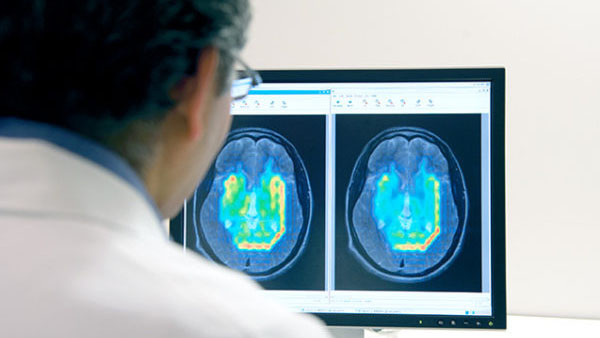
Our clinical pediatric neurology studies have established a protocol of NPH screening, which is based on a trial CSF drainage and neuropsychological and gait imbalance testing. This protocol and process has been recognized internationally and is the basis for other diagnostic studies for this disorder. These other studies include extensive MRI analysis of volume metric changes, water distribution changes through diffusion weighted imaging and T2 imaging and changes in required blood flow through MRI studies before and after treatment of hydrocephalus. This is supported through $120,000 grant from Codman (Johnson & Johnson).

Finally, the treatment of hydrocephalus is incomplete and fragile and the PCNS has an extensive protocol of outcome follow up. An innovative, new adjustable shunt system studied by us before its release allows adjustment and fine tuning of drainage after shunting without any invasive procedures. In addition a grant is in development for trial of medical adjunct treatment based on enhancing cerebral blood flow in conjunction with CSF shunting.

Clinical Significance

Hydrocephalus is one of the most common forms of treatable neurological injury, which effect children, young adults and the elderly alike. It is multiple etiologies and is seen by all neurologist and neurosurgeons. The treatment of hydrocephalus is incomplete and the pathophysiology is not fully understood. Our studies are aimed at new approaches of understanding pathophysiology of hydrocephalus and innovative treatment.

As importantly, however, hydrocephalus and our experiment model serve as a general model of gradual brain compression and disturbances in blood flow. The cerebral vascular compromise and decreasing oxygen in chronic hydrocephalus serves as a model for study of chronic hypoxic states in other forms of vascular disease and stroke, as well as compression caused by tumors and other masses. In this way hydrocephalus research has relevance for a broad area of neurological disorders.

Comparative Advantage of PCNS Laboratories

Our laboratory has a record of published results, which establish the obstructive chronic adult, animal hydrocephalus model. We have characterized this unique model in its anatomical, pressure, compliance, clinical and anatomical changes. We have published studies investigating cerebral vascular changes and changes oxygen delivery. Our model is uniquely poised to investigate the pathophysiology of hydrocephalus in a way that allows investigation and evaluation in treatment options. As a result our model is used in collaboration with researchers around the country (New Jersey, Brown, Stanford, University of Michigan) to study hydrocephalus and to test new systems of treatment.

Intramural Collaboration

This research effort in hydrocephalus is centered in the PCNS and includes experimental studies on cerebrovascular changes that squarely fits within the cerebrovascular efforts. Collaborations with the Cerebrovascular Research Center as well as the Neuroscience department are active. In addition collaborations are ongoing with biomedical engineering, neuropsychology neuroradiology and neurology.

Personnel

  • Mark Luciano, MD, PhD
    Director of PCNS and Cleveland Clinic Hydrocephalus Project
  • Stephen Dombrowski, PhD
    Director of PCNS Experimental Studies & Research Associate
  • Zhicheng Li, MD
    Basic and Clinical Research Fellow
  • Samer Elbabaa, MD
    Clinical and Basic Research Fellow
  • FellowAnimal physiology – Open
  • TechnicianGeneral lab and Animal Studies – Open