


Overview
Thank you for your interest in Cleveland Clinic Neurosurgical Residency and Graduate Medical Education Program. Our program is fully accredited by the American Board of Neurological Surgery, meets or exceeds all ACGME requirements and is designed to train future leaders in neurosurgery.
Neurological surgery has a long and esteemed tradition at Cleveland Clinic. Nearly 75 years ago, W. James Gardner, MD, our first chairman in Neurological Surgery, established the department’s direction with his keen interest in teaching, research, and quality patient care. Today, Cleveland Clinic neurosurgeons remain dedicated to those same principles.
Our staff of 21 full-time surgeons sees one of the largest patient populations in the country. Therefore, we offer training in all neurosurgical subspecialties. In addition to a wide variety of complex neurosurgical problems, our training program offers two years of research to prepare residents for a career in academic neurosurgery. Staff members from each subspecialty conduct their own research and coordinate their efforts with investigators from other sections and departments to ensure patients receive comprehensive state-of-the-art care. Through a choice of elective rotations in clinical and research areas, we offer a flexible program that fosters individual interests. Residents are expected to participate in basic and clinical research projects and encouraged to present their findings at national meetings. The two-year segment of training can be approached in many ways. The goal is to help the resident develop and mature an academic niche. Basic science research is one way this may be accomplished. Alternatively, clinical research and the pursuit of non-research, but academic endeavors, such as healthcare policies or training that augment academic potential are welcome.
Cleveland Clinic has always been committed to excellence in patient care and researching the diseases that affect our patients. We take special pride in training future neurosurgical practitioners who practice putting patients first to deliver the highest quality of medical care.
Application Process
Cleveland Clinic's Neurosurgical Residency Program is designed to train future leaders in neurosurgery. The program meets or exceeds all requirements of the American Board of Neurological Surgery and is fully accredited by the ACGME.
Application Process
Three positions are available per year. The Neurosurgery Resident Program participates in the Electronic Residency Application Service (ERAS) and the National Resident Matching Program (NRMP). Complete applications are reviewed only. Applications must have three letters of recommendation which includes neurological surgery experience, USMLE score of at least 230 and research in neurosurgery.
We will be conducting three in person interview sessions on October 30, 2024, November 21, 2024 and December 10, 2024. Our program will follow SNS recruitment guidelines regarding interview invitations. We will utilize Thalamus as our scheduling platform.
Basic Program Description
PGY-1
A Neurosurgery directed intern year, consists of six-months of neurosurgery and six-months in the NeuroICU, MetroHealth Trauma and Neuroanesthesia and Plastic Surgery. Each rotation has been chosen to fulfill ABNS requirements and simultaneously expose interns to aspects of patient management.
PGY-2 - PGY-4
Spine, Cerebrovascular/Endovascular, Pediatric, Epilepsy, Functional, Tumor, Trauma and NICU
Each resident will spend the entire 36-months rotating through each of the above sub-specialties of neurosurgery, as well as provide one month of night-sweeper responsibilities each year. During the PGY-3 year, a resident will complete four consecutive months of trauma.
PGY-5 - PGY-6
Research (protected)
Two years of laboratory research, clinical research or clinical training as arranged with the program director. There is also an option to do enfolded fellowships of a specific interest.
PGY-7
Chief Resident Year
The chief residents will be assigned administrative responsibilities for four-months during the chief year, allowing each of them (three) to share an equal responsibility.
- Michael Steinmetz, MD
Chairman of Neurosurgery
steinmm@ccf.org - Richard Schlenk, MD
Residency Program Director
schlenr@ccf.org - Elizabeth Battisti
Program Coordinator
BATTISE@ccf.org
Resident Rotations
Cerebrovascular and Endovascular Neurosurgery
The Section of Cerebrovascular and Endovascular Neurosurgery oversees patient care and postgraduate education in basic and clinical research that pertains to the micro-surgical or endovascular treatment of cerebrovascular disease. The integration of cerebrovascular surgery and endovascular neurosurgery is unique to Cleveland Clinic. It represents a vital component of a multispecialty cerebrovascular center providing a seamless environment for interaction among diagnostic neuroradiology, neuroanesthesia, neurosurgical intensive care, stroke neurology and the basic neuroscience research group. Since its inception, both surgical and endovascular case volumes have increased steadily.
Residents who are assigned to the unified cerebrovascular and endovascular neurosurgery service will find it both busy and challenging. Specialists in the section provide micro-surgical and endovascular treatment for occlusive cerebrovascular disease, cerebral aneurysms, arteriovenous malformation and other extra- and intracranial cerebrovascular diseases. Cleveland Clinic is a tertiary referral center for complex cerebrovascular surgical problems. However, a large number of patients with less difficult cerebrovascular problems are also treated here, providing a balanced educational opportunity.
Section members view resident training education as an extremely important responsibility. The educational objectives include mastery of key skills in cerebrovascular disease and the management of patient data to provide unified care plans. In addition, emphasis is placed on the development of problem-solving skills in the operating room, angiography suite, intensive care unit, inpatient ward and outpatient clinic. Routine contact with endovascular surgeons gives residents the opportunity to participate in a wide variety of endovascular treatment options for patients with cerebrovascular disease. Neurosurgical residents are exposed to neurovascular surgery while rotating on the cerebrovascular neurosurgery service, as well as during a diagnostic neuroradiology rotation. In addition to cerebrovascular disorders, additional experience is gained in the management of skull base lesions (pre-operative embolization and test balloon occlusions, as well as functional testing [WADA testing]).
The section has active clinical and basic research programs. Residents are strongly encouraged to spend research and elective time in the cerebrovascular research laboratory under the supervision of the appropriate basic scientist or clinical faculty.
Post-graduate fellowships in endovascular and cerebrovascular micro-neurosurgery are offered. Residents desiring additional training may apply for formal training in an ACGME-eligible endovascular neurosurgery fellowship.
Epilepsy Surgery
The Section of Epilepsy Surgery collaborates closely with the Department of Neurology's Section of Adult Epilepsy and Sleep Medicine and Pediatric Epilepsy and represents one of the world's largest and most comprehensive clinical epilepsy surgery programs.
More than 250 epilepsy surgeries are performed each year, including implantation of stereotactic depth electrodes; subdural grid electrodes; microsurgical temporal lobectomy; extratemporal resection; hemispherectomy; corpus callosotomy and minimally invasive approaches.
Residents from the departments of Neurological Surgery and Neurology participate in the Epilepsy Surgery clinical and research programs. This involves mastering the skills necessary to perform resective surgeries in pediatric and adult epileptics. Senior residents are expected to master all surgical procedures for intractable epilepsy.
Residents also are encouraged to spend research or elective time on clinical and basic projects within the Section of Epilepsy Surgery, under direct supervision of the section head.
Section members collaborate with Experimental Neurophysiology and Epilepsy Laboratory staff on basic research related to the mechanisms of epileptogenicity. Research includes electrophysiologic and histochemical studies on resected epileptic foci and development of experimental models of focal epilepsy.
The Epilepsy Monitoring Unit staff is researching the fundamental anatomy and mechanisms of epileptogenicity in the human brain, using data from long-term implantation of subdural electrodes in epilepsy patients.
Neurological Restoration and Stereotactic Neurosurgery
The Section for Neurological Restoration and Stereotactic Neurosurgery program has three full time neurosurgeons and a consultant neurosurgeon who perform over 250 functional neurosurgical procedures annually.
Clinical activities involve surgery for the management of movement disorders, chronic pain, epilepsy and psychiatric disorders. Surgeries performed include deep brain stimulation, motor cortex, spinal cord and peripheral nerve stimulation, intrathecal pumps, and lesioning procedures. A multidisciplinary approach and close collaboration with neurology, neurophysiology, pain management, psychiatry, radiology and biomedical engineering are emphasized.
Neurosurgery residents are exposed to a large volume of procedures encompassing the entire spectrum of functional neurosurgery. Residents assigned to the service will progressively learn and master comprehensive evaluations, patient selection and surgical management of patients with intractable neurological disorders. This includes surgery for Parkinson disease, essential tremor, dystonia, multiple sclerosis, tremor, spasticity, epilepsy, chronic pain, obsessive compulsive disorder and depression.
Research activities encompass intraoperative neurophysiology, functional brain imaging, using functional MRI (fMRI) and magnetoencephalography (MEG). An active research program is also in place studying deep brain stimulation in various laboratory models. Through strong collaboration with biomedical engineering, the next generation of neural pacemakers are being developed. Additionally, molecular biology and targeted gene therapy strategies are being applied to neurorestoration and neuromodulation. A large number of clinical studies are always in progress. Residents are encouraged to participate in any one of these research projects.
Brain Tumor and Neuro-Oncology Center
- Gene Barnett, MD, MBA
- Lilyana Angelov, MD
- Pablo Recinos, MD
- Ali Mohammadi, MD
- Varun Kshettry, MD
- Matthew Grabowski, MD
- Sarel Vorster, MD
- Pranay Soni, MD
The neurosurgical oncology program provides unique exposure to state-of-the-art technology and management for residents interested in central nervous system disorders. In this rotation residents participate in the evaluation and management of patients with benign and malignant tumors affecting the brain and its surrounding areas.
Intraoperative MRI, frame and frame less stereotactic brain biopsy, minimal access craniotomy, interstitial irradiation and radiosurgery are well-established procedures at Cleveland Clinic, performed frequently (nearly 450 cases per year) by the Brain Tumor and Neuro-Oncology Center staff. Innovative research in the molecular biology and immunology of brain tumors proceeds in several Cleveland Clinic laboratories. This research is applied to patient management as part of clinical investigations.
An interdisciplinary team of neurosurgeons, neuro-oncologists, radiation therapists, oncologists and neuroradiologists manages tumor patients with the help of physical and occupational therapists and social workers. Residents on this service are expected to participate in weekly tumor board meetings that review patient pathology and devise management strategies. Innovative approaches to the medical management of brain tumor patients include in-house phase I and II clinical trials and participation in national cooperative studies.
This section is active in innovative uses of computers in neuro-oncology and neuroimaging. Advanced radiologic techniques applied to stereotaxy here include interventional neuroradiology, functional MRI (fMRI), intraoperative MRI (iMRI), positron emission tomography (PET), single-photon emission computed tomography (SPECT), magnetic resonance imaging (MRI) and magnetic resonance spectroscopy (MRS).
Residents rotating through this section are expected to master principles of various stereotactic systems and to utilize minimal access, computer-assisted techniques in the removal of brain tumors.
Gamma Knife
Cleveland Clinic pioneered radiosurgery in the late 1980s. Today, that clinical experience is combined with Ohio's first Gamma Knife Radiosurgery Unit, where approximately 300 procedures are performed each year. Our Center is one of three in the world certified to teach medical professionals new to the technology, and special courses aimed at teaching the principles of radiosurgery are given yearly. Other types of radiosurgery are offered, including the Novalis shaped-beam system.
Spinal Surgery
- Iain Kalfas, MD
- Ajit Krishnaney, MD
- Tom Mroz, MD
- Richard Schlenk, MD
- Michael Steinmetz, MD
- William Clifton, MD
- Bilal Butt, MD
- Dominic Pelle, MD
- Jason Savage, MD
- R. Douglas Orr, MD
- Mohamed Macki, MD
- Megan Jack, MD
The Section of Spinal Surgery specializes in the neurosurgical management of patients with spinal disorders. Staff members perform approximately 800 spinal procedures each year.
Cleveland Clinic neurosurgeons manage patients requiring spinal instrumentation and fusion and also perform common spinal procedures. They use a variety of instrumentation systems for spinal stabilization, including anterior and posterior cervical spine plate fixation, thoracolumbar rod instrumentation and lumbosacral pedicle fixation.
Members of the spine section collaborate closely with orthopaedic surgeons, neurologists, rheumatologists, anesthesia pain specialists and physical therapists to provide specialized care tailored to the needs of each patient. There are over 15 medical spine specialists at Cleveland Clinic who make up a broad base for surgical referrals.
Neurosurgery residents assigned to the spinal surgery service are exposed to comprehensive evaluation and management of patients with a variety of degenerative, traumatic and neoplastic spinal disorders. An extensive surgical experience allows the resident to rapidly develop technical skills. Junior-level residents gradually learn to perform cervical and lumbar laminectomies, lumbar discectomies and some anterior cervical discectomies. They are also encouraged to participate in all instrumentation and fusion procedures.
The chief resident is further expected to master simple and complex exposures of the spine, and to perform spinal tumor excisions and all instrumentation and fusion procedures.
The section's large patient volume provides multiple opportunities for clinical research. This has been enhanced by the implementation of the Spine Database Management Program. In addition, Cleveland Clinic's Spine Research Laboratory provides a myriad of basic science research opportunities. Residents are encouraged to participate in one or more of these spine-related options, including one- or two-year research fellowships.
Pediatric Neurosurgery
Members of the Section of Pediatric Neurosurgery deal with a wide variety of congenital and acquired lesions of the brain, spinal cord and peripheral nerves. Approximately 5,500 children are seen in the pediatric neuroscience outpatient clinic, resulting in over 300 operative cases per year.
Neurosurgical residents usually spend two, three-month rotations as junior residents on the pediatric neurosurgery service. During this time, they are encouraged to undertake a clinical research project for presentation at a national meeting.
Each chief resident spends six months running the pediatric neurosurgery service and performing routine and complex operations. By the end of the year, the chief resident will have managed most pediatric neurosurgical disorders, and is encouraged to participate in the annual meeting of the Pediatric Section of the American Association of Neurological Surgeons.
The following subspecialty programs comprise the Cleveland Clinic's Section of Pediatric Neurosurgery:
Pediatric Brain Tumors
Residents gain extensive intraoperative exposure to microsurgical techniques and computer-assisted stereotactic neurosurgery. Cleveland Clinic neurosurgeons operate on approximately 60 patients with pediatric brain and spinal tumors per year. Cases are discussed at a weekly brain tumor conference.
Birth Defects
Cleveland Clinic Children's birth defect program follows children with a wide range of congenital brain, craniofacial and spinal anomalies, including spina bifida and myelomeningocele, hydrocephalus, tethered cord syndrome and other forms of occult spinal dysraphism.
A multidisciplinary surgical team performs complete craniofacial reconstructions for craniosynostosis and other anomalies.
Cerebral Palsy
In this program, a pediatric neurosurgeon, a pediatric orthopaedic surgeon and physical therapists evaluate children with cerebral palsy to determine their optimal management. Cleveland Clinic neurosurgeons have an active program in selective dorsal rhizotomy, a microsurgical procedure that reduces spasticity in some children. Other children with the disease may benefit from an implanted device for CSF drug delivery.
Epilepsy Surgery
The surgical procedures offered include a variety of electrode placements for monitoring and brain mapping; temporal lobectomy; extra-temporal focal resection; brain tumor resection using functional mapping; corpus callosotomy and hemispherectomy for hemimegalencephaly.
Residents will learn the work-up required to localize epileptic foci, as well as techniques for exposure and removal of epileptic brain tissue.
Hydrocephalus
Advanced treatments in hydrocephalus are being developed and used at Cleveland Clinic. The neuroendoscope is used in placing shunts, locating hydrocephalus and performing ventriculostomies. Computer-assisted neuroendoscopic procedures are being developed here for complex cases.
Basic research in the pathophysiology of hydrocephalus gives the resident a balanced and thorough exposure to hydrocephalus and its treatments. Clinical research programs in hydrocephalus give exposure to treatments in hydrocephalus.
Skull Base Surgery
The Section of Skull Base Surgery is an integral part of Cleveland Clinic. By combining the highly specialized techniques of interventional neuroradiology, otolaryngology, neurosurgery, ophthalmology and plastic surgery, the principal goal of skull base surgery is to access deep-seated, difficult-to-reach lesions by anatomic displacement or extensive removal of the base of the skull. These techniques reduce or eliminate the need for brain retraction, thereby minimizing injury to the brain, cranial nerves and blood vessels.
Skull base surgery techniques are commonly used to treat various lesions in or around the paranasal sinuses and the floor of the anterior fossa, orbit, infratemporal fossa, sella, clivus, cavernous sinus, temporal bone/petrous apex, posterior fossa and the foramen magnum region.
The Section of Skull Base Surgery annually performs approximately 150 skull base operations. These include acoustic neuroma resections performed in close collaboration with the members of the Section of Neurotology in the Department of Otolaryngology and Communicative Disorders. Other skull base procedures performed treat cavernous sinus tumors, aneurysms, tumors located in the petroclival and the foramen magnum regions, giant pituitary microadenomas and other tumors around the suprasellar/parasellar areas.
During their rotations, residents actively participate in all facets of skull base pathology management, including diagnostic evaluations, surgical planning, postoperative and follow-up care, as well as alternative management plans when surgery is not appropriate. They also learn complex skull base anatomy and various surgical approaches, indications, risks, benefits and outcomes associated with skull base surgery.
Toward the end of their rotation, chief residents are expected to master skull base surgical exposure, tumor resection and closure.
The section holds quarterly surgical anatomy sessions using fixed cadavers. Different surgical techniques including transfacial, transpetrosal, extreme lateral transcondylar, and transoral approaches, as well as cavernous sinus exposure are demonstrated and taught.
This section focuses its research efforts in two areas:
- Functional outcomes following surgical management of skull base surgery.
- Tumorigenesis of benign brain tumors.
Neurosurgical Research
Dedicated to the advancement of neurosurgery through the exploration of clinical questions at the laboratory bench, the department has undertaken a major, long-term commitment to basic research. This effort has been stimulated by success in scientific accomplishments and external funding.
To help fulfill this commitment, the department has a full-time director of neurosurgical research, who is responsible for facilitating all laboratory projects within the department; and several staff neurosurgeons with strong interest and backgrounds in basic research. A dedicated laboratory provides technical support and expertise in molecular biology, morphology, cell culture, animal surgery and imaging.
The expansion of established projects and the initiation of new programs have strengthened the department’s focus on tumor biology, epilepsy, basic biology of cerebral arteries, aneurysm formation and rupture, arteriovenous malformations, hydrocephalus, cerebral protection of hypothermia in ischemia and the potential therapeutic use of neural transplantation. Residents spend two years in one of these laboratories. The expansion of the Department of Neurosciences within Cleveland Clinic Lerner Research Institute lends additional support to basic neurosurgical research.
The Spine Research Laboratory, jointly sponsored by the Departments of Neurosurgery and Orthopaedics, is focused on transferring technological developments to clinical medicine.
Research studies include biomechanics to examine surgical stabilization strategies and degenerative disorders of the spine; neurophysiology research; existing and novel biomaterials and osteobiologics research to enhance the performance of bone, soft tissue, and the surrounding supportive structures; tissue engineering for the development of restorative spinal function; the incorporation of robotic technology for automated surgical applications to the spine; and the use of microsystems technology in the development of microsized devices for in vivo applications to the spine.
Neuro-Endocrine Center
A large number of pituitary and parasellar lesions are evaluated through Cleveland Clinic's Neuro-Endocrine Center. Joint evaluation of patients by neurosurgeons, endocrinologists and radiation oncologists enables comprehensive treatment. State-of-the-art technology, including stereotactic navigation, endoscopy and several radiosurgical modalities (Gamma Knife, Peacock, CyberKnife), facilitates treatment of a variety of disorders. Residents at both the junior and senior level participate in patient management and surgical treatment of patients with pituitary lesions.
Neurological Intensive Care Unit
Cleveland Clinic's Neurological Intensive Care Unit (NICU) is a fully-equipped, state-of-the-art eight-bed unit staffed by a team of neurologists, neurosurgeons, specially trained nurses, respiratory therapists, nutritionists, and pharmacists, all under the direction of neurointensivists. The unit is equipped for intracranial pressure monitoring, continuous EEG/Evoked Potential monitoring, transcranial Doppler ultrasound monitoring, and brain tissue oxygenation and metabolism monitoring.
Patients with major, devastating strokes comprise a large portion of the patient population, along with post-surgical patients, and those with encephalitis, Guillain-Barré syndrome and myasthenia gravis. The team also provides comprehensive care for patients in the step-down/Stroke Unit, which is adjacent to the NICU.
Clinical research programs involve several aspects of neurology and neurosurgery. Specific interests include the use of induced hypothermia for neuroprotection in the setting of acute ischemic stroke. Cleveland Clinic leads the nation in this area and the first, randomized, controlled trial for acute stroke (COOL AID) is centered here. A specific interest of program participants is the use and further development of new neuromonitoring techniques such as brain tissue oxygenation and intracerebral microdialysis.
In addition, several studies evaluating surgical techniques for the treatment of raised intracranial pressure and clot evacuation techniques in patients with intracerebral hemorrhages are ongoing.
National activities include several publications annually in peer-reviewed journals, papers and posters presented at national meetings, and a strong annual presence at the American Heart Association Stroke meeting. Cleveland Clinic's Neurological Intensive Care Program hosted an international conference on neuromonitoring and hypothermia (Neurocritical Care 2001: Returning from the Dark Side of the Brain), drawing hundreds of participants from all over the world.
Medical Student Rotations
Electives
Elective rotations function as an Acting Intern. Medical Students in their “final year” of Medical School who are seeking to complete a 4-week rotation in Neurosurgery are encouraged to apply!
Responsibilities include rounding with the service team, writing notes, presentations and taking call routinely. Information and expectations of this rotation will be provided to you when the rotation is confirmed.
All Medical Students completing a rotation at the Cleveland Clinic who are seeking academic credit must be processed and on-boarded through the Elective Program Office.
Rotations not fitting the above date blocks will be considered on a case-by-case basis, as availability permits. Typically, 3-4 students are permitted per block.
Sub-Internship Application Process
View Cleveland Clinic elective course catalog and academic calendar.
Requirements: You must be a medical student in good standing who has completed your core clinical rotations and intends to apply to neurosurgical residency.
Required materials: Medical school transcript (may be unofficial), CV, and personal statement.
Interested applicants must first send required materials to Dan Lilly, PGY 6, at lillyd2@ccf.org. Please also include which block you are interested in rotating in. We review applications on a rolling basis for approval. If approved, applicants will need to then submit a formal application for approval through the Cleveland Clinic’s elective rotation application system.
There are several additional required materials to complete your application through the Cleveland Clinic’s elective rotation system. View additional materials requirements.
Rotating in Neurosurgery at the Cleveland Clinic
During your entire rotation, you will be embedded in the inpatient neurosurgery service at the main campus of the Cleveland Clinic in Cleveland, Ohio. The Cleveland Clinic serves among the sickest and patient populations from all backgrounds, and our neurosurgical service is fast-paced and complex.
You will rotate through each of our inpatient services as a member of the resident team. You will be expected to help gather information, assess patients, and assist in the clinical decision-making process. We have a very busy surgical service, and rotators should expect to spend nearly every day scrubbed into cases. Outside the OR, you will also have the opportunity to gain exposure to our staff in their subspecialty clinics one day a week. We have daily educational conferences, and rotators are expected to attend. During one of our weekly departmental meetings, you will be expected to give a 10-15 minute talk.
Our hope is that your rotation will help you to prepare to be a successful neurosurgery intern and help you to get to know us better, as well as to allow you to experience the quality of training and patient care at the Cleveland Clinic first-hand. If you have any questions or would like further information, please reach out by e-mail.
Current Residents
This fully accredited ACGME program is designed to train future leaders in neurosurgery. Our staff of 20 full-time surgeons sees one of the largest and patient populations from all backgrounds, allowing us to offer training in all neurosurgical subspecialties.
Staff members from each subspecialty conduct their own research and coordinate their efforts with investigators from other sections and departments to ensure that patients receive comprehensive, state-of-the-art care.
Residents are expected to participate in basic and clinical research projects and are encouraged to present their findings at national meetings. The two-year segment of training can be approached in many ways; the goal is to help the resident develop and refine an academic niche.
Neurosurgery
Year Seven
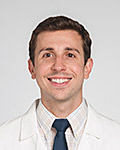
Mark Davison, MD
Undergraduate: Michigan State University
Medical School: Rush Medical College
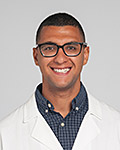
Ahmed Kashkoush, MD
Undergraduate: University of Pittsburgh
Medical School: University of Pittsburgh School of Medicine
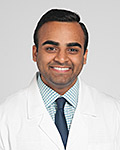
Arpan Patel, MD
Undergraduate: University of Arizona
Medical School: University of Arizona College of Medicine - Phoenix
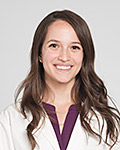
Josephine Volovetz, MD, MS
Undergraduate: Harvard College
Medical School: Cleveland Clinic Lerner College of Medicine of Case Western Reserve University
Year Six
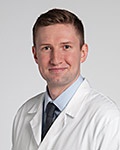
Daniel Lilly, MD
Undergraduate: St. Olaf College
Medical School: Rush Medical College
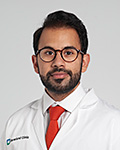
Shehryar Sheikh, MD
Undergraduate: Harvard University (Cambridge, MA)
Medical School: Cleveland Clinic Lerner College of Medicine (Cleveland, OH)
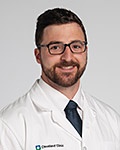
Robert Winkelman, MD
Undergraduate: Carnegie Mellon University
Medical School: Case Western Reserve University
Year Five
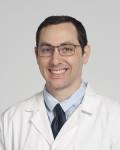
Gregory Glauser, MD
Undergraduate: Pennsylvania State University
Medical School: Temple University School of Medicine
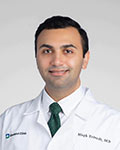
Megh Trivedi, MD
Undergraduate: Boston University
Medical School: University of Maryland School of Medicine
Year Four
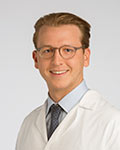
Justin Bingaman, MD
Undergraduate: The Ohio State University
Medical School: Case Western Reserve University
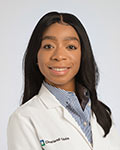
Tiffany Ejikeme, MD
Undergraduate: Duke University
Medical School: Case Western Reserve University
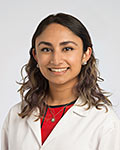
Shaarada Srivatsa, MD
Undergraduate: Washington University in St. Louis
Medical School: Case Western Reserve University
Year Three
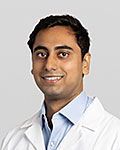
Aditya Kondajji, MD
Undergraduate: University of Texas at Austin, Austin, TX
Medical School: University Of California, Los Angeles, Geffen School Of Medicine
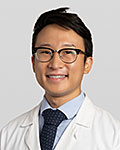
Jeffrey Nie, MD
Undergraduate: University of Illinois at Urbana-Champaign
Medical School: Southern Illinois University School of Medicine
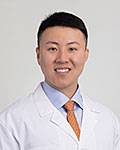
Christopher Wang, MD
Undergraduate: University of California, Berkeley
Medical School: University of South Florida College of Medicine
Year Two
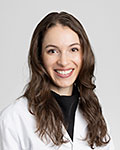
Rebecca Flessner, MD
Undergraduate: McGill University Montreal
Medical School: University of Maryland School of Medicine
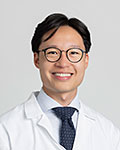
James Nie, MD
Undergraduate: University of Illinois, Urbana-Champaign
Medical School: University of Illinois College of Medicine
Year One
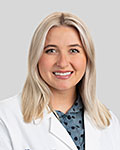
Amanda Bingaman, MD
Undergraduate: Vanderbilt University
Medical School: Temple University School of Medicine
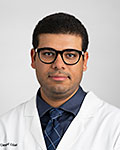
Mohamed El-Abtah, MD
Undergraduate: Harvard University
Medical School: Case Western Reserve University
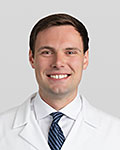
Seth Meade, MD
Undergraduate: Case Western Reserve University
Medical School: Cleveland Clinic Lerner College of Medicine
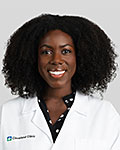
Mareshah Sowah, MD
Undergraduate: Cornell University
Medical School: University of South Carolina
Program Highlights
Cleveland Clinic has a long history of Neurosurgical training, first established in 1929 by Dr. W. James Gardner.
Cleveland Clinic is recognized in the U.S. and throughout the world for its expertise and care.
Faculty
The program is a unique, multidisciplinary, completely subspecialized arrangement. This permits resident exposure to both Neurosurgical and non-Neurosurgical expertise with more than 80 full-time neurologist and neurosurgeons. Organized into multispecialty teams, the center provides comprehensive medical and surgical care for a wide range of neurological-based concerns in adults and children, including cerebrovascular disease (stroke, aneurysms and arteriovenous malformation), epilepsy, movement disorders such as Parkinson’s disease and dystonia, metabolic disease, pituitary disorders, brain tumors and spinal concerns. The breadth of Neurosurgery is represented with programs that include Cerebrovascular/Neuroendovascular, Complex Spine, Skull base, Neuro-oncology, Pediatric/congenital/endoscopic, Functional-Restorative, Pain, Peripheral Nerve, and Epilepsy Surgery.
Faculty/Sub-Specialties
The Department of Neurological Surgery has approximately 20 surgeons on staff. As previously mentioned, the group practice is completely subspecialized. For example, all aneurysms are treated by the cerebrovascular faculty. The staff is actively engaged in basic or clinical research, with the majority having their own basic science laboratory staffed with project scientists, technicians, and/or fellows. Each faculty member has his/her own nurse clinician, nurse practitioner, or physician assistant. The nurses or physician assistants/aid the staff in their individual practice and in the clinic; they do not participate in the operating room. The Department of Neurosurgery and the Neuroscience Nursing Unit jointly employ a full-time certified nurse practitioner (CNP). The CNP role is to aid the residents in admissions, discharges, and daily inpatient management, which are performed on the neuroscience hospital floor.
Fellow and Advanced Practitioner Support
A wide-reaching group of fellows and APP’s allows support and cross-training for residents. The additional support from the APP’s allows residents to attend didactics, increases opportunities to participate in the OR and creates a collegial team effort in patient management.
Single Institution
All residency training (except two, four-month neurotrauma rotations, one at the PGY-1 level and a second at the PGY-3 level) is completed at a single institution, Cleveland Clinic.
Case Volume
Cleveland Clinic offers one of the largest Neurosurgical caseloads in the United States. Annual caseload exceeds 4,500+ surgical procedures. This permits a significant resident operative experience, beginning at the PGY-2 level. Residents at all levels typically operate four days/week, with one day spent in a subspecialty clinic specific to the rotation.
Research & Education
Two years of research are required during the PGY-5 and six years. This can be used to prepare for a life in a clinical, academic or subspecialty-focused neurosurgery. Each individual can use these years to focus on their ‘niche’ in neurosurgery. Cleveland has one of the largest and most distinct conical and research program in the United States.
Part of the resident responsibility within the neurosurgery program is to engage in teaching and mentoring of medical students. In addition, residents are given the opportunity to help create the program curriculum.
Career Development
A unique "Niche-Development" program that allows facilitation and career planning, beginning at the junior resident level, to help residents focus and plan their research and careers.
Technology
Cleveland Clinic is on the cutting edge of technology development. New and exciting innovations and technologies are continuously being implemented. Examples include state-of-the-art intraoperative robotics, neuroendovascular labs, intraoperative MRI, Gamma Knife, computer computer-assisted surgery, including navigation and neuroendoscopy.
Length of Training
Seven-years
The Internship year (PGY-1) consists of six-months of Neurosurgery, three-months of Neurology, one-month of Trauma, one-month of Neuroanesthesia and one-month of Plastic Surgery. Of the six remaining years, two are focused on research.
Resident Complement
Three residents per year are matched. Currently, the program has 21 residents.
Basic Structure
- Three chief residents are each responsible for a designated clinical service(s) for a period of four-months simultaneously.
- Residents at the PGY-2 through PGY-4 levels will rotate through the seven clinical services:
- Spine
- Cerebrovascular/Endovascular
- Functional
- Neuro-oncology (tumor)/Skull base
- Pediatrics
- Epilepsy
- Radiosurgery
- During the PGY-3 year, a resident will rotate through four-consecutive months at MetroHealth Medial Center (the only regional level-one trauma center). The PGY-5 and PGY-6 years are spent doing research and/or enfolded fellowship. The PGY-7 year is the Chief (administrative) year.
Facility
The main site is Cleveland Clinic (Cleveland, Ohio). It is a 1,130 bed tertiary care, international referral facility. The secondary site is Metro Health Medical Center (Cleveland, Ohio), which is the region's only Level-1 trauma center.
On-call Responsibility
The "Night Sweeper" is a one-month rotation in which all PGY 2 and 3 residents rotate through. It covers in-house nightly call (5 p.m. - 7 a.m.) Sunday (beginning at 5 p.m.) through Friday. The result is two-three calls per month by each clinical resident. The "Night Sweeper" is a separate rotation without any daytime responsibility.
On-call Meals
- Meals are provided for the nights you are on call.
- Restaurants include:
- Main cafeteria
- Doctors Dining Room
- Starbucks
- Subway
- Table 45
Internship Rotation
The PGY-1 (Internship year) is administered by the Neurosurgery Residency Program. The rotations consist of six-months of Neurosurgery, and remaining six months to include Neuroanesthesia, Trauma (MetroHealth Health Center, Level-1 Trauma Center) , NICU and Plastic Surgery.
Approximate Case Volume
- Spine service: 2000+/year
- Neuro-oncology service (Brain Tumor/Skull base): 650+/year and 300+/yr gamma knife cases
- Functional service: 500+/year
- Pediatric service: 150+/year (does not include hydrocephalus cases)
- Epilepsy service: 200+/year (dedicated surgical epilepsy cases)
- Vascular service: 230+/year aneurysms/year (coils and clips)
- Neuroendovascular procedures: 400+/year
- Neurocognitive procedures: 250+/year
In 2007, residents assisted approximately 3,000+ cases. As one can see, there are more than enough cases for each resident. Cleveland Clinic is unique in the breadth of Neurosurgery as represented by its faculty. Cleveland Clinic is a tertiary and international referral center and attracts a wide variety and complexity of cases.
Intensive Care Units
Dedicated Neurosurgical Intensive Care Unit and a dedicated Neurosurgical Step-down Care Unit staffed by three full-time Neuro-Intensivists. Neurosurgery patients are cared for on a Neuroscience nursing floor by Neuroscience nurses.
Weekly Conferences and Meetings
In addition to various weekly conferences, a newly developed didactic lecture series occurs offers protected time for board review, faculty lectures, journal club, resident lectures, resident meetings and skills based lab off site at our Lutheran Hospital spine lab.
Benefits
Partial coverage for health and dental insurance are provided. Disability insurance is also included. Scrubs and white coats are provided free of charge. A book fund allowance is provided by the department to all neurosurgery residents. Surgical Loupes are also provided (one-time purchase) for each resident during his/her PGY-1 year. Residents are able to attend one conference if presenting each year funded by Graduate Medical Education (up to $1500.00). The Neurological Institute will fund any conference in which the resident presents clinical or basic research with advanced program approval.
Cleveland Clinic offers a Health Fitness Center on campus at employee-reduced rates. The on-campus Library is open seven days/week. References include 8000+ clinical texts, 900+ journals. Study rooms and computer lab are also available.
Cleveland
Cleveland Clinic is located within five minutes of downtown, 10 – 15 minutes from the eastern suburbs and 20 – 30 minutes from most western suburbs (includes airport). Cleveland represents a city that is growing and is an exciting area for young professionals to live. Cleveland has the largest performing arts center in the world outside of New York City. We are fortunate to have University Circle with several museums within walking distance of each other, including the Cleveland Museum of Art. Cleveland is the home of The Rock and Roll Hall of Fame and Museum. The well-known Cleveland Orchestra plays at Severance Hall, which is located only one mile from Cleveland Clinic. We have one of the best park systems in the countries National Park & Recreation Association. Cleveland Browns ‘Fans’ are #1 in pro football and Progressive Field is ranked the #3 ballpark in major league baseball.
Living in Cleveland
Cleveland, a mid-sized city located on Lake Erie, features a host of cultural attractions, recreational activities, major sporting events and an exploding culinary scene. Cleveland is home to the second largest theater district in the U.S., a park system featuring 23,700 acres in 18 reservations, and is the birthplace of rock ’n’ roll, home to the Rock ‘n’ Roll Hall of Fame and Museum. Cleveland Clinic is located near the University Circle area, which is the cultural epicenter of Cleveland. This area features Severance Hall and the world-renowned Cleveland Orchestra, the Cleveland Museum of Art, several other museums, and Case Western Reserve University. Downtown Cleveland, home to all major sports venues and an exploding culinary scene, is approximately two miles from Cleveland Clinic’s main campus.
