


Program Structure
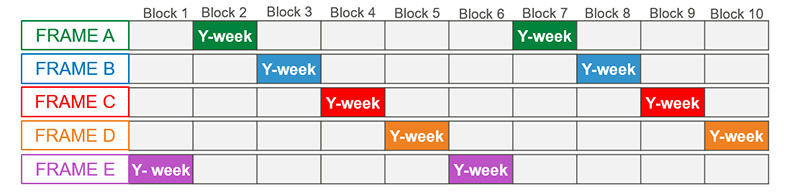
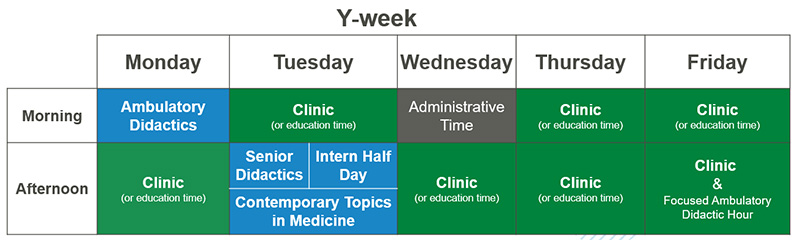
All residents in the Cleveland Clinic Internal Medicine Residency Program rotate in X+Y fashion, on a 4+1 schedule. The four “X” weeks are composed of inpatient, consult, elective ambulatory subspecialty, and research rotations, followed by one “Y” week of longitudinal clinic*.
Rotations during the “X” weeks are primarily at the Cleveland Clinic Main Campus, the major tertiary and quaternary care site of the enterprise. During “Y” weeks, residents serve as primary care physicians for patients who have different experiences and needs and across the Northeast Ohio community at one of 10 longitudinal clinic sites, including the VA.
The majority of our residents are part of the traditional Categorical Track. For those seeking specific clinical or educational experiences, our program offers five specialized tracks. Please note that applicants may match into the Categorical, Clinician Educator, Primary Care, and VA tracks. The Clinical Scholars Program and Hospital Medicine tracks are opportunities that Categorical residents may apply into during their training.
Residents from all tracks have a robust array of inpatient, consult, ambulatory, research, and primary care experiences, participate in standardized curricular and scholarly activities, and find success in the career paths of their choice. We welcome you to continue to explore our website to learn more.
VA Track structure follows 4+1 structure similar to preliminary residents while not on VA blocks.
ABIM Track (NMRP Code 1968140C5): Designed for those interested in pursuing a career as a physician scientist. Residents in this tract have a 2-year internal medicine training, potentially followed by a CCF fellowship. Learn more about the ABIM Tract structure.
AI and Innovation Track: Designed for residents with an interest in clinical informatics and the use of artificial intelligence in medicine, this track provides clinical rotations with the CCF and Epic specialists in informatics and AI. Residents will also participate in their own QI and AI research projects.
Categorical Track (NRMP Code 1968140C0): Designed for those seeking the traditional residency program structure, as outlined above. As mentioned previously, schedules include immersive inpatient, consult, ambulatory, research, and longitudinal clinic experiences over the course of their three years. Learn more about the Categorical Track structure.
Clinician-Educator Track (NRMP Code 1968140C1):Designed for residents interested in pursuing careers in academic medicine, with a focus on medical education. This track promotes the acquisition of skills needed to effectively teach and assess learners, develop new curricula, and disseminate scholarly work. Learn more about the Clinician-Educator Track structure.
Clinical Scholars Program (CLINSCHOP) Track: Designed for Categorical Residents interested in careers in academic medicine, CLINSCHOP provides a 4-month block of dedicated time for research and coursework related to developing the clinician-scholar. Learn more about the Clinical Scholars Program Track structure.
This track is available for categorical residents to apply to during their PGY1 year.
Hospital Medicine Track: Designed for Categorical Residents interested in hospital leadership and inpatient-focused careers, this track dedicates its 2-month curriculum to unique hospital-focused clinical and educational activities. Interested residents are selected into this track, which is incorporated into the PGY-2 and PGY-3, during their PGY-1 year. Learn more about the Hospital Medicine Track structure.
This track is available for categorical residents to apply to during their PGY1 year.
Primary Care Track: Designed for Categorical Residents who wish to practice ambulatory medicine, both in the community and academic settings. This track allots additional ambulatory experiences, opportunities to participate in dedicated practice improvement projects, and learn about unique models of care. Learn more about the Primary Care Track structure.
This track is available for categorical residents to apply to during their PGY1 year.
VA Track (NRMP Code 1968140C2): Designed for residents who are interested in healthcare systems, quality improvement, patient safety, and interprofessional collaboration, the VA Center of Excellence Track offers unique opportunity to earn a Yellow Belt Certification in Lean Six Sigma while caring for the Veterans of Northeast Ohio. The program also provides dedicated curricula in bioethics, healthcare humanities, and hosts a customizable ambulatory experience for participating residents. Learn more about the VA Track structure.
Clinical Experience
The Cleveland Clinic Internal Medicine Residency Program allows residents to experience each of the sub-specialties of medicine in a variety of settings to help build the well-rounded internists of tomorrow. If you would like more information regarding the schedule structure and rotations available please explore the links below.
Residents not only learn from expert academic physicians, they also teach the medical students who rotate on their medicine, intensive care, subspecialty, and consult rotations. Residency programs at Cleveland Clinic have a strong relationship with Cleveland Clinic Lerner College of Medicine, Case Western Reserve University School of Medicine, and Ohio University Heritage College of Osteopathic Medicine. In addition to providing education and mentorship in the clinical setting, our residents are frequently involved with the medical students both in and adjacent to the classroom. We are proud of the teaching awards and recognition that our residents receive from medical students each year.
Community Outreach
Our residents love to have an impact on the local Cleveland community! Whether they're tackling food insecurity by organizing food drives or stocking the Cleveland Food Bank, performing screenings at local Health Fairs, biking at Velosano to raise money for cancer research, or volunteering at our Langston Hughes Women's Health Clinic, they love to make a difference. In addition, we are in the process of exploring the development of a free medical clinic specifically for unhoused patients. This initiative reflects our commitment to providing compassionate care and addressing gaps in healthcare access and quality in our community.
Curriculum/Conferences
Our innovative didactic curriculum supplements the hands-on clinical experiences that are the core of residency education. We provide engaging and interactive conference experiences that are designed for adult learners.
Resident Conferences
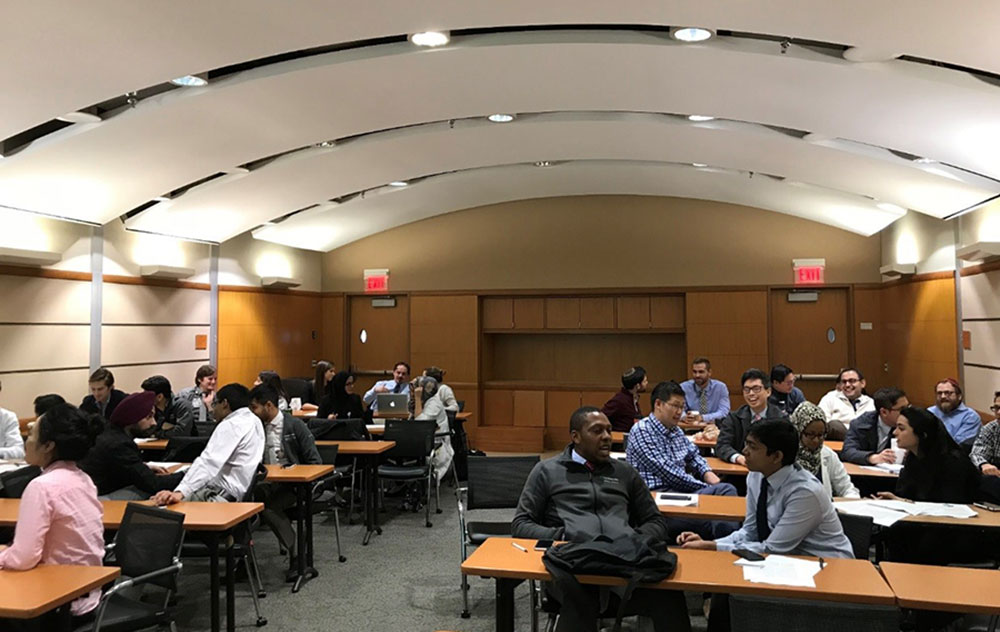
To maximize time and continuity in the clinical environment, we adopted an academic half day didactic model for our interns. We gather for three hours each week to host intern-led case conferences and teaching/workshops by our distinguished CCF faculty and fellows. This time is protected from all clinical obligations—no pages, no admissions, no patient appointments.
During longitudinal continuity clinic (LCC) week every 5 weeks, both seniors and interns have two half days of dedicated education that includes journal club, problem-based learning, skills workshops, simulation experiences, QI and ambulatory care curriculum.
Noon conferences provide additional opportunities for learning. To learn more about our conferences, explore below.
View a Sample Weekly Conference Schedule
- Esteemed Educator Series: Invited Department Chairs and Professors across all departments at CCF and Visiting Professors from around the country deliver noon lectures to our IM residents on their area of expertise and latest updates in the field.
- Clinical Reasoning Conference: A highly engaging conference series utilizing game-based instruction, interactive small-group discussion, and large group exercises to allow residents to reflect on clinical cases that highlight cognitive biases and examine how we think. Learn more about Clinical Reasoning Conference.
- Medicine Grand Rounds: Selected faculty and invited speakers provide both faculty and residents with updates and expertise in medicine and its subspecialties.
- Morbidity & Mortality Conference: M&M examines adverse patient outcomes to identify areas of improvement within a safe and supportive environment with the goal of improving patient outcomes.
- Journal Club: Distinguished experts review the latest literature and clinical trials. Our faculty lead discussions on investigational methods as residents design their own ideal study as a group. Finally, we review and discuss the published article to see how it stacks up.
- Intern Survival Series: A favorite for the first three months of intern year, academic half day is a dedicated crash course in inpatient medicine to kick off residency, including inpatient emergencies, common complaints, diagnostic interpretation, and the famed MICU boot camp.
- Skill Workshops: Residents hone skills with rapid fire workshops including placement of peripheral IVs/central lines, practice of office-based procedures, simulation scenarios with high-fidelity mannequins, and more.
- Board Review: In the spring we begin board review series on Tuesdays where faculty cover high yield pearls and tips for the ABIM exam.
- Mock Codes: During lighter rotations residents are called to simulation code scenarios throughout the hospital to work on practicing ACLS skills and management of commonly encountered high-acuity situations while on the wards.
Longitudinal Educational Experiences
- Contemporary Topics in Medicine: Contemporary topics in medicine is an innovative and meaningful component of the curriculum. This educational experience facilitates professional identity, hones leadership skills, and highlights the importance of humanism in medicine. We believe that learning does not happen in a vacuum. Hence, we equip residents with the skills to become effective clinician educators and word class physicians who value a holistic approach to patient care.
- Modified Problem-Based Learning: PBL’s focus is on resident-directed learning objectives derived from a clinical case in the presence of a multidisciplinary team of experts. The learning is resident led with faculty facilitation focused on building on the resident’s knowledge and skills. Learn more about Modified PBLs.
- Career Development: Residents learn how to find mentors and explore career paths as they prepare for job or fellowship applications. We provide CV review, mock interviews, personal statement workshops, fellowship director panels and more.
- Quality Improvement Curriculum: In the intern and second year, residents participate in a longitudinal, experiential quality improvement (QI) curriculum. Our residents learn QI methodology while working on quality improvement projects, largely focused in the ambulatory setting. Residents achieve excellent scholarship from this experience, including poster and oral presentations at local, regional and national meetings. Residents also have the opportunity to go through a 1-week Quality and Patient Safety elective where they discuss QI scholarship via journal clubs, learn about Root Cause Analysis (RCA), and then perform an RCA based on a real safety event at the Cleveland Clinic.
Embedded Curriculum
All inpatient rotations and most consult rotations have their own resident-specific conference series to deliver timely, high-yield topics to small groups of residents on service. On additional clinic and consult electives, our residents are invited and encouraged to attend subspecialty teaching conferences with fellows and faculty.
Fellowship Match & Post Graduate Plans
Graduates of our program remain competitive in fellowship and job application.
2024 Fellowship Match
Cardiology (19)
- Cleveland Clinic Foundation (2)
- Baylor College of Medicine
- Boston University
- Case Western/UH (2)
- Henry Ford (2)
- Montefiore (2)
- Northwell NSLIJ
- Ohio State University
- Rutgers NJMS
- Rutgers RWJ
- Tufts
- Tulane
- UCLA
- USC
- Vanderbilt
Gastroenterology (6)
- Cleveland Clinic Foundation
- Baylor University Medical Center
- Cleveland Clinic Florida
- Geisinger
- Oregon Health & Sciences
- University of Wisconsin
Palliative Medicine (1)
- Memorial Sloan Kettering
Hematology/Oncology (11)
- Houston Methodist
- Mayo Clinic Rochester (2)
- Stony Brook
- Trinity Health Michigan
- UPMC
- University of Miami (2)
- University of Texas
- Vanderbilt
- Wayne State University/DMC
Endocrinology (1)
- UPenn
- Pulmonary/Critical Care (1)
- Cleveland Clinic Foundation
Nephrology (1)
- UPenn
Infectious Disease (3)
- Emory
- Mayo Clinic – Rochester
- Washington University St. Louis
Post Graduate Employment, Non-Fellowship
Primary Care (3)
- Cleveland Clinic (3)
- Cleveland Clinic Florida Family Health Center
- University of Colorado
Hospital Medicine (4)
- Cleveland Clinic (5)
- Haywood Regional Medical Center
- Mayo Clinic – Rochester
- University of California Los Angeles
View the Fellowship Match Archive
View ArchiveResearch/Scholarly Activity
Scholarly Activity is a cornerstone of Cleveland Clinic's mission and an integral part of each internal medicine resident's clinical training.
We offer a robust scholarly activity program with research support and didactics which culminates in national presentations, publications, and awards.
You may read more about the scholarly activity program, research support, lectures, or annual poster session at the links below.
- Overview of Scholarly Activity Program
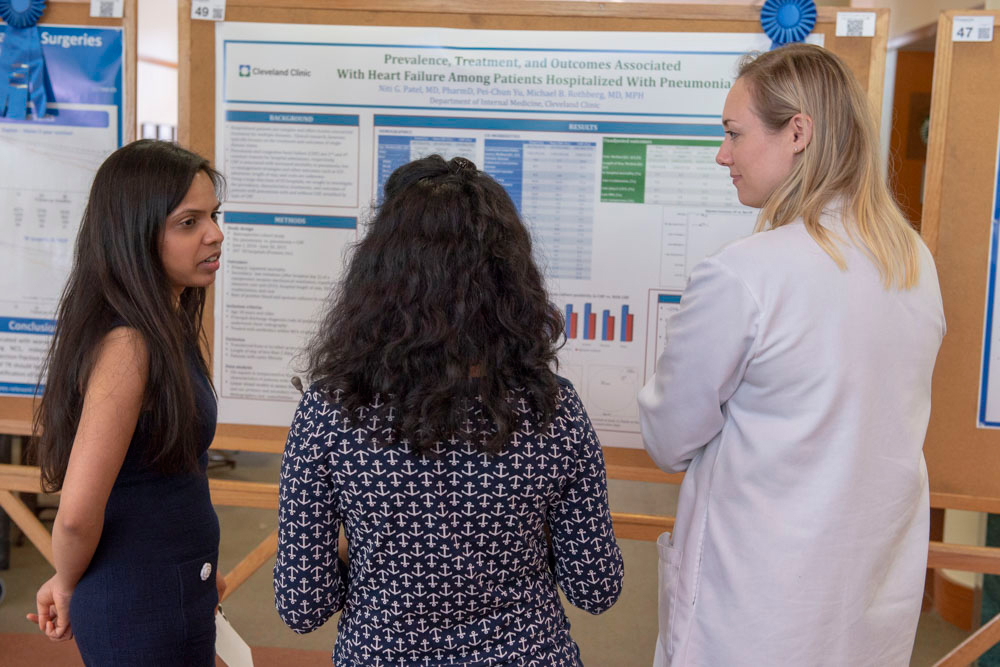
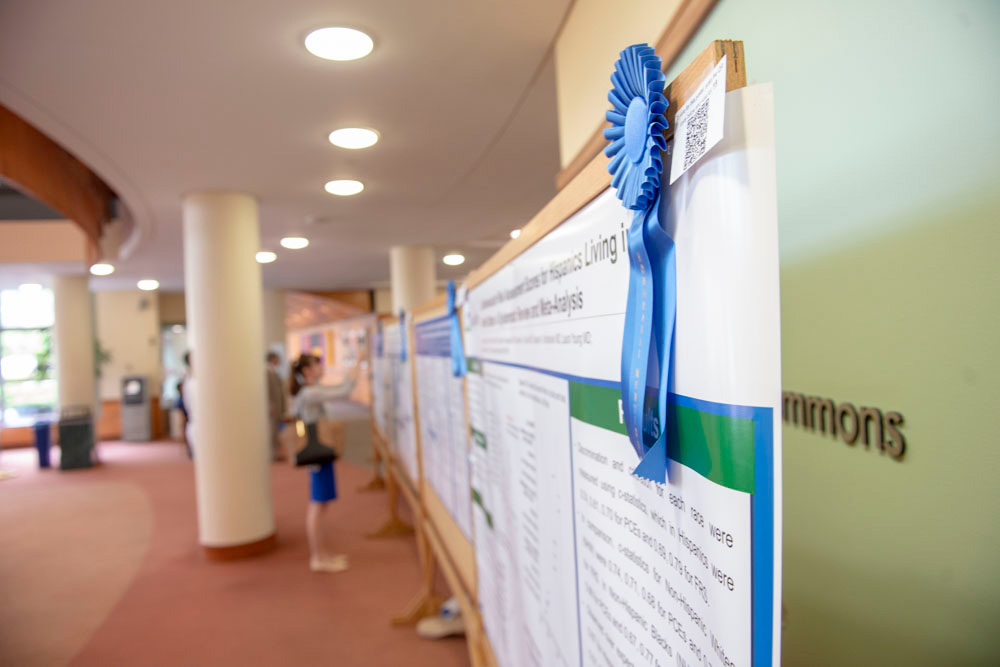
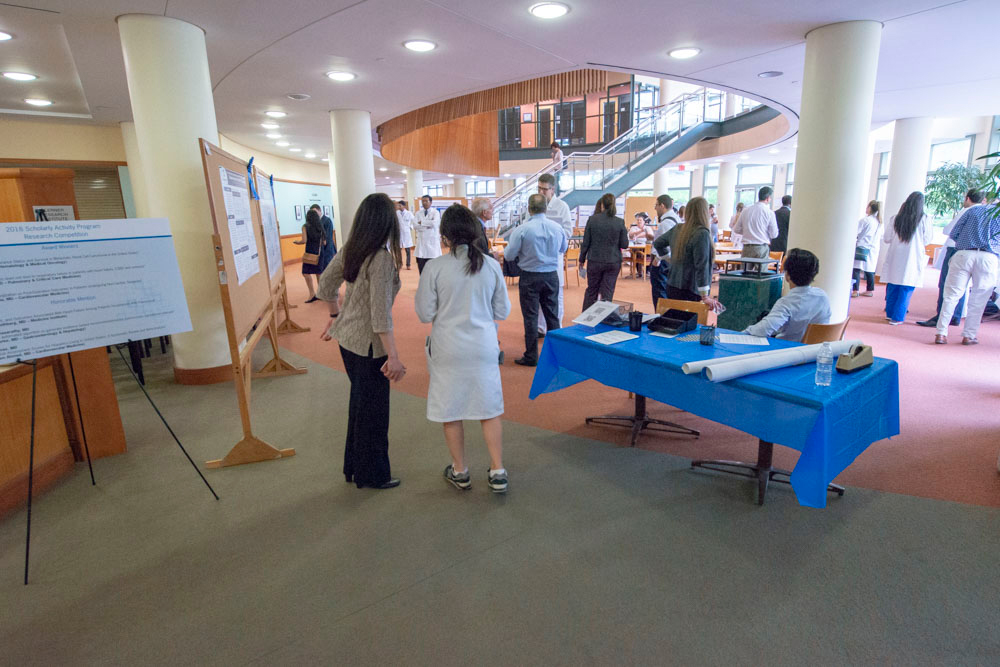
- Annual Resident Research Poster Session
- Scholarly Activity Lecture Series
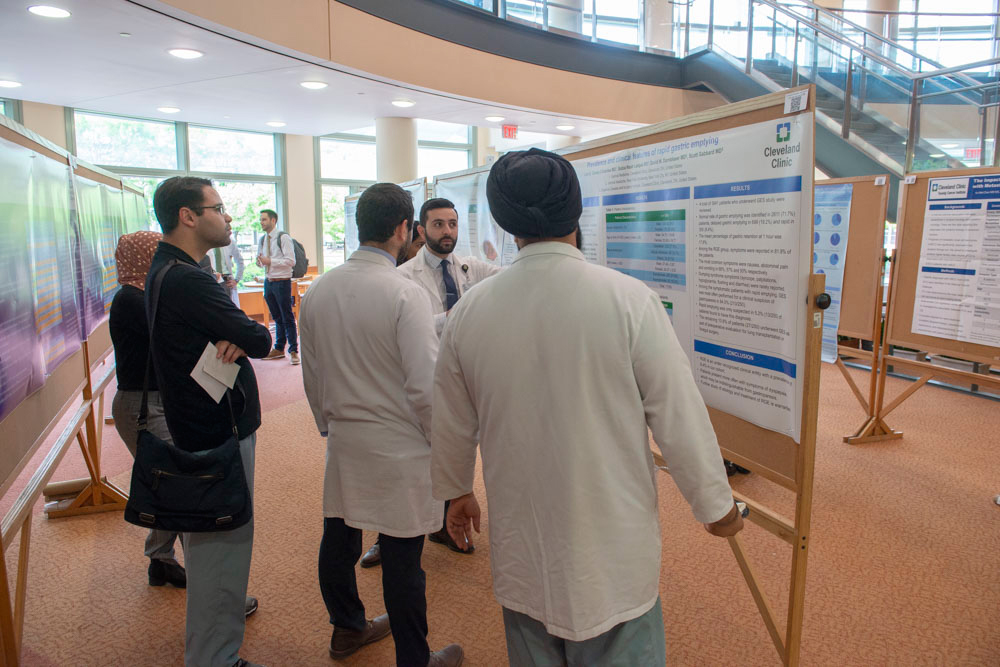
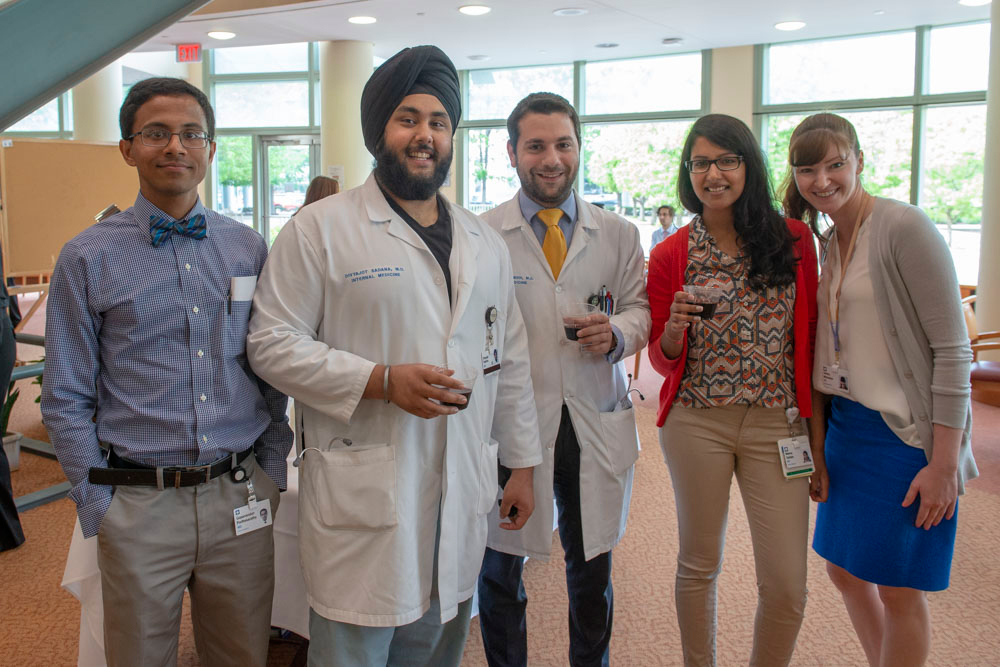
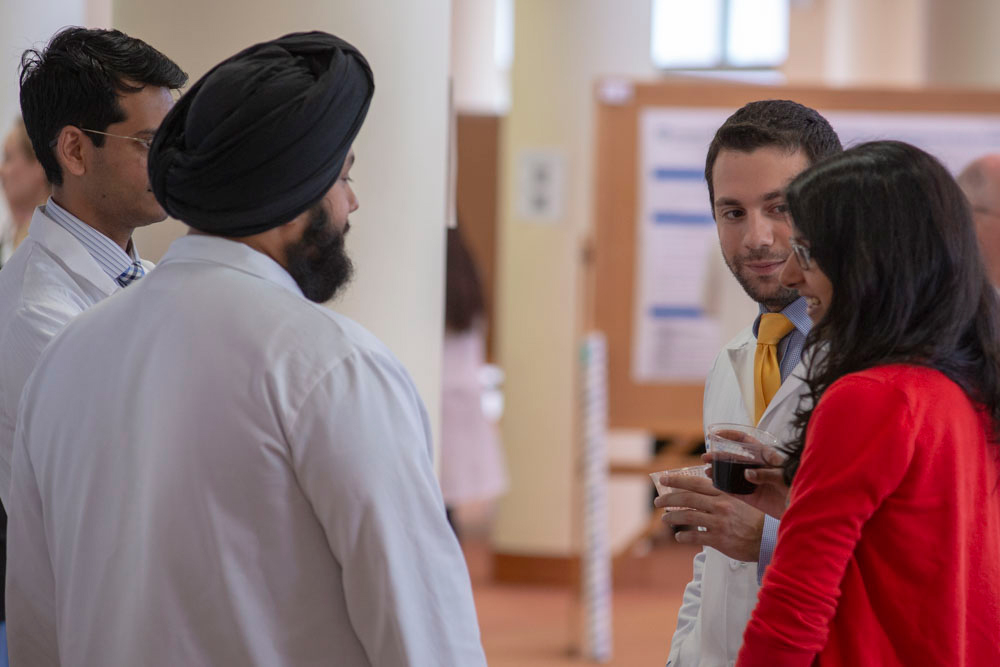
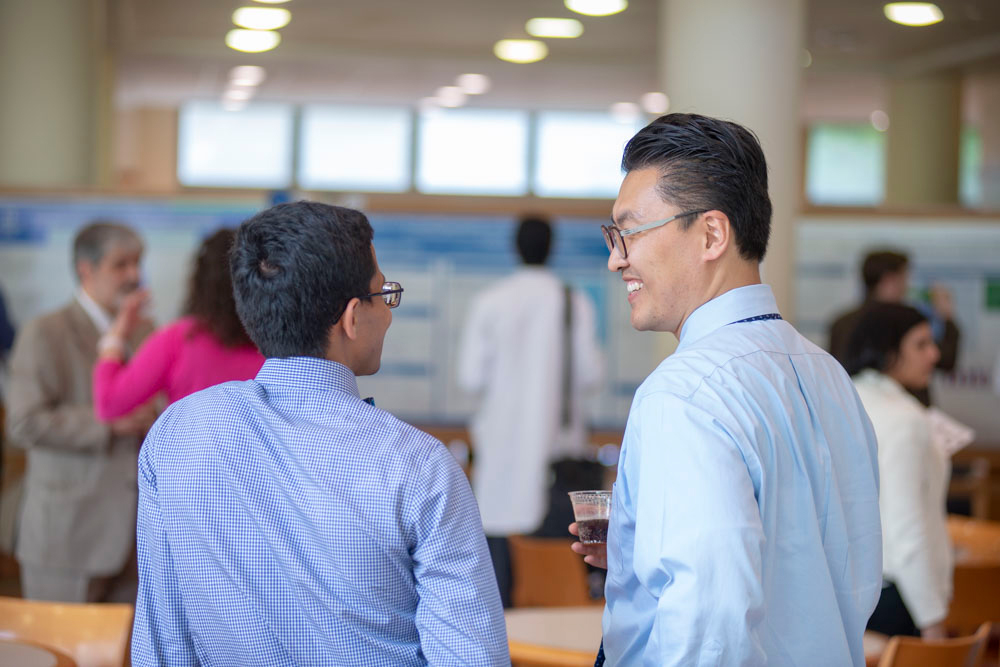
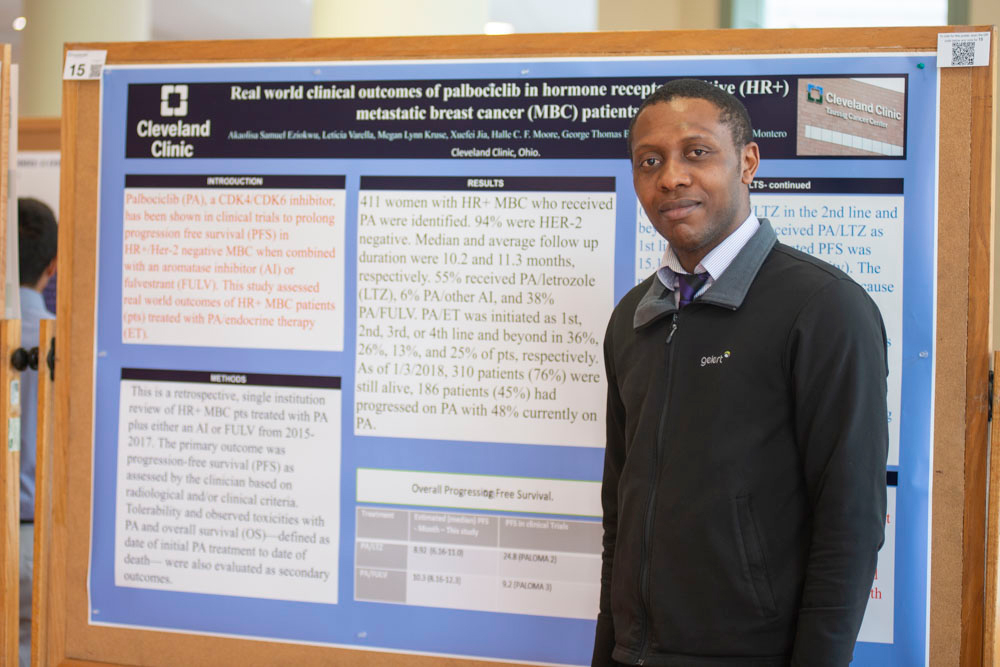
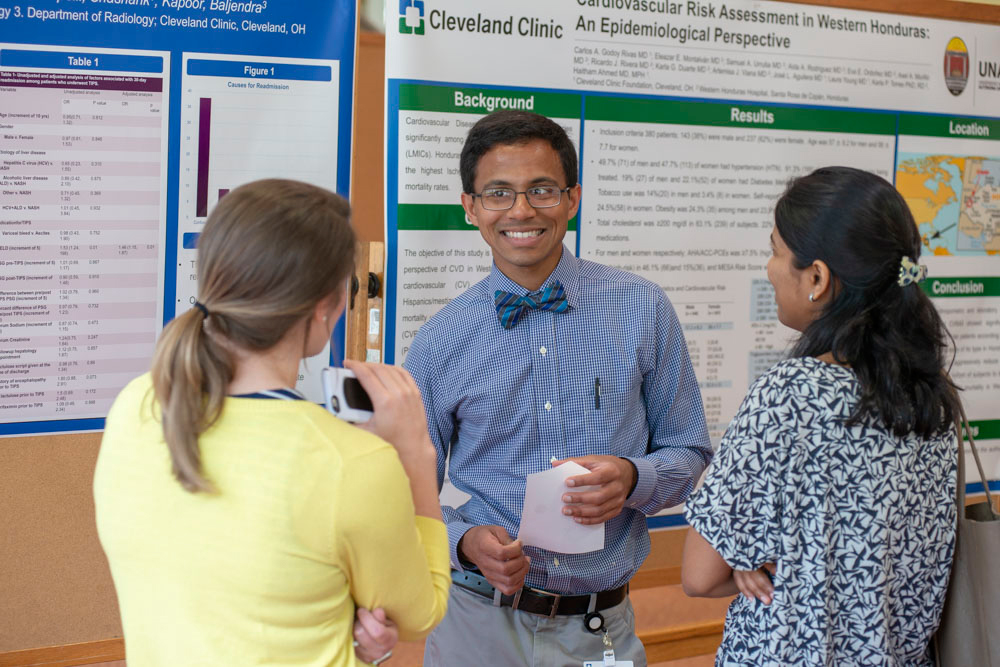
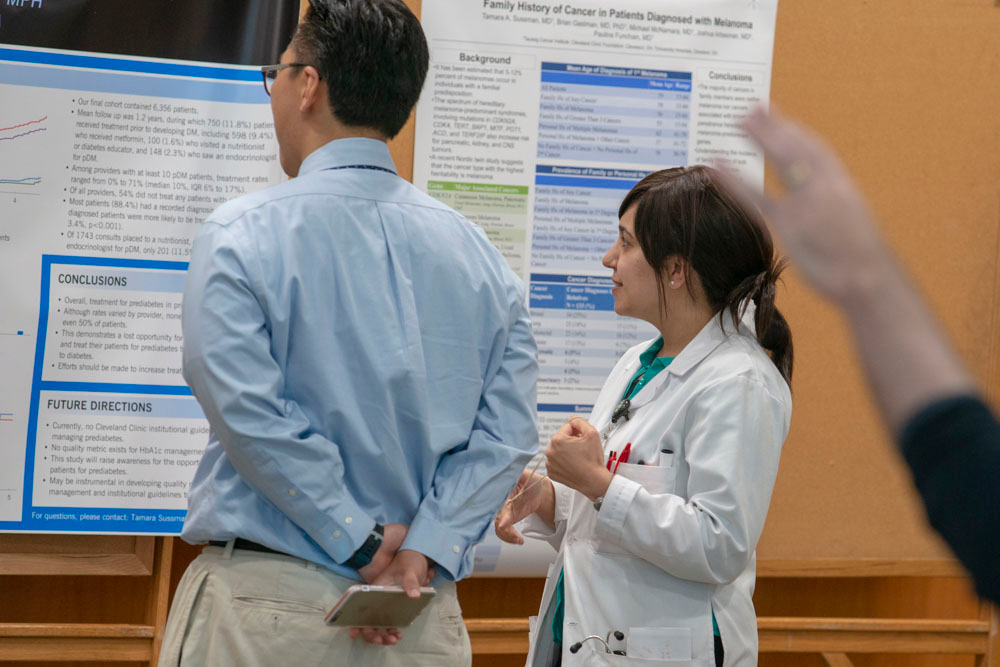
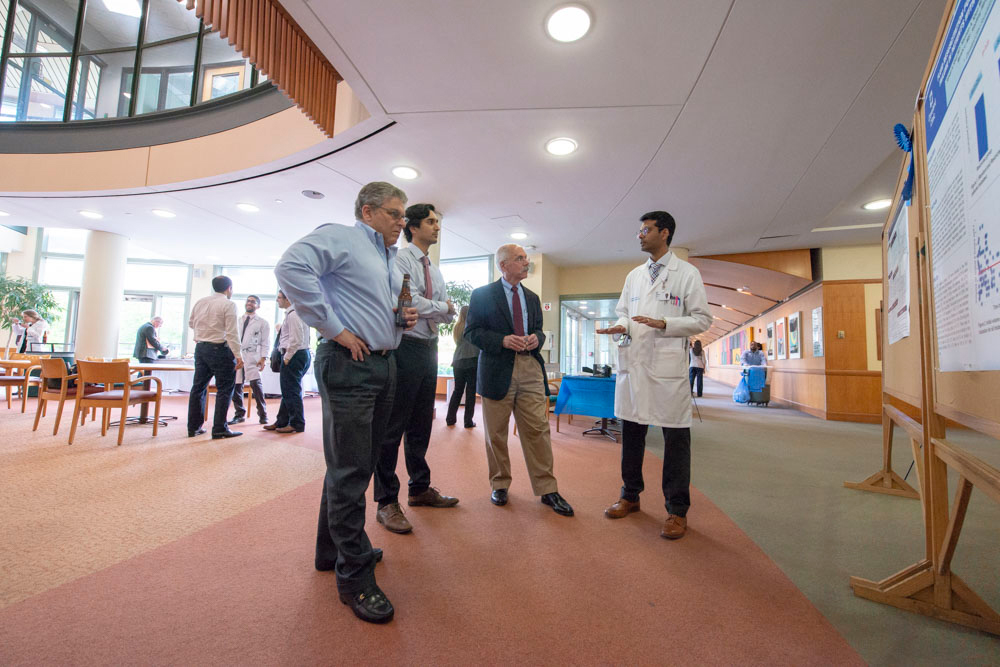
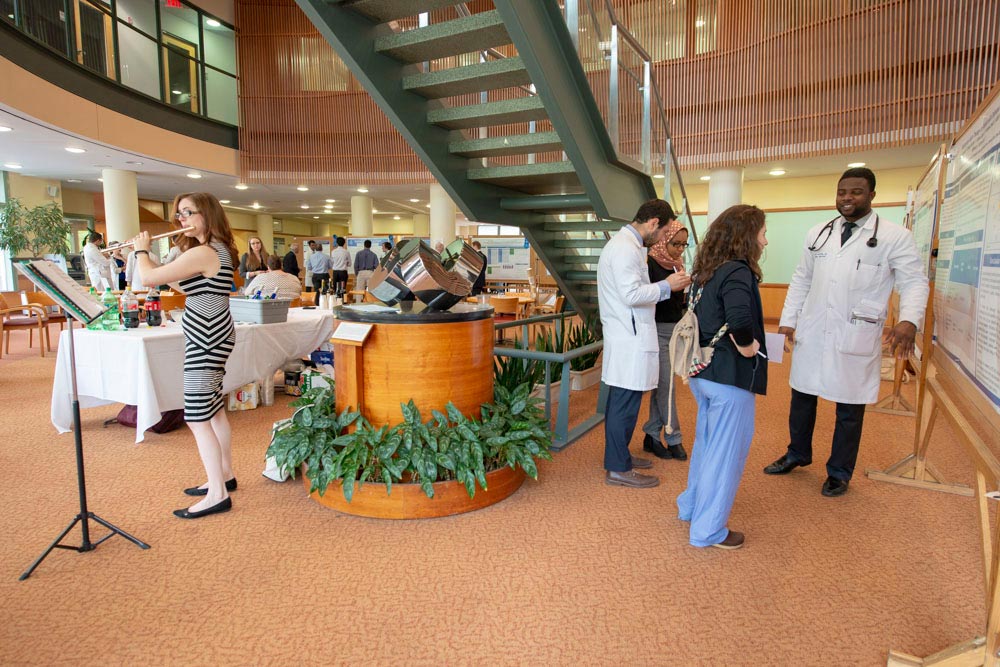
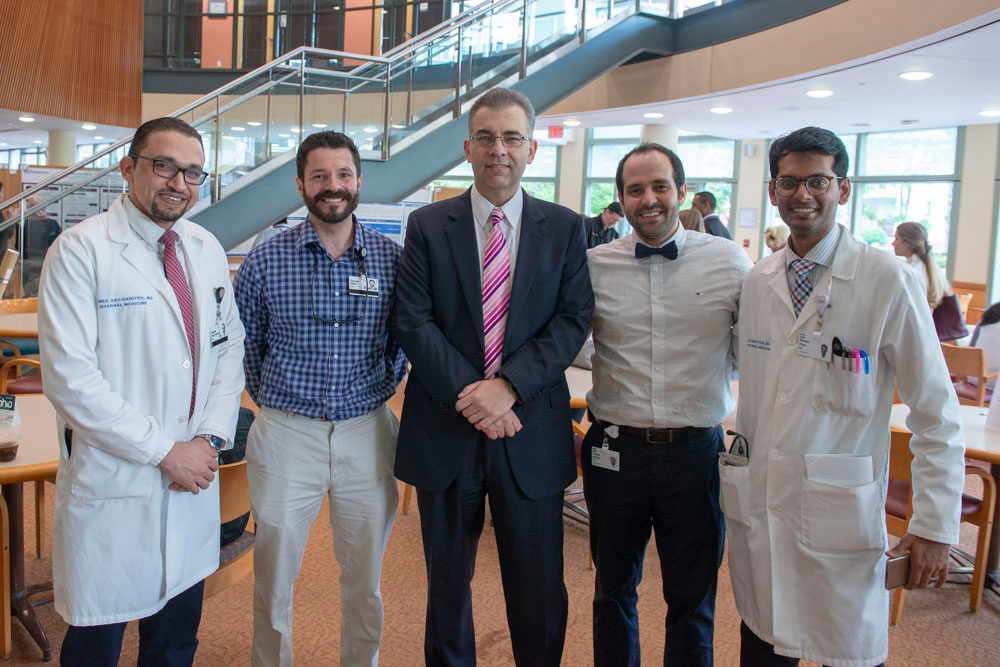
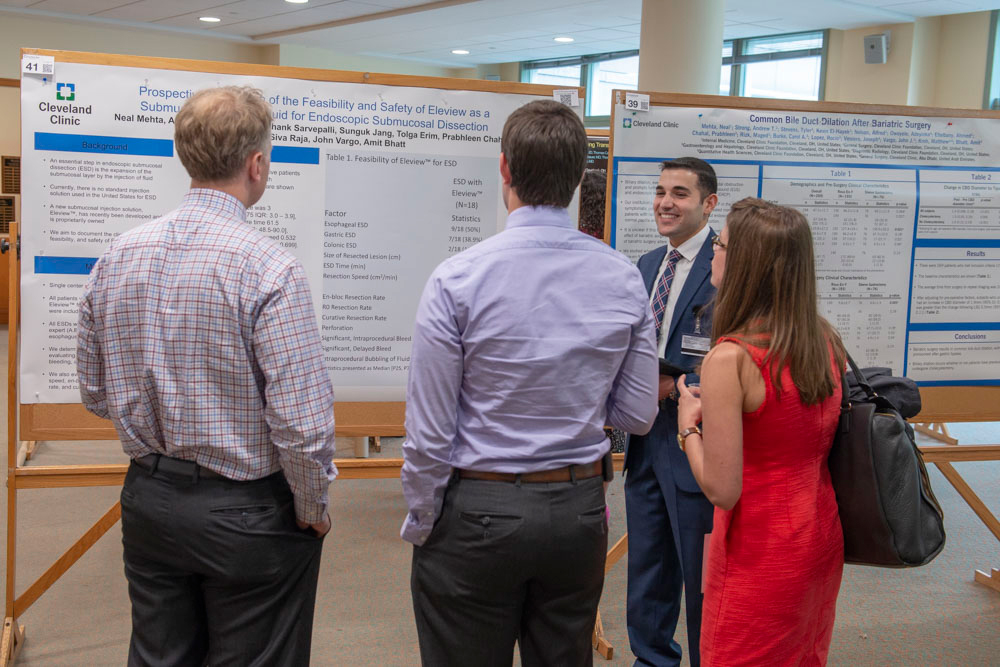
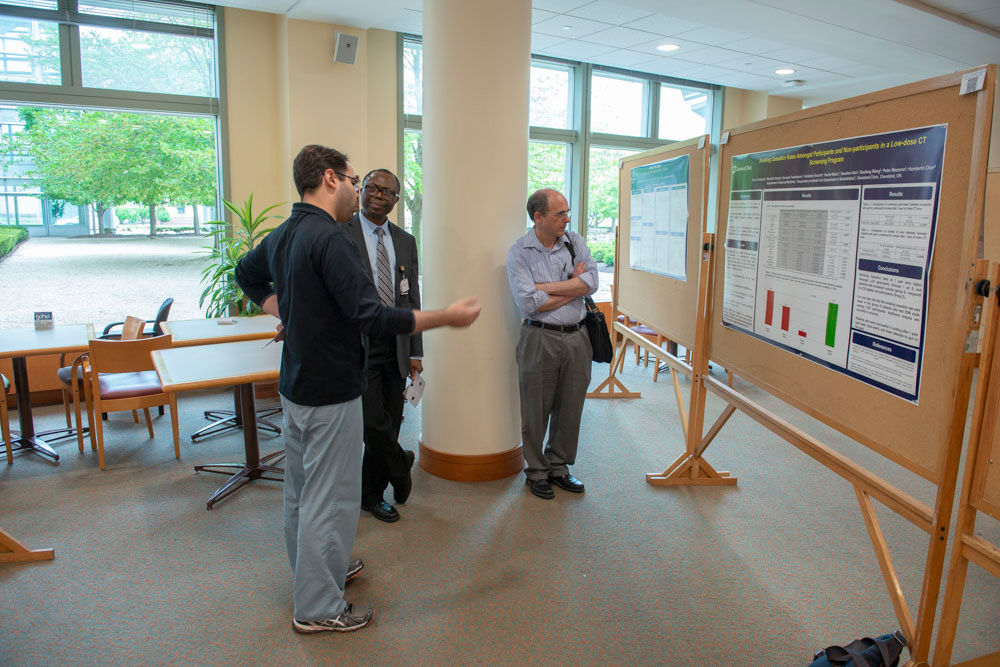
Annual Cleveland Clinic Internal Medicine Resident Scholarly Activity Day and Reception for Poster Presentations
1 of 15-
Honorable Mention Winner Presenting
-
Posters
-
Residents at Poster Session
-
Residents Together
-
Residents in Conversation
-
Resident and APD
-
Resident With His Poster
-
Resident Presenting to Colleagues
-
Resident Presenting to APD
-
Staff and Residents at Poster Session
-
Poster Session
-
APD and Residents
-
Staff Enjoying a Poster Presentation
-
Poster Presentation
-
Poster Session

Wellness
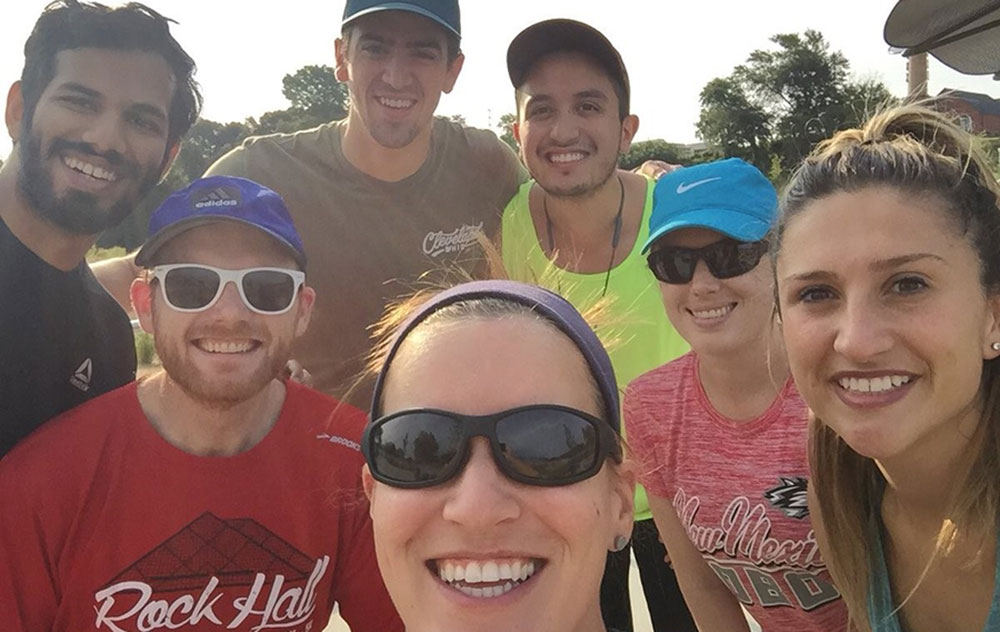
Improving and enhancing the wellness and well-being of our internal medicine residents is a priority of our residency program. We aim to ensure residents have the best possible support for avoiding burnout and depression, while enhancing work-life balance and career satisfaction. We strive to be a community which supports a culture of physical, emotional, social, and professional wellbeing. This involves fostering connections not only with our patients, but also with each other.
Current Initiatives
Physical Wellbeing
- There are multiple fitness centers that residents get free access to as a part of their training, including one on main campus within easy walking distance to the hospital.
- We work to ensure every resident has an easy way to sign up for a primary care physician in a location that works for them.
Emotional Wellbeing
- We provide an early introduction to our Caring for Caregivers resources, which can help with personal and work-related stresses in a compassionate and confidential way.
- Since the COVID19 pandemic, we have enhanced access to “boost” appointments, virtual psychiatry and more.
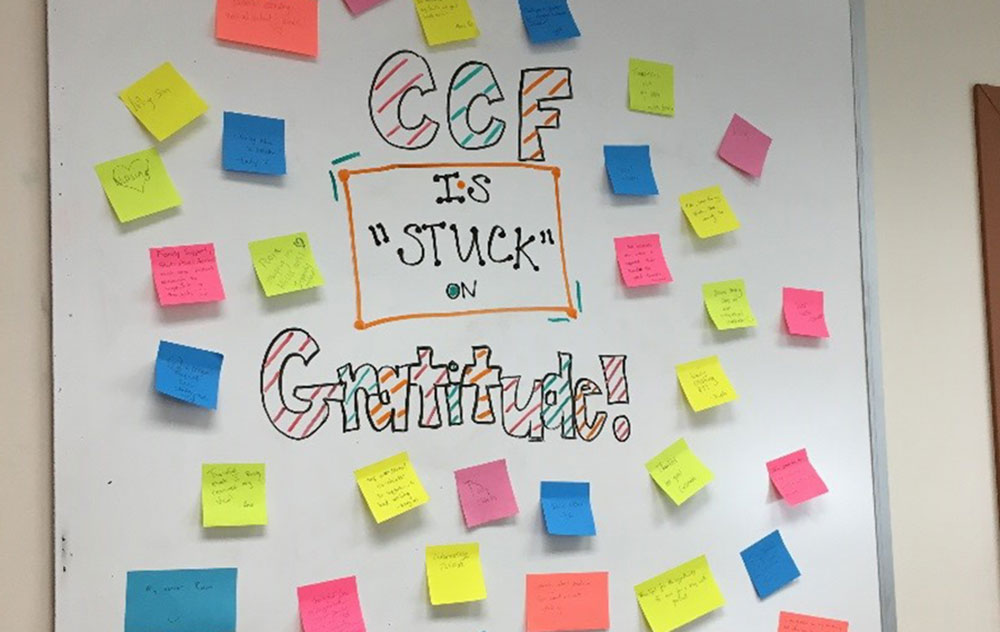
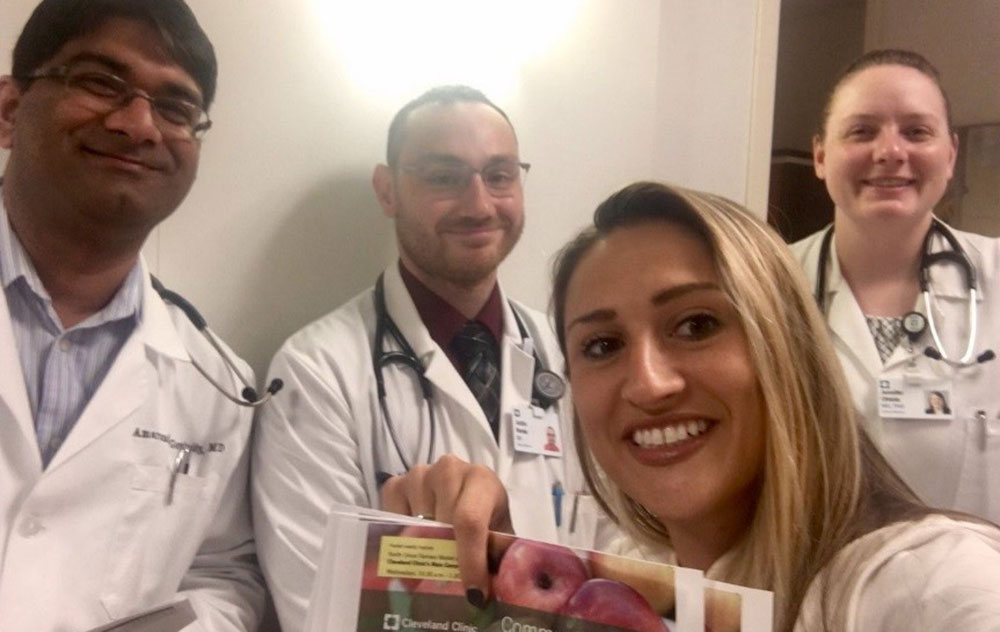
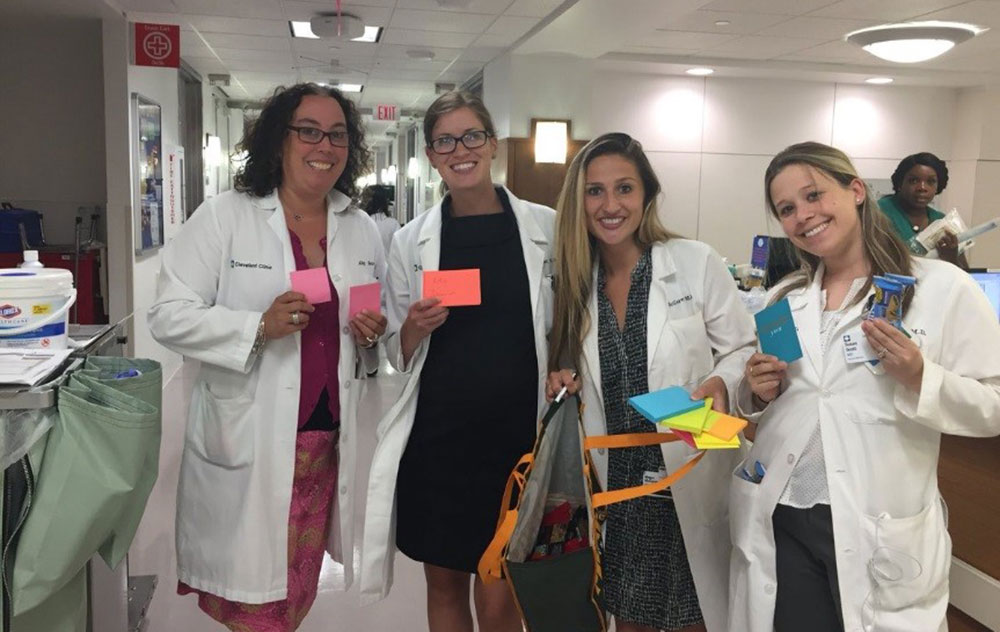
- We create opportunities to share gratitude and support for fellow residents and teams within the clinic.
Professional Wellbeing
- We provide representation on institute and hospital committees to continue to grow the culture of wellness and advocate for residents at every level.
Social Wellbeing
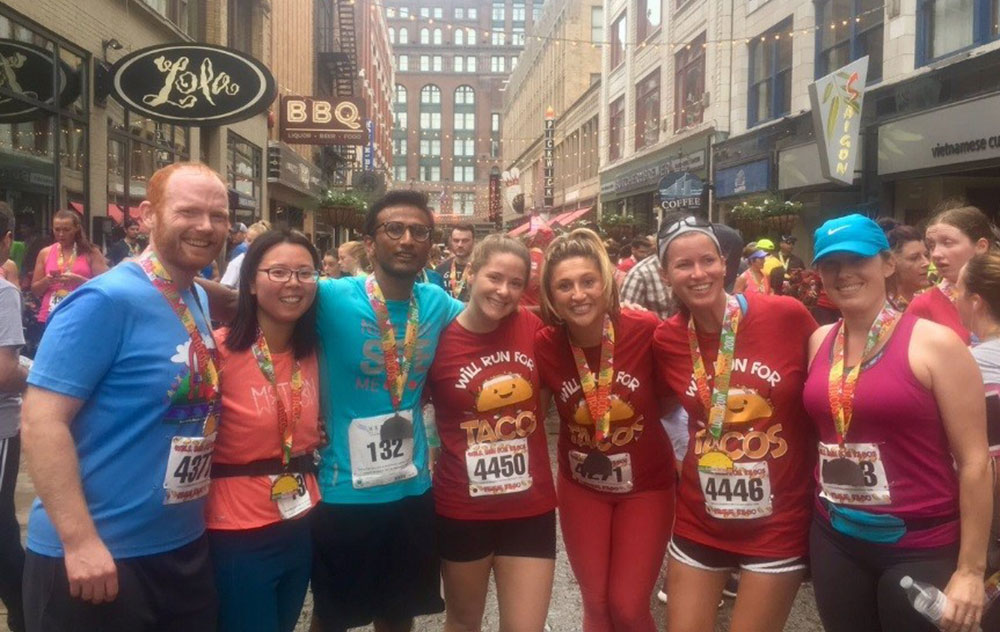
- We develop a community encouraging friendships and collegiality based upon open communication, mutual care and support.
Wellness App
To help bring everything together in one place and ensure that all residents are aware of the resources and events, we have also built a Wellness App, which acts as a hub of knowledge to share all that is available.
-
Physical Wellbeing
-
Physical Wellbeing
-
Emotional Wellbeing
-
Emotional Wellbeing
-
Professional Wellbeing
-
Professional Wellbeing
-
Social Wellbeing
-
Social Wellbeing
-
Social Wellbeing
ABIM Track
Educational Purpose
The purpose of offering the ABIM Research Pathway is to ensure the structured and intentional development of physician-scientists who are uniquely equipped to bridge the gap between clinical practice and biomedical research. This pathway addresses the growing need for leaders in academic medicine who can translate scientific discoveries into improved patient care, by providing a rigorous, integrated training experience that balances comprehensive clinical training with protected, mentored research time. We interview highly qualified final year medical students and recent medical graduates for this pathway. We generally do not permit transfer into this pathway if an applicant has already matched into the categorical residency program at Cleveland Clinic. At the time of application, it is very important that applicants inform us well before interviewing the subspecialty fellowship of interest as well as potential research laboratories they may like to explore.
By streamlining the training process and reducing redundancy between residency and fellowship, the pathway accelerates the career trajectory of aspiring physician-scientists, enabling them to contribute to scientific innovation earlier in their careers. Most residents will commence clinical fellowship training in the PGY3 year. The structure of training for ABIM research pathway enrollees resembles traditional 3-year categorical graduates. However, the ABIM specifies the minimum duration of clinical training for ABIM research pathway enrollees from 12 months to 24 months (cardiovascular medicine only).
Research training is anchored by the formal identification of a research laboratory and mentor, typically during the residency and clinical fellowship years, where the trainee must complete a minimum of three years of mentored research to satisfy ABIM subspecialty examination eligibility. The research lab must have enduring resources for the candidate to complete a meaningful mentored experience that includes a robust environment for scientific development, including access to resources, a track record of mentorship, and alignment with the trainee’s research interests.
During the research phase, a weekly ½ day continuity clinic is an absolute requirement and may not be substituted by other clinical duties that shall not exceed 20% total effort in an average week as prescribed by the ABIM. Specific requirements of the program as well as the duration of each subspecialty clinical fellowship can be found here: https://www.abim.org/certification/policies/careers-in-basic-science-or-clinical-research/
Assessment Summary
Continuous clinical assessment is conducted by the residency program Clinical Competency Committee (CCC), which evaluates the trainee’s performance across ACGME core competencies to determine readiness for early transition to subspecialty fellowship training by the end of the PGY2 year. This is one year earlier than categorical residents. This ensures that despite the accelerated timeline in general medicine training, the trainee meets all clinical benchmarks for safe and independent practice.
Oversight is provided by a designated Director of the ABIM Research Pathway, who meets with each trainee to monitor progress toward both clinical and research milestones. These meetings serve as checkpoints to ensure the trainee is on track for scholarly productivity, grant submissions (e.g., NIH K awards), and eventual transition to faculty roles, including preparation for job talks and recruitment visits. This tripartite structure ensures that trainees in the ABIM Research Pathway at Cleveland Clinic receive the guidance, evaluation, and support necessary to thrive as future leaders in academic medicine.
Career Development
As a leading clinical and research organization, the Cleveland Clinic is firmly committed to launching the career of physician scientists. There are ample resources available to assist in grant writing, and instruction in launching an independent research program. It is anticipated toward the end of the ABIM research pathway experience that enrollees will be ready to apply for career development grants, for example through the NIH (K08, K23, K99/R00) funding mechanisms. Several Cleveland Clinic physician scientists as well as the Program Director of the ABIM research pathway personally navigated the K-series to R-series NIH funding transition and now serve as mentors to physicians through the K08 and K99/R00 career development funding mechanisms. In addition, they routinely serve as grant reviewers for those finding mechanisms. In addition, some our Staff were past awardees or evaluators of the NIH Loan Repayment Program (LRP) Award for physician scientists: https://www.nimh.nih.gov/funding/training/nih-loan-repayment-programs
This is a distinct advantage for Cleveland Clinic mentees.
Current ABIM Research Pathway Enrollees
Darren Liu, MD is a PGY3 enrolled in the ABIM Research Pathway in Gastroenterology. He attended the University of Washington for college, and Cleveland Clinic Lerner College of Medicine of Case Western Reserve University School of Medicine for his MD and MS in Systems Biology and Bioinformatics. His research interests include gastrointestinal cancer genetics, including hereditary GI cancer syndromes and biomarker identification for early cancer detection. In his spare time, Darren enjoys playing tennis and pickleball, snowboarding, cooking, and spending time with his friends and wife.
Mark Orland, MD is a PGY5 enrolled in the ABIM Research Pathway in Internal Medicine. He attended Washington University in St. Louis for college, and University of Illinois College of Medicine at Chicago for his MD. Mark is concomitantly enrolled in the fast-track PRISM Ph.D. program at Cleveland Clinic. His research interests are in hematology and genetics, specifically examining the clonal evolution of del(20q) in myeloid neoplasms and identifying therapeutic vulnerabilities secondary to synthetic lethality. In his spare time, Mark enjoys playing bassoon for which he plays in a local symphony, hiking in the Cleveland Metroparks, and exploring different restaurants with his wife.
Sepideh Khazaie, MD is a PGY1 enrolled in the ABIM Research Pathway in Internal Medicine. She is a graduate of Kermanshah University and completed a postdoctoral fellowship in translational and clinical research at the Cleveland Clinic prior to commencing residency training. Sepideh is interested in cardiovascular medicine. Her research focuses on cardiac electrophysiology and arrhythmias, with a particular emphasis on atrial fibrillation. Outside of medicine, Sepideh enjoys reading, cooking, running, and traveling.
Omer Onur, MD is a PGY1 enrolled in the ABIM Research Pathway in Internal Medicine. He is a graduate of Uludag University and completed a postdoctoral fellowship in basic science research at the Cleveland Clinic prior to starting residency. Omer is interested in hematology/oncology. His research focuses on genomic drivers of both sporadic and hereditary cancer syndromes, using in vitro organoids and patient-derived primary tumor cultures. Outside of medicine, Omer likes playing the piano, gardening, and cycling.
Program Director
Scott J. Cameron, MD, PhD
- Section Head of Vascular Medicine
- Associate Professor of Medicine
- Cleveland Clinic Lerner College of Medicine of Case Western Reserve University
- Staff, Cardiovascular Medicine, and Hematology
- Staff, Heart, Blood, and Kidney Research
Educational Resources
- Rules and Regulations of the ABIM Research pathway: https://www.abim.org/certification/policies/research/requirements
- Career outcomes of the graduates of the American Board of Internal Medicine Research Pathway: Todd RF 3rd, Salata RA, Klotman ME, Weisfeldt ML, Katz JT, Xian SX, Hearn DP, Lipner RS. 1995-2007. Acad Med. 2013 Nov;88(11):1747-53. doi: 10.1097/ACM.0b013e3182a7f627. PMID: 24072121
- Performance of physicians trained through the research pathway in internal medicine: Lipner RS, Lelieveld C, Holmboe ES. Med. 2012 Nov;87(11):1594-9. doi: 10.1097/ACM.0b013e31826cba57. PMID: 23018324.
