


Overview
Heart failure (also called congestive heart failure) means your heart muscle is not working as well as it should. There are two kinds of heart failure — systolic and diastolic.
The types of heart failure relate to ejection fraction. Ejection fraction (EF) is the amount of blood your heart pumps every time it contracts. A normal left ventricular EF is 55% to 70%. If your EF is lower than 50%, your ventricle may be larger than normal and cannot squeeze with normal force.
Types of heart failure, based on left ventricular ejection fraction:
- Heart failure with preserved ejection fraction (HFpEF)/Diastolic failure: EF is 50% or higher. The ventricles are stiff and cannot relax enough to fully fill with blood. So, even though your left ventricle can pump blood out without a problem, less blood is available with each contraction.
- Heart failure with mildly reduced ejection fraction (HFmrEF): 41% to 49%.
- Heart failure with reduced ejection fraction (HFrEF): 40% or lower
- Heart failure with improved ejection fraction: Patients who were diagnosed with HFrEF and, with treatment, have an EF of 41% or higher
Some patients have features of both heart failure with reduced and preserved ejection fraction. This combination is most common in older patients.
If you have heart failure, your treatment plan should be designed to help prevent your condition from getting worse, control your symptoms and help you have the best quality of life possible. A multidisciplinary team of caregivers who specialize in heart failure can provide advanced treatment therapies to patients with the condition.
The George M. and Linda H. Kaufman Center for Heart Failure Treatment and Recovery is one of the premier facilities in the United States for heart failure treatment. The Cleveland Clinic Heart Failure and Transplant Cardiology Section is a global leader and innovator in advanced heart failure care, and the premier program for referring physicians and patients seeking world-class heart failure care
As of 2025, we have 23 advanced heart failure and transplant cardiologists on our team, as well as five cardiothoracic surgeons with expertise in heart transplantation and ventricular assist devices. We are committed to ensuring access to our program, and as such, four of our advanced heart failure cardiologists are located at our regional centers: Hillcrest, Fairview, Akron General and Mercy Canton. In addition, our physicians travel to clinics in Beachwood, Independence and Twinsburg to provide advanced heart failure outpatient care in those locations.
What We Treat
The George M. and Linda H Kaufman Center for Heart Failure Treatment and Recovery team specializes in the care of patients with:
- Heart transplant
- All types of heart failure
- Heart failure with reduced ejection fraction
- Heart failure with preserved ejection fraction
- Heart failure due to cancer therapies
- Heart failure due to valve disease
- Heart failure due to arrhythmias
- Inherited disorders that cause heart failure
- Dilated cardiomyopathy
- Ischemic cardiomyopathy
- Giant cell myocarditis
- Other types of myocarditis
- Peripartum cardiomyopathy
- Restrictive cardiomyopathy
- Amyloidosis related heart failure
- Arrhythmogenic right ventricular dysplasia (ARVD)
- Hypertrophic cardiomyopathy
- Cardiac sarcoidosis
- Advanced congenital heart disease
- Cardiogenic shock
- Metabolic heart failure
Services provided for patients with heart failure
Every patient receives personalized testing and treatment to best meet their needs. Cleveland Clinic providers use the most advanced technology and research to ensure the highest level of care.
Our doctors make sure patients are taking the correct types and amounts of medications needed to keep their heart failure from getting worse, avoid hospitalization and reduce their risk of dying. Our nurses, dietitians and cardiac rehabilitation team help patients understand and plan their diet, exercise and lifestyle changes so they can control heart failure symptoms and enjoy as many regular activities as possible.
Remote monitoring: We use devices such as the CardioMEMS Heart Failure system to remotely keep track of patients’ conditions. This small implanted device monitors the patient and alerts the medical team before the patient feels symptoms. Based on the information, the medical team can make changes to the patient’s medications and help avoid the need for hospitalization. Our team also uses virtual visits. This use of a secure video connection lets patients have follow-up visits without coming to the office when an in-person visit is not needed.
Electrical device management of heart failure: Some patients with advanced heart failure may benefit from the use of electrical devices. One type of therapy uses a biventricular pacemaker and is often referred to as cardiac resynchronization therapy (CRT). For those who qualify, the additional pacemaker wire can improve heart function and quality of life. Implantable cardioverter defibrillators (ICDs) may be used to reduce the risk of death by preventing life-threatening abnormal heart rhythms. Additionally, some patients with heart failure may benefit from the cardiac contractility modulation (CCM) device that delivers an electrical impulse to improve the contractile function of the heart, or baroreceptor activation therapy (BAT.), which is a device that stimulates receptors in the carotid artery to reduce heart failure symptoms.
Interventional management of heart disease in patients with heart failure: Cleveland Clinic interventionalists work closely with heart failure cardiologists and surgeons to provide non-surgical treatments such as Transcatheter Aortic Valve Replacement (TAVR), MitraClip and TMVR, tricuspid valve interventions and domplex and high risk coronary artery disease interventions. These procedures are options for some patients who are considered moderate-to-high risk for surgery and have:
- Aortic valve disease.
- Mitral valve disease.
- Complex coronary artery disease.
Surgical management of heart failure: We offer a wide range of Surgical management for patients with heart failure. Advances in minimally invasive, robotically assisted, thorascopic and percutaneous approaches are beneficial for patients who are high-risk for surgery. Cleveland Clinic surgeons have been pioneers in performing high-risk conventional heart surgery coronary bypass or valve surgery with the use of minimally invasive temporary assist pumps as an alternative to heart transplant or implantation of a ventricular assist device (VAD). For patients with the most advanced heart failure, heart transplantation or implantation of a VAD may be the recommended intervention, and we have robust transplant and VAD programs within the Kaufman Center.
Surgeries include:
- High risk coronary artery bypass surgery.
- High risk valve surgery.
- Mechanical circulatory support (MCS) device implantation.
- Heart transplant.
Why choose Cleveland Clinic for your care?
Please review our facts and figures. Cleveland Clinic is nationally and internationally renowned for its cardiovascular care.
Clinical activity
Heart transplant
The Cardiac Transplantation Program at the Kaufman Center for Heart Failure Treatment and Recovery began in 1985. Since then, staff surgeons have performed more than 2000 heart transplants and several dual organ transplants, including heart/liver, heart/lung and heart/kidney transplants.
Mechanical circulatory support (MCS) devices
The Kaufman Center for Heart Failure has more than 25 years of experience in the use of mechanical circulatory support (MCS) devices. These include both short-term mechanical support devices such as ECMO and Impella™ pumps, as well as implanted durable ventricular assist devices (VADs), such as the HeartMate3 LVAD and HeartWare HVAD. The use of LVADs, along with advances in medical therapy, allows for improved treatment for patients with heart failure.
Specialized programs for patients with heart failure
Specialized centers: Members of the Kaufman Center team are part of or work collaboratively with multidisciplinary centers to care for patients with heart failure who have complex medical problems:
Heart failure classes
Group classes for patients with heart failure and their family members are led by a team of nurses, exercise specialists, dietitians, pharmacists and respiratory therapists. The classes provide information about heart failure and tips to successfully manage the condition.
Medical Team
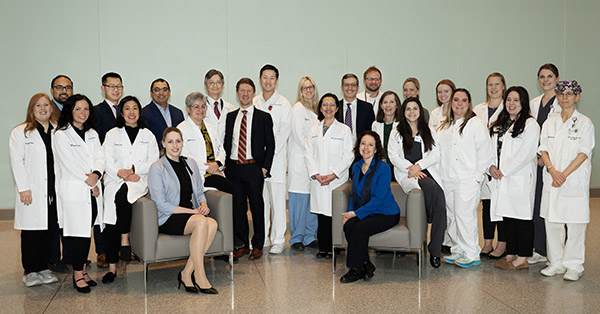
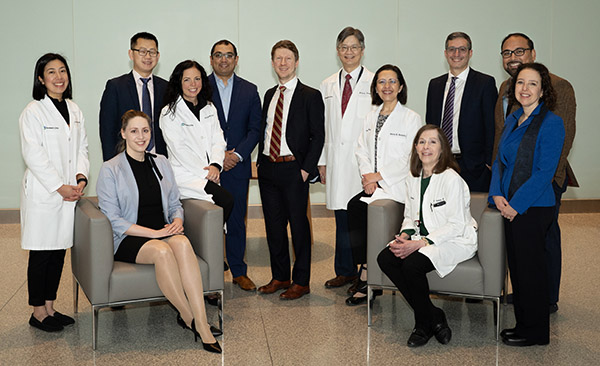
The Kaufman Center for Heart Failure Treatment and Recovery provides a single location where cardiologists, cardiac surgeons, nurses, nutritionists, cardiac rehabilitation professionals, and clinical and basic research scientists can work together toward the common goal of treating patients with conditions such as cardiomyopathy and controlling heart failure symptoms, such as shortness of breath, fluid retention, and swelling. The team is dedicated to improving patient care, providing education, research and promoting a healing environment.
Our doctors use the combined resources of the Heart, Vascular & Thoracic Institute to accurately diagnose the cause of each patient's heart failure, which allows them to create the best possible treatment plans based on each patient’s own needs. The central idea behind our mission is "excellence through teamwork".
Leadership
Physicians who are on the staff of the Kaufman Center for Heart Failure Heart Failure Treatment and Recovery have dual appointments in either the Department of Cardiovascular Medicine or the Department of Thoracic and Cardiovascular Surgery as well as in the Multi-Organ Transplant Center. This allows us to make the best possible use of services and creates greater access to research resources.
- Surgical Director: Edward Soltesz, MD, MPH
- Medical Director: Amanda Vest MBBS MPH
Heart Transplant Program
- Eileen Hsich, MD– Medical Director
- Michael Tong, MD, MBA, FRCSC – Surgical Director
Ventricular Assist Device Program
- Pavan Bhat, MD – Associate Medical Director
- Michael Tong, MD– Surgical Director
Our Team
Tomsich Family Department of Cardiovascular Medicine, Section of Heart Failure
Staff Cardiologists
- Arianne Clare Agdamag, MD
- Paulino Alvarez, MD
- Pavan Bhat, MD
- Sanjeeb Bhattacharya, MD
- Andres Carmona Rubio, MD
- Emanuel Finet, MD
- Mazen Hanna, MD
- Andrew Higgins, MD
- Michael Hill, MD
- Karlee Hoffman, DO
- Eileen Hsich, MD
- Miriam Jacob, MD
- Karen James, MD
- Ran Lee, MD
- M. Trejeeve (Tre) Martyn, MD
- Maria Mountis, MD
- Yassar Nabeel, MD
- Ziad Taimeh, MD
- H. Wilson Tang, MD
- Amanda Vest, MBBS, MPH
- Preethi William, MD
- Pei Jun Zhao, MD
Staff Surgeons
- Edward Soltesz, MD- MPH, Surgical Director of the Kaufman Center for Heart Failure and Recovery
- Nicholas Smedira, MD
- Michael Tong, MD, MBA, Surgical Director of Cardiac Transplant and Mechanical Circulatory Support
- Shinya Unai, MD
- Anthony Zaki, MD
Section of Electrophysiology and Pacing: Some patients with heart failure can benefit from the use of specialized biventricular pacemakers and ICDs to help control abnormal heart rhythms. We have a team of electrophysiologists who specialize in rhythm disorders and devices that are consulted as needed.
Section of Cardiovascular Imaging: Members of The Miller Family Heart, Vascular & Thoracic Institute’s team of imaging specialists are experts in diagnosing underlying heart conditions that can lead to heart failure.
Other members of the Kaufman Center for Heart Failure Treatment and Recovery team include pharmacists, dietitians, bioethics, nurses, cardiac physical therapy and rehabilitation specialists, infectious disease specialists, social workers and researchers.
- For information about children with heart failure, visit the Center for Pediatric and Congenital Heart Disease and the Pediatric Transplant Program
Appointments
Make an appointment
The George M. and Linda H. Kaufman Center for Heart Failure Treatment and Recovery is one of the premier facilities in the United States for the care of people with advanced heart failure.
To be evaluated for a left ventricular assist device, call the LVAD team at 216.445.3366.
To refer a patient, please call the LVAD team at 216.445.3366.
The phone number listed for either a LVAD evaluation or referral provides immediate access to the LVAD team who will address your needs promptly. We will need information about the patient and will ask for medical records to assist this process.
By phone
To make an appointment, please call toll-free 800.659.7822 Cardiology Appointments.
Online
Use our secure online form to submit an appointment request 24/7. Once we receive it we will follow-up with you as soon as possible.
Virtual visits
Some patients can now see our specialists through virtual visits, using your smartphone, tablet or computer.
Why go virtual? It's an easy, convenient and secure way to see your provider face-to-face without having to leave home. This saves you travel time, parking fees and time spent in the waiting room — and you can also have a loved one or caregiver join you. If appropriate, you can also get a prescription sent to the pharmacy of your choice.
New patients may use virtual visits to plan their care when they come to Cleveland Clinic.
Many insurance companies cover the cost of virtual visits, so check with your insurance company ahead of time. Interested in getting started? Call your provider to find out what virtual visit options are available.
Physician referrals
Mon. - Fri., 8 a.m. - 5 p.m. (ET):
Toll-free 800.223.2273, ext. 49162
Appointment information
What to expect
Whether you are coming to Cleveland Clinic from around the corner or around the world, we want you to know what to expect before, during and after your visit. If you have any questions while reviewing this information, please contact us. We are happy to answer any questions you may have.
Before your appointment
Important information for patients who are coming to see a cardiologist in the Kaufman Center for Heart Failure Treatment and Recovery.
If your appointment is scheduled at least one week away, you will be asked to send your records, including medical history, test results and films (such as echocardiogram, cardiac catheterization, chest X-ray, MRI or CT), prior surgery and intervention reports, and device implantation reports. All information should be sent in the same package (clearly marked with your name and address) via Airborne Express, Federal Express, or certified U.S. mail (make sure you have a tracking number) to the physician you will be seeing.
The address is:
(Physician Name)
Kaufman Center for Heart Failure
Cleveland Clinic
9500 Euclid Avenue – Desk J3 - 4
Cleveland, OH 44195
If your appointment is less than a week away, please contact the physician’s office for a fax number to fax records. If you do not have a fax machine, please bring your records and films to your appointment.
Important information for Kaufman Center for Heart Failure Treatment and Recovery Surgical patients.
Heart Transplant or LVAD evaluations: Patients who are evaluated for a heart transplant or LVAD evaluation take part in a specialized program that begins at the pre-surgery stage and continues through hospitalization and recovery. Communication occurs through the Heart Transplant office. Please review the complete process on the Heart Transplant Program Website.
Other Heart Surgery: If you would like to be evaluated for other surgical procedures, such as high-risk valve surgery or bypass surgery, please contact the Heart Surgery Intake Team at 877.843.2781 (877-8Heart1) 6 a.m. – 9 p.m. EST, Monday – Friday. If you have any questions, the Heart, Vascular & Thoracic Institute Resource Nurses are available to answer questions.
Traveling to Cleveland Clinic
We would like to make traveling to Cleveland Clinic as easy as possible. If you have any questions, please visit: Information on travel to the Miller Family Heart, Vascular & Thoracic Institute.
During your appointment
You will first meet several members of our team including someone who will collect your information and begin your evaluation. The diagnosis and treatment of heart failure involves:
- Thorough history and exam.
- Diagnostic imaging studies.
- Patient management and recommendations.
You will then meet with a physician from the Kaufman Center for Heart Failure Treatment and Recovery who will review your records and prior films, take a medical history and perform a physical exam.
Depending on your history and prior testing, you may need to have specialized imaging tests.
Depending on the tests you need, your cardiologist will either meet with you later that day to review the tests with you and determine if you need additional consultations with other Center specialists. Or, your cardiologist will follow up with you by phone.
Your cardiologist will provide you with specific instructions on your plan of care.
How long will you stay at Cleveland Clinic?
To complete all testing, you will need to stay in the Cleveland area 1 to 2 days. It is best to confirm the length of your stay with your cardiologist’s office prior to making travel plans.
After your visit
Because symptoms of heart failure vary from patient to patient, your need for follow-up care will be tailored to your needs and discussed with you during your visit.
Research
Clinical Studies
- The Kaufman Center for Heart Failure Treatment and Recovery continues to participate in many clinical research studies. The goals of research are to manage acute heart failure, improve long-term survival, improve patient care and outcomes, minimize postoperative morbidity among patients who have heart transplants, and evaluate the safety and effectiveness of MCS devices.
- Personnel from the Kaufman Center for Heart Failure Treatment and Recovery have leadership roles in United Network for Organ Sharing (UNOS), International Society for Heart and Lung Transplantation (ISHLT), and the Interagency Registry for Mechanically Assisted Circulatory Support (INTERMACS). UNOS is a national registry for pre- and post-heart transplantation. ISHLT is an international registry for heart transplantation. INTERMACS is a national registry for patients with ventricular assist devices and total artificial hearts.
Basic Research
- Scientists in the Kaufman Center for Heart Failure, in collaboration with members of the Lerner Research Institute, study cardiovascular genomics and research directed at the failing human heart in our research labs.
- More information on Heart, Vascular & Thoracic Institute Research
Clinical Trials
Clinical trials (or research studies) help us create the medicine of tomorrow. They provide hope through offering testing of new drugs, new surgical techniques or other treatments before they are widely available.
We can help you access hundreds of clinical trials across all specialty areas. Our new searchable online trials tool makes identifying treatment opportunities easier than ever.
Education
Fellowship and Residency Programs
The Heart Failure and Cardiac Transplantation section has an advanced fellowship training program begun in 1995. The curriculum is designed to teach the principles of heart failure and cardiac transplant patient management. After completion of this training program, participants qualify to serve as a Medical Director of a UNOS-certified heart transplant program.
The Department of Thoracic and Cardiovascular Surgery has a formal postgraduate fellowship training program in cardiac transplantation that began in 1993. The program continues to attract outstanding candidates from a national and international pool who spend a year working exclusively with the transplant and heart failure program.
Publications
The staff of The Kaufman Center for Heart Failure Treatment and Recovery has published over 1000 peer reviewed articles and numerous book chapters, abstracts and presented at national and international meetings. Peer reviewed manuscripts are available on PubMED at https://pubmed.ncbi.nlm.nih.gov/
