


Welcome
On behalf of Cleveland Clinic’s Gastroenterology and Hepatology fellowship training program, we welcome your interest in our program. We offer a three-year fully ACGME accredited training program that includes a NIH-funded T32 training opportunity. Our mission is to train physicians to be outstanding clinicians, endoscopists and investigators in the fields of Gastroenterology and Hepatology. We offer two tracks of training:
- Categorical track- a traditional three year training program in Gastroenterology and Hepatology with an emphasis on clinical and endoscopy training and development of clinical research skills.
- T32 training grant track- a four to five year training program with a minimum of two years spent pursuing translational research and a minimum of two years of clinical and endoscopic training.
Given our reputation as a prime tertiary referral center as well as the number and variety of patients seen in our Department, fellows will see and care for a broad spectrum of gastroenterologic and liver diseases. In addition, our highly specialized faculty is well recognized nationally and internationally, allowing fellows exposure to a wide breadth and depth of expertise in the varying subspecialty fields of Gastroenterology and Hepatology.
We believe that our program offers unparalleled training that will allow you to reach your goals of developing into an outstanding gastroenterologist/hepatologist.
Jean-Paul Achkar, MD
Program Director, Gastroenterology Fellowship
Chair, Digestive Disease and Surgery Institute Education Committee
Ari Garber, MD
Associate Program Director, Gastroenterology Fellowship
Claudio Fiocchi, MD
Director, T32 Fellowship Program
Michelle Kang Kim, MD
Chair, Department of Gastroenterology, Hepatology & Nutrition
General Overview
The goal of our fellowship program is to train the best academic and clinical gastroenterologists to meet the future needs of our profession in patient care, teaching, and research. We are dedicated to training physicians who can lead our profession in this changing era of health care and research.
The primary means of training is on-site care of patients with digestive disease disorders over the three-year fellowship program in a supervised setting, which enables independent thought and evaluation of patients. Our fellows are exposed to patients in the in-patient and out-patient settings. To be certain that the full spectrum of digestive diseases is encountered by each fellow in a setting with optimal supervisory expertise, rotations are established in inpatient and outpatient hepatology, inpatient and outpatient gastroenterology, consultative gastroenterology, endoscopy, GI diagnostic laboratory, clinical nutrition and inflammatory bowel disease.
Our commitment is to train young physicians to a high level of clinical, academic, and systems competence, becoming professional leaders throughout their career in this rapidly changing field. Our goal is that our graduates excel in the six core competencies described by the ACGME:
- Patient care.
- Medical knowledge
- Practice-based learning and improvement.
- Interpersonal and communication skills.
- Professionalism.
- Systems-based practice.
As delineated below, our curriculum offers excellent training in all of these core areas. By mastering these competencies, our graduates will be leaders throughout their career.
Mentorship
Each fellow is paired with a Staff Physician Adviser. The role of the adviser is to provide career counseling, ensure that each fellow is developing well clinically, operating at the requisite skill level and filling leadership positions. More subtly, their role is to demonstrate a model for professionalism.
Research and professional development
A major thrust of the fellowship program is to train fellows in the techniques of clinical investigation. All fellows spend at least six months performing clinical research. This experience will involve exposure to the research process by selection of a scientific question, protocol design and critique, IRB and regulatory processes, data collection, statistical analysis, and presentation. Fellows present their initial protocol to the center that they have chosen to work in for open critique and then provide their final protocol to the entire Department for further discussion.
Fellows travel to present research at national conferences is supported and fully funded, allowing you to make national contacts among leaders in the field. Activity in research ensures our fellows are not only up to date in their medical knowledge, but advance the field of Gastroenterology and Hepatology.
Curriculum
Overview of rotations and schedules
Rotations are structured into 2-week modules.
The third year fellow’s schedule content can be tailored to meet the fellow’s career interests.
First-year fellow schedule
First year fellows start the year with 6 weeks of endoscopy to learn basic endoscopic skills prior to taking call or starting the ICU bleeder service.
- Endoscopy: 9 modules.
- Hepatology consults and Liver ICU service: 2 modules.
- Hepatology inpatient service: 1.5 modules.
- Gastroenterology consult service: 5 modules.
- Gastroenterology ICU bleeder consult service: 2.5 modules.
- Esophagus and motility clinic: 1 module.
- IBD clinic: 1 module.
- Hepatology clinic: 2 modules.
- Clinical nutrition: 1 module.
- Research: 1 module.
Second-year fellow schedule
- Research: 10–11 modules.
- Hepatology consults and Liver ICU service: 2.5 modules.
- Hepatology inpatient service: 2 modules.
- Gastroenterology consult service: 4modules.
- Gastroenterology acute bleeder consult service: 2 modules.
- Hepatology clinic: 2 modules.
- Clinical nutrition: 1 module.
- IBD clinic: 1 module.
Third-year fellow schedule
- Endoscopy: 12 modules.
- Hepatology consults and Liver ICU service: 1 module.
- Hepatology inpatient service: 1 module.
- Gastroenterology consult service: 3 modules.
- Gastroenterology acute bleeder consult service: 2 modules.
- Pancreaticobiliary diseases clinic: 1 module.
- Inflammatory bowel disease clinic: 1 module.
- Hepatology clinic: 2 modules.
- Motility clinic: 1 module.
- Clinical nutrition: 1 module.
- Regional elective: 1 module.
Clinical Training
Inpatient services
Hepatology inpatient service
The overall educational goal of this rotation for fellows is to develop skills in the management of the hospitalized patient with liver disease in a cost-effective and expedient manner.
The fellow serves as a junior consultant for residents, interns, and medical students and helps assure that quality care is rendered to patients on the service. A significant component of the learning experience comes from working closely with patients with liver disease including patients: 1) with complications of chronic liver disease, 2) undergoing liver transplant evaluation, 3) awaiting transplantation, 4) admitted for complications related to liver disease
Hepatology consult and liver intensive care unit service
The overall educational goal of this rotation for fellows is to develop consultative skills in the management of the hospitalized patient who presents with or develops liver symptoms or disease, and evaluation for transplantation.
One to two fellows and one hepatology attending physician provide consultative services for floor and ICU patients. The liver ICU treats patients with decompensated liver disease and fulminant liver failure requiring ICU care. The fellow(s) and staff serve as the co-primary team for Liver ICU patients and participate on daily rounds.
Gastroenterology consult service
The overall educational goal of this rotation is to develop consultative skills in managing hospitalized patients with GI symptoms or disease.
Two fellows are assigned to this service and work with a Staff member to oversee a team of internal medicine residents and advance care providers. The consult service is responsible for all medical and surgical floor consults during regular working hours. Fellows on this service gain valuable experience in managing inpatients with inflammatory bowel disease, pancreatic disorders, non-emergent GI bleeding, diarrhea and dysphagia among others.
Gastroenterology acute bleeder service
The overall educational goal of this rotation for fellows is to develop consultative skills in the management of the hospitalized patient who presents with or develops severe GI symptoms or disease requiring ICU care. The consult service is also responsible for emergency endoscopy of all patients with GI bleeding in the ICUs during regular working hours. Therefore fellows on this service gain outstanding experience in performing emergency endoscopies in the ICUs under the supervision of the attending physician.
Clinical nutrition service
The overall educational goal of this rotation is to provide our fellows with the tools which they need to provide their patients with appropriate and adequate nutritional support. This will be done by having each fellow rotate on the Nutrition Support Team in the first, second, and third years of training and working closely with our expert GI nutrition staff members.
Ambulatory clinics
Fellows rotate through both their own continuity clinic and through subspecialty clinics (hepatology clinic, inflammatory bowel disease, esophagus and motility, pancreaticobiliary).
Continuity clinic
Continuity clinic allows fellows to experience ambulatory care first hand and to be identified by patients as their primary gastroenterologist. Each fellow is assigned one half day of clinic per week under the supervision of a Gastroenterology staff physician. In this clinic, fellows have the opportunity to see patients presenting for new consultations in gastroenterology or hepatology as well as follow-up patients. The goal is for the fellow to see a wide variety of diseases that include inflammatory bowel disease, pancreaticobiliary diseases, motility disorders, gastrointestinal bleeding problems, and liver disease.
Cases are discussed with the supervising gastroenterology staff and fellows are expected to formulate a management plan under the supervision of the staff. Follow up communications with patients and referring physicians are the fellow’s responsibility.
Esophagus and motility clinic
During this rotation, fellows have the opportunity to see a challenging group of patients with swallowing disorders as well as upper and lower gastrointestinal motility disorders. Fellows also perform endoscopy with esophagus and motility experts and get training in various dilation techniques and pH Bravo capsule placement . In this block, fellows also have dedicated time for learning the methods and interpretation of esophageal manometry, 24-hour pH testing, anorectal manometry and breath testing.
Inflammatory bowel disease clinic
During this rotation, fellows are responsible for evaluating patients seen in the Inflammatory Bowel Disease Center under the supervision of IBD staff physicians. Fellows also perform endoscopy with IBD experts and get exposure to specialized techniques including chromoendoscopy and balloon dilation. Complex cases seen by the fellow and requiring discussion at multi-disciplinary conferences are presented by the fellow.
Hepatology clinic
During this rotation, fellows are responsible for evaluating patients seen in the Hepatology and Transplant Center clinics under the supervision of Hepatology staff physicians. Fellows have the opportunity to rotate in pre and post-transplant clinic and attend weekly transplant selection committee meetings for an introduction to the transplant selection process.
Endoscopy
The overall educational goal of this rotation is to gain proficiency in performing routine upper and lower endoscopies under both moderate sedation and general anesthesia. Fellows assigned to the endoscopy rotation work directly under the supervision of different faculty doing endoscopy. No procedures are performed unsupervised. Fellows maintain a log of all cases they perform during their fellowship. Training will first emphasize diagnostic upper endoscopy and conscious sedation. This will be followed by esophageal dilatation, therapy of upper GI bleeding, emergency upper endoscopy, percutaneous gastrostomy, diagnostic colonoscopy, and polypectomy.
Training in therapeutic ERCP and endoscopic ultrasonography, with the ultimate goal of obtaining credentialing in these procedures is not the goal of the three year curriculum and is obtained only after successful completion of a fourth year advanced therapeutic endoscopy.
Research
All fellows spend at least six months performing clinical research. This experience will involve exposure to the research process by selection of a scientific question, protocol design and critique, IRB and regulatory processes, data collection, statistical analysis, and presentation. Fellows present their initial protocol to the research committee in the presence of their research mentor and program director. They then provide their final protocol to the entire Department for further discussion.
Fellows can perform their own statistical analysis. An analysis software is available to the fellows if needed.
The department also supports a biostatistician to assist with statistical analysis. Fellows travel to present research at national conferences is supported and fully funded, allowing you to make national contacts among leaders in the field. Activity in research ensures our fellows are not only up to date in their medical knowledge, but advance the field of Gastroenterology and Hepatology.
Clinical Conferences
Fellows are required to attend weekly didactics that include a variety of clinical conferences with excellent attendance from fellows and staff physicians. Below is a template which would serve as an example of weekly didactics:
Gastroenterology Didactic Series
The academic year begins with a didactic core curriculum that reviews important topics in gastroenterology, hepatology and nutrition. Throughout the course of the academic year, distinguished faculty from the Digestive Disease Institute and other departments are invited to speak to fellows and faculty in various areas of interest.
Morbidity and Mortality Conference
Each quarter the fellows report cases for the M&M conference. The conference faculty moderator selects cases for presentation based on their teaching merit, and moderates the discussion. The fellow who managed the patient presents the case and pertinent literature while focusing on clinical decision making, reasons for any complications and alternative management options., The main focus of the conference is improving clinical decision making to improve patient care.
Case Management Conference
Each fellow presents 30-minute management conferences at regular intervals throughout the academic year. This is a brief presentation that addresses diagnostic or management dilemmas that are debated amongst faculty and fellows. This conference is considered by many to be the highlight of our conference schedule.
State of the Art Conference
Second and third year fellows present a yearly "State of the Art" talk which is a comprehensive, one-hour presentation on a specific topic of their choosing using an extensive review of the literature. Each fellow presents a comprehensive, one-hour presentation on a specific topic of his/her choice using an extensive review of the literature. The fellows work with a faculty mentor in the development and synthesis of their presentation.
Radiology and Pathology Conference Series
Fellows get focused teaching in GI and Hepatology-related pathology and radiology through monthly conferences:
- Radiology conferences are designed to improve fellows ability to interpret basic radiology studies and determine which tests are applicable in specific clinical situations.
- Pathology conferences allow fellows to improve their ability to review and interpret histological specimens in an organ-based fashion from a variety of pathological conditions.
Board Review Conference
Fellows have a monthly board review conference based on ACG/AGA curriculum.
Gastroenterology Journal Club
A journal club is held monthly. Articles are selected by faculty around a theme, and presented in a critical fashion by the fellows. Topics are rotated month to month.
Subspecialty Conferences
Each subspecialty holds its own conferences (IBD, Liver Transplant, HPB, Intestinal Transplant, Clinical Nutrition, etc.) These conferences are made available to all fellows that wish to attend.
Grand Rounds
These one-hour seminars by esteemed Cleveland Clinic and visiting faculty are a wide range of presentations aimed at faculty, fellows, and residents. Presentations are on a broad range of topics, including clinical topic updates, world health, surgical history, etc. These are held monthly for Internal Medicine, General Surgery, and Transplant Center.
Application Information
What are you looking for in an applicant?
Three to four fellows are selected each year for the categorical track based on personal credentials, formal recommendations, evidence of academic interest, and a commitment to research and outstanding potential for a successful academic career. Prior peer-reviewed publications and a scientific track record are desirable, but not essential. In addition, we are seeking individuals able to proficiently work in a clinical environment that offers a high volume patient load, challenging clinical cases, and a high quality advanced patient care environment. We seek promising physician-scientists as demonstrated by leadership abilities, academic productiveness, knowledge base, and positive personal qualities among applicants from all backgrounds. The T32 training track recruits one fellow every 1 to 2 years.
What is your application process?
Cleveland Clinic has minimum requirements for fellowship application and employment, all of which are required in the standard ERAS application. We have no secondary application form. We review every submitted application completely and carefully, and a selected group is offered on-site interviews.
What are your NRMP program codes?
Gastroenterology AAMC ID: 1968144Fo
What are your fellows' employment benefits?
Fellows are Cleveland Clinic employees with standardized salaries based on level of training and generous benefits.
What VISAs are supported by Cleveland Clinic?
- Clinical Programs: For graduate medical education purposes (fellowship), Cleveland Clinic will accept H-1B temporary worker or J-1 exchange visitor (alien physician category – sponsored by the ECFMG) visas. Cleveland Clinic does not sponsor immigrant (permanent resident) petitions for research or clinical trainees (residents, clinical fellows, clinical research fellows, research fellows or postdoctoral fellows).
More Information
Endoscopy simulation
Cleveland Clinic's Center for Multidisciplinary Simulation has, flexible endoscopy, upper endoscopy , colonoscopy, and ERCP simulators to enhance the clinical learning experience.
Case volumes (average number of procedures)
- Upper Endoscopy: 600 – 800
- Colonoscopy: 600 – 700
Board pass rates
For Cleveland Clinic's Gastroenterology Fellowship Program, cumulative first time board passage rates for 2022 is 100%.
Fellows & Alumni
T-32 Research Fellows
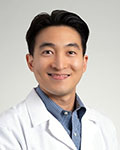
Ji Seok Park, MD
Residency: Englewood Hospital
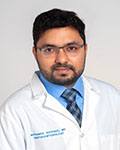
Mohamed Tausif Siddiqui, MD
Residency: Westchester County Medical Center
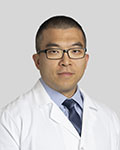
Xiaoliang Wang, MD
Residency: Marshall University School of Medicine
1st year fellows
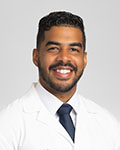
Abdelwahab Ahmed, MD
Residency: Northwestern University Medical School
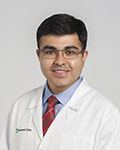
Arjun Chatterjee, MD
Residency: Cleveland Clinic
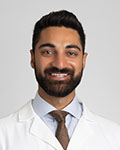
Akash Khurana, MD
Residency: University Hospitals Cleveland Medical Center
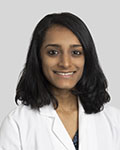
Shahana Prakash, MD
Residency: University of Iowa Hospitals & Clinics
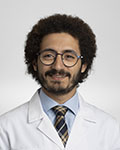
Hisham Wehbe, MD
Residency: Indiana University Medical School
2nd year fellows
Ayushi Jain, MD
Residency: The Ohio State University, Ohio
David Long, DO
Residency: Cleveland Clinic, Ohio
Roma Patel, MD
Residency: University Hospitals, Ohio
Mattie White, MD
Residency: Cleveland Clinic, Ohio
3rd year fellows
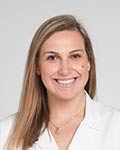
Natalie Farha, MD
Residency: Cleveland Clinic, Ohio
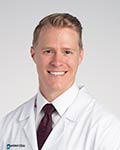
Steve Firkins, MD
Residency: The Ohio State University, Ohio
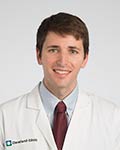
Jeffrey Schwartz, MD
Residency: Beth Israel Deaconess Medical Center, Massachusetts
Alumni career pathways
2024 graduates
-
Chiara Maruggi, MD: Scripps Clinic, San Diego, California
-
Rajat Garg, MD: Advanced Endoscopy Fellowship, Cleveland Clinic, Ohio
-
Jackie Bolwell, MD: Akron Digestive Consultants, Akron, Ohio
-
Mo’tasem Alkhayyat, MD: Advanced Endoscopy Fellowship, Indiana University, Indiana
-
Ravi Shah, MD: Bowman Gray Hospital, North Carolina
Staff Physicians
Swallowing
Hereditary colon cancer
IBD
- Suha Abushamma
- Jean-Paul Achkar
- Manuel Braga Neto
- Benjamin Cohen
- Katherine Falloon
- Bret Lashner
- Maliha Nasser
- Jessica Philpott
- Miguel Regueiro
- Florian Rieder
Liver
- Talal Adhami
- Olumuyiwa Awoniyi
- William Carey
- Dian Chiang
- Srinivisan Dasarathy
- Michelle Inkster
- Sobia Laique
- Christina Lindenmeyer
- Maureen Linganna
- Jamak Modaresi Esfeh
- Shreya Sengupta
- Jamile Wakim-Fleming
- Nicole Welch
General GI
- Brian Baggott
- Michael Cline
- Ari Garber
- Claire Jansson-Knodell
- Christine Lee
- Anthony Lembo
- David Lever
- Maged Rizk
- Alberto Rubio Tapia
- Luke Weber
Advanced endoscopy
- Amit Bhatt
- Sunguk Jang
- Michelle Kang Kim
- Madhu Sanaka
- C. Roberto Simons-Linares
- Tyler Stevens
- John Vargo
- Greg Zuccaro
Nutrition
Locations
Cleveland Clinic
Cleveland Clinic was founded in 1921 by George Crile Sr., a general and endocrine surgeon; Frank Bunts, a neurosurgeon; William Lower, an urologist; and John Phillips, an internist. It was a new kind of medical center: a physician-led, not-for-profit, integrated hospital and group practice, equally dedicated to patient care, research, and education. Cleveland Clinic quickly became a world renowned training hospital, medical school and research institute, known for offering the most advanced medical care.
Cleveland Clinic's main campus consists of 59 buildings on more than 170 acres and more than 101 operating rooms, with constant expansion and renovation. The Gastroenterology offices are on the third floor and fifth floor of the A building (desk A30 and A50) in the Digestive Disease & Surgery Institute.
Q3: state-of-the-art endoscopy unit
The Digestive Disease & Surgery Institute’s advanced endoscopy unit, located in Glickman tower on Cleveland Clinic’s main campus, emphasizes both safety and quality. The 15,000-square-foot facility was built to improve both access and patient experience. The expansion doubled the number of therapeutic endoscopy suites for performing endoscopic retrograde cholangiopancreatography (ERCP), endoscopic ultrasound (EUS) and deep enteroscopy. Specialized fluoroscopic equipment will allow for the next generation of 3-D cholangiography, which is available at only a handful of units nationally. The unit was designed to improve patient satisfaction and features private recovery rooms with TVs and seating for family members. It will help maximize communication between patients and caregivers and enable close interaction with the staff from other specialties, including anesthesiology, hepatobiliary surgery, colorectal surgery, thoracic surgery, oncology and radiation oncology, during treatment.
Cleveland Clinic is a large facility, how do I find my way around?
While Cleveland Clinic has a large campus, it is easily walkable from the visitor parking garages and the three on campus hotels: the InterContinental Hotel, the InterContinental Suites and Cleveland Clinic Holiday Inn. Cleveland Clinic is immediately adjacent to the University Circle Neighborhood, home of the Case Western Reserve University, the Cleveland Orchestra, and the Cleveland Museum of Art. Cleveland Clinic is centrally located and accessible from the downtown, east, and west side residential neighborhoods.
