

Overview
What is breast reduction surgery?
Breast reduction surgery removes excess skin and breast tissue to achieve a breast size in proportion with your body and to alleviate the discomfort associated with overly large breasts. This procedure is one of the most common surgeries performed by plastic surgeons in the United States. Plastic surgeons from Cleveland Clinic Cosmetic and Plastic Surgery Center have advanced training in breast reduction surgery.
Why choose us?
Experts at Cleveland Clinic Cosmetic and Plastic Surgery Center have advanced training in breast reduction surgery. When considering breast reduction surgery, always look for a surgeon with significant experience. A good rule of thumb is to see a surgeon recommended by your primary care doctor, family members or friends who have had a positive experience.
You should feel comfortable with the surgeon. You should ask how many such procedures the surgeon has done, and you should review before and after photographs of their past procedures. Make sure to ask your cosmetic surgeon about their credentials, training and how many procedures they have performed.
Before & After Photos
Breast Reduction Photo Gallery
1 of 11-
-
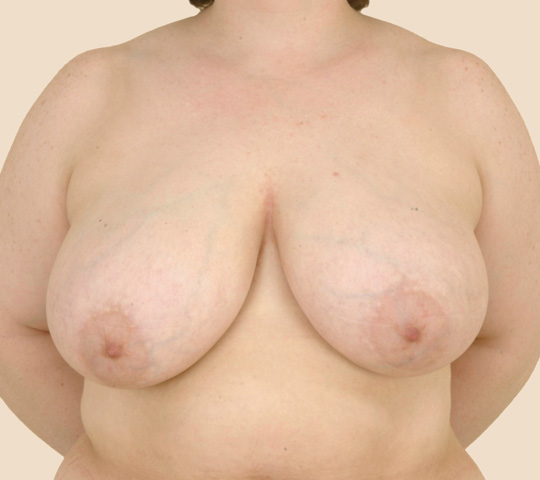
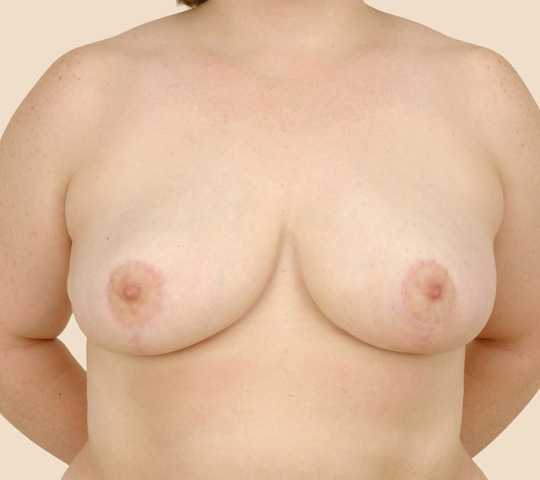
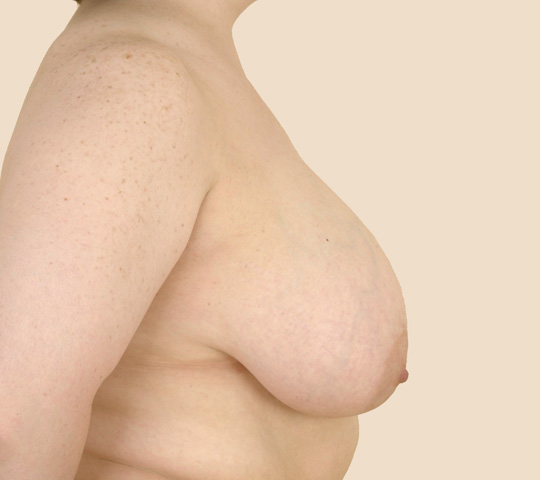
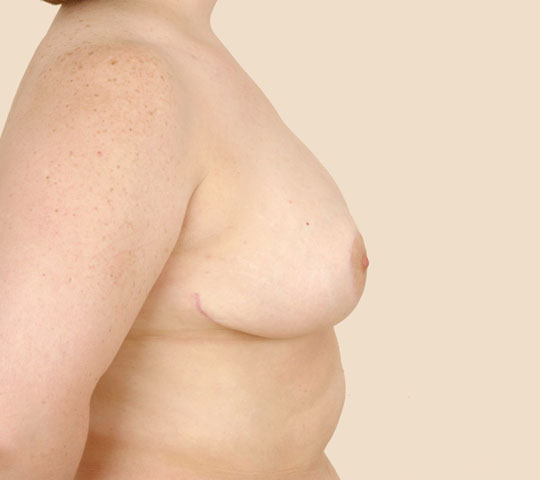
This is woman in her early twenties who wished to decrease the size of her breasts because of associated back pain. She is shown before surgery (left) and 2 months after surgery (right).
-
This is woman in her early twenties who wished to decrease the size of her breasts because of associated back pain. She is shown before surgery (left) and 2 months after surgery (right).
-
This is a mother in her late thirties who wished to decrease the size of her breasts because of associated discomfort. She is shown before breast reduction (left) and 6 months after (right).
-
This is a mother in her late thirties who wished to decrease the size of her breasts because of associated discomfort. She is shown before breast reduction (left) and 6 months after (right).
-
This is a woman in her mid-twenties who wished to decrease the size of her breasts in order to improve breast shape and associated discomfort. She is shown before surgery (left) and just 1 month after (right).
-
This is a woman in her mid-twenties who wished to decrease the size of her breasts in order to improve breast shape and associated discomfort. She is shown before surgery (left) and just 1 month after (right).
-
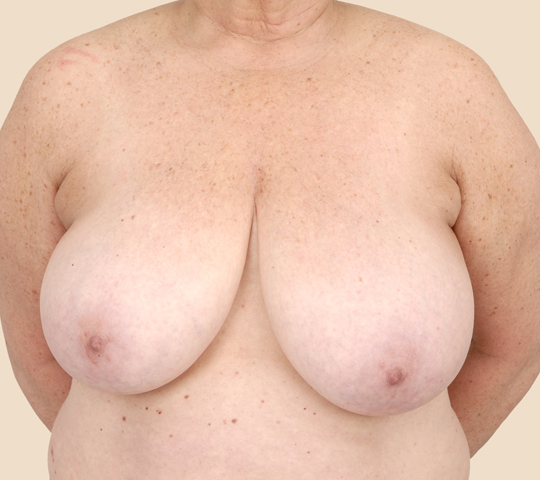
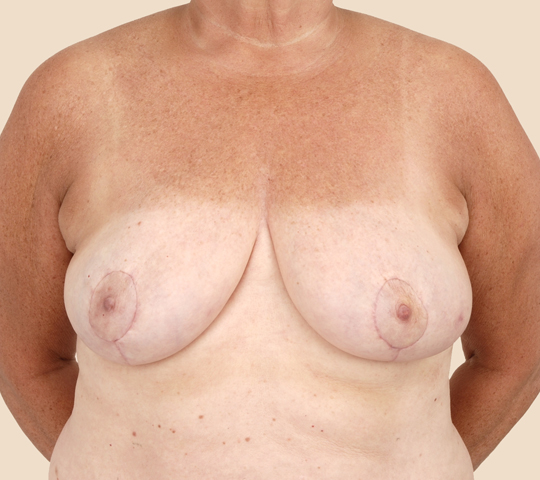
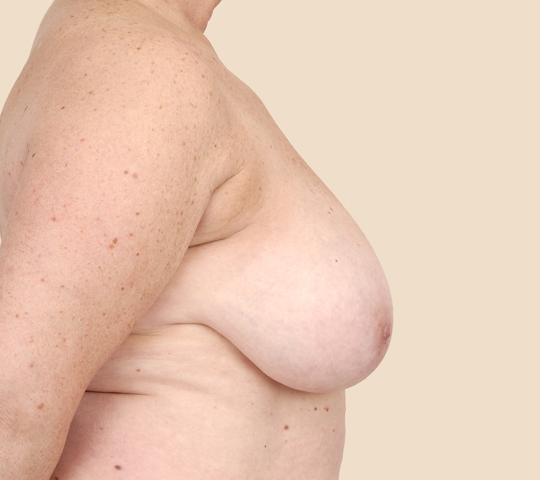
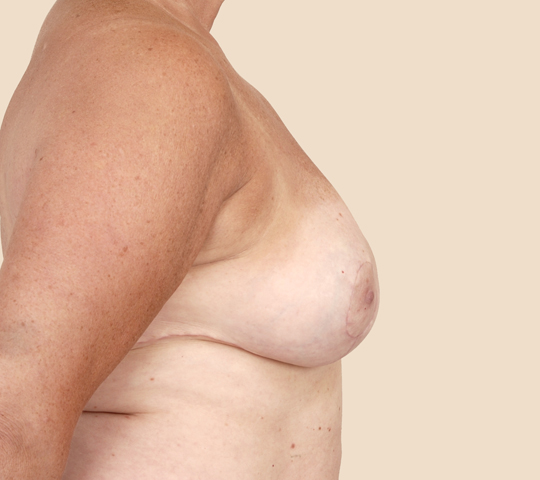
This is a woman in her early sixties who wished to decrease the size of her breasts because of associated discomfort. She is shown before surgery (left) and less than 2 months after surgery (right).
-
This is a woman in her early sixties who wished to decrease the size of her breasts because of associated discomfort. She is shown before surgery (left) and less than 2 months after surgery (right).
-
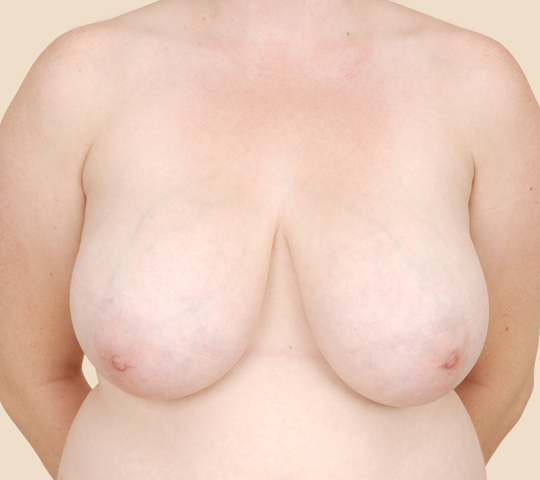
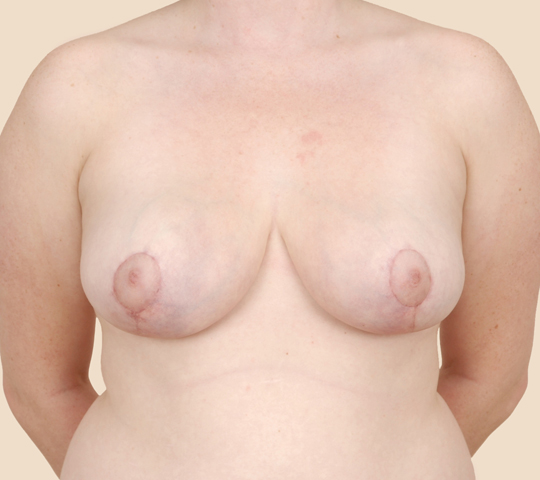
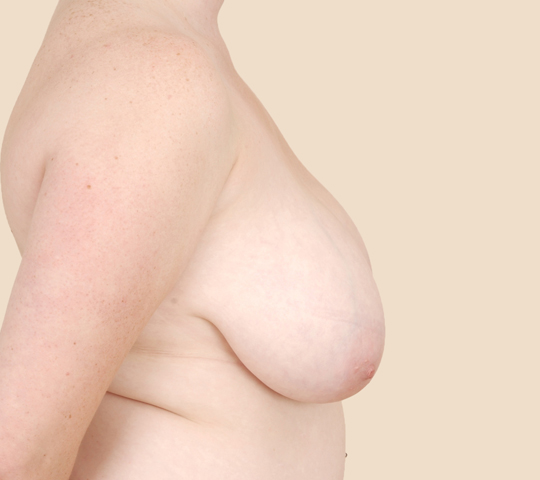
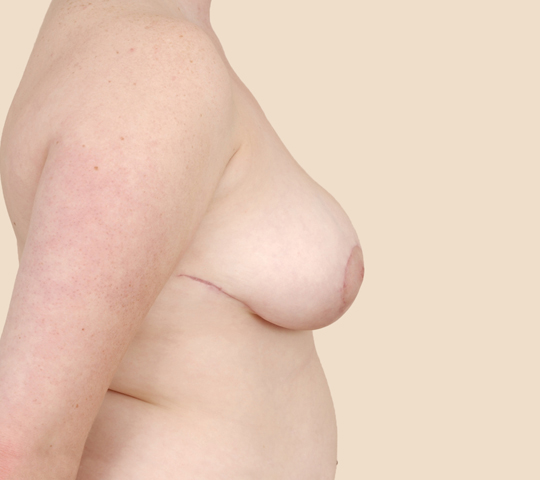
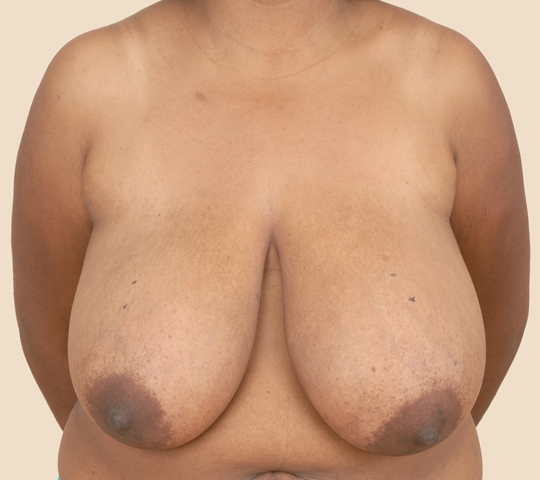
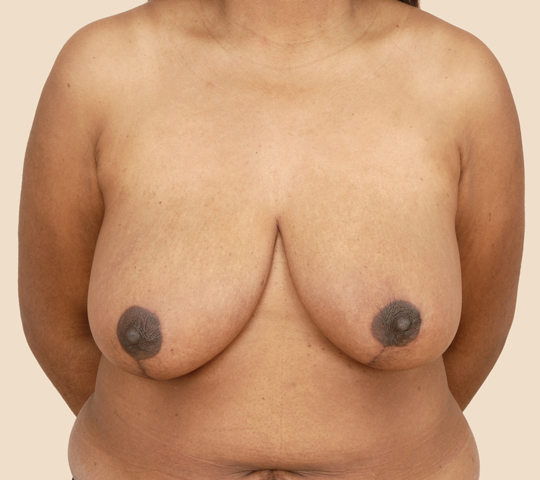
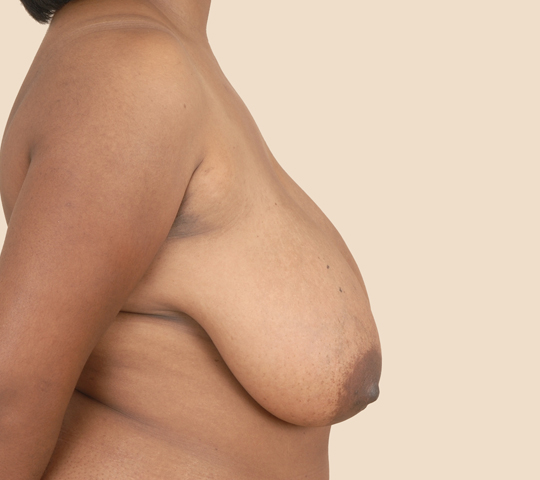
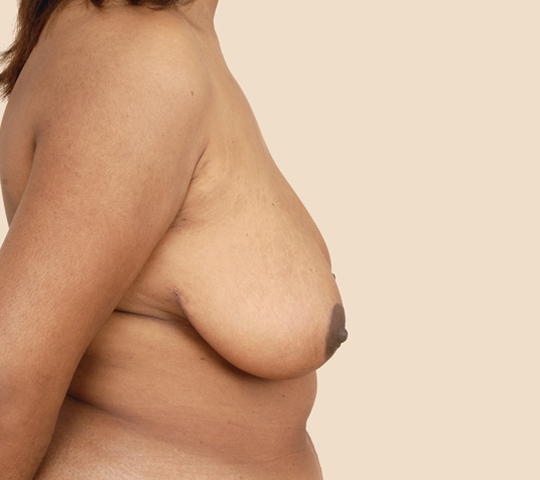
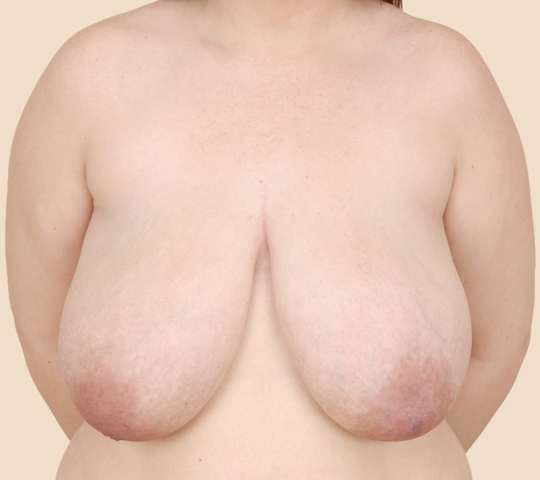
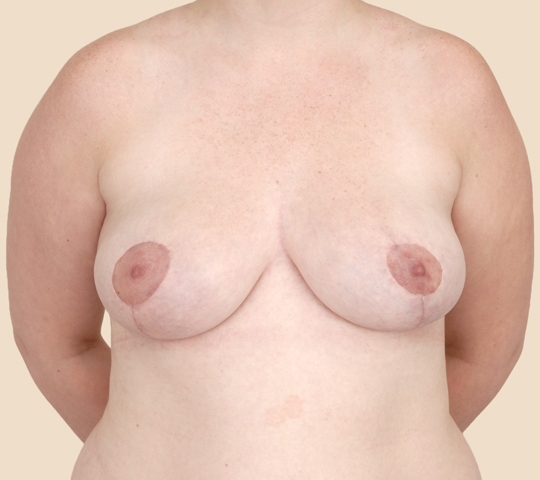
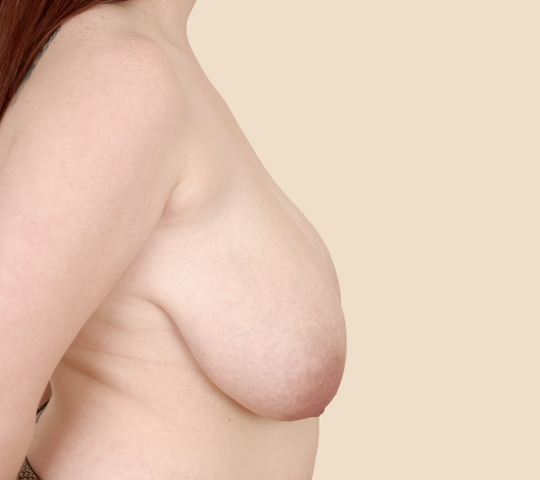
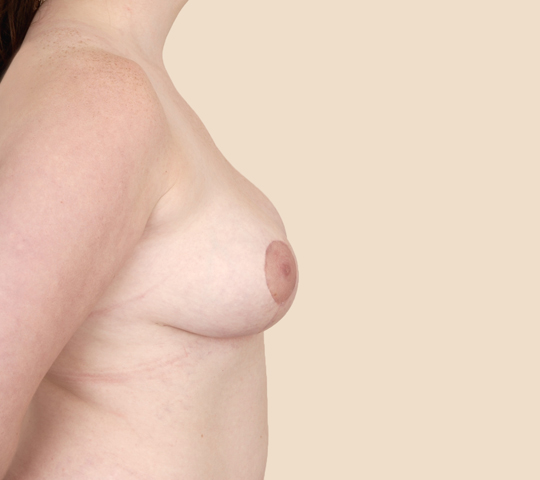
This is a woman in her early thirties who wished to decrease the size of her breasts due to associated symptoms. She is shown before breast reduction (left) and 4 months after (right).
-
This is a woman in her early thirties who wished to decrease the size of her breasts due to associated symptoms. She is shown before breast reduction (left) and 4 months after (right).


How to Prepare
Am I a candidate for breast reduction surgery?
Breast reduction, or reduction mammoplasty, is a safe and effective option for women with large, heavy breasts. Women with large breasts may not only be dissatisfied with their body image, but also experience physical pain and discomfort, including back or shoulder pain, in addition to suffering from skin irritation, bra strap indentations, concerns with posture, and limitations with physical exercise.
The best candidates for breast reduction surgery include:
- Women whose breasts are fully developed and breasts are enlarged (generally, a size D or larger).
- Healthy women who do not have a life-threatening illness or medical conditions that can impair healing.
- Non-smokers (smoking may delay healing and increase the risk of complications).
A consultation with a plastic surgeon at Cleveland Clinic Cosmetic & Plastic Surgery Center is the first step in learning if you are a candidate for the procedure. Our plastic surgeons can explain how a reduction mammoplasty can improve the appearance of your breasts and relieve pain, discomfort and any associated symptoms you may have resulting from large, pendulous breasts.
How do I prepare for breast reduction surgery?
Preparation for your breast reduction surgery at Cleveland Clinic Cosmetic & Plastic Surgery Center includes:
- Evaluation of your general health and any pre-existing health conditions or risk factors.
- Examination of your breasts (and possible detailed measurements of their size and shape), skin quality, and placement of your nipples and areolas.
- Taking photographs of your breasts for your medical record.
- Discussing your options and recommending a course of treatment.
- Discussing likely outcomes of your procedure and any risks or potential complications.
- Discussing the use of anesthesia during your procedure.
The success and safety of your breast reduction procedure depends on you being completely open and honest during your consultation. Being able to discuss why you want the surgery, your expectations and desired outcomes (along with a thorough medical evaluation) will help lead to the best end result.
What to Expect
How is breast reduction surgery performed?
Breast reduction surgery involves removal of excess skin, fat and glandular tissue through incisions in your breasts. Excess fat may also be removed through liposuction along with various excision techniques used by Cleveland Clinic cosmetic surgeons. If your breast size is due primarily to fatty tissue and excess skin is not an issue, liposuction alone may be used as the key technique for breast reduction.
Plastic Surgeons at Cleveland Clinic Cosmetic & Plastic Surgery Center will determine the best technique to reduce the size of your breasts based on your individual condition, breast composition, amount of reduction desired and your personal preferences.
Techniques for reduction mammoplasty include:
- Traditional Reduction Procedure: This procedure involves an inverted “T” or anchor-shaped incision that extends vertically down the middle of the breast and horizontally along the underside of the breast. This type of breast reduction procedure elevates the nipple to a more normal location, reduces volume and improves contour (while usually preserving breast sensation).
- Vertical Mammoplasty or “Short Scar” Breast Reduction: The “short scar” procedure uses an incision that circles the nipple/areola area and extends down vertically below the breast. This approach avoids making a horizontal incision beneath the breast, reducing the total length of scarring by 50 percent.
The best candidates for the short scar procedure are women who have moderately large breasts. Women with larger breasts are better candidates for the traditional reduction procedure.
Results
What is involved in recovery?
Breast reduction surgery is usually performed in an outpatient setting at Cleveland Clinic Cosmetic & Plastic Surgery Center. Be certain to plan for someone to drive you home after surgery and stay with you at least the first night following surgery.
When your procedure is complete, dressings or bandages will be applied to the incisions. You may also wear a support bra at home to minimize swelling and support the breasts as they heal.
A small, thin tube may be temporarily placed under the skin to drain any excess blood or fluid that may collect at the incision sites.
Your Cleveland Clinic cosmetic surgeon will give you specific instructions for recovery that may include:
- How to care for your breasts following the surgery.
- Medications to apply or take orally to aid healing and reduce the risk of infection.
- Specific concerns to look for at the surgical site or in your general health.
- When to schedule your follow up appointment at Cleveland Clinic Cosmetic & Plastic Surgery Center.
What results can I expect?
The results of your breast reduction surgery will be long-lasting. Your new breast size should help relieve pain and physical limitations you experienced prior to surgery (in addition to enhancing your self-image and confidence). View our breast reduction surgery before and after photos to see results from actual patients.
Breast reduction cannot, however, stop the natural effects that can cause your breasts to change over time due to aging, weight fluctuations, hormonal factors and gravity. Long-term follow-up with your plastic surgeon at Cleveland Clinic Cosmetic & Plastic Surgery Center is highly recommended to monitor these ongoing changes.
Is breast reduction surgery safe?
All surgical procedures carry some risk. Although rare, possible risks associated with breast reduction surgery include:
- Bleeding and infection.
- Unevenly positioned nipples.
- Partial or complete loss of sensation in the nipples.
- Tissue or nipple loss.
- Possible loss of the ability to breastfeed (due to the removal of milk ducts).
Women who smoke are at a higher risk for all complications. Poor healing and wider scars are also more common in smokers.
Breast reduction surgery does leave permanent scars that may be problematic, with “raised” or “hypertrophic scars” common. Yet, these are typically hidden by a bra or swimsuit.
Insurance & Financing
Insurance rarely covers the cost of elective cosmetic surgery and procedures. Please call 216.444.4004 and ask to speak with one of our financial representatives who can explain payment options, including CareCredit financing.
