

Breast augmentation is a highly individualized procedure which you should do for yourself (not to fulfill anyone else’s desires or to fit a certain type of ideal image). It is the most performed cosmetic breast surgery in the United States.
Experts at Cleveland Clinic Cosmetic and Plastic Surgery Center have advanced training in breast augmentation. When considering breast augmentation, always look for a surgeon with significant experience. A good rule of thumb is to see a surgeon recommended by your primary care doctor, family members or friends who have had a positive experience.
You should feel comfortable with the surgeon. You should ask how many such procedures the surgeon has done, and you should review before and after photographs of their past procedures. Make sure to ask your cosmetic surgeon about their credentials, training and how many procedures they performed.
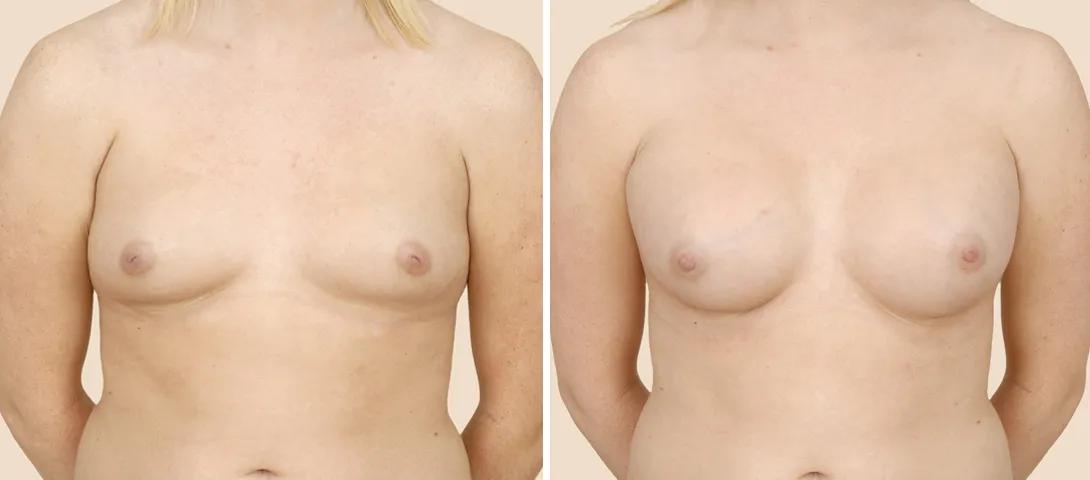
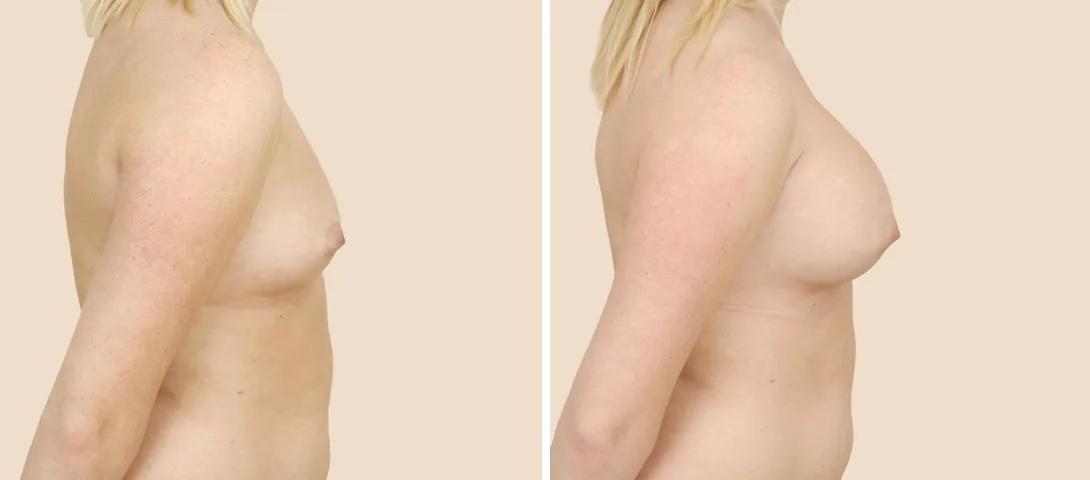
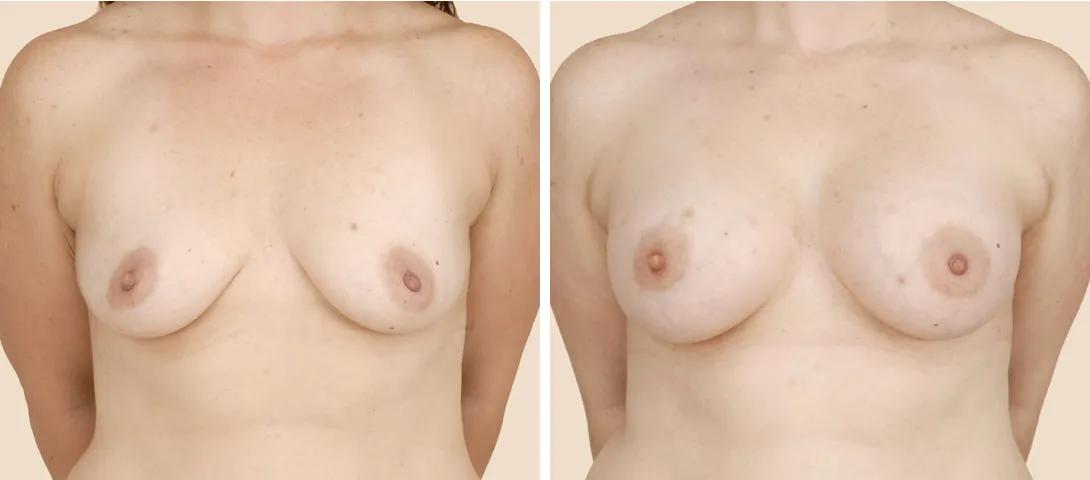
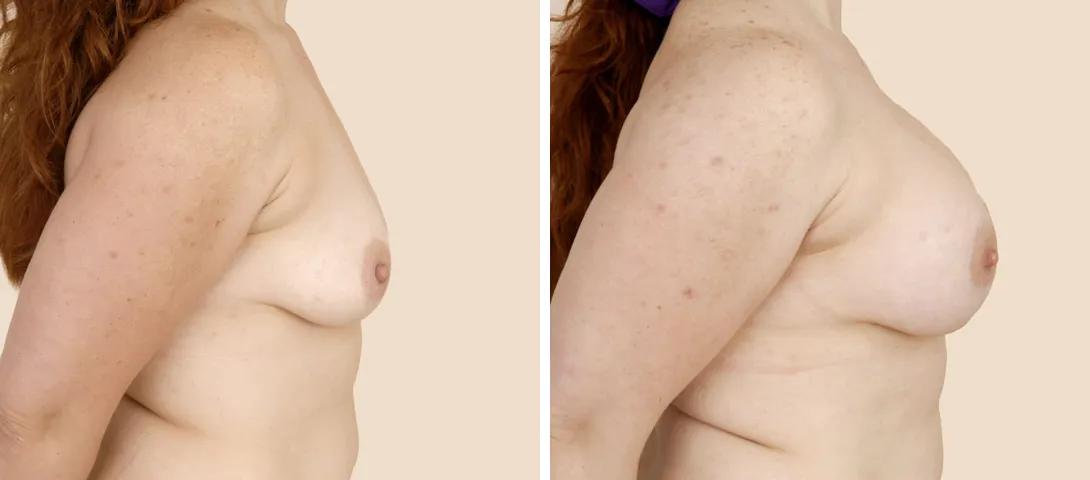
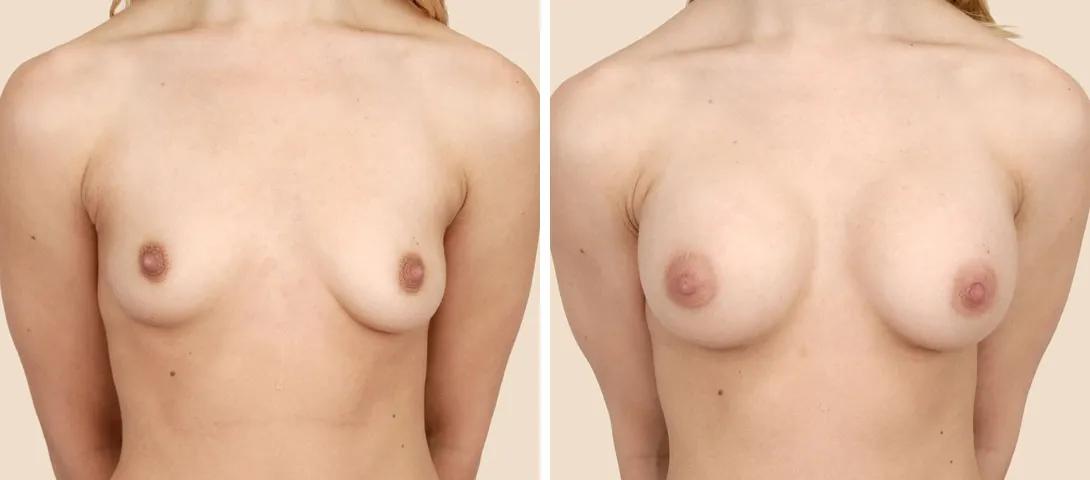
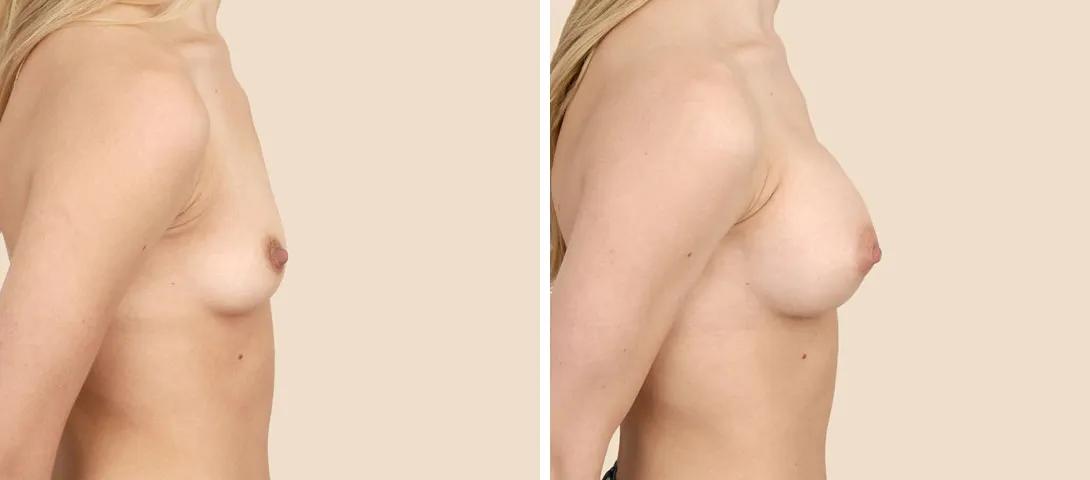
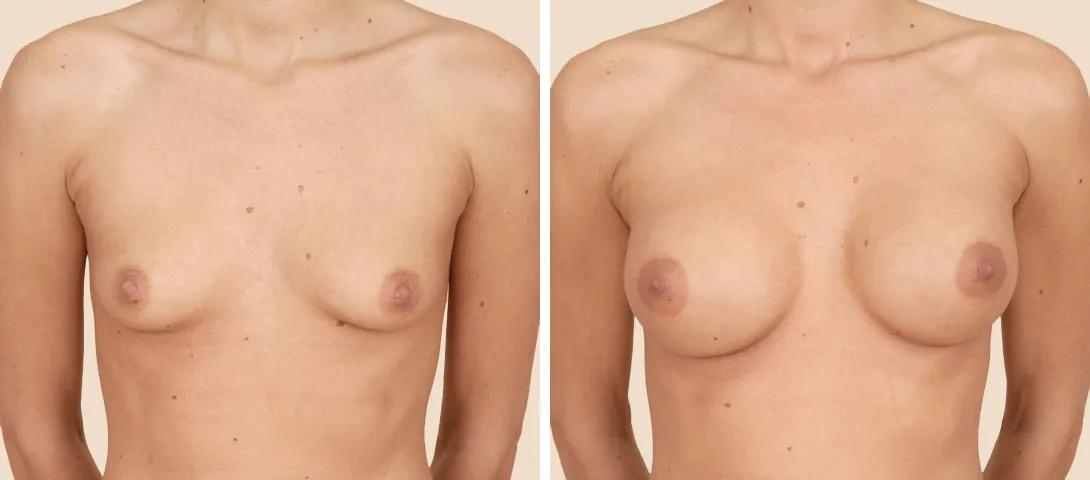
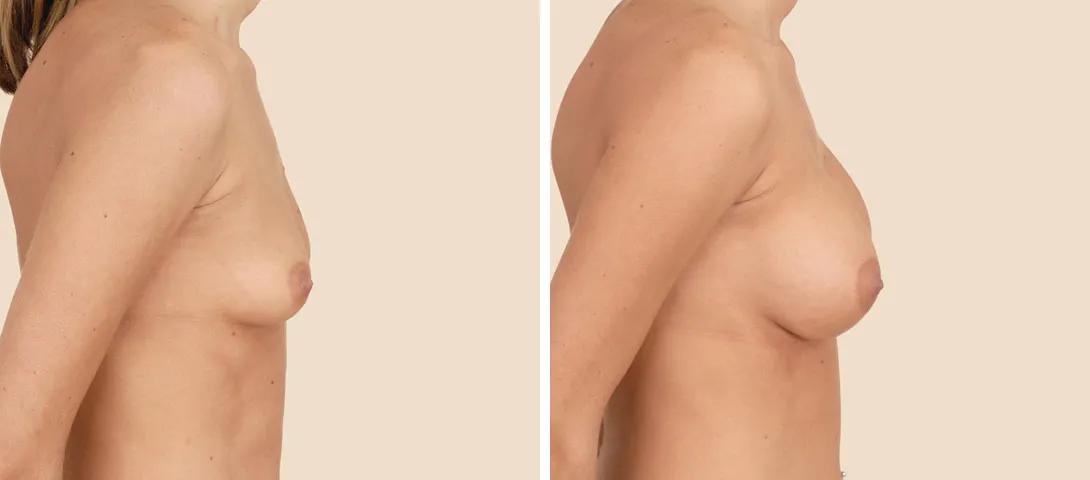
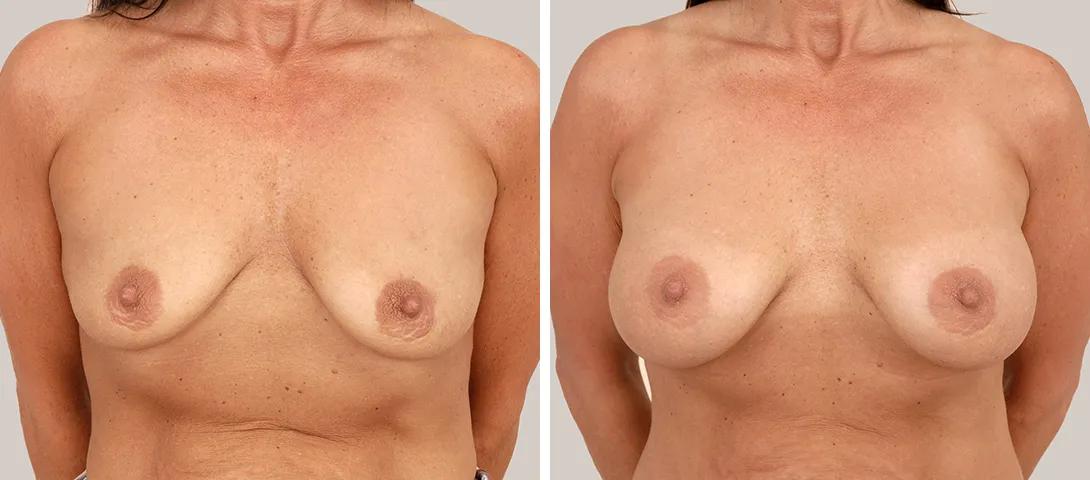
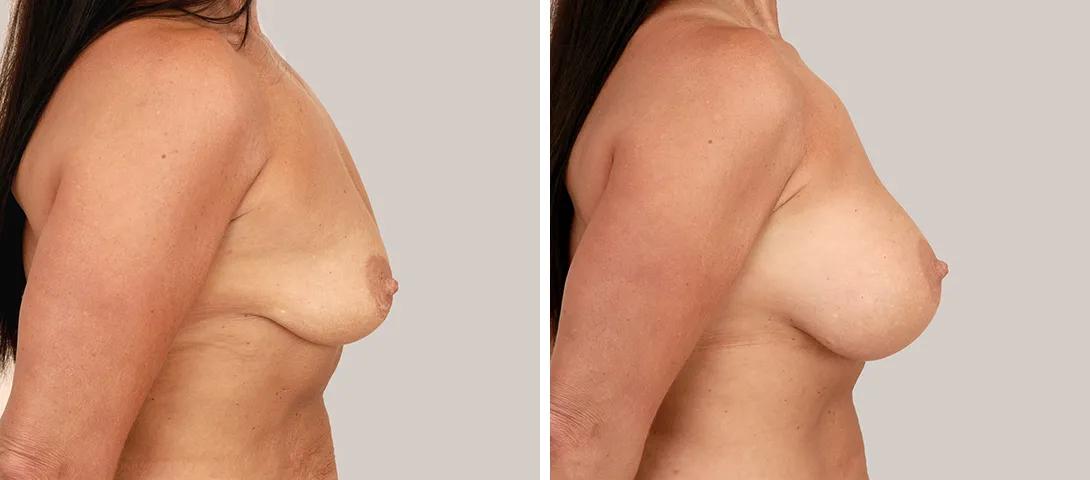
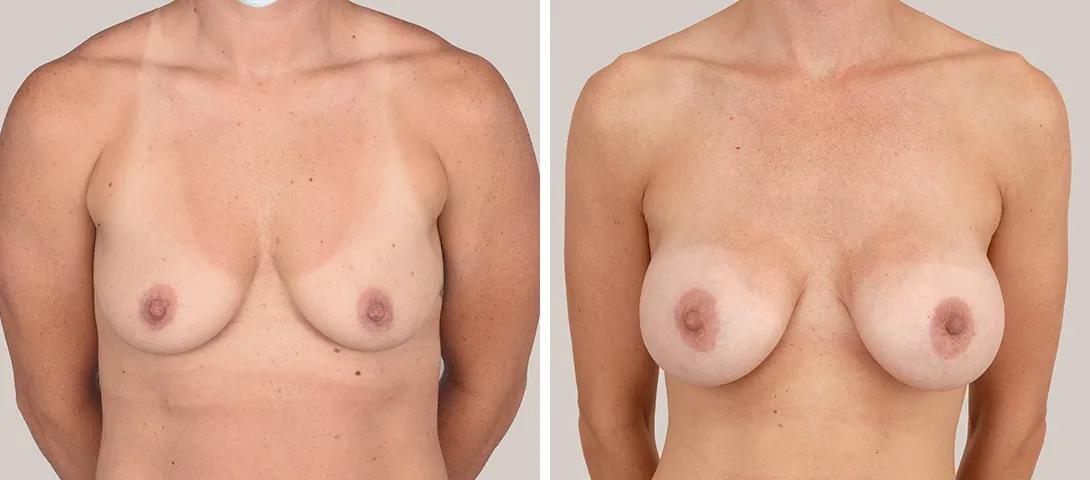
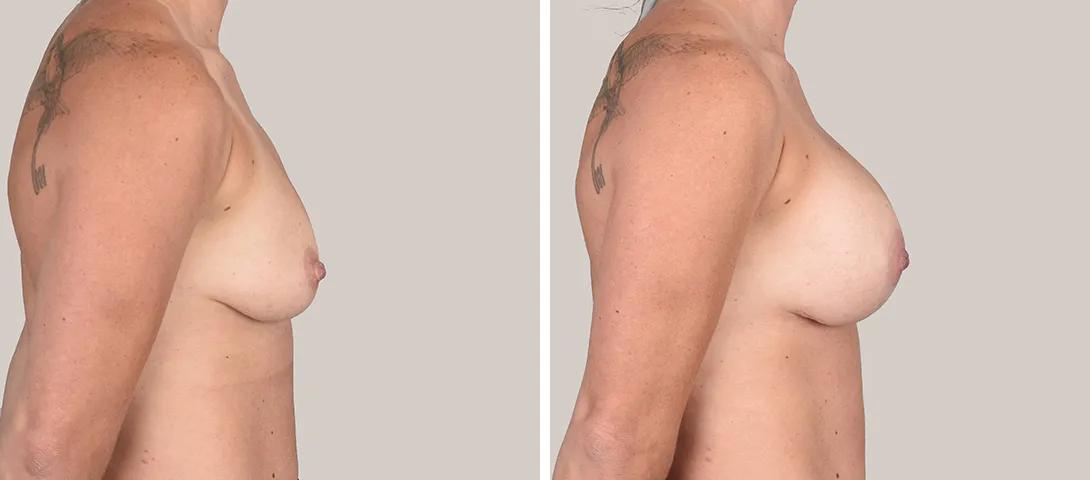
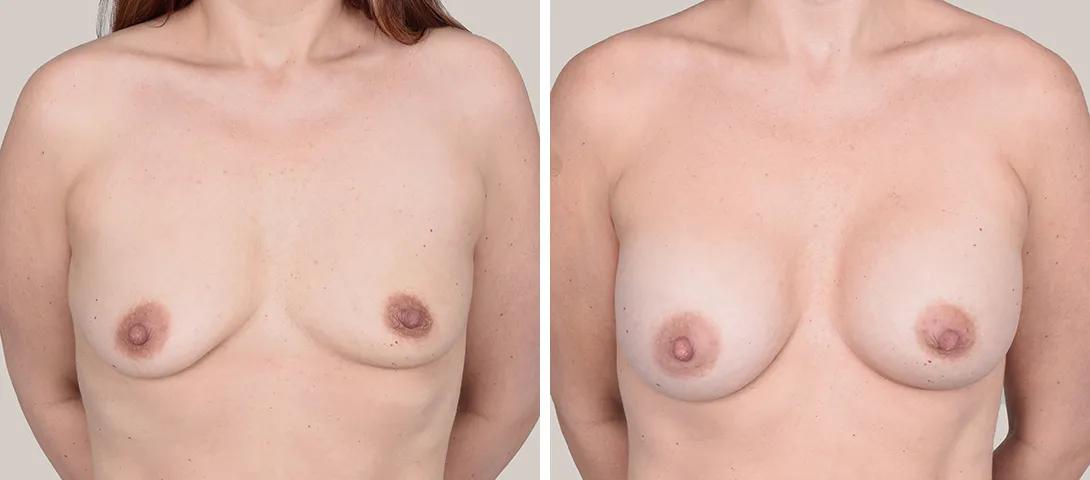
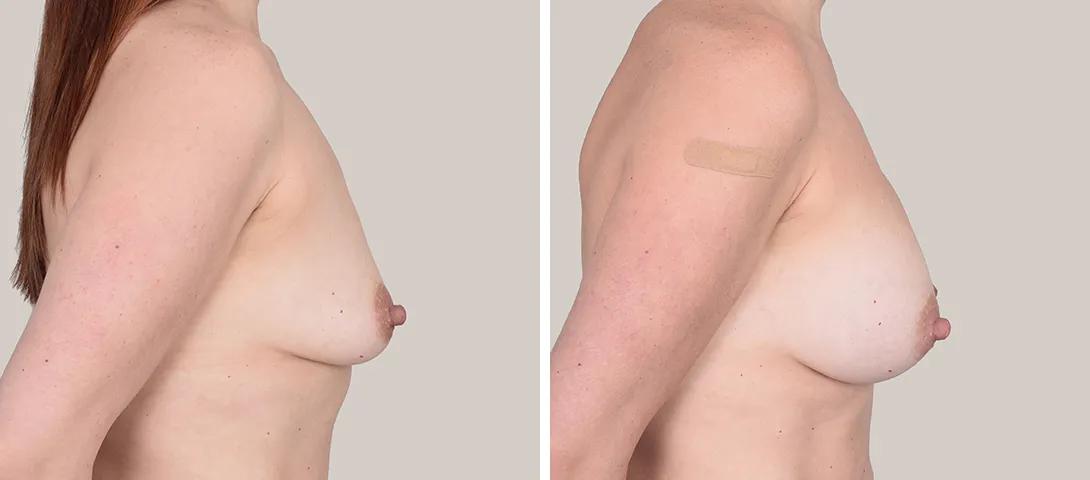
If you aren’t satisfied with the shape, size or contour of your breasts, you may wish to consider breast augmentation. Also known as augmentation mammoplasty, the procedure involves using implants or your own fat to enlarge the breasts.
Breast augmentation may also help after pregnancy or weight loss if you are unhappy with the size or droopiness of your breasts. Implants can also correct asymmetry or unevenness in breast size caused by developmental problems or breast cancer surgery performed in the opposite breast.
One or more of the following feelings or conditions may indicate that you are a good candidate for breast augmentation:
To help prepare for your procedure, plastic surgeons at Cleveland Clinic Cosmetic & Plastic Surgery Center may recommend a baseline mammogram before surgery if you are over 35 years old. This detail will help to detect any future changes in your breast tissue (following augmentation mammoplasty, you will still be able to perform breast self-examinations).
If you are a smoker, you will be asked to stop smoking well in advance of surgery. You should avoid aspirin and certain anti-inflammatory drugs for a period of time before surgery due to risk of increased bleeding. Your plastic surgeon will provide you with additional preoperative instructions.
Breast enlargement is performed with either saline or silicone implants that are placed either under the chest muscle (sub-pectoral) or over the chest muscle (sub-glandular). Cleveland Clinic Cosmetic & Plastic Surgery Center plastic surgeons evaluate individual factors and personal preferences to determine your appropriate breast size, the location of incisions and whether the implants will be placed on top of or underneath the chest muscle.
Usually performed under general anesthesia, incisions are made in inconspicuous areas of the breast to minimize visible scarring. There are a variety of incisions used to perform the procedure:
Through these incisions, the plastic surgeon creates a precise pocket to place the implant.
Some breast enlargements can be performed in a minimally invasive manner using endoscopes and small incisions made in the armpit, with the major benefit being less scarring for the patient. The procedure, which takes about one hour, is typically performed in an outpatient setting.
Breast implants are made up of a silicone shell filled with either saline (a saltwater solution) or silicone gel. Silicone gel has a thick, cohesive consistency that closely mimics human fat, offering a more ‘natural’ look and feel. Saline implants have the disadvantage of sometimes feeling like a water balloon to touch, especially in patients with thin, soft tissue.
The FDA recommends silicone gel-filled implants be available to women aged 22 and older for breast augmentation, or women of any age for breast reconstruction. Saline-filled breast implants are available to those women aged 18 and older, and women of any age for breast reconstruction.
With the many concerns that arose from reports of silicone-filled breast implants leaking and potentially causing health problems, the FDA limited the use of silicone implants in the early 1990s. Since then, numerous scientific studies have failed to produce evidence that silicone implants actually harm women’s health. At this point, silicone breast implants are the most studied medical device in existence.
Breast augmentation will make your breasts fuller and enhance their shape. Like many women who have had the procedure, you may have a boost in self-confidence. Generally, the results of breast enlargement surgery are long-lasting. Augmentation mammoplasty cannot, however, stop the natural effects of aging that eventually alters the size and shape of virtually every woman’s breasts. Long-term follow-up with your plastic surgeon is strongly recommended. View our breast augmentation before and after photos to see results from actual patients.
Breast enlargement surgery is usually performed in an outpatient setting. Be certain to plan for someone to drive you home after surgery and stay with you at least the first night following surgery.
You will be given medication to take at home. Stiffness and soreness in the chest for the first two to five days is normal. These side effects, along with some swelling and bruising, will subside over two to three weeks. Any surgical dressings will be removed within several days, and you may be instructed to wear a support bra.
Physical activity is limited for the first several weeks, with most patients able to return to work and their normal activities within two to three weeks. Each year, thousands of women undergo successful breast augmentation surgery. Yet, all surgical procedures involve some risk.
Both saline-filled and silicone gel-filled breast implants present potential risks, including:
Insurance rarely covers the cost of elective cosmetic surgery and procedures. Please call 216.444.4004 and ask to speak with one of our financial representatives who can explain payment options, including CareCredit financing.

