

Overview
Liposuction surgery changes the contour and proportion of your body by removing excess fat from a wide variety of areas. The procedure offers a way to a smoother, trimmer body for those with areas of fat that won’t go away with weight loss or exercise. It’s not an alternative to weight loss and isn’t recommended for people who are significantly overweight.
There are various types of liposuction procedures. Below are the different types of liposuction procedures performed by our board-certified physicians.
Tumescent liposuction
This surgical procedure involves injecting solution with medications for anesthesia and decreased blood loss. Prior to removing the unwanted fat, a surgeon injects the area with medications to provide anesthesia and decrease blood loss. For smaller areas, this type of liposuction may be performed under local anesthesia without going to sleep.
Power-assisted liposuction (PAL)
This procedure utilizes the tumescent technique but also uses a special device which uses tiny, rapid vibrations to break up fat cells so that they can be suctioned out of your body. This procedure allows your surgeon to treat larger areas of your body more effectively.
Why choose us?
When considering liposuction, choose a surgeon with significant experience performing the procedure. Friends, family members or an internist or primary care provider are often helpful in suggesting the best surgeon.
For the best results, choose a cosmetic surgeon who’s affiliated with a major medical center, such as Cleveland Clinic. Make sure to ask your cosmetic surgeon about their credentials, training and how many procedures they’ve performed.
Learn more about Cleveland Clinic Cosmetic & Plastic Surgery Center.
Before & After Photos
Liposuction Photo Gallery
1 of 10-
-
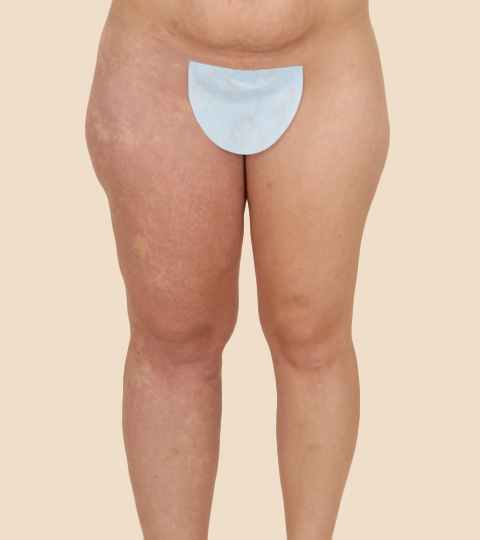
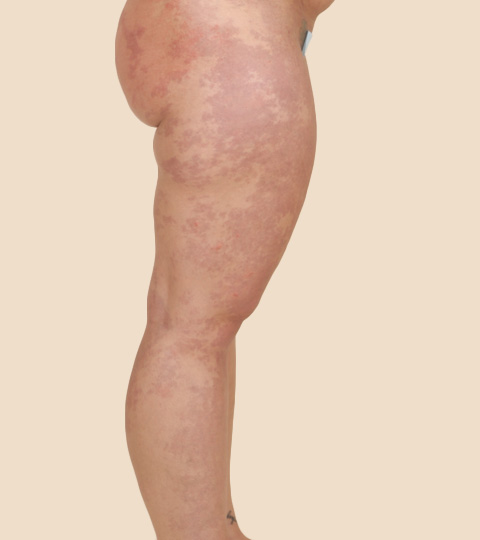
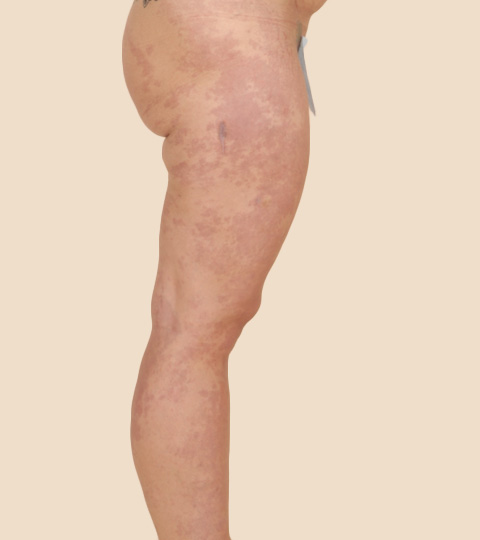
This is a woman in her early twenties who presented with a vascular syndrome that caused significant asymmetry of her lower extremities. She is shown before liposuction of the right lower extremity (left), and over 1 year after (right).
-
This is a woman in her early twenties who presented with a vascular syndrome that caused significant asymmetry of her lower extremities. She is shown before liposuction of the right lower extremity (left), and over 1 year after (right).
-
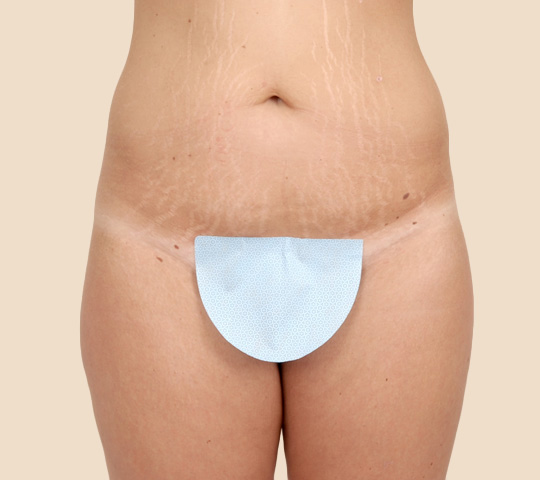
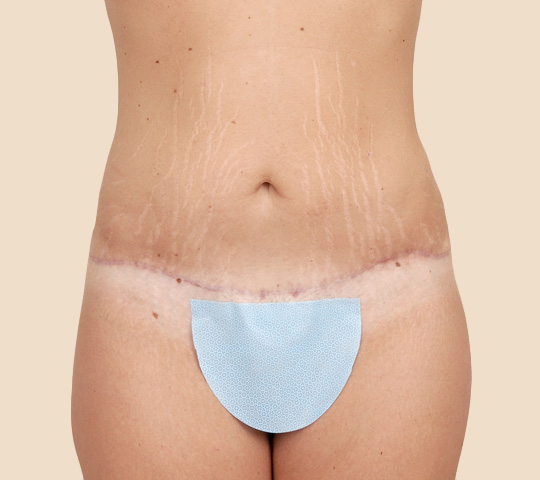
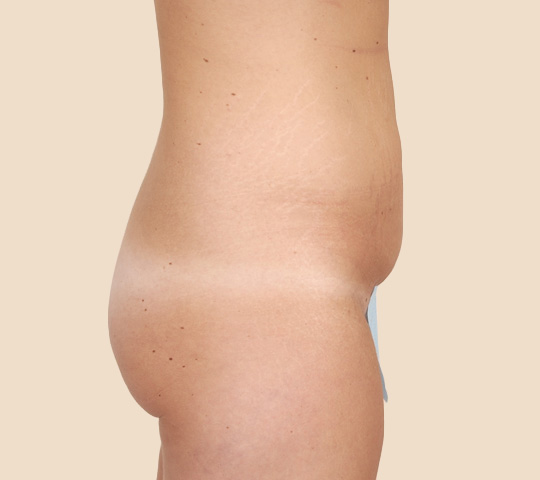
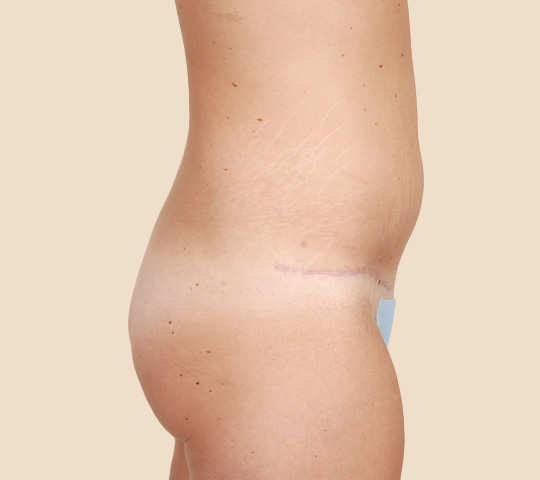
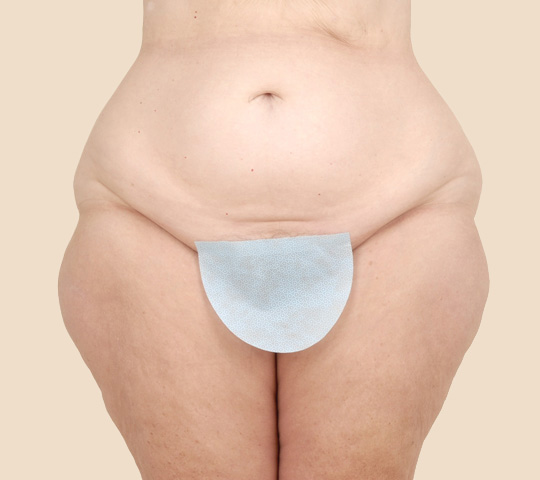
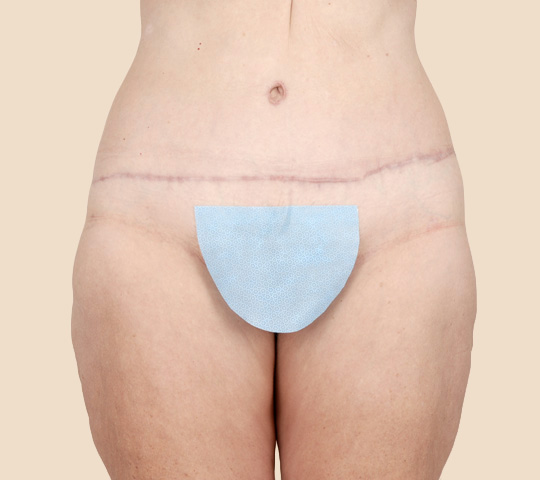
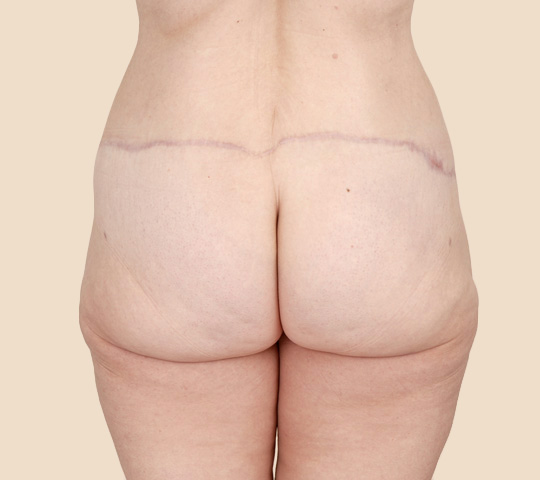
This is a 24-year-old woman who lost about 60 pounds and presented with concerns of excess fat and skin in the waist and abdomen. She is shown before surgery (left) and 4 months after surgery (right). She had liposuction of her posterior hip area (a total of 225 cc s of fat removed) along with an abdominoplasty.
-
This is a 24-year-old woman who lost about 60 pounds and presented with concerns of excess fat and skin in the waist and abdomen. She is shown before surgery (left) and 4 months after surgery (right). She had liposuction of her posterior hip area (a total of 225 cc s of fat removed) along with an abdominoplasty.
-
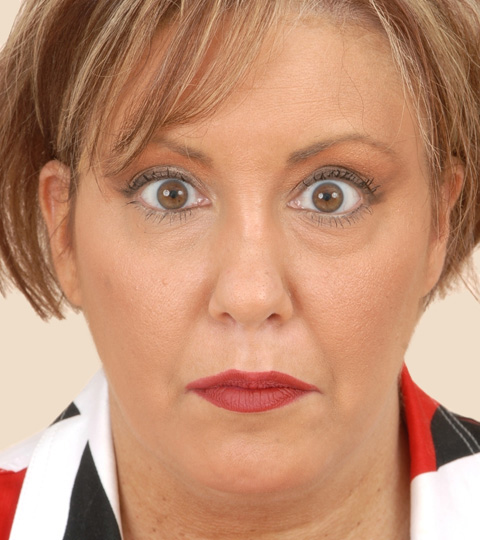
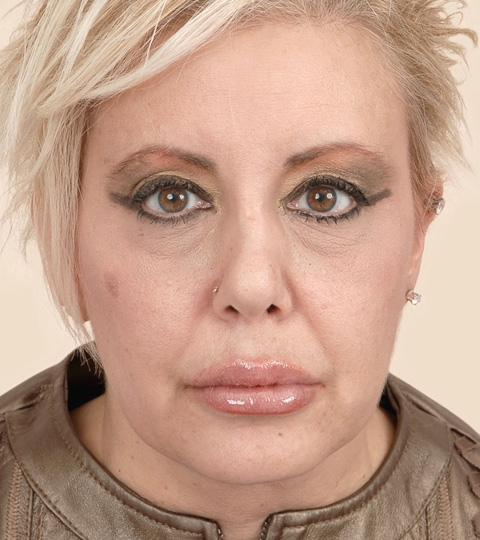
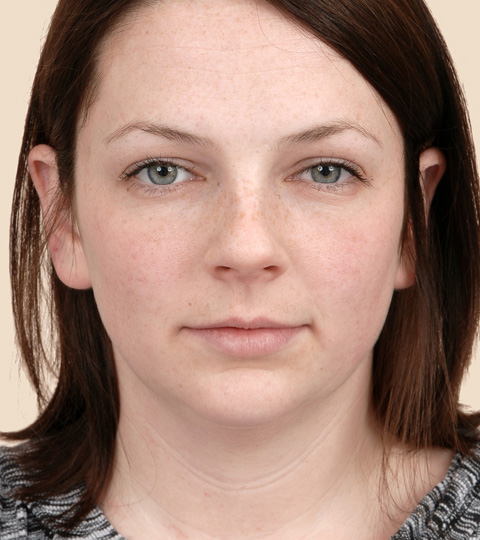
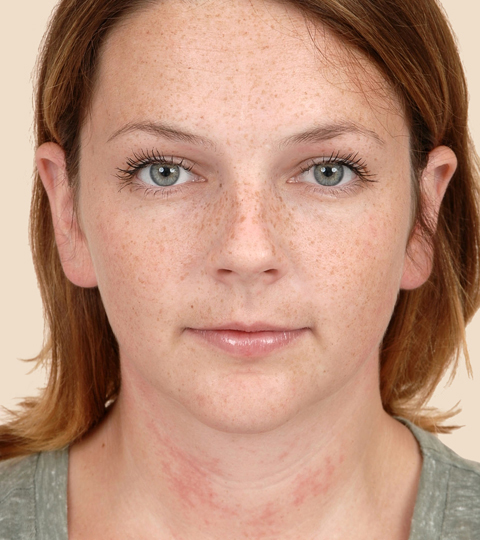
This is a 45-year-old woman who complained of excess fat in her chin area. She underwent liposuction of the submentum and is shown before surgery (left) and just 2 months after surgery (right).
-
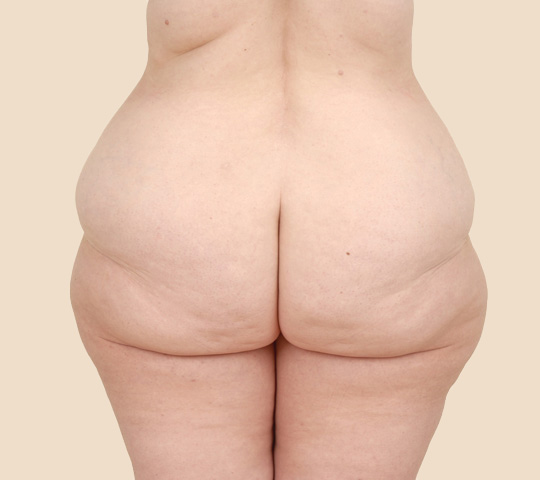
This is a woman in her late fifties who lost nearly 50 pounds and desired contour improvement to her lower extremities. She is shown before liposuction (left) and just 3 months after (right). Areas treated included lateral and medial thighs and knees.
-
This is a woman in her late fifties who lost nearly 50 pounds and desired contour improvement to her lower extremities. She is shown before liposuction (left) and just 3 months after (right). Areas treated included lateral and medial thighs and knees.
-
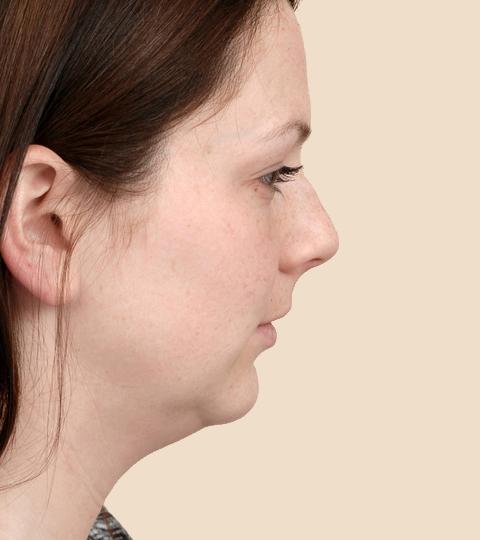
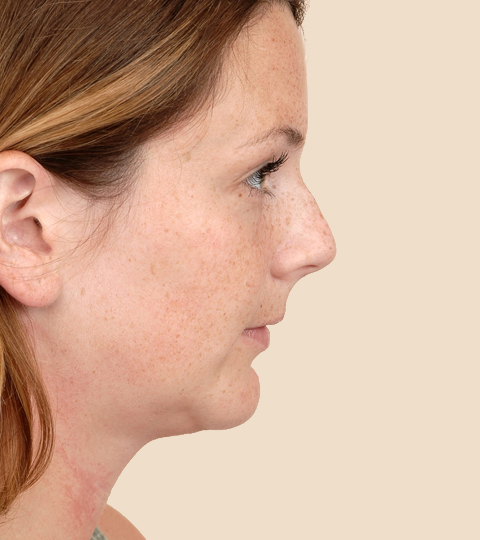
This is a woman in her mid-twenties who complained of fullness underneath her chin. She is shown before liposuction of this area (left) and 2 months after surgery (right). She also had a genioplasty.
-
This is a woman in her mid-twenties who complained of fullness underneath her chin. She is shown before liposuction of this area (left) and 2 months after surgery (right). She also had a genioplasty.



How to Prepare
Am I a candidate for liposuction surgery?
Areas most commonly treated with liposuction surgery (sometimes referred to as “lipo”) include the chin and neck, hips, abdomen, inner and outer thighs, knees, ankles and buttocks. This procedure may also treat a condition called gynecomastia (or male breast enlargement), which occurs among both teenage and adult men.
The best candidate for this procedure is a person of average or slightly above-average weight, in good health and with a localized area of fat that doesn’t respond well to diet and exercise. Liposuction surgery isn’t an effective treatment for patients with cellulite (the dimpled skin that typically appears on the thighs, hips and buttocks) or loose, saggy skin.
How do I prepare for liposuction surgery?
Plastic surgeons from Cleveland Clinic Cosmetic & Plastic Surgery Center will help you prepare for your surgery by giving you an overview of the procedure and informing you about what you can do to ensure its success. This depends on your complete understanding of the procedure and includes an open, honest conversation with your plastic surgeon during the consultation.
You should be very clear about what your liposuction surgery will entail, including:
- What your recovery will be like and how long it may take.
- What preparations you can make for your surgery.
- The results you can expect.
Your surgeon will address all these matters during your procedure consultation. However, each patient is unique with their own body makeup and medical history (which they should share with their surgeon).
What to Expect
How is liposuction surgery performed?
A number of liposuction techniques are currently being performed at Cleveland Clinic Cosmetic & Plastic Surgery Center, and they all borrow from surgical principles developed over many years. In most cases, the first thing the surgeon does is inject a solution into the treatment area. The solution is made of salt water, local anesthetic and a solution to reduce bleeding. This wetting solution also contains epinephrine (a medication that shrinks blood vessels), which helps to decrease bleeding and bruising. The solution usually includes a local anesthetic to temporarily minimize pain both during and after liposuction surgery.
Fat removal is performed using a cannula or thin tube attached to a vacuum device. After the fluid has been injected, the surgeon makes a small incision (cut) in your skin near the area that contains the fat that’s targeted for removal. They insert a narrow, metal tube through the cut into the area of excess fat. The cannula is attached to a vacuum pump via a flexible pipe. By manipulating the cannula back and forth through the fat, the surgeon can remove the fat cells. Usually, they close the incisions with a few stitches. Since no skin is removed when liposuction is performed, a surgeon relies on skin contraction or elasticity to maintain its shape. After surgery, you’ll be placed in a compression garment. It’s important that you wear your compression garment as directed by your surgeon.
Are there different options for liposuction?
There are two primary types of liposuction procedures performed at Cleveland Clinic Cosmetic & Plastic Surgery Center. Tumescent liposuction is differentiated from the super-wet technique by the amount of fluid that’s injected.
Super-wet liposuction
The wetting solution is equal to the volume of fat removed. This technique requires intravenous (IV) sedation or general anesthesia.
Tumescent liposuction
The wetting solution is two to three times the volume of fat removed. This solution causes fat deposits to swell (tumesce). Tumescent liposuction is the most used liposuction technique and requires either local anesthesia sedation or general anesthesia. Both techniques result in less bleeding (and, therefore, less bruising).
Results
What results can I expect?
During liposuction, the fat cells are removed permanently. So, if you gain weight after the procedure, it usually won’t concentrate in the area that was treated. However, it’s important to understand that your liposuction procedure won’t prevent you from gaining weight. To keep your new shape and new weight after liposuction, you must follow a proper diet and exercise plan.
What are the possible risks of liposuction?
All surgical procedures involve some risks. Liposuction surgery has a good safety record, and the risks associated with the procedure are minimized when performed by an experienced plastic surgeon. Although rare, risks include infection and skin discoloration. Patients with cellulite may develop skin irregularities due to under- or overcorrection of localized fat deposits. Avoiding extremely long procedures or excessive removal of fat can minimize the risk of medical problems from liposuction.
What is involved in recovery?
Liposuction is usually conducted in an outpatient setting with a fairly rapid recovery, so you’ll typically go home the same day. Most people can return to work within a few days and to normal activities within about two weeks. Every person’s outcome will vary based on factors such as volume of fat cells removed and area of removal. Your doctor will discuss what results you can expect to achieve and how to best maintain your new body shape.
Insurance & Financing
Insurance rarely covers the cost of elective cosmetic surgery and procedures. Please call 216.444.4004 and ask to speak with one of our financial representatives who can explain payment options, including CareCredit financing.
