


Overview
Chronic pain and complex, painful neurological disorders affect millions of Americans. And many of these people have tried multiple treatments without relief. If you have chronic pain like this, you might find it hard to work and do the things you enjoy. It can even affect relationships with your family or friends. Over time you may completely stop being active, which can make you less physically fit — to the point that even minor activities increase your pain and fatigue.
Cleveland Clinic’s Comprehensive Pain Recovery Program was established to provide the most effective evaluation and treatment for chronic pain. We focus on caring for the “whole-person,” which includes paying close attention to all of the neurological/biological, psychological and social factors related to your pain. We realize your chronic pain is unique to you and that you may need to see many different healthcare providers across many different specialties.
No matter if you need early treatment to reduce the risk of your pain becoming chronic or intensive rehabilitation for complex, treatment-resistant chronic pain, we’re here to help. The team works together to provide this comprehensive approach for every one of our patients.
The Comprehensive Pain Recovery Program provides services like medication and behavioral management strategies, as well as other programs to help you to learn more about your pain and manage it. These include:
- Chronic Pain NeuroRehabilitation Program: If you have complex pain that doesn’t respond to initial treatment, you might benefit from this intensive outpatient treatment program.
- Back on TREK: Learn how to manage low back pain in this program.
- TREK for Success: This one-time class teaches you about pain and how to cope with and manage it, using foundations from Stanford University’s Empowered Relief™ program. It will help you learn about other CCPR programs.
- TREK for Surgical Success: If you’re considering spine surgery, this one-time class will help you learn how it can help pain management and surgical outcomes. It’s based on Stanford’s Empowered Relief™
- Ketamine Infusions: Low-dose ketamine infusions are offered by our center as part of a larger, comprehensive plan for patients.
Chronic Pain NeuroRehabilitation Program
The Chronic Pain NeuroRehabilitation Program combines the know-how of medical, physical and psychological healthcare providers to help your chronic pain. You can join this program if your pain lasts longer than three months, is taking over your life and hasn’t improved with surgery and medication.
This mix of individual and group care will help restore more comfort and movement. It focuses on:
- Physical reconditioning.
- Medication management.
- Social reengagement.
- Psychological coping strategies to ensure that chronic pain and other complex neurological symptoms don’t control your life.
We started the program in 1979 and have since provided thousands of patients with successful treatment and improved quality of life. Originally named the Chronic Pain Rehabilitation Program, this service received national recognition for conducting important research on chronic pain.
What to Expect
What does the Chronic Pain NeuroRehabilitation Program involve? This is a four-to-six week, intensive outpatient (IOP) program. An active, day treatment (no hospital stay needed), it meets Monday through Thursday, three to four hours per day between 8 a.m. and 4 p.m. The length of your treatment program will depend on the progress you make.
You’ll get both intensive physical and behavioral therapies to help you manage your pain. Of course, this treatment is only the start. We’ll teach how you to maintain ongoing wellness — something that will need to become a way of life for these pain-relieving benefits to endure.
During this program we’ll craft a personalized treatment plan that keeps you and your needs in mind every step of the way. Your plan could include:
- Treatment directed by pain and neurological management physicians, nurses and behavioral therapists with special pain training.
- Physical and occupational therapy exercise classes and individual sessions.
- Medication management (typically weaning off unhelpful medications and trying non-addicting medications for chronic pain and neurological conditions).
- Group behavioral therapies for pain (including the most evidence-based psychological treatment for pain).
- Group skills training focused on improving mindset, managing stress and emotions that impact pain and mood.
- Chemical dependency education, as needed.
- Family education and counseling, as needed.
- Relaxation training, including breathing and mindfulness techniques.
Results
What should I hope for? Every person with chronic pain or with a chronic neurological symptom wants it to go away. While chronic pain is generally not curable, it’s still possible to live a happy, full and active life while also having some pain.
Our program strives to help you restore your quality of life and reduce the suffering your pain causes. It may be difficult to imagine — but our patients do it every day and often have less pain than before treatment.
Results from our virtual program clearly show participants had marked improvements in their fear related to pain, mood, pain interference and a number of other important pain-related outcomes — fatigue, social role satisfaction and feeling confident about managing their symptoms.
Patients completing CPNP go on to lead healthy, functional lives. In fact, one of our earliest graduates went on to found the American Chronic Pain Association, a national leader in our model of care that helps people around the U.S. get the relief they need.
Enroll
How do I enroll in the Chronic Pain Neurorehabilitation Program? You will need to have medical, psychological, physical therapy, and occupational therapy evaluations from our team before you can join CPNP. For more information and to make an appointment, please call 216.636.5860.
Back on TREK Program
Back on TREK (Transform. Restore. Empower. Knowledge.) is a program where our spine specialists partner with physical therapists and behavioral medicine specialists to reduce your pain, restore movement and improve your quality of life if you have chronic back pain. This program is designed for people who are still working and functioning, but who have spine pain that gets in the way of their everyday life.
If the pain is causing additional stress, and you have not seen any success with a physical therapist alone, this program may be right for you. Our Back on TREK team works with healthcare providers from other specialties to craft a personalized treatment. This will include:
- A flexible, less-intensive, yet-effective program that lasts up to 10 weeks.
- Individual physical therapy led by specially-trained physical therapists.
- Once-a-week, group behavioral medicine sessions led by pain psychologists, who teach you evidence-based ways to lessen your pain and improve movement.
- A mix of both virtual and in-person sessions.
To participate, you should be age 18+, have spine-related pain for at least three months and be able to take part in one or two appointments per week for the duration of the program.
If you would like to learn more about the program and find out if you’re eligible, please call our appointment center at 216.636.5860.
TREK for Success
TREK for Success is an introductory class that familiarizes you with our treatment model, which combines the expertise of many different providers from many different specialties. This program is specifically for patients who have chronic pain that’s lasted longer than three months and want essential skills to manage their pain and understand it in sensory and emotional ways.
The TREK for Success program includes the proven Empowered Relief™ program. All Cleveland Clinic healthcare providers who lead TREK for Success are certified through Empowered Relief.
To take part in the program, you must first be seen by a pain psychologist. Once you do this, you (and interested family members) will participate in a single, two-hour group appointment offered virtually by a live instructor. During the skill-based session you’ll learn about:
- The Comprehensive Pain Recovery Program.
- How this class fits into your recommended treatment pathway.
- How the brain processes pain, including the relationship between sensation and emotion.
- Simple skills to help you manage pain for the long term.
If you would like to enroll in the TREK for Success program, please call 216.636.5860.
TREK for Surgical Success
Like the TREK for Success Program, TREK for Surgical Success will help you understand the role of behavioral management in spine surgery. It also includes the proven Empowered Relief program. In two hours, this evidence-based, virtual group class will teach you and other patients having similar spine surgeries how to achieve control over your pain in the time before surgery.
We strongly encourage family members to attend, as it can help them understand what’s going to happen and establish a support system for your post-surgery care.
If you are having spine surgery, you may be automatically enrolled in this pre-operative virtual pain management class. We recommend reviewing your upcoming appointments in your MyChart account as this virtual class will be added to your schedule.
If you have any questions about this program, please call 216.445.0517.
If you need to reschedule, please call 216.636.5860.This program is not mandatory, but is strongly encouraged for best surgical outcomes.
Ketamine Infusions
The Comprehensive Pain Recovery Program offers low dose ketamine infusions as a part of a larger, comprehensive plan for patients who are evaluated in our center. Ketamine is a general anesthetic that is used to put people to sleep for surgery. However, at low doses, as an infusion into the blood, it can potentially help chronic pain. Ketamine infusions for chronic pain have been used and studied for over 30 years.
Despite that long history of use, the exact way ketamine works to help chronic pain is still unknown. In addition, there is no way to reliably predict if the infusion will help with pain. If you would like to be evaluated by our team for ketamine infusions, please call 216.636.5860.
Our Team
The Comprehensive Pain Recovery Program combines the expertise of providers from different specialties to deliver comprehensive care that targets the many needs of those with chronic pain and other chronic neurological disorders. Education for you and your family is a central focus. Our treatment team includes specially-trained:
- Pain physicians.
- Pain psychologists.
- Behavioral health pain specialists.
- Certified nurse practitioners.
- Social workers.
- Physical and occupational therapists.
Pain physicians manage your medical care, including weaning you from addictive medications when indicated and trying other kinds instead. Physical and occupational therapists are here to help you regain strength, endurance and flexibility.
Psychologists and counselors will guide you in understanding, identifying and changing thoughts and feelings that can increase your stress response and pain. You may also have relaxation and meditation training to help with this.
Director - Comprehensive Pain Recovery Program

Sara Davin, PsyD, MPH
Our Team

Sarah Rispinto, PhD Staff |
 Pavan Tankha, DO Staff |
 Josephine Sabharwal, MD Staff |
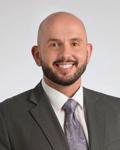 Desimir Mijatovic, MD Associate Staff |
 Joanne Schneider, DNP Certified Nurse Practitioner |
 Kelly Raj, DO Staff |
 Linn LeClair, PA-C Physician Assistant |
 Lauren Abshire, PsyD Associate Staff |
 Veronica Magda, PA-C Certified Nurse Practitioner |
 Ann Farris, CNP Certified Nurse Practitioner |
 Lauren Traczyk, CNP Staff |
 David Weaver LISW with Behavioral Health Therapist |
Meditation Audios
Use our Meditation Audio tools to help manage your chronic pain.
Appointments & Locations
Make an Appointment
To make an appointment with a Comprehensive Pain Recovery specialist, please call 216.636.5860.
Virtual Visits
Whether you're a new or existing patient, you can get an initial evaluation or follow-up care from a pain specialist using your phone, tablet or computer. This means there's no travel or parking, less waiting and significant time savings. Call 216.444.5812 to schedule a virtual visit for you or a loved one and get details on cost and set-up instructions.
Learn more about virtual visit options for scheduled appointments.
MyChart
MyChart connects you to your healthcare team from the comfort and safety of home. With this secure, online tool, you can manage your appointments and complete pre-visit tasks, communicate with your providers and keep track of your test results and medications.
Visit clevelandclinic.org/mychart to get started.
Locations
Medical Professionals
Refer a Patient
The Center for Spine Health offers direct referral lines to ease the process of making a patient referral.
To refer a patient to the Neurological Institute via phone, please call our dedicated physician referral hotline at 216.445.8455. An intake coordinator will handle your call directly. If you are unable to reach an intake coordinator, please leave a message and they’ll return your call within the work day (if left before 1 p.m. ET) or the next work day (if left after 1 p.m. ET).
To refer a patient to the Neurological Institute via fax, please download and complete our physician referral form and fax to 216.636.2596.
