Overview
Why choose Cleveland Clinic for breast cancer care?
Our Comprehensive Breast Cancer Program is one of the largest and most specialized in the nation. As part of the Case Comprehensive Cancer, we are one of only 41 comprehensive cancer centers in the nation designated by the National Cancer Institute. Cleveland Clinic has also achieved a Three Year Full Accreditation from the American College of Surgeons' National Accreditation Program for Breast Centers (NAPBC). Cleveland Clinic is recognized in the U.S. and throughout the world for its expertise and care.
Our multidisciplinary physician team of breast surgeons, medical oncologists, radiation oncologists, radiologists, pathologists, and plastic surgeons work together to provide customized, coordinated care for patients. We offer the highest-quality screening, diagnosis and treatment of breast cancer.
We are a national leader in intraoperative radiation therapy, novel targeted therapies and adjuvant therapies for breast cancer, and also in fertility preservation for cancer patients. We also participate in important clinical trials of brand new therapies and our patients have access to these trials for every stage of breast cancer. Our cancer specialists are pursuing many promising avenues of research — including the development of a breast cancer vaccine — to bring hope to future patients as well.
Hereditary high-risk breast cancer care
Cleveland Clinic offers a unique, hereditary high-risk clinic to help manage the risk for individuals with identified mutations and untested family members, or a strong family history of breast cancer.
Characteristics that may suggest a hereditary predisposition include:
- Diagnosis of breast cancer before age 50
- Triple-negative breast cancer
- Two breast cancer primaries
- Several family members that are on the same side with breast and/or ovarian cancer or pancreatic cancer
- Male breast cancer
- Known familial gene mutation
Early identification of patients at increased risk due allows for a proactive approach to care, including genetic counseling, education about lifestyle changes, enhanced surveillance, chemoprevention, and risk-reduction surgery.
What We Treat
About breast cancer
Breast Cancer Resources
Detection
Services
- Breast Reconstruction
- Lymphedema Rehabilitation
- Patient Support Services
- Radiation Oncology
- Young Women's Breast Cancer Program
Treatments options
Appointments & Locations
At Cleveland Clinic our team is committed to providing you with the highest quality, comprehensive, efficient and compassionate care. We offer several community locations for routine screening mammography and consultations for the diagnosis and management of breast disease.
Schedule an appointment
To schedule your mammogram, make an appointment with one of our breast cancer specialists, or request a second opinion, please call 216.445.7946.
Breast center locations
Whether you’ve just been diagnosed, need a second opinion, or are seeking cancer treatment, Cleveland Clinic Breast Centers provide you comprehensive care for breast disease and cancer treatment.
Mammography
Cleveland Clinic makes it easy to get your mammogram.
Support & Services
Patient services
Cleveland Clinic's Comprehensive Breast Cancer Program offers the highest quality care for the screening, diagnosis and treatment of all medical and cosmetic breast problems.
We offer a full range of services to address all of your needs, including:
- Routine screening mammography
- Comprehensive evaluation for patients at high risk due to family history or prior cancer
- Timely diagnosis and treatment
- Second opinions
- Full range of medical and surgical treatment options for breast cancer
- Consultation for breast reconstruction
- Access to the latest clinical research trials
Specialty clinics
Cleveland Clinic breast cancer patients have access to a wide range of experts who specialize in breast imaging, medical breast care, breast surgery, plastic and reconstructive surgery and genetics. Our specialists also offer unique specialty clinics for:
- Young women with breast cancer
- Women with high-risk, hereditary breast cancers
- Women with lobular breast cancer
- Women with locally recurrent breast cancer
Patient support
In addition to offering state of the art diagnostic techniques and breast cancer treatment methods, our breast cancer specialists also offer an array of resources that can help patients cope with the demands of breast cancer. Patients are encouraged to take advantage of these resources to ease the burden of managing breast cancer and breast cancer treatment.
- For more information on a variety of support groups, information, and wellness plans visit the Cancer Patient Education page.
Patient resources
Cleveland Clinic’s Comprehensive Breast Cancer Program offers resources to help patients and their families through the cancer journey. By working with these organizations, we can help extend our patients resources:
- Breast Cancer Fund of Ohio (BCFO) is here to support patients that are experiencing financial hardship while receiving breast cancer care.
Patient navigator
Cleveland Clinic's Comprehensive Breast Cancer program offers a free resource called a patient navigator. Your patient navigator assists you throughout the entire breast cancer journey – helping you through the diagnosis, treatment, follow-up care and any obstacles that might arise.
Your patient navigator can help:
- Connect you with the services needed within Cleveland Clinic, community agencies and elsewhere if necessary
- Schedule and coordinate your appointments
- Assist with counseling needs and provide emotional support
- Provide you with resources to assist with financial hardship or other needs
Clinical Trials & Research
We can help you access hundreds of clinical trials across all specialty areas. Our new searchable online trials tool makes identifying treatment opportunities easier than ever.
Clinical trials
Clinical trials can not only expand your treatment options but give hope to others.
Cleveland Clinic offers a wide range of clinical trials that have the potential to advance the cause of preventing, diagnosing and treating cancer. Some of the most important breast cancer trials focus on:
- Triple-negative breast cancer
- Central nervous system (CNS) metastases
- HER-2 targeted therapies
- Immunotherapy
- Liquid biopsy
- Hair loss prevention
Cleveland Clinic cancer center clinical trials
Clinical trials (or research studies) help us create the medicine of tomorrow. They provide hope through offering testing of new drugs, new surgical techniques or other treatments before they are widely available.
Questions you should ask the doctor or study nurse about cancer clinical trials:
- What is the purpose of the study?
- What has previous research of this treatment shown?
- What is likely to happen in my case with, or without the treatment?
- Are there standard treatments for my type of cancer?
- How does this study compare with standard treatment options?
- What phase is this cancer clinical trial?
- What are the possible short and long-term risks, side effects and benefits of the treatment?
- What kinds of treatments, medical tests, or procedures will I have during the study? And how do they compare with what I would receive outside of the study?
- How long will the study last? Will there be a follow-up after the study?
- Where will my treatment take place? Will I have to be in the hospital?
- How will I know the treatment is working?
- How could the study affect my daily life?
- Will my records be kept confidential?
- Will my insurance pay for the treatments?
- If I decide to withdraw from the study, will my care be affected? Will I need to change doctors?
Research
Cleveland Clinic breast specialists have made enormous progress in the prevention, diagnosis and treatment of breast cancer. More women than ever before are winning the fight because of improvements in prevention and detection and the advances in treatment options and services available.
One of the most important advances is the ability to tailor treatment based on the risks and benefits for a specific patient, which could lead to better outcomes and fewer side effects.
Cancer clinical trials offer patients important treatment options and access to the latest treatments and procedures resulting from cancer research. Participation in clinical trials also helps scientists and researchers advance the cause of preventing, diagnosing and treating cancer.
- Learn more about the Cleveland Clinic Breast Center Research Lab.
Breast cancer vaccine
Cleveland Clinic is taking the lead in developing a breast cancer vaccine.
Thanks to the dedication and innovation of late Dr. Vincent Touhy, the idea that a vaccine can prevent breast cancer may one day become a reality.
- Learn more about the research that's being done and trial qualifications at www.clevelandclinic.org/tnbcvaccine.
Webchat transcripts
Medical Professionals
Cleveland Clinic Cancer Center is committed to working with you to provide the best care for your patients. Our team is also dedicated to the training and education of medical professionals to advance cancer care and research.
Make an online referral
To make a direct online referral to our Cleveland Clinic Cancer Center, complete our Online Cancer Patient Referral Form or visit clevelandclinic.org/cancerpatientreferrals.
You will receive confirmation once the appointment is scheduled.
Cancer Advances podcast
A Cleveland Clinic podcast for medical professionals exploring the latest innovative research and clinical advances in the field of oncology. Listen to Cancer Advances.
- Liquid Biopsy in Breast Cancer with Dr. Julie Lang
- Biosignature Predicts Benefit of Adjuvant Radiotherapy in Patients With DCIS with Dr. Chirag Shah
- The Latest Advances in Lymphovenous Bypass Surgery with Dr. Stephanie Valente
- Triple-Negative Breast Cancer Prevention Vaccine with Dr. G. Thomas Budd
- Current Advances in Breast Reconstruction with Dr. Sarah Bishop
- The Latest in Breast Cancer Clinical Trials with Dr. Jame Abraham
- The Evolution of Breast Cancer Radiation with Dr. Chirag Shah
- Insights from Cleveland Clinic’s Breast Cancer Survivorship Program with Dr. Halle Moore
- Advances in Lobular Breast Cancer Research with Dr. Megan Kruse
Consult QD | Cancer
Our cancer care blog for physicians and healthcare professionals. Discover emerging advances, innovations and research insights from Cleveland Clinic Cancer Care specialists. Explore Consult QD.
Resources
Breast Psychology Shared Medical Appointments (SMAs) 2025
Our psychologists who specialize in breast cancer and hereditary breast cancer risk offer an array of group sessions that can help patients cope with the demands of breast cancer. Check out our different sessions to see what would be right for you!
There is a limit of 10 participants per group. Groups will be led by a licensed psychologist who specializes in breast cancer and hereditary breast cancer risk. All groups are virtual and billed as group psychotherapy (CPT 90853), covered by most insurances under mental health services. Please check with your insurer. You must be a patient of the Cleveland Clinic Breast Center to participate. To register call 216.445.7946.
Breast Cancer STAR: Survivorship Tools and Resources
A virtual program designed to improve symptom management, mood and functioning for breast cancer survivors.
Women Under 50 | Fridays 1-2:30 p.m.
- Session Dates:
- Sept. 5, 12, 19, 26 Oct. 3, 10
Women 50+ | Fridays 1-2:30 p.m.
- Session Dates:
- Jul. 18, 25, Aug. 1, 15, 22, 29
Breast Cancer HEART: Healing, Empowerment, Acceptance and Resilience Tools
A virtual program designed for patients newly diagnosed or in active treatment that focuses on techniques to support adjustment, coping, and well-being. Participants can join any or all five sessions.
Women Under 50 | Tuesdays 2-3:30 p.m.
- Summer Session Dates:
- Jun. 24, Jul. 1, 8, 29, Aug. 5
- Fall Session Dates:
- Sept. 16, 23, 30, Oct. 7, 14
- Winter Session Dates:
- Dec. 2, 9, 16, 23, Jan. 6
Women Under 50 | Thursdays 2-3:30 p.m.
- Summer Session Dates:
- Jul. 10, 17, 24, 31, Aug. 14
- Fall Session Dates:
- Sept. 11, 18, 25, Oct. 2, 9
EMPOWER Empowering Women Engaging in Risk Reducing Surgery
Patients with Hereditary Breast Cancer face challenges in deciding how to manage their risk, body image, sexual health after risk reducing surgery and the emotional impact of family cancer history. This four-session virtual group intervention will focus on skills to use before and after risk reducing mastectomy.
Thursdays 2-3:30 p.m.
- Session Dates:
- Aug. 14, 21, 28, Sept. 4
Living Well with Breast Cancer (LWBC)
A group for individuals living with chronic breast cancer or recurrence. This program offers a space to connect with others and explore strategies for coping with illness, navigating physical changes, managing relationships, and fostering acceptance and resilience.
Tuesdays 2-3:30 p.m.
- Session Dates:
- Aug. 12, 19, 26, Sept. 2, 9, Oct. 21, 28, Nov. 4, 11, 18
Treatment guides
Patient stories
Hear the inspiring stories of real Cleveland Clinic patients fighting breast cancer.
- Retired Nurse Overcomes Breast Cancer and Heart Attack After Delay Seeking Care
- Young Man Discovers Lump on Chest, Never Expects Breast Cancer
- Breast Cancer Survivor Learns the Difference a Caring and Compassionate Team Can Make
- Cleveland Clinic Nurse Overcomes Stage 1 Cancer Diagnosis and Double Mastectomy
- Mammogram Helps Woman Attain Long-Sought Preventive Care
- No Looking Back for Breast Cancer Survivor After Mastectomy and Lymphedema
- Breast Cancer Patient Discovers 100 Years of Family History with Same Disease
- NYC Woman Navigates Breast Cancer Diagnosis During COVID-19 Pandemic
- Triathlete Battles Breast Cancer, Discovers She Has Aortic Aneurysms
- Nurse Living With Breast Cancer Helps Patients Just Like Her
- Man Fighting Breast Cancer Is Grateful for Family, Faith and Quick Access to Care
- Breast Cancer Patient Feels Sensation Again After Nerve-Restoring Surgery
- Young Mom With Metastatic Breast Cancer Fights to Impact Medical Research
- Woman Overcomes Breast Cancer, Becomes Mom After Treatment Preserved Fertility
Health Essentials
Find helpful posts from Cleveland Clinic’s Health Essentials site. Discover the latest breast cancer health and wellness tips.
- Can Anyone Get a 3D Mammogram, and Is It Covered By Insurance?
- Implants or Tissue Transfer: What’s Right for You After a Mastectomy?
- Does Using Hair Dye Increase Your Breast Cancer Risk?
- Breast Cancer Genes Explained: How & When to Get Tested
- Is a Preventative Breast Cancer Vaccine in Our Future?
- Skipped Your Mammogram Due to COVID-19? Schedule One Now
- Can Exercise Reduce My Risk of Breast Cancer?
- Thermography vs. Mammography: What Are the Differences and Is One Better Than the Other?
- Don’t Be Alarmed by This COVID-19 Vaccine Side Effect That Could Be Confused With Breast Cancer
- Is It Safe To Get a Mammogram During the Pandemic?
- How Fast Does Breast Cancer Spread?
- Why Do My Breasts Itch Inside?
- Where Does Breast Cancer Spread?
- 14 Questions You Should Ask Your Doctor About Your Breast Cancer Diagnosis
- Can Soy Cause Breast Cancer?
- Is It Safe To Get a Mammogram During the Pandemic?
- Should You Have Chemotherapy Before Surgery for Breast Cancer
- 4 Ways Your Genes Affect Breast Cancer Care
- If You Have Breast Pain, Should You Worry?
- Male Breast Cancer: It’s Less Common Than in Women, But Still Serious
- Joint Pain: A Common Side Effect of Certain Breast Cancer Treatments
- How to Beat Fatigue in Your Breast Cancer Fight
- The Best Foods to Eat When You Have Breast Cancer
Virtual patient event: Breast Cancer 101
During our virtual patient event, Breast Cancer 101, experts in Cleveland Clinic's Breast Cancer Program walk through the experience of a newly diagnosed breast cancer patient. They explain diagnostic testing, medical terminology and factors they consider when making treatment recommendations for patients.
Virtual patient event: Breast Cancer and Your Genes
During our virtual patient event, Breast Cancer and Your Genes, members of the Cleveland Clinic Breast Cancer Program discuss genetic testing, how to cope with genetic results and treatment options for patients with genetic related breast cancer and those at high-risk for the development of breast cancer.
Navigating Fertility and a Breast Cancer Diagnosis
Watch our video featuring our multidisciplinary team of experts sharing guidance on how breast cancer patients can address fertility concerns. Learn about the steps you can take to preserve fertility while navigating cancer treatment and planning for the future.
Balancing Breast Cancer Treatment and Pregnancy
Pregnancy-associated breast cancer is a rare but challenging diagnosis, occurring during pregnancy or within the first year after delivery. This diagnosis brings unique emotional and medical complexities for expectant and new mothers.
Watch our video to hear from our experts as they discuss the critical steps and considerations for managing breast cancer during this delicate time.
Podcasts
Listen to episodes from Cleveland Clinic’s Butts & Guts podcast about breast cancer topics:
- Learning About Lymphovenous Bypass Surgery with Dr. Julie Lang & Dr. Stephanie Valente
- Updates in Breast Cancer Screening with Dr. Laura Dean
- Breast Cancer Risk Factors & Screening: A Radiologist's Perspective with Dr. Laura Shepardson
- Breast Cancer Screening and Treatment During the Coronavirus Pandemic with Dr. Halle Moore
- Mammogram Screenings: What you need to know with Dr. Laura Dean
- Direct-to-Consumer Genetic Testing for Breast Cancer with Dr. Holly Pederson
- Early Stage Breast Cancer: Exploring Ductal Carcinoma in Situ (DCIS) with Dr. Stephanie Valente
Listen to episodes from Cleveland Clinic’s Health Essentials podcast about breast cancer topics:
- Breast Cancer Vaccine Trial: What You Need to Know with Dr. Thomas Budd
- Lumps, Skin Changes and Other Breast Cancer Concerns with Dr. Megan Kruse
- Breast Cancer: Basics and Beyond with Dr. Jame Abraham
Listen to the following episodes to help with relaxation, healing and pain management.
Young Women’s Services
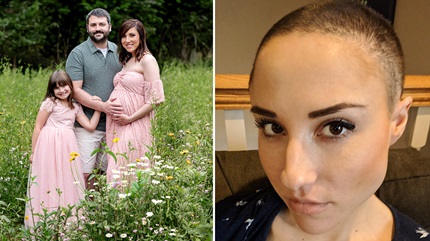
A breast cancer diagnosis can be a very scary thing at any age. But for young women under 40, there may be additional concerns such as genetic risk factors and long-term effects of treatment that may impact fertility, quality of life or overall health. Many people aren’t sure where to turn or what their first step should be.
At Cleveland Clinic, we’re here to help you throughout your journey. We provide the highest quality compassionate care personalized for you. Our team consists of surgeons, medical oncologists, radiation oncologists, radiologists, plastic surgeons, psychosocial specialists, rehabilitation specialists, geneticists and fertility specialists. We’ll work with you to determine the best course of treatment for your breast cancer diagnosis and address any concerns that treatment may have on your overall health.
Learn more about our team, treatment and services offered at Cleveland Clinic.