


Overview
The mission of the Neuroethics Program is to conduct cutting-edge neuroethics research, both scholarly and empirical, provide the highest level of training in clinical neuroethics, and develop and promote best ethical practices in the diagnosis and treatment of neurological diseases. We provide ethics consultation services to patients, families and care providers, and investigate ethical challenges they face. The neuroethics program is also committed to engaging community stakeholders in emerging technologies, as well as mental health needs. Cleveland Clinic’s Neuroethics Program is housed in the Neurological Institute. Paul J. Ford, PhD (see www.paulfordethics.com) serves as director of the Neuroethics Program.
A great need exists to address the emerging ethical challenges related to brain-based diseases that patients, families, caretakers, researchers and clinicians face. This is particularly true given the increasing incidence of brain-based diseases and the resulting worldwide burden of suffering and disability. In the Neuroethics Program at Cleveland Clinic, we approach these ethical challenges in a practical manner, starting from the problems that arise in the prevention, diagnosis and treatment of neurological conditions. We undertake research, education and clinical support. And we do this through collaborations with clinicians, clinical researchers, community stakeholders and bioethicists.
Neuroethics Consultation
The Neuroethics Program faculty provides ethics consultation services within Cleveland Clinic to patients, families, clinicians and researchers on topics related to neurosurgical choices or more generally in neurological research. Further, we’re actively involved with various neuroethics-related work on both national and international levels.
Other functions in Clinical Neuroethics:
- Consent monitor for clinical research
- Participation in specialized patient management conferences, including conferences for epilepsy surgery and deep brain stimulation that highlight patient selection and challenging patient care issues
- Frequent consults on specific inpatient and outpatient neurosurgical issues (we’re called on over twenty times per year to consult on specific inpatient/outpatient surgical issues)
For internal consultation requests, please use this link to fill out our form: Neuroethics Consult Intake (Ethical Design, Qualitative Methods, and Value Dilemmas).
For external consultation requests, please email Dr. Paul Ford at fordp@ccf.org.
Opportunities
Dr. Ford and the Cleveland Clinic Neuroethics team welcome collaborators, co-authors, trainees and students interested in the ethical dimensions of neuroscience, neurosurgery and neurological care.
We’re open to inquiries from:
- Undergraduate and graduate students interested in bioethics, neuroscience, philosophy, or medical humanities
- Medical students, residents and fellows seeking research, mentorship or ethics-focused clinical experience
- Faculty or postdoctoral researchers in neurology, neurosurgery, psychiatry, law or related fields
- Writers, journalists or science communicators exploring ethical topics in brain science
- Community partners or educators interested in promoting equal access and ethical awareness in brain health research
Collaborators may contribute to:
- Qualitative research (e.g., interviews, thematic analysis)
- Manuscript development or grant proposals
- Ethics consultation scholarship
- Development of educational materials or public-facing work
How To Get Involved
To ask about opportunities, please send a brief statement of interest (one to two paragraphs) and a CV or résumé (PDF) to Dr. Paul Ford at fordp@ccf.org (see also paulfordethics.com/research-opportunities). If you’re a resident or fellow considering a clinical program at Cleveland Clinic and would like to integrate bioethics into your training, we especially encourage you to reach out.
Publications and Research
Grants
- “Giving and Taking Away: Mapping Ethical Recommendations for Addressing Emotional Retraumatization in Bionics Research (NIBIB R21EB036446-01),” Multi-PI: Paul Ford, PhD with Paul Marasco, PhD; 09/15/2025–09/14/2027.
- “Utilizing AI to realize the value of skin biopsy phosphorylated α-synuclein in early diagnosis of Parkinson’s disease,” Parkinson’s Foundation Trailblazer Award, Co-Investigator: Paul Ford, PhD (PI: Jay Alberts, PhD); 07/01/2025–06/30/2027.
- “Neural Correlates of Suicidal Behavior in Youth: A Pre- and Post-CAMS Therapy Neuroimaging Study, MQ Center of Excellence,” Co-Investigator: Paul Ford, PhD (PI: Tanitani Falcone, MD); 08/01/2025–Present.
- “Optimizing Decision Support for Alzheimer’s Disease Research,” Alzheimer’s Association Research Grant (AARG-22-974462) Roles: PI: Lauren Sankary, JD., Co-I Paul Ford, PhD. 09/2022-06/2025.
- “COVID-19 Related Barriers to Informed Consent in Aging and Cognitively Vulnerable Patients,” National Institute on Aging (NIA) (3P30AG062428-02S2). Roles: Co-I: Lauren Sankary, JD. 09/2020-present.
- “Summit and Consortium for Mental Health First Aid,” Cleveland Clinic Caregiver Catalyst Grant, Role: Awardee/organize, 07/01/22-06/30/23.
- “Mental health First Aid: A CCF/Glenville Collaboration,” Cleveland Partnership Award, Cleveland Clinic Community Health & Partnerships, ($17,250) Role: Program Partner and Grant writer, Awardee: Khnemu Foundation. 05/10/22-05/09/23.
- “Neurologist-in-Training Clinical Ethics Elective,” The American Academy of Neurology, American Neurological Association, and the Child Neurology Society, Mentor: Paul Ford, PhD. Awardee: S. Tavella-Burka. 01/07/22-30/06/23.
- “Shor Study: The Effects of Integrative Behavioral and Wellness-Based Interventions for Patients with Epilepsy,” Philanthropy donor Charles Shor, Co-investigator: Paul Ford; 01/01/21 – Present.
- “Cleveland Clinic Brain Study,” Cleveland Clinic Funded, Co-investigator: Lauren Sankary, JD, Paul Ford, PhD; 01/01/21 – Present.
- “Ethics of Choice of Invasive versus Non-invasive Neurosurgery: Different Stakeholders’ Perspectives, NIMH NIH Surgical Decision-making, and Impact on Patient Sense of Control,” Mechanism: RF1,PI: Cynthia Kubu, PhD. Co-I: Lauren Sankary, JD, Paul Ford, PhD 7/20/2020-7/19/2024.
- "Ethical Safeguards for Exit and Withdrawal from Implanted Neurotechnology Research,” National Institute of Neurological Disorders and Stroke (1F32MH115419). PI: Lauren Sankary, JD, 09/2017-01/2020
- “Electrical Stimulation of the Dentate Nucleus for Upper Extremity Hemiparesis Due to Ischemic Stroke (EDEN),” National Institute of Neurological Disorders and Stroke (UH3NS100543-01). Consent Monitor: Lauren Sankary, JD, Paul Ford, PhD. 09/2016 – 06/2022.
Publications
- Ford PJ, Morley G, Sankary LR. Attending to Trauma, Balancing Power, and Prioritizing Stakeholders in Ethics Consultation. J Clin Ethics. 2025;36(1):63-68. doi:10.1086/733387
- Sankary LR, Rico V, Zelinsky M, et al (including Ford PJ). Building expert consensus regarding sharing of individual research results in Alzheimer’s disease research: a Delphi study protocol. BMJ Open. 2024;14(8):e089242. doi:10.1136/bmjopen-2024-089242
- Merner AR, Frazier TW, Ford PJ, et al. A Patient-Centered Perspective on Changes in Personal Characteristics After Deep Brain Stimulation. JAMA Netw Open. 2024;7(9):e2434255. doi:10.1001/jamanetworkopen.2024.34255
- Sankary LR, Zelinsky ME, Ford PJ, Blackstone EC, Fox RJ. Overcoming barriers to informed consent in neurological research: Perspectives from a national survey. Res Ethics. 2023;19(1):42-61. doi:10.1177/17470161221131497
- Ford PJ, “Neuroethics, Neurodiversity, and Neurodisability.” 2022. Guidance for Healthcare Ethics Committees 2nd edition. Eds. Hester DM & Schonfeld T. Cambridge University Press. 175-182.
- Sun XR, Ford PJ, Schulder M. 2022. “History and Ethical Considerations in Functional Neurosurgery.” in Youmans & Winn Neurological Surgery, 8th edition. ed. Winn HR, Elsevier. 792-797.
- Feldman FL, Ford PJ, Sankary LR. 2022. “Neuroethics in the clinic: amplifying patient perspectives through enhanced decision-making frameworks” Thorny Issues in Clinical Ethics Consultation. Wasson K & Kuczewski MG, Springer.
- Mabel H, Bruno B, Jankowski J, Eves MM, Ford PJ. “Improving Real-World Innovation and Problem Solving in Clinical Ethics: Insights from the First Clinical Ethics Un-Conference.” Journal of Clinical Ethics, 32(4). PMID: 34928861
- Sankary LR, Zelinsky M, Machado A, Rush T, White A, Ford PJ. “Exit from Brain Device Research: A Modified Ground Theory Study of Researcher Obligations and Participant Experiences.” AJOB: Neuroscience. DOI: 10.1080/21507740.2021.1938293. PMID: 34255614.
- Blackstone E, Ford PJ, Sankary LR. Clarifying Definitions of Palliative Neurosurgery: A Neuroethics Perspective. World Neurosurgery. 2021. DOI: https://doi.org/10.1016/j.wneu.2021.08.148
- Ford PJ, Fox RJ, Mercer MB, Cofield SS. 2021. Patient Perceptions of FDA Approval: Gaps in education or variation in value? Neurol Clin Pract Jan 2021, DOI: 10.1212/CPJ.0000000000001034 . PMID: 34484926;
- Tilahun BBS, Thompson NR, Sankary LR, Laryea F, Trunick CM, Jehi LE. Outcomes in the treatment of psychogenic nonepileptic seizures (PNES) with CBTip: Response in seizure frequency, depression, anxiety, and quality of life. Epilepsy & Behavior. 2021;123:108277. doi: 10.1016/j.yebeh.2021.108277
- Shapiro D, Sankary LR, Ford PJ. Reconciling Supported Decision Making with Shared Decision Making in the Context of Potential Vulnerability. The American Journal of Bioethics. 2021; 21(11): 35-37, DOI: 10.1080/15265161.2021.1980139
- Merner AR, Frazier T, Ford PJ, Cooper S, Machado A, Lapin B, Vitek JL, Kubu CS. 2021. “Changes in patients’ desired control of their deep brain stimulation and subjective global control over the course of deep brain stimulation.” Frontiers in Human Neuroscience, DOI: 10.3389/fnhum.2021.642195
- Sankary LR, Nallapan A, Hogue O, Machado A, Ford PJ. “Publication of Study Exit Procedures in Clinical Trials of Deep Brain Stimulation: A Focused Literature Review.” Frontiers in Human Neuroscience. doi: 10.3389/fnhum.2020.581090
- Shlobin NA, Rosenow JM, Ford PJ. 2020. “Using Functionality Rather Than Elective Nature to Characterize Surgeries in Neurosurgery.” American Journal of Bioethics. 29, 7: 196-198 https://doi.org/10.1080/15265161.2020.1777353
National Talks
- “RoboEthics — Bioethical Issues in Robotic Development and Clinical Uptake,” with S. Benjaminy, L. Hargrove, M. Morrow, Research Seminar, Shirley Ryan Ability Lab, February 23, 2026 (virtual)
- “Considering Ethics from the Start: Ethics, Engineering, and Neurotechnology” Research Seminar, Biomedical Engineering Department, CWRU, Cleveland, OH, January 22, 2026.
- “Ethics and Pain: Innovation, Research, and Values” Ethics Committee Lecture, Memorial Sloan Kettering Cancer Center, New York, NY, December 17, 2025 (Virtual)
- “Mapping Ethical Challenges in Emotional Retraumatization in Cognitive Bionics Research,” (coauthored with P. Marasco and L. Sankary) American Society for Bioethics and Humanities annual conference, Portland, Oregon, October 25, 2025.
- “Tylenol, Psychosis, Apathy, and Extubations: Haunting Cases,” Guest Speaker, Adventist Health Portland hospital, Portland, OR. Oct. 22, 2025.
- “Artificial Intelligence and the Ethics of Its Use in Healthcare,” invited Plenary Speaker, 4th Annual Elder Care Symposium, Loveland, OH, to be presented Sept. 11, 2025. (see: https://elderlawcincinnati.com/symposium2025/)
- “Ethical processes and consideration in Epilepsy Surgery selection,” Empowering Epilepsy Brain Surgery conference 2024, Empowering Epilepsy. Beachwood, Ohio, June 14, 2024.
- “Informed Decision-Making and Autonomy,” presenter and facilitator with Hargrove L, Morrow M, and Bittmann M. Workshop: RobotEthics – Bioethical Issues in Robotic Development and Clinical Uptake, organized by NIBIB & Shirley Ryan Ability Lab, Rehab Week 2025, Chicago, IL, May 12, 2025.
- “Neuro Stimulators, Haunting Cases, & FDA: From Clinical Ethics to Ethics Research,” Visiting Lecture, University of Miami, Miami, FL, March 26, 2025.
- “Brainwaves and Boundaries: Using Brain Death Guidelines,” with S. Sweta, D. Dani, and M. Kentris. Ohio Society for Critical Care Medicine, Webinar (90 minutes), October 17, 2024.
- “Eavesdropping, Chihuahuas, and Human Expertise: Ethics and Artificial Intelligence in Healthcare,” ACE Lecture Day, Association for Continuing Education at Case Western Reserve University, Cleveland, OH, October 14, 2024.
- “Split Brains, Functional Disorders, and Postictal Violence: Navigating Ethical Dilemmas in Complex Brain Interventions” Oregon Bioethics and Humanities Colloquium, Portland, OR, October 8, 2024.
- “Responding to the Haunting and the Ethically Complex,” Combined Medical Grand Rounds at Toronto General Hospital, Toronto Western Hospital, and Mount Sinai Hospital, Toronto, ON, October 02, 2024.
- “Cases That Haunt Us: Revisiting Progress and Looking Forward.” Workshop is D. Dudzinski and K. B. Krishnamurthy, International Conference on Clinical Ethics Consultation/Canadian Bioethics Society meeting, Montreal, QC, Canada, May 29, 2024.
- “Building Trust in neurological research through listening and community engagement,” International Conference on Clinical Ethics Consultation/Canadian Bioethics Society meeting, Montreal, QC, Canada, May 29, 2024.
- “Minding Healthcare Machines: Ethics, Responsibilities, and Rights in Implementing Healthcare Artificial Intelligence,” 14th Annual University of Dayton & Miami Valley Hospital Healthcare Symposium, Dayton, Ohio, April 14, 2024.
- “Patient Perceptions of FDA Approval. Is it an ethics paper?” Bioethics Colloquium. Pennsylvania State University, Virtual. April 4, 2023.
- “Ethical Considerations in Delivering Inclusive Epilepsy Care,” Best Practices in Clinical Epilepsy Symposium, American Epilepsy Society Annual Meeting, December 3, 2023.
- “Non-traditional Community Collaboration for Clinical Ethicists: Engagement, Creativity, and Compassion,” Panel with O Dwyer, J Wiggleton-little, B Moore. American Society for Bioethics and Humanities, Baltimore, MD. October 14, 2023.
- “Bioethics Education at a Crossroads: Challenges and Possibilities,” with B Kibbe, E Salter, J Bester. American Society for Bioethics and Humanities, Baltimore, MD. October 13, 2023.
- “Bioethics and Mental Health First Aid: A Reimagined Community Partnership” with J. Jankowski, F. Ward, S. Riaz. American Society for Bioethics and Humanities, Portland, OR, October 28, 2022.
- “Addressing Carceral Harm and Mental Health Injustice, Panelist. Psychiatry and Psychotherapy Affinity group, American Society for Bioethics and Humanities, Portland, OR, October 28, 2022.
- “Alzheimer’s Disease Research Participant Perspectives on the Return of Individual Research Results.” Sankary, LR. (Poster Presentation). Alzheimer’s Association International Conference. August 3, 2022.
Conferences, Symposia, and Courses
Building Skills and Destigmatizing Mental Health: A Working Summit
Date: February 23, 2023
Location: Warrensville Heights, Ohio
Format: Day-long conference of community stakeholders
Directors: Paul J. Ford, PhD; Jalayne Arias, JD
Watch the full playlist
Emerging Ethical and Legal Challenges in Chronic Neurological Conditions
Date: October 8–9, 2014
Location: Global Center for Health Innovation and Cleveland Convention Center, Cleveland, OH
Directors: Paul J. Ford, PhD
View the agenda
Brain Matters 3: Values at the Crossroads of Neurology, Psychiatry and Psychology
Date: October 23–25, 2012
Location: Cleveland, OH
Director: Paul J. Ford, PhD
Funding: Cleveland Clinic Epilepsy Center; NIH R13 Grant (#1R13NS080513-01)
Watch the conference sessions
Media
Podcast (2026): “Neuroethics: Paul Ford, PhD,” Neuro Pathways Podcast Series, posted March 1, 2026.
Video Interview (2025): “Shared Decision-Making and Ethics in Complex Neurology Clinical Research: Paul Ford, PhD,” Neurology Live, posted September 12, 2025. https://www.neurologylive.com/view/shared-decision-making-ethics-complex-neurology-clinical-research-paul-ford
Additional written commentary: “NeuroVoices – Paul Ford: Ethical Balance in Complex Clinical Research in Neurology,” Neurology Live (linked article).
Members & Collaborations
Neuroethics Collaborators
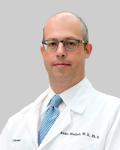
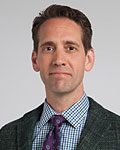
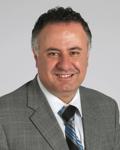
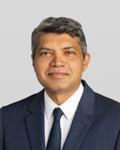
Neuroethics at Cleveland Clinic is inherently multidisciplinary, grounded in the ethical complexities that emerge from neurological care, research and innovation. Our program brings together investigators and clinicians across departments — such as the Epilepsy Center, Center for Neurological Restoration, Lou Ruvo Center for Brain Health, Biomedical Engineering, Quantitative Health Sciences and Bioethics — to explore real-world ethical challenges. Team members and collaborators contribute expertise from neurology, neurosurgery, psychiatry, neuropsychology, bioethics, biostatistics and clinical and translational science. This wide-reaching group reflects the integrative nature of neuroethics that focuses on understanding and improving patient-centered decision-making, ethical research practices and health system approaches to brain-based conditions.
Core Members
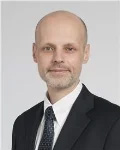
Paul Ford, PhD – Director of the Cleveland Clinic Neuroethics Program. Experienced clinical and research ethicist with broad expertise in neuroethics that ranges from brain–machine interfaces, to epilepsy, to behavioral health. www.paulfordethics.com
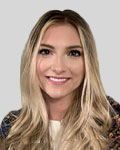
Megan Zelinsky, MA – Lead Neuroethics Researcher. Researcher with methodological expertise in outcomes using both qualitative and quantitative methods. Currently has special interest in movement disorders, epilepsy, and dementia.
Trainees
Tolulope Banjo
Nicholas Korn
Collaborators
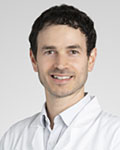
Saar Anis, MD

Lisa Ellison, MA

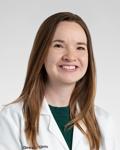
Olivia Hogue, PhD, MPH
Deborah Miller, PhD
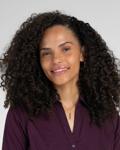
Valerie Rico, BA

External Relationships and Collaborations
- Lauren Sankary, JD, MA, Assistant Professor, UT Southwestern
- Mark Aulisio, PhD, Susan E. Watson Professor and Chair, Department of Bioethics, Case Western Reserve University
- Sue Marasco, PhD, Assistant Director, Research Programs and Proposal Development, Case Western Reserve University
- The Cleveland Functional Electrical Stimulation (FES) Center
