Health benefits start within 20 minutes and continue to grow for years after
If you’re a smoker and want to feel healthier and be healthier, there’s a quick and clear way to accomplish that goal: STOP SMOKING. Just snuff out that final cigarette and don’t light up again.
Cleveland Clinic is a non-profit academic medical center. Advertising on our site helps support our mission. We do not endorse non-Cleveland Clinic products or services. Policy
It won’t take long to get results. In fact, within 20 minutes after your last cigarette, your body will start undoing the damage caused by the harmful habit.
But that’s just the beginning of the healing when you stop smoking. The days, weeks and months that follow bring numerous changes for the better within your body, says pulmonologist Humberto Choi, MD.
So, let’s take a closer look with Dr. Choi at what happens when you quit smoking.
First, congratulations! Making the decision to stop smoking is a life-changing and life-extending action. The American Cancer Society estimates that quitting smoking can add as much as 10 years to your life.
But we’re getting a little ahead of ourselves looking that far into the future. These positive changes may start quickly but they don’t all happen at once, explains Dr. Choi. It takes time.
Here’s a breakdown of the benefits when you quit smoking and when you might see them.
Smoking isn’t just an unhealthy habit. It’s an expensive one.
The average person who smokes lights 14 cigarettes per day. That habit costs $4.40 per day, according to a spending calculator at smokefree.gov. Over time, that adds up to some serious cash.
Using that 14-cigarettes-a-day average, this is what you can expect to save when you stop smoking.
It’s hard to understate the positives that come when you quit smoking. It’s worth doing in so many different ways.
But it does take work and it won’t be easy. “Two to three days in, your withdrawal symptoms will be at their worst,” states Dr. Choi. “Hang in there, though. They should subside entirely in a few weeks.”
For the best chance of success, create a quit plan and build a support system to stay motivated. Consider talking to your healthcare provider about a smoking cessation program. There are online services to quit smoking, too.
“Most smokers try three times before successfully quitting,” encourages Dr. Choi. “Don’t give up. Even if you’ve been a lifelong smoker, it is never too late to quit.”
Learn more about our editorial process.

Puffing on cigarettes is the leading cause of bladder cancer
Even only a couple cigarettes a day can lead to potentially deadly lung diseases like COPD and emphysema
Resolve to move a little more, drink a little less, eat a little healthier, sleep a little better and destress a lot
Just a single cigarette a day can have serious health consequences
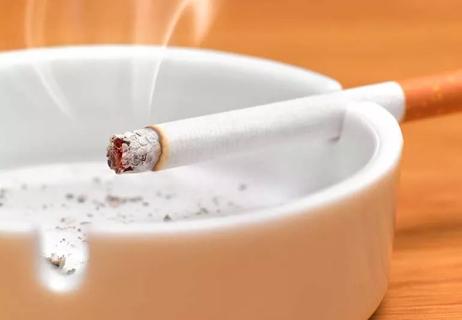
Cigarettes increase your risk of developing the condition and worsening its effects
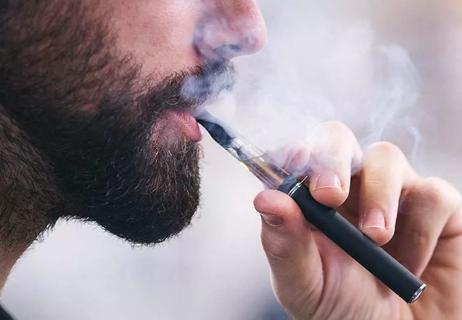
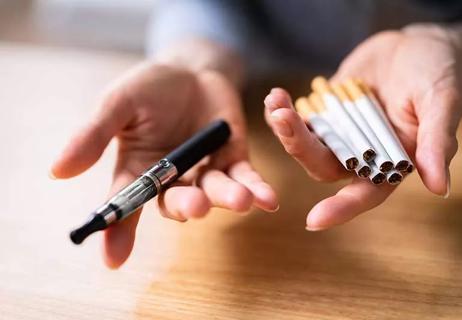
Each comes with substantial health risks and should be avoided
Smoking and vaping deplete oxygen-rich blood that you need for endurance and fitness
Toxic chemicals stay on surfaces long after smoke clears

Your metabolism may torch 1,300 to 2,000 calories daily with no activity

A gentle touch in all the right places may help drain your sinuses