Tricks to finding a toothpaste that really works
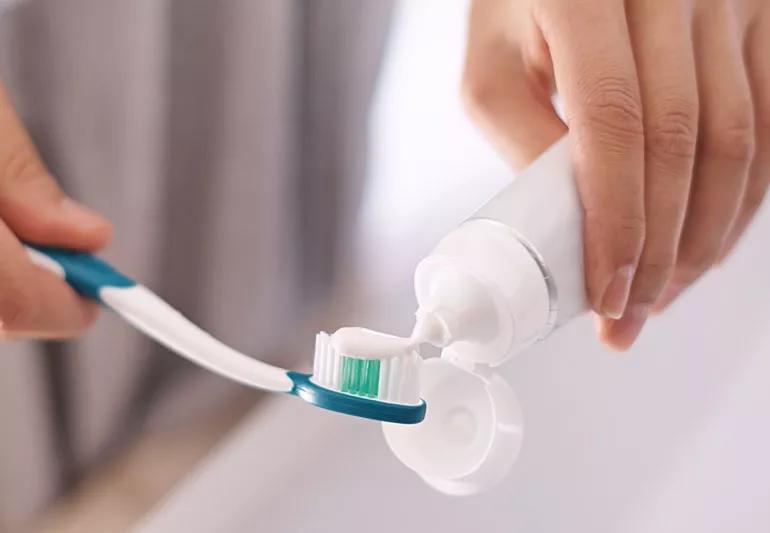
Ever find yourself staring at all the colorful boxes of toothpaste on a store shelf wondering which one is best for you? Well, here are some tips to help you make better-informed toothpaste decisions.
Cleveland Clinic is a non-profit academic medical center. Advertising on our site helps support our mission. We do not endorse non-Cleveland Clinic products or services. Policy
When you’re looking for toothpaste, you’ll find they make various claims about cavity protection, gingivitis, plaque, sensitivity, tartar, whitening and breath-freshening. To choose a good toothpaste for you, dentist Nathan Janowicz, DMD, shares some tips.
“For the best protection, find a toothpaste with at least 1,000 parts per million fluoride and the American Dental Association stamp of approval. Everything else is a matter of personal preference,” he says.
He says it comes down to how well the toothpaste cleans your teeth and how fresh it makes your mouth feel. Of course, specific toothpaste brands claim to offer various benefits. It can be confusing.
“Whitening toothpaste does work, although most don’t have enough whitening ingredients to get noticeable results in the short-term,” says Dr. Janowicz. “However, it may cause sensitivity with long-term use.”
If you have sensitive teeth, you have a couple of options. There are over-the-counter (OTC) sensitive toothpastes that are a little more affordable. Or you could pay more for a sensitive toothpaste prescription from your dentist.
“OTC sensitive toothpastes are proven to work very well,” he says. “I recommend using these as a starting point. However, if you are not getting the results you want, then ask your dentist about switching to a prescription-strength toothpaste.”
For any toothpaste, including toothpaste for sensitivity, you reap the benefits by not rinsing after brushing because it will allow the ingredients to be fully absorbed into your teeth and gums. Yet, people usually want to rinse. In addition, sensitive toothpaste typically doesn’t taste as good as the regular toothpastes.
“With any toothpaste, rinsing afterwards minimizes benefits because you are washing away the fluoride that helps re-mineralize teeth and help diminish sensitivity,” says Dr. Janowicz. “A good rule of thumb is no rinsing, eating or drinking until 30 minutes after brushing. I recommend brushing immediately before bed.”
A lot of brands on the shelves claim that their toothpaste can restore enamel. The truth is that it’s possible, but it depends on the condition of your teeth.
“As long as it is fluoridated toothpaste, the toothpaste will help restore enamel that has not yet decayed,” he says. “Once decay is present, though, all bets are off.”
You may also see various brands advertising that their toothpaste contains aloe vera. Again, you may wonder if that matters or adds any benefit to your oral health.
“There is little evidence that aloe vera helps reduce or fight plaque and gingivitis better than traditional toothpaste,” he says. “Moreover, some of those brands lack fluoride, which is an essential component of toothpaste.”
Relatively new to the market, charcoal toothpaste has become the latest trend to hit the product shelves and internet marketing campaigns. In general, you should avoid charcoal containing products on your teeth.
“Charcoal is abrasive, and there is little to no evidence that suggests that there is any benefit to using it,” he says. “If anything, charcoal can actually damage the enamel layer of your teeth and lead to increased long-term sensitivity.”
Remember, along with flossing, using a good toothpaste is an essential part of your daily dental care routine. The pastes, gels or powders enhance the brushing and cleaning power of your toothbrush. Be sure they contain fluoride so that they will effectively remove plaque, the bacteria film that forms on your gums and teeth after you eat.
Learn more about our editorial process.
If you have naturally red hair, feeling the pain may be in your DNA
Help and encourage them to brush and floss regularly, limit sugary foods and get routine dental checkups
Estrogen and progesterone changes throughout the month — and throughout your life — can make you more prone to dental health concerns

Benefits typically include bi-annual screenings and lower payments on procedures like fillings and crowns
Dental care is not only safe during pregnancy, but it’s also highly recommended
The numbness and tingling should wear off in about two hours

Once you see that first tooth, it’s time to start brushing

You can do damage to fillings, crowns and even your teeth themselves

Your metabolism may torch 1,300 to 2,000 calories daily with no activity
A gentle touch in all the right places may help drain your sinuses