


Director's Welcome
Welcome to the Thoracic and Cardiovascular Surgery Integrated Residency and Independent Residency (Fellowship) Programs at Cleveland Clinic.
Cleveland Clinic’s Heart, Vascular & Thoracic Institute has one of the largest, most experienced cardiothoracic surgery teams in the world. As a nationally ranked heart program and the globally recognized leader in cardiovascular care, our department is comprised of world-renowned leaders in every facet of cardiothoracic and vascular surgery. We are uniquely poised to integrate surgical expertise, case volume, and research opportunities into a top-tier training program. Our goal is to provide an innovative training experience rooted in operative practice, teambuilding, leadership, and the academic development of our residents and fellows.
Thank you for your interest in our program and we welcome you to learn more about us.
Leadership Team
James J. Yun, MD, PhD
Program Director
Integrated (I-6) Cardiothoracic Surgery Residency
Independent Thoracic Surgery Residency
Siva Raja, MD, PhD
Associate Program Director
Independent Thoracic Surgery Residency (Fellowship)
Patrick Vargo, MD
Associate Program Director
Integrated (I-6) Cardiothoracic Surgery Residency
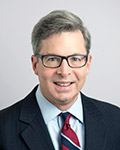
Marc Gillinov, MD
Chairman
Department of Thoracic and Cardiovascular Surgery
Our Curriculum
Integrated Thoracic Surgery Residency Program
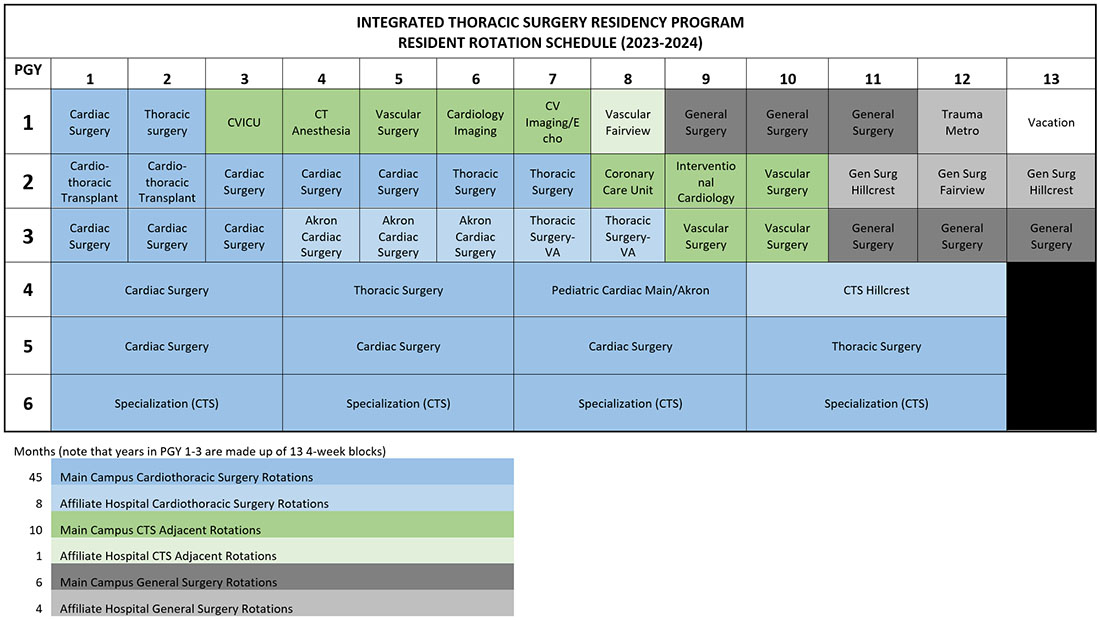
The integrated cardiothoracic surgery residency program is a comprehensive six-year program designed to train future leaders in both the clinical practice and academics of cardiovascular and thoracic surgery.
The first three years provide a foundation in surgery and the management of cardiovascular disease by integrating rotations in surgery, cardiology, and endovascular intervention. Pre-requisite surgical rotations are drawn from Cleveland Clinic main campus, as well as our regional hospitals, in order to optimize our residents’ operative experience.
The last three years are focused on adult cardiac, end stage heart/lung failure, congenital cardiac, and general thoracic surgery. Senior residents are expected to meet technical cardiothoracic milestones and assume fellowship-level responsibility in ICU management and patient care.
The final year of the curriculum allows for trainee chosen concentration in a specific field of cardiothoracic surgery, with an emphasis on independent operating and full intraoperative responsibilities.
Our residency program is firmly grounded in academics. Weekly small-group didactic sessions focus on clinical decision-making and practical skills. Our surgeons frequently organize “wet labs” to instruct trainees in surgical technique. Monthly journal clubs emphasize immerging research and implications to clinical practice.
Integrated Thoracic Surgery Residency Program Resident Rotation Schedule
Hospital Rotation Locations
Cleveland Clinic main campus serves as our program’s hub location. As one of the leading hospitals in the world and the leading hospital in cardiology & heart surgery for the past 28 years, the volume, complexity, and training experience are second to none.
Cleveland Clinic Hillcrest & Fairview Hospitals provide residents with a wide variety of operative cases in the community hospital setting.
Cleveland Clinic Akron General offers a robust experience of cardiothoracic cases and is geared towards developing fundamental technical skills.
MetroHealth serves as a regional Level 1 Trauma Center, which brings a high volume of trauma surgery and immersive surgical experience for residents.
Louis Stokes Cleveland VA Medical Center provides a wide breath of valuable cardiothoracic surgical experience and operative independence. This rotation allows for early leadership as chief of the thoracic surgery service.
Akron Children's Hospital provides a well-rounded congenital and pediatric cardiac surgery experience in a stand-alone children’s hospital.
Independent Thoracic Surgery Fellowship Program
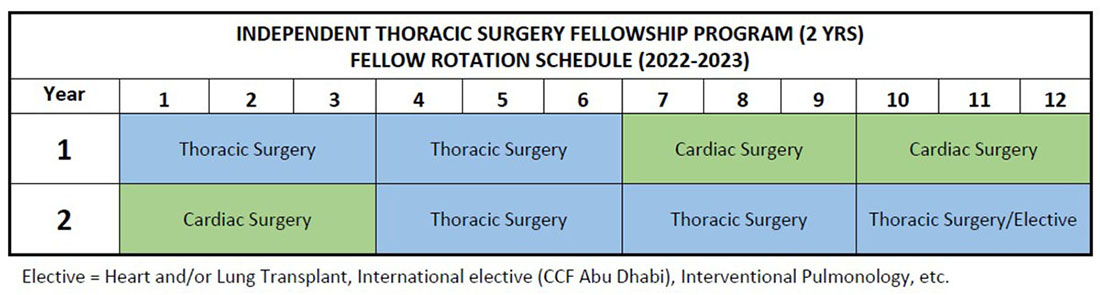
The 2-year cardiothoracic surgery fellowship (General Thoracic track) is a comprehensive program designed to train future leaders in both the clinical practice and academics of cardiac and thoracic surgery.
Fellows spend a total of 15 months on thoracic surgery and 9 months on cardiac surgery. The first 6 months are spent on the general thoracic service, where the fellow is exposed to all aspects of thoracic surgery (benign/malignant, lung, esophagus, trachea, foregut, open/MIE techniques, endoscopy). The fellow leads a team of 5-7 residents (general surgery, integrated cardiothoracic, elective) and creates the daily schedules (OR, clinic, consults).
The next 9 months are spent on the cardiac surgery service, where the fellow is placed with one surgeon at a time in an apprenticeship format. This partnership allows the fellow graduated autonomy both inside and outside of the operating room. Within this 9-month period, the fellow will spend one month on congenital cardiothoracic surgery at the main campus. The last 2-month block is variable depending on the fellow’s interests and needs (ex. transplant rotation).
The last 9 months are spent back on the general thoracic service. Again, the fellow assumes responsibility of the team and the day-to-day scheduling. Within this time, the fellow gains full autonomy in the OR. There is also flexible elective time (Cleveland Clinic Abu Dhabi, interventional pulmonology, additional transplant, etc.) to be determined by the individual fellow.
Case Volume
| Surgical Procedures | 2020 | 2021 | 2022 | 2023 | 2024 |
|---|---|---|---|---|---|
| Cardiac Surgery Volume, N = | 4,723 | 5,046 | 5,252 | 5,538 | 5,816 |
| Isolated CABG | 714 | 831 | 1,002 | 989 | 994 |
| Combined Valve (No Aorta or TAVR) | 934 | 890 | 995 | 1,100 | 1,123 |
| Aorta (CT only) | 1,031 | 1,063 | 1,100 | 1,268 | 1,382 |
| Isolated Valve | 1,017 | 1,048 | 1,190 | 1,127 | 1,121 |
| Percutaneous Valve | 719 | 664 | 652 | 699 | 699 |
| Heart Transplant | 70 | 60 | 66 | 67 | 71 |
| Other | 238 | 490 | 247 | 288 | 497 |
| Thoracic Surgery Volume, N = | 2,065 | 1,916 | 1,909 | 2,016 | 1,998 |
| Airway | 438 | 421 | 441 | 431 | 455 |
| Foregut | 540 | 548 | 505 | 580 | 617 |
| Pulmonary | 395 | 376 | 390 | 435 | 482 |
| Mediastinum/Chest Wall/Diaphram | 306 | 220 | 317 | 260 | 199 |
| Pleura | 202 | 234 | 159 | 234 | 707 |
| Lung Transplant | 118 | 96 | 101 | 129 | 139 |
| Other | 71 | 21 | 67 | 76 | 38 |
| Aortic Surgery Volume (CT & Vascular), N = | 1,382 | 1,441 | 1,396 | 1,545 | 1,650 |
| Open Ascending Aorta and Aortic Arch Repairs | 772 | 818 | 872 | 1,030 | 1,110 |
| Open Descending Aorta and Thoracoabdominal Repairs | 37 | 40 | 35 | 40 | 43 |
| Open Abdominal Aortic Aneurysm Repairs | 115 | 139 | 136 | 135 | 120 |
| Endovascular Proximal Aorta Repairs | 7 | 10 | 4 | 8 | 10 |
| Endovascular Descending Aorta and Thoracoabdominal Repairs | 191 | 168 | 130 | 129 | 105 |
| Endovascular Abdominal Aortic Aneurysm Repairs | 134 | 134 | 93 | 88 | 145 |
| Hybrid Aortic Surgery: Open and Endovascular Procedures | 126 | 132 | 126 | 115 | 117 |
Meet Our Residents
Integrated Cardiothoracic Residents
CTS-1

Jean-Luc Maigrot, MD
MD: Case Western Reserve University School of Medicine
Hometown: Alexandria, VA
Interests: Heart failure, mechanical circulatory support and cardiac transplantation, aortic surgery, adult cardiac surgery.
What do you enjoy most about training at Cleveland Clinic?
Cleveland Clinic provides a unique combination of unrivaled clinical variety and case complexity alongside mentorship from leaders in the field who are deeply invested in your development. There is also a clear emphasis on early and graduated autonomy in the operating room and throughout the hospital. Additionally, the large, tight-knit community of trainees means you always have support nearby. Because of these factors, it is a place filled with endless clinical and academic opportunity that I believe can help you achieve any goal you set your mind to.

Sean Kwak, MD
MD: University of Florida College of Medicine
Hometown: Seoul, Korea / Seattle, WA
Interests: Adult cardiac surgery, aortic surgery, heart failure, congenital cardiac surgery
What do you enjoy most about training at Cleveland Clinic?
Cleveland Clinic offers unparalleled operative volume and case complexity, along with mentorship from leaders across every domain of cardiothoracic surgery. The culture here is one of excellence, but also of deep collaboration, camaraderie, and mutual respect. The program’s genuine investment in resident education—through early hands-on training, research opportunities, and world-class faculty support—makes it an exceptional place to train at the highest level.

Andrew Jones, MD
MD: University of Rochester School of Medicine and Dentistry
Hometown: Hartford, CT
Interests: Adult Cardiac, Heart Failure, Mechanical Circulatory Support, Cardiac and Thoracic Transplant, LVAD, ECMO.
What do you enjoy most about training at Cleveland Clinic?
The clinical teams and surgical case mix are second to none. The unmatched case complexity, experienced teams, and focus on high quality training also make the Cleveland Clinic an ideal learning environment. Even though education is a highlight, the compassion and empathy of each caregiver keeps the patient the central focus of everything we do. Furthermore, the collaborative culture of constant improvement and hard work create an ideal environment to grow as a trainee. I count myself lucky to learn from such talented and caring surgeons, and residents every day.
CTS-2

Nika Samadzadeh Tabrizi, MD
MD: Albany Medical College
Hometown:Tehran, Iran
Interests: Aortic Surgery, Adult Congenital Cardiac Surgery
What do you enjoy most about training at Cleveland Clinic?
The surgical volume and case complexity at Cleveland Clinic is unparalleled. It is an honor to learn from the leaders in the field and work with the most inspiring team of trainees. It is a true privilege to be a part of a community that cares for the sickest of patients in a culture that fosters excellence.

Daniel Kyrillos Ragheb, MD
MD: Vanderbilt University School of Medicine
Hometown:Los Angeles, CA
Interests: Adult Cardiac, Aortic Surgery, Congenital surgery
What do you enjoy most about training at Cleveland Clinic?
The outstanding training, in combination with the camaraderie among our residents, is the reason CCF continues to be the top place to train. From day one the expectations are high. Staff push residents to independently take care of patients and to continuously increase their operative experience. The volume and complexity here, combined with the deep desire from faculty to teach residents, ensures graduates are ready to tackle anything. The senior trainees make sure there is always enough support and make it a joy to work and grow here. It’s a privilege to learn and live within such a community.

Matthew Thompson, MD
MD: Cleveland Clinic Lerner College of Medicine
Hometown: Cleveland, OH
Interests: Aorta, Mitral Valve, Adult Congenital
What do you enjoy most about training at Cleveland Clinic?
Cleveland Clinic offers unparalleled volume and complexity in cardiothoracic surgery, combined with excellent resident autonomy in the operating room, where we learn from leaders in the field. In addition, the collegial relationships formed among residents and between residents and staff make Cleveland Clinic a truly special place to train.
CTS-3
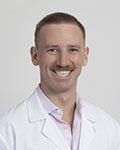
Kenton Stephens, MD
MD: University of Washington School of Medicine
Hometown: Anchorage, AK
Interests: Adult cardiac, aortic surgery, general thoracic surgery
What do you enjoy most about training at Cleveland Clinic?
The operative autonomy and case variety, complexity, and volume here are unmatched for both cardiac and thoracic surgery. It’s also great having such a large class of residents each year. I have the privilege of training with co-residents from all over the world.

John Barron, MD
MD: Saint Louis University School of Medicine
Hometown: St Louis, MO
Interests: General Thoracic Surgery, tracheal surgery, lung transplantation
What do you enjoy most about training at Cleveland Clinic?
Outstanding mentorship, strong resident camaraderie, and a case volume and complexity that are second to none make the Department an exceptional place to train.
CTS-4

Nadia Bakir, MD
MD: Washington University School of Medicine in St. Louis
Hometown: Jacksonville, FL
Interests: Mitral valve surgery, surgical ablation, adult congenital cardiac surgery
What do you enjoy most about training at Cleveland Clinic?
The operative volume and case complexity are unparalleled, and there is an incredible emphasis on resident autonomy. In addition, the faculty and residents are uniquely invested in the residency program, which gives rise to a rich legacy and close camaraderie among our cohort.
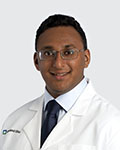
Rohun Bhagat, MD
MD: University of Rochester School of Medicine & Dentistry
Hometown: Boulder, CO
Interests: Adult cardiac, aortic surgery, heart failure, valvular surgery, congenital cardiac surgery
What do you enjoy most about training at Cleveland Clinic?
Early exposure to technical training prepares us for working on some of the rarest, most complex cardiovascular and thoracic pathologies alongside world-class surgeons who specialize in every facet of cardiothoracic surgery.
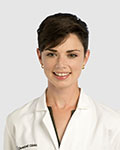
Emily Vianna, MD, MPH
MD: Cleveland Clinic Lerner College of Medicine
MPH: Case Western Reserve University
Hometown: Toledo, OH
Interests: Adult cardiac, aortic surgery
What do you enjoy most about training at Cleveland Clinic?
The breadth, complexity, and volume of cases here are truly unmatched. At every stage of training, we have the opportunity to learn from and be mentored by master surgeons in every area of cardiothoracic surgery.
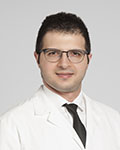
Davut Cekmecelioglu, MD, MSc
MD: Istanbul University, Cerrahpasa Medical Faculty (Turkiye)
MSc: Istanbul University, Faculty of Health Sciences (Turkiye)
Hometown: Antakya, Turkiye
Interests: Aortic Surgery, Adult Cardiac Surgery
What do you enjoy most about training at Cleveland Clinic?
Training at CCF is an enriching blend of hands-on learning, mentorship from top-tier surgeons, and access to state-of-the-art facilities. The Clinic’s reputation for excellence in cardiac care sets the stage for an immersive learning environment. Moreover, supportive team-based approach for patient care is both inspiring and enlightening.
CTS-5

William Frankel, MD
MD: Baylor College of Medicine
Hometown: San Francisco, CA
Interests: Aortic surgery, aortic valve surgery, adult congenital cardiac surgery
What do you enjoy most about training at Cleveland Clinic?
I enjoy training at a program built on a culture of excellence at the center that continues to define what is possible in cardiac surgery. If this resonates with you, there is no better place to train in the world.
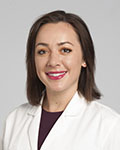
Haley Jenkins, MD
MD: University of Mississippi Medical Center
Hometown: Starkville, MS
Interests: Adult cardiac, mechanical circulatory support, cardiac transplantation
What do you enjoy most about training at Cleveland Clinic?
I most enjoy the breadth and volume of cardiac and thoracic surgery that Cleveland Clinic has to offer. Beyond that, the faculty and staff have a genuine interest in getting their trainees involved and helping them achieve their clinical and academic goals.
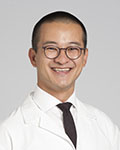
Benjamin Yang, MD
MD: University of Chicago Pritzker School of Medicine
Hometown: Cupertino, CA
Interests: Heart failure, cardiac transplantation, minimally invasive cardiac surgery, medical education
What do you enjoy most about training at Cleveland Clinic?
The people here and the complexity of the cases we see are bar none. All of our co-residents go above and beyond for one another — it’s an incredibly welcoming and supportive program. We also get to work with world class faculty who are excellent surgeons, mentors, and educators. The surgical volume and pathology here are unrivaled and will prepare you well for any sub-specialty you choose to pursue.
CTS-6
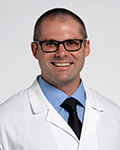
Bradley Rosinski, MD
MD: Case Western Reserve University School of Medicine
Hometown: Cedar, MI
Interests: Adult cardiac, aortic valve surgery, open and endovascular aortic surgery
What do you enjoy most about training at Cleveland Clinic?
The best part about training at Cleveland Clinic is the awesome group residents and the excellent staff.
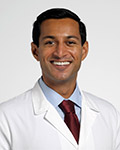
Shawn Shah, MD MBA
MD: University of Virginia School of Medicine
MBA: University of Virginia, Darden Graduate School of Business
Hometown: St. Petersburg, FL
Interests: Cardiac transplantation, valvular disease, congenital cardiac surgery
What do you enjoy most about training at Cleveland Clinic?
Operative excellence is at the core of our curriculum, and this pursuit of perfection uniquely spans across multiple disciplines that reach far outside clinical medicine. Few other programs attack the goal of perfecting cardiac surgery with such a holistic approach.
Thoracic Fellows
PGY-6

Daniel Cloonan, MD
MD: University of Nebraska Medical Center
General Surgery: Beth Israel Deaconess Medical Center
Hometown: Omaha, Nebraska
Interests: General thoracic surgery, foregut surgery, and lung transplantation
What do you enjoy most about training at Cleveland Clinic?
The thoracic surgery fellowship at the Cleveland Clinic provides an exceptional opportunity to learn all facets of thoracic surgery from leaders in the field. The combination of incredible operative volume, high case complexity, and a culture of surgical training builds a strong foundation for my career in the future. The other residents and trainees also provide a great cohort of fellow learners, friends, and future colleagues!
PGY-7

Feredun Azari, MD
MD: University of Virginia School of Medicine
General Surgery: Hospital of the University of Pennsylvania
Hometown: Baku, Azerbaijan
Interests: Foregut Malignancies, Complex Thoracic Oncology, Lung Transplantation
What do you enjoy most about training at Cleveland Clinic?
Cleveland Clinic's thoracic fellowship is unmatched in its operative complexity. Working with world-renowned surgeons on cutting-edge procedures, from minimally invasive to complex foregut operations , offers an unparalleled learning experience. The opportunity to tackle the most challenging cases alongside pioneers in the field is both inspiring and career-defining.
Research
A major emphasis of our program is to train future leaders in all disciplines of cardiovascular and thoracic surgery. The department is fully committed to the academic development of our residents, and strongly encourages involvement in research during clinical training. Residents will have opportunities to utilize the vast resources at Cleveland Clinic, including one of the largest cardiovascular information registries, spearheaded by Eugene Blackstone, MD. Current residents collaborate amongst themselves and with staff, promoting research spanning the entire spectrum of cardiothoracic surgery. Further enrichment opportunities are available in basic and translational research laboratories at Cleveland Clinic Lerner College of Medicine. Each resident is required to conduct a research study that is formally presented at the Annual Research Day.
For residents interested in dedicated academic enrichment, an optional one to three years can be scheduled to pursue advanced degrees (i.e. MS, MPH, MBA, PhD) or other academic pursuits. Note that while residents are welcome to pursue dedicated academic enrichment time, it is not a requirement for program completion.

Alumni
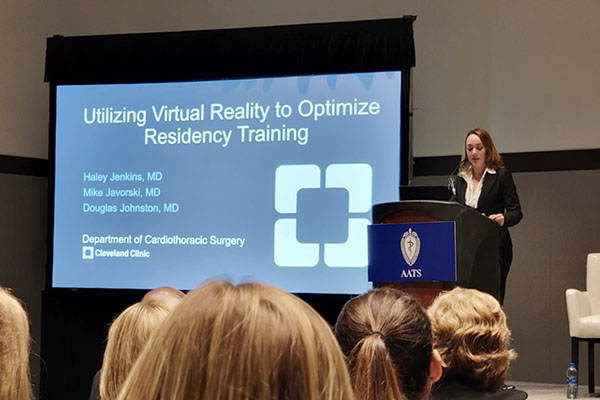
Our mission is to provide top-notch surgical training to produce world-class cardiothoracic surgeons and leaders in our field. As a nationally ranked heart program, performing over 4,000 on-pump cases a year, we pride ourselves in the breadth of cardiothoracic pathology and volume that our residents and fellows experience. We have over 365 graduates of the Department of Thoracic & Cardiovascular Surgery who practice in 40 states and 28 countries across the world.
Each year, alumni are invited to our June graduation weekend, a well-attended event that begins on a Thursday evening with a Visiting Professor lecture, followed by a reception. On Friday, our current residents present their year-long research projects to staff, the visiting professor, alumni and guests. A formal graduation ceremony and dinner is held Friday evening.
We strive to keep in touch with our alumni and value this continuing relationship. Throughout the year, alumni receive a number of mailings from the department, including an updated alumni directory, residents' abstract book from the June graduation event, periodic news of the department, and an annual calendar. The department calendar continues to be very popular among the alumni and highly requested by physicians outside of Cleveland Clinic.
Find more information about the Miller Family Heart, Vascular & Thoracic Institute Alumni
Recent I-6 Cardiothoracic Surgery Residency Alumni
2025
James Witten, MD, Staff, Providence St Vincent
Juan B. Umana-Pizano, MD, Staff, Christ Hospital Health Network
Nicholas A. Oh, MD, Congenital Fellow, Boston Children’s Hospital
2024
Michael Javorski, MD MS, Staff, Christ Hospital Health Network
Frank Cikach Jr., MD, Staff, Ascension St. Vincent Hospital - Indianapolis
Karolis Bauza, BMBCh DPhil, Staff, Piedmont Heart Institute
2023
Viral Patel, MD, Staff, Mercy General Hospital of Dignity Health
Anthony Zaki, MD, Staff, Cleveland Clinic
2022
Bogdan Kindzelski, MD MS, Staff, Beaumont Health
Andrew Everett, MD, Advanced Cardiac Surgery and TAVR Fellowship, Cleveland Clinic
2021
Kevin Hodges, MD, Staff, Northwestern Medicine
Kyle Miletic, MD, Staff, Henry Ford Hospital
2020
Saad Hasan, MD, Staff, Christ Hospital Health Network
2019
Haytham Elgharably, MD, Staff, Tampa General Hospital
Patrick Vargo, MD, Staff, Northwestern Medicine
Recent Independent Thoracic Surgery Fellowship Alumni
2025
Gregory Jones, MD, Staff, Cleveland Clinic Foundation
2024
Andrew Tang, MD, MS, Advanced Cardiac Surgery Clinical Associate, Cleveland Clinic Foundation
2023
Rachel NeMoyer, MD MPH, Staff, Hackensack Meridian Health
2022
Ramiro Fernandez, MD, Staff, Baylor College of Medicine
2021
Andrew Feczko, MD, Staff, Cleveland Clinic
2020
Abdulrhman S. Elnaggar, Staff, Penn State Health
Resident Life
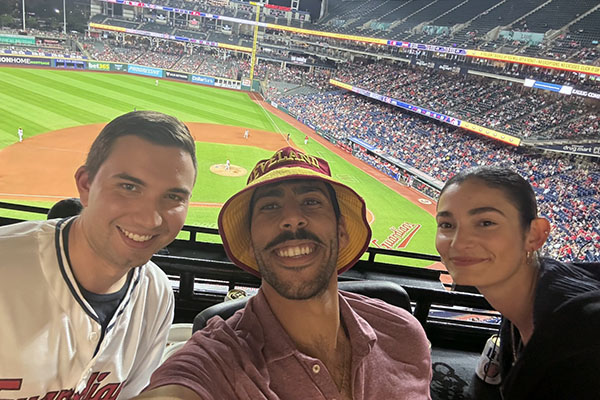
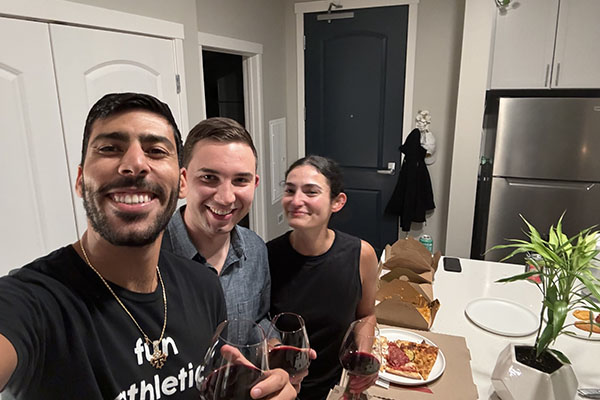
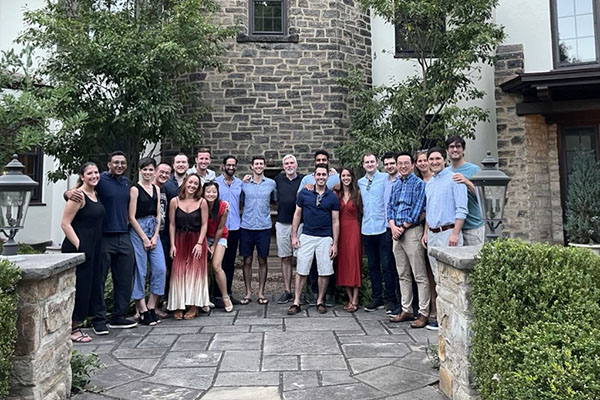
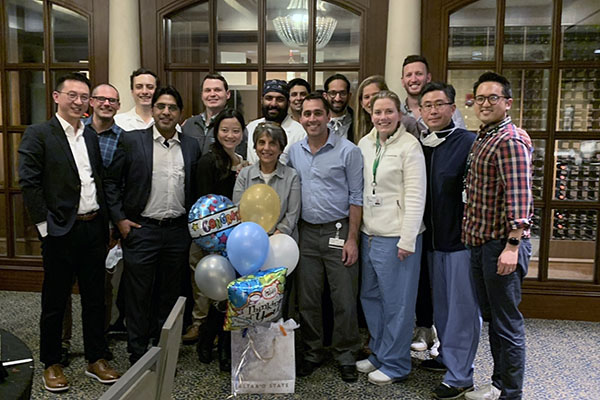
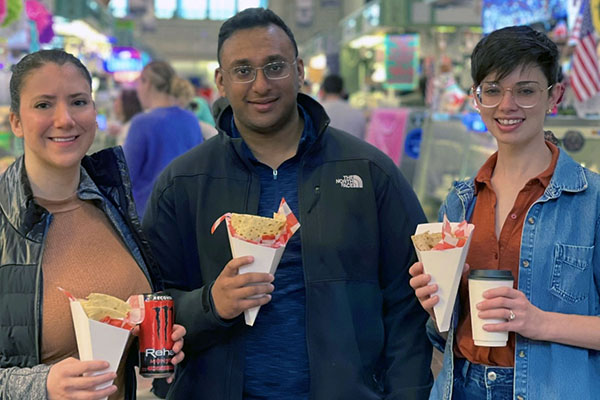
The cardiothoracic training program at Cleveland Clinic encourages collaboration and teamwork both in and out of the operating room. Residents and fellows spend time outside Cleveland Clinic in department-organized journal clubs, recreational activities, and holiday events. Further, residents take advantage of the many things Cleveland has to offer. Cleveland is a mid-sized Midwestern city with the perks of big city living and world-class experiences, all at a low cost of living. The city is home to some of America’s best restaurants, including several James Beard Award winners and those of Iron Chef Michael Symon. The West Side Market is another culinary highlight with over 100 vendors. Learn more.
Residents are also part of the Cleveland Clinic House Staff Association (HSA). The HSA works to promote the well-being, education, and interests of Cleveland Clinic residents.
Resident Life Gallery
Acting Internships
Students interested in our integrated cardiothoracic surgery residency program are strongly recommended to complete an acting internship at Cleveland Clinic.
Application Process for Acting Internships
Cleveland Clinic’s Department of Thoracic & Cardiovascular Surgery utilizes the AAMC Visiting Student Learning Opportunities (VSLO) system for acting internships.
Electives are listed under the institution “Cleveland Clinic”. Electives offered by the Department of Thoracic & Cardiovascular Surgery are:
- Adult Cardiac Surgery Acting Internship.
- Congenital Cardiac Surgery Acting Internship.
- General Thoracic Surgery Acting Internship.
At this time, we are only accepting applications from VSLO. There are no exceptions to this policy. If you do not have access to VSLO through the AAMC, we apologize but we will not be able to consider your application.
Cost & Additional Information
VSLO Applicants: You (the applicant) are responsible for paying the VSLO application fee ($15). If conditionally accepted on VSLO, Cleveland Clinic requires applicants to complete an official application on Cleveland Clinic’s website for verification and on-boarding purposes. At the time of conditional acceptance, the link to this application will be provided. Cleveland Clinic’s application fee ($200 domestic, $400 international) will be paid by the department and you will NOT be required to pay this ($200/$400) fee.
Non-VSLO Applicants: At this time, we are NOT accepting any applications outside of VSLO. There are no exceptions to this policy.
Note that while there is no formal application due date, spots fill quickly and on a rolling basis. It is to your advantage to submit your application as soon as possible. Typically, acceptances will be offered to students 60-90 days before the scheduled start of the elective period.
| Rotation Date |
| 04/07/2025 – 05/02/2025 |
| 05/05/2025 – 05/30/2025 |
| 06/02/2025 – 06/27/2025 |
| 06/30/2025 – 07/25/2025 |
| 07/28/2025 – 08/22/2025 |
| 08/25/2025 – 09/19/2025 |
| 09/22/2025 – 10/17/2025 |
| 10/20/2025 – 11/14/2025 |
| 11/17/2025 – 12/12/2025 |
Adult Cardiac Surgery Acting Internship
Cleveland Clinic is nationally ranked and internationally recognized for cardiovascular care. The Department of Thoracic & Cardiovascular Surgery performs over 5,000 cardiac cases each year. The Adult Cardiac Surgery Acting Internship offers students an immersive experience in the life of a Cleveland Clinic Integrated Cardiothoracic Resident. Acting interns are paired with a member of the adult cardiac surgery faculty and work closely with our residents during this 4-week experience. Participants may optionally request a focused experience in robotic cardiac surgery, aortic surgery, or heart and lung transplantation.
Acting interns should expect to participate in the operating room five days a week and contribute on daily rounds. Additional educational experiences include participation in overnight ICU call, structured education conferences, and journal clubs.
Supervising Faculty: Xiaoying Lou, MD
Congenital Cardiac Surgery Acting Internship
Cleveland Clinic performs over 620 congenital cardiac cases (including over 300 pediatric congenital cardiac cases) and is nationally and internationally renowned for its cardiovascular care.
As one of only 13 hospitals in the country to offer an ACGME accredited Congenital Cardiac Surgery Fellowship in 2022, Cleveland Clinic is one of the nation’s premier institutions to train in cardiothoracic surgery, especially for students interested in a career in congenital cardiac surgery.
The Congenital Cardiac Surgery Acting Internship offers students an immersive experience in the life of a Cleveland Clinic Integrated Cardiothoracic Resident. Acting interns are paired with a member of the congenital cardiac surgery faculty and work closely with our residents during this four week experience.
Acting interns should expect to participate in the operating room, clinic, and on daily rounds. Additional educational experiences include participation in structured multi-disciplinary education conferences and journal clubs.
Supervising Faculty: John Costello, MD
General Thoracic Surgery Acting Internship
With 2,000 general thoracic cases performed each year, Cleveland Clinic is one of the nation’s premier thoracic surgery programs. The General Thoracic Surgery Acting Internship offers students an immersive experience in the life of a Cleveland Clinic Integrated Cardiothoracic Resident. Acting interns are paired with a member of the general thoracic surgery faculty and work closely with our residents during this four week experience.
Acting interns should expect to participate in the operating room, clinic, and on daily rounds based on the schedule of the team they are assigned to. Additional educational experiences include optional participation in overnight ICU call up to once per week, structured education conferences, and journal clubs.
Supervising Faculty: Monisha Sudarshan, MD
Visiting Students
General Policy
For visiting students to have a high-quality, educational experience, the Department of Thoracic and Cardiovascular Surgery accepts a maximum of three rotators per month.
- May through December: priority will be given to Fourth-year medical students from U.S. medical schools interested in a career in cardiothoracic surgery applying to our six-year Integrated Thoracic Surgery Residency.
- January through April: applications from U.S. and international medical students, residents, fellows, and physicians interested in rotating or observing will be considered.
Visiting U.S. Medical Student Sub-Internships
Expectations
Applicants must be in good academic standing, receive academic credit from their home school, be progressing toward a Doctor of Medicine or Doctor of Osteopathic Medicine degree at an accredited institution, and be applying to the upcoming NRMP Match cycle with an interest in a career in cardiothoracic surgery. This rotation is an excellent opportunity for you to evaluate our six-year Integrated Thoracic Surgery Residency and gives us an opportunity to get to know you as a potential applicant.
Rotation Experience
- Rounding responsibilities: sub-interns will be assigned to one attending’s service and paired with a senior resident or fellow. You will round on that attending’s patients with the senior trainee each morning. By the end of your rotation, your goal should be to round independently on patients in the step-down unit and round together with your senior in the ICU.
- OR experience: you and your senior will cover your attending’s cases. Expect to take an active role in the operating room, assisting your senior with opening, cannulating, and closing. On your attending’s non-operative days, you may choose to join them in clinic or may be assigned to an operating room with a different attending.
- Resident education: you will attend resident education every Wednesday morning from 7 – 11 a.m. This includes M&M conference or Grand Rounds from 7 – 8 a.m., followed by either wet lab or a resident-led didactic with a faculty facilitator from 8:30 – 11 a.m.
- Final presentation: during the final week of the rotation, you will give a 10-minute presentation to the residents directly following education. Use an interesting case you saw during your rotation as a springboard to deliver a brief didactic on any topic within cardiothoracic surgery.
Application Information
Cleveland Clinic uses the Visiting Student Learning Opportunities (VSLO) portal administered by the AAMC to receive visiting medical student applications. For more information on VSLO, please visit their website or email visitingstudents@aamc.org.
International Observers
Expectations
Please see Cleveland Clinic’s International Physician Observership Program for eligibility criteria. All observers must obtain a Cleveland Clinic faculty sponsor. This individual is a staff surgeon within the Department of Thoracic and Cardiovascular Surgery who has agreed to serve as your sponsor/mentor during your observership.
Rotation Experience
Observers are considered shadowers. You cannot have direct patient care responsibilities and are not allowed to scrub into the OR. You are allowed to be sterilely wrapped in a reversed surgical gown to stand near the surgical field. Observers may shadow their faculty sponsor’s surgical cases but may not attend cases with other faculty unless permission has been obtained ahead of time.
How to Apply
- Applicants must apply to Cleveland Clinic’s International Physician Observership Program.
- Additionally, applicants must email the following information to our administrative program coordinators April Rampersad (rampera@ccf.org) and Bridget Lynch (lynchb@ccf.org):
- Preferred dates for observership
- Curriculum vitae
- Letter of interest explaining your desire to complete an observership in cardiothoracic surgery at Cleveland Clinic (500-word maximum)
- A letter of recommendation from a physician you have worked with endorsing you as a candidate for this observership.
- Proof that a Cleveland Clinic staff cardiothoracic surgeon has agreed to serve as your faculty sponsor. This should be in the form of an email from that staff member.
NOTE: applications missing any of the above components will not be considered. Spots will be filled on a first-come, first-served basis once an individual has been accepted.
Application Process
The integrated program accepts three residents per year while the independent program accepts one fellow per year. We participate in the NRMP match. All applicants must apply through the ERAS website. All applicants must have completed a medical school degree.
Contact
For additional information, please contact:
Cleveland Clinic
Department of Thoracic & Cardiovascular Surgery
9500 Euclid Ave., Desk J4-1
Cleveland, OH 44195
April Rampersad
Cardiothoracic Surgery Residency Program Coordinator
Email: rampera@ccf.org
Phone: 216.678.1425
Bridget Lynch
Cardiothoracic Surgery Residency Program Coordinator
Email: lynchb@ccf.org
Phone: 216.894.7484
