


Overview
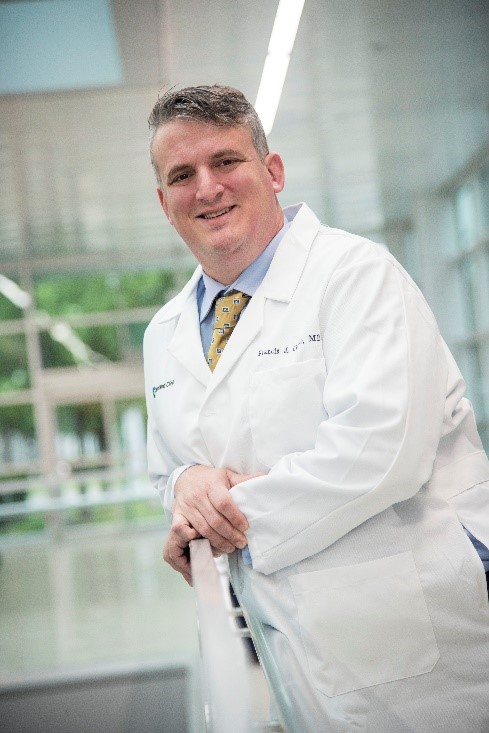
A Message From the Program Director
Thank you for your interest in the Vascular Surgery training program at Cleveland Clinic.
We established the fellowship program in 1985 and began our integrated residency program in 2009. We strive to make our programs the best available. We want to not only produce the best clinical vascular surgeons, but we want to give our trainees the tools and opportunities to become leaders in the vascular surgery community. Clinically, we have one of the country’s most robust surgical volumes in both open endovascular therapies in all aspects of vascular surgery. In addition, we have leadership opportunities for trainees, state-of-the-art curriculum and multiple research opportunities.
We have structured multidisciplinary conferences that are attended by experts in various fields to provide optimal care to our patients and education to our trainees.
Thank you for visiting our website. If you’d like to become a part of our vascular surgery family and experience one of the most well-rounded and prosperous vascular surgery training programs, I encourage you to apply.
If you have any questions, please do not hesitate to contact us at any time.
Training Programs
Cleveland Clinic's Department of Vascular Surgery provides a variety of training opportunities in vascular surgery. These include:
- Fellowship (5+2) in Vascular Surgery
- Integrated Residency (0+5) in Vascular Surgery
As a high-volume tertiary hospital, we have the necessary capacity, faculty support and clinical volume to support these programs. In addition, we have a dedicated faculty that is highly involved in education and research. While each of these programs is distinct, there is cross-education among them. Trainees are part of patient-care teams or disease-specific teams and they work cross-functionally with many healthcare providers to learn and provide patient care. In addition, the Department of Vascular Surgery is dedicated to providing vascular surgery training to our colleagues in General Surgery. This mutual relationship gives Vascular Surgery trainees the opportunity to receive expert training in General Surgery as well.
Hospitals
The training experience at Cleveland Clinic is designed to provide a broad range of exposure, including academic practice, community based practice and VA-based practice. To achieve this, residents and fellows will rotate through several hospitals during their tenure in addition to Cleveland Clinic's main campus (where the bulk of time is spent). Training takes place at the following locations:
Our Faculty
Our Department of Vascular Surgery is the largest group of vascular surgeons in the country, including the following faculty:
Sean Lyden, MD
Chair, Department of Vascular Surgery
Francis Caputo, MD
Director, Vascular Surgery Training Programs
- Ravi Ambani, MD, Associate Program Director, Vascular Surgery Fellowship
- George Anton, MD
- Kathleen Boyle, DO
- J. Eduardo Corso, MD
- Gayan De Silva, MD
- Courtney Hanak, MD
- Ali Khalifeh, MD
- Lee Kirksey, MD, Vice Chair, Vascular Surgery
- Norman Kumins, MD
- David Laczynski, MD
- Roy Miler, MD
- Reginald Nichols-Nkansah, MD
- Jon Quatromoni, MD, Associate Program Director, Vascular Surgery Residency
- Alexander Rim, MD
- Anthony Rizzo, MD
- Christopher Smith, MD
- Sean Steenberge, MD
Vascular Surgery Fellowship
Program Director: Francis Caputo, MD
Associate Program Director: Ravi Ambani, MD
Cleveland Clinic's Vascular Surgery Fellowship is a program dedicated to providing trainees who have completed a five-year general surgery residency the opportunity to qualify for advanced credentials in vascular and endovascular surgery. As one of the largest vascular surgery programs in the country, this unique training is offered at several healthcare settings. This allows for experience with faculty with wide-reaching experiences and a breadth of vascular patients. Fellows participating in this program are trained in both complex open surgical procedures and innovative endovascular therapies.
In addition to the main campus, the training takes place in a variety of facilities, including two Cleveland Clinic community hospitals, Hillcrest and Marymount, as well as the local Veteran’s Hospital and a large outpatient-based dialysis center. This complements the training and assures exposure and experience with many patient populations and care settings.
Fellowship Rotations: 2025-2026
View/Download Fellowship Rotations: 2025-2026
PGY 7:
 Blake Westling, DO Medical School: Kansas City University College of Osteopathic Medicine Residency: Cleveland Clinic Akron General |
PGY 6:
 Chase Hoffman, MD Medical School: University of South Alabama College of Medicine Residency: Prisma Health |
 Laura Morales, MD Medical School:Florida State University College of Medicine Residency: Nuvance Health |
 Kira Murphy, MD Medical School:Jacobs School of Medicine and Biomedical Sciences Residency: Westchester Medical Center |
Integrated Residency
Program Director: Francis Caputo, MD
Associate Program Director: Jon Quatromoni, MD
Our 0+5 Integrated Vascular Surgery Residency Program started in 2009 and by August 2010 expanded to allow two accredited residents per year. The program is designed to provide graduated, incremental training. The training focuses on vascular surgery, vascular research, general surgery, cardiothoracic surgery, and core rotations. Endovascular rotations are scattered throughout the five years to provide dedicated time and enhanced exposure.
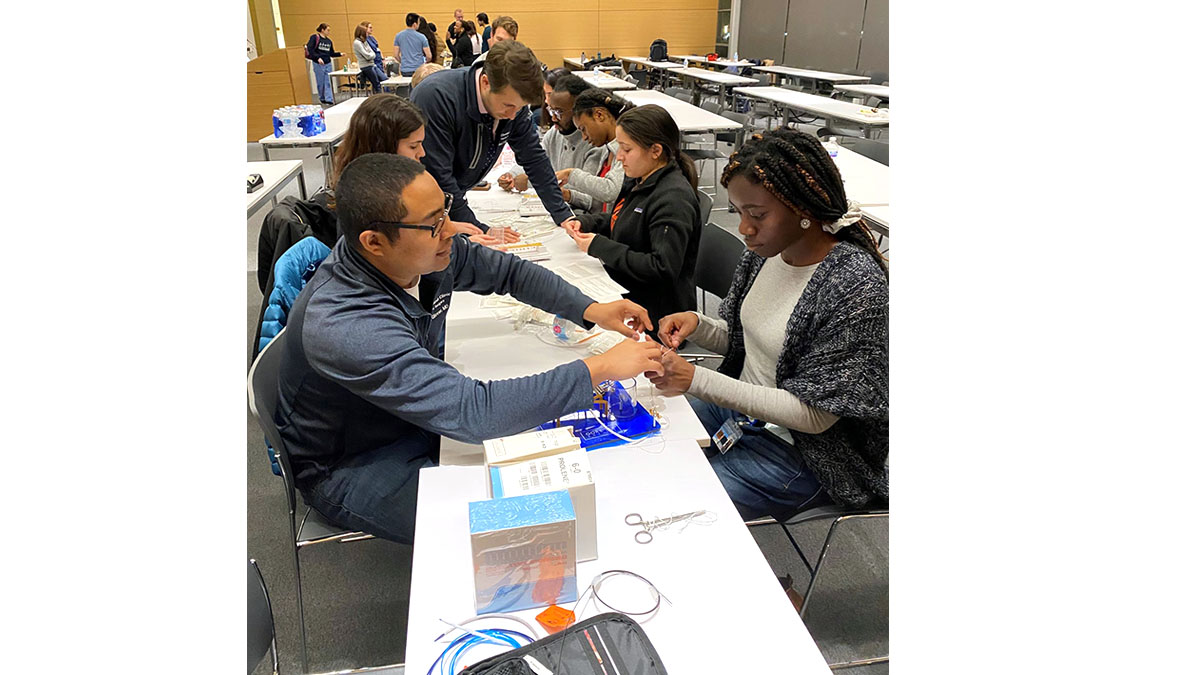
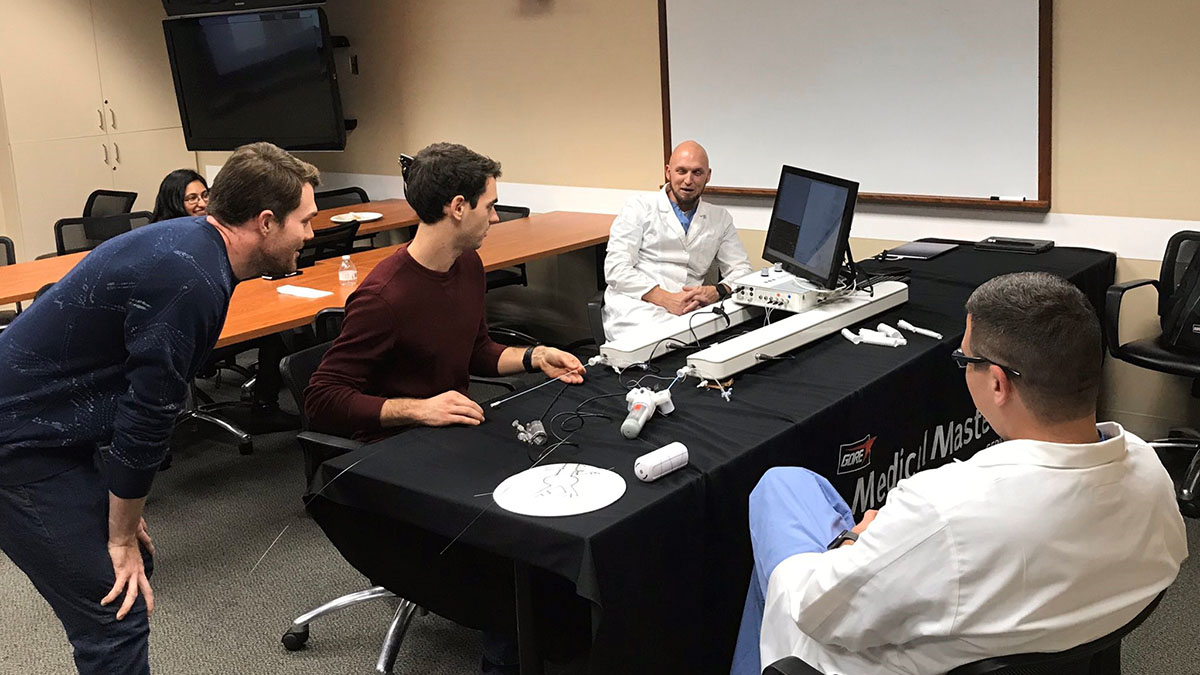
Residents also participate in simulation-based training. This is designed to provide residents with basic surgical techniques and fundamentals unique to vascular surgery. Hands-on models with senior trainees and staff supervision gives residents focused learning outside of the rigors of the operating room. This curriculum has been developed based on resident feedback from the last five years. Each rotation is carefully chosen and geared toward an optimal educational experience at each level, with a focus on progressive learning, complexity, and responsibility.
Resident Rotations: 2025-2026
View/Download Resident Rotations 2023-2024
PGY 5:
 Sami Abou-Assi, MD Medical School: Eastern Virginia Medical School |
 Keith Garber, MD Medical School: University of Michigan School of Medicine |
 Antoine Marc, MD Medical School: McGovern Medical School at the University of Texas |
 John Taaffe, MD Medical School: University of Missouri, Columbia School of Medicine |
PGY 4:
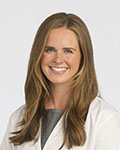 Emma Fulton, MD Medical School: University of Washington |
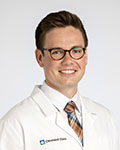 Nathan Reinert, MD Medical School: University of Pittsburg School of Medicine |
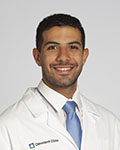 Ahmed Sorour, MD Medical School: Charles University of Prague, Medical Faculty of Hradec Kralove |
PGY 3:
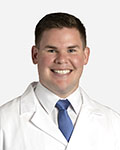 Connor Crudeli, MD Medical School:Cooper Medical School of Rowan University |
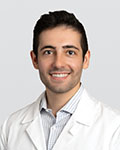 Thomas Perry, MD Medical School: Ohio State University College of Medicine |
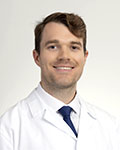 Cole Pickney, MD Medical School: Case Western Reserve University School of Medicine |
PGY 2:
 Alice Alexander, MD Medical School: Case Western Reserve University School of Medicine |
 Hallie Byrd, MD Medical School: Louisiana State University School of Medicine |
 Reinis Ozolins, MD Medical School: University of Queensland Faculty of Medicine |
PGY 1:
 Mark Basilious, MD Medical School: Weill Cornell Medicine |
 Caleb Solivio, MD Medical School: California University of Science and Medicine School of Medicine |
 Jack Stutz, MD Medical School: University of Queensland Faculty of MedicineMcGovern Medical School at the University of Texas Health Science Center at Houston |
Research Fellowship
Vascular Surgery Research Fellowship
The Department of Vascular Surgery offers a one-year research fellowship position to candidates who possess an interest in a Vascular Surgery career. The research fellow is exposed to departmental education (i.e. Morbidity & Mortality Conference, Didactic Conference, Journal Club, multi-disciplinary conferences), simulation lab, GME-offered courses such as bio-stats, as well as our outpatient department clinic, vascular lab and operating rooms. The research fellow will also work closely with our in-house biostatistician.
FAQ
How productive will I be?
- The current research fellow, in six months, wrote one chapter in a Vascular Surgery textbook, published/accepted four indexed articles and had two accepted abstracts in the 2021 SVS Vascular Annual Meeting.
Is this a paid position?
- Yes
When do I apply?
- Inquiries are open all year long. Applications are welcomed from August to November of every calendar year. Interviews will be held with Dr. Kirksey in December – January. To inquire, contact Jessica Riggle, Education Coordinator – rigglej@ccf.org.
What to submit?
- You will complete the application form and email to the education coordinator along with an updated CV.
Application for Research.pdf
What is the goal of the research fellowship position?
- The department aims to help and educate the trainees with the position acting as a steppingstone into their future Vascular/Surgical career.
Faculty Supervisor
Lee Kirksey, MD, FACS, MBA
Vice-Chair
Staff Vascular Surgeon
Cleveland Clinic
Current Fellows & Residents
Get to know some of our fellows and residents by watching their bio video.
- Tamas Kovacs, MD, (PGY7) second year fellow
- Keith Garber, MD, (PGY3) third year resident
- En Yaw Hong, MD, (PGY7) second year fellow
- David Laczynski, MD, (PGY5) fifth year resident
Application Process
Vascular Surgery Fellowship & Residency Applications
For a Vascular Surgery Fellowship application, go to:
ERAS®, the Electronic Residency Application Service at The Association of American Medical Colleges.
The application process begins Dec. 1 and extends through Feb. 1.
For a Vascular Surgery Residency application, visit:
ERAS® - the Electronic Residency Application Service.
The application process begins Sept. 15.
Elective Rotation Applications
Medical students and residents interested in submitting an application to the Department of Vascular Surgery for an elective rotation may contact the Division of Education (Graduate Medical Education at 216.444.5690) or go to the Graduate Medical Education website and follow the instructions under the application process.
We are excited about your interest in our program and look forward to introducing you to the opportunities available at Cleveland Clinic. If you have questions, please don’t hesitate to contact us at any time.
Specific information regarding either the Vascular Surgery Fellowship or Residency program may be obtained by contacting:

Jessica Riggle
Education Coordinators
216.444.4311 or toll-free 800.223.2272 ext. 44311
rigglej@ccf.org
VSIG
Cleveland Clinic Vascular Surgery Interest Group
Our Mission:
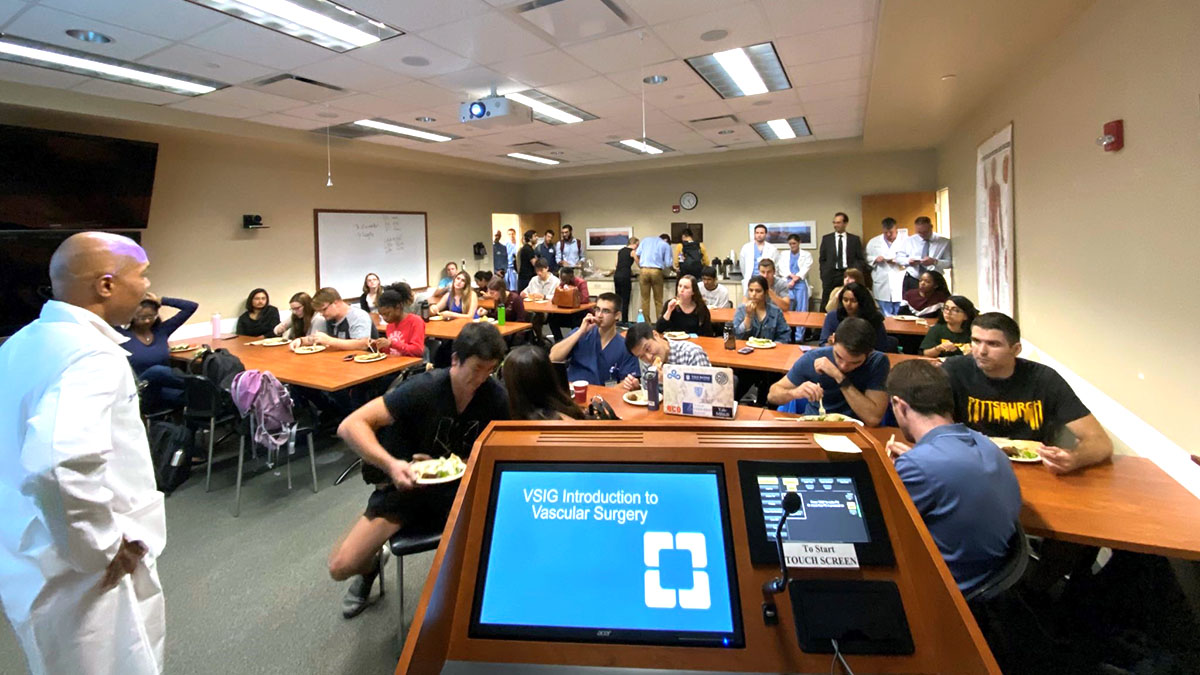
As the Cleveland Clinic Vascular Surgery Interest Group, our goal is to promote awareness and provide information to medical students and general surgery residents about the field of vascular surgery by offering didactic sessions, surgical skills workshops, shadowing opportunities, mentorship programs, journal clubs, research opportunities, and community outreach.
Faculty Supervisor

Jon Quatromoni, MD
Associate Program Director
Quality Improvement Officer
Staff Vascular Surgeon
Chapter Officers:
Helena Baffoe-Bonnie
Questions? baffeoh@ccf.org
Gallery
1 of 3-
Combined VSIG, Suturing and Simulators– Cleveland Clinic & University Hospitals | Spring 2020
-
Introduction to Vascular Surgery | Fall 2019
-
Endovascular Simulator Workshop | Fall 2019

Living in Cleveland
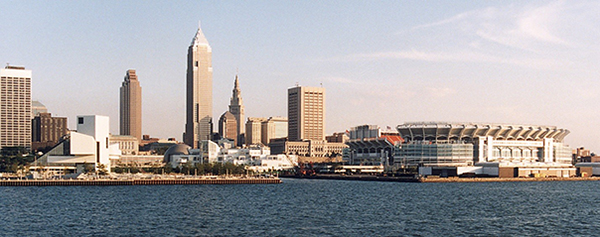
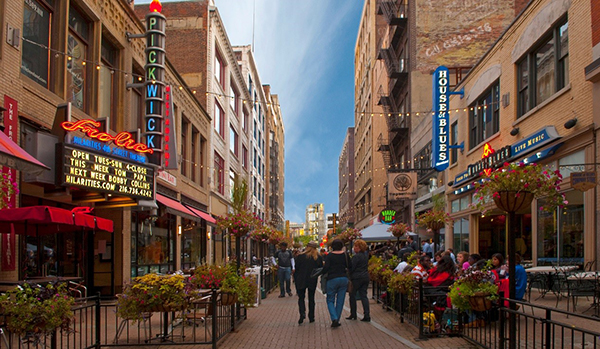
Cleveland is a Midwestern city with an upbeat atmosphere at low cost living. Cleveland is also home to the second largest theater district in the U.S. just below NYC, the Rock and Roll Hall of Fame, the Christmas Story House from the 1983 film as well as beautiful Lake Erie Beaches.
Lakefront and Sports. Our harbor area features the Rock and Roll Hall of Fame and Museum, the Great Lakes Science Center and Cleveland Clinic OMNIMAX Theater, and the Cleveland Browns football stadium. Cleveland also is home to Guardians baseball and Cavaliers basketball.
Culture. Cleveland Clinic is located near University Circle, the center of the city's cultural and educational offerings. Around the Circle are Case Western Reserve University, Severance Hall (home of the world-renowned Cleveland Orchestra), the Cleveland Museum of Art, the Museum of Natural History and the Cleveland Botanical Garden, to name but a few.
Shopping. Just outside of Downtown Cleveland are shopping havens featuring a number of high-end retailers. Beachwood Place, La Place, Eton, Pinecrest and Legacy Village are located on Cleveland's East Side; Crocker Park is located on Cleveland's West Side.
Parks and Recreation. The Cleveland Metroparks Zoo and Cedar Point amusement park offer fun for the entire family. The Metroparks that surround the city are perfect for golfing, hiking, horseback riding, cross-country skiing and ice skating.
Learn more about living, working and playing in Cleveland and opportunities to engage young professionals here!
Fellowship Wellness
Mentorship
In the second year of fellowship, you will choose one faculty member who will become your ‘clinic mentor’. Throughout the next two years you will attend clinic weekly with your mentor for learning, continuity of care with their patient cohort, and mentorship. Many fellows have enduring relationships with their clinic mentor, in addition to mentor-mentee relationships formed through research and other clinical activities.
Wellness and Professional Development
Our fellows are supported by wellness initiatives both within the department, the GME office, and the Cleveland Clinic Employee Wellness office. As a trainee at the Cleveland Clinic, you will have free access to the on campus gym (Walker | employeewellness (ccemployeewellness.com), and the House staff work out room. Hospital wide programming under the office of Caregiver Well-Being offers classes, meditation, and financial counseling, in addition to the Caring for Caregivers program which offers mental health resources and quickly available counseling. The GME office has developed an app (internally available) for quick access to Wellness resources.

Life in Cleveland
Our fellows get together at a variety of social events, both program sponsored and in the greater Cleveland community. Our program features an annual golf outing and family day at the Cleveland Zoo. Our fellows participate in Velosano, a Cleveland Clinic sponsored bicycle race for cancer fundraising and awareness.
