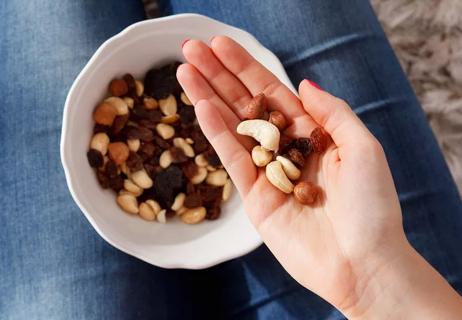
It helps you avoid constipation, stabilize blood sugar, lower cholesterol and stay fuller for longer
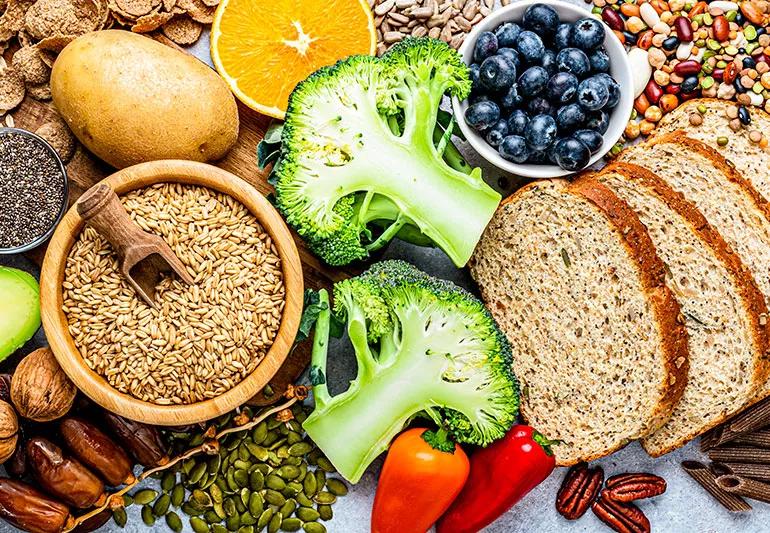
If thinking about fiber calls to mind sad, bland bran flakes and, well, pooping a lot, it’s time to rewrite the narrative. Fiber is a critical element of a healthy diet, and it does all kinds of important things for your body, including but certainly not limited to keeping you regular.
Cleveland Clinic is a non-profit academic medical center. Advertising on our site helps support our mission. We do not endorse non-Cleveland Clinic products or services. Policy
“Fiber is a type of carbohydrate that your body can’t break down,” registered dietitian Beth Czerwony, RD, explains. And while that sounds like it could be a bad thing, fiber is actually something your body really needs.
There are categories of fiber: soluble and insoluble (or non-soluble). They serve similar but slightly different functions in your body.
Soluble fiber can be dissolved in water. “This type of fiber has been shown to help with constipation, stabilizing blood sugars, lowering cholesterol levels and managing weight,” Czerwony says. It’s found in the flesh of some fruits and vegetables. Good sources include oat bran, dry oats, barley, nuts, beans, lentils and peas.
Insoluble fiber can’t be dissolved in water. “It helps move food down the gastrointestinal tract, which also helps relieve or prevent constipation,” Czerwony explains. Insoluble fiber is found in the skin, strings and seeds of fruits and vegetables, including nuts, seeds, corn and kale.
Nutrition experts rave about fiber — and for good reason. “Research shows that in countries where people consume high amounts of fiber in their diets, the overall rates of chronic disease are low,” Czerwony notes.
A diet that’s high in fiber is associated with lower cholesterol and improved blood sugar control. It also lowers your risk of:
A high-fiber diet also keeps you feeling fuller for longer, which is linked to lower body weight, it keeps your digestive system chugging along smoothly.
You probably need more fiber than you’re currently getting. Studies show that only about 5% of American adults get enough fiber in their diets, with most people consuming only about 16 grams (g) per day.
So, how much is enough? The U.S. Department of Agriculture and U.S. Department of Health and Human Services Dietary Guidelines for Americans, 2020-2025, breaks down its dietary fiber recommendations by sex. This includes a combination of both soluble and insoluble fiber.
| Age | Women | Men |
|---|---|---|
| 19-30 | 28 g | 34 g |
| 31-50 | 25 g | 31 g |
| 51 and older | 22 g | 28 g |
| Age | ||
| 19-30 | ||
| Women | ||
| 28 g | ||
| Men | ||
| 34 g | ||
| 31-50 | ||
| Women | ||
| 25 g | ||
| Men | ||
| 31 g | ||
| 51 and older | ||
| Women | ||
| 22 g | ||
| Men | ||
| 28 g |
Unfortunately, these official recommendations don’t account for gender diversity or other bodily differences like weight, height and overall health. If you’re not sure how much fiber you should be getting, ask your healthcare provider for individualized guidance.
It’s always best to try to get your vitamins, minerals and other nutrients through your diet — and fiber is no different.
“It’s important to get fiber sources from a variety of fruits, vegetables, whole grains, beans and legumes in order to have a healthy and balanced diet,” Czerwony says.
Four food groups are high in fiber:
If you’re having a hard time getting enough fiber from the foods you eat, your healthcare provider may recommend a supplement. “Food is your best source of fiber, but supplements can help if you’re not able to get adequate amounts through diet,” Czerwony reiterates.
Just be sure to speak with a healthcare professional before taking any supplement, fiber included.
There are lots of common (and tasty!) foods that are high in fiber, and there are countless ways to incorporate them into your diet. Here are a few tips to consider throughout the day:
“You can also sprinkle bran, ground flaxseed or chia seed into soups, cereals, spaghetti sauce, casseroles or yogurt,” Czerwony suggests. “They add a big hit of fiber without changing much in the way of taste.”
Learn more about our editorial process.

A well-balanced diet with anti-inflammatory foods can help reduce flare-ups and severity of psoriasis symptoms

Stay hydrated, opt for fruits, veggies, whole grains and lean protein — and try to eat snacks and smaller meals throughout your day instead of larger portions
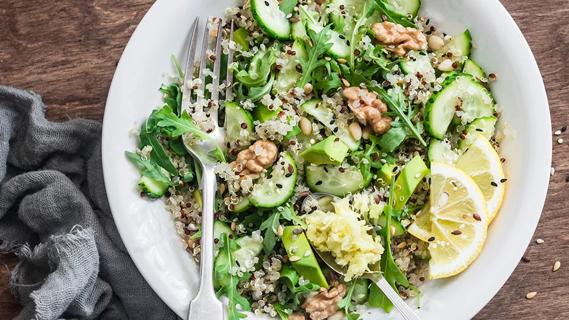
Ground flaxseed is full of heart-healthy omega-3s, antioxidants and fiber, and easy to add to just about any recipe

Actively choose healthy habits not only when it comes to food and nutrition, but also physical activity and your mental health

This strategy doesn’t boost metabolism, but it may help maintain weight loss
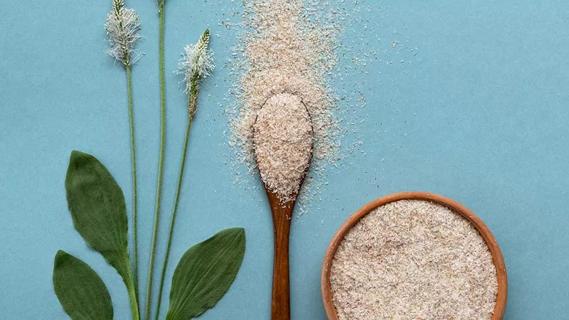
The fiber supplement can help ease constipation, manage diabetes and lower LDL cholesterol

These breaks may have some benefits — but they promote an unhealthy attitude toward food

A low-FODMAP elimination diet can help identify your symptoms

Your metabolism may torch 1,300 to 2,000 calories daily with no activity

A gentle touch in all the right places may help drain your sinuses