The right lifestyle changes can make all the difference
When it comes to cholesterol, we often hear of the “good” and the “bad.” The “good” (HDL) cholesterol in our bodies helps to remove the “bad” (LDL) cholesterol from our bloodstream to help our organs function properly.
Cleveland Clinic is a non-profit academic medical center. Advertising on our site helps support our mission. We do not endorse non-Cleveland Clinic products or services. Policy
High levels of LDL cholesterol can damage your arteries, put you at greater risk for heart disease, heart attack, increase your risk of stroke and arterial blockages — so if your doctor tells you to lower your bad cholesterol, it’s time to make a move.
“Exercise is a great place to start if you’re trying to lower bad cholesterol,” says cardiologist Leslie Cho, MD. “But it doesn’t stop there. Combining exercise with healthier diet and lifestyle choices makes the most impact.”
Find out what the best exercises for lowering cholesterol are and how to get started.
Exercise works to eliminate the dangerous, fatty LDL cholesterol by increasing HDL cholesterol. Losing weight also increases HDL.
According to the American Heart Association, high cholesterol is caused by two lifestyle elements that happen to go hand-in-hand: lack of exercise and being overweight (among other factors).
So, by natural deduction, it’s easy to see why exercise would be the no-brainer solution to improving cholesterol levels.
Aerobic exercise that’s repetitive and works multiple muscle groups, is the best exercise to reduce cholesterol. The American Heart Association recommends exercising for at least 30 minutes five to seven times per week. “You can start slow and ramp up,” says Dr. Cho.
There’s no need to hit the treadmill or elliptical at full speed. In fact, if you’re not used to running, are overweight or have issues with your joints, it could do more harm to your body than good.
Start with an easy walk around the block, then a longer walk, then a slow jog. Not only will you be lowering your cholesterol, but you’ll be lowering your blood pressure, too.
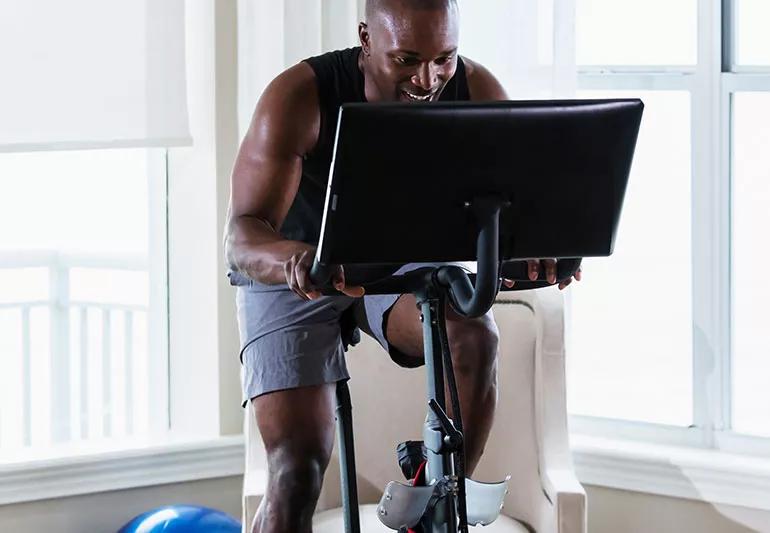
You didn’t have to think about cholesterol levels as a kid, and maybe that’s because you were staying active by riding your bike around town with friends and family. Get back in touch with your inner child and hop back on a bike to lower cholesterol.
Cycling/biking can burn just as many calories as jogging, but it’s easier on your knees. All you have to do is find an appropriately-sized and comfortable bike and ride off into the healthy cholesterol level sunset.
If walking, running and biking are proving to be too much on your body, swimming can solve your cholesterol problems just as effectively.
When you take a few laps in the pool, you’re working your entire body, and you’re doing so in a way that can feel therapeutic. Swimming is great for overall heart health and part of that is lowering your cholesterol.
The best news for someone who isn’t so keen on cardio is that yoga, too, is good. However, to get cardiovascular benefits, you need to increase your heart rate. Yoga is also great for:
“The slowness of yoga can be much less intimidating compared to other exercises, especially if you didn’t regularly workout before,” says Dr. Cho.
“Always check with your doctor before starting an exercise program, especially if your high cholesterol is putting you at more immediate risk for heart disease or stroke,” says Dr. Cho.
If you experience chest pain, shortness of breath, dizziness or lightheadedness during exercise, stop immediately. Dr. Cho adds more general tips for getting started:
“The great thing about exercise is that it doesn’t always have to be the same,” says Dr. Cho. Change it up, keep it exciting and know that in good time, your hard work will pay off in the form of lower cholesterol.
Learn more about our editorial process.

You can counter the risk of prediabetes-related heart attack or stroke by eating more fruits, vegetables and whole grains, as well as exercising regularly
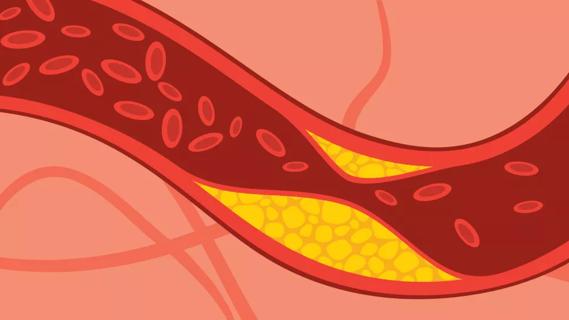
LDL cholesterol and lipoprotein (a) cholesterol are more likely to stick to your arteries and lead to dangerous heart events
Having underweight, having overweight and having obesity can be dangerous for your heart
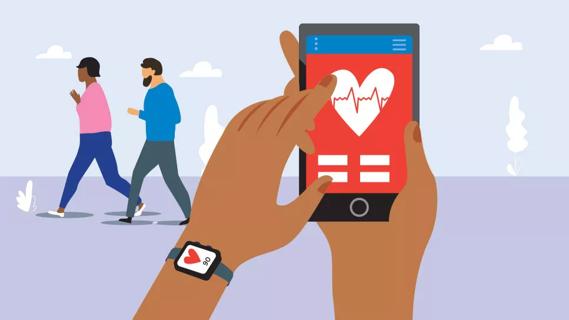
This technology can benefit your workouts by helping you hit your target heart rate, resulting in better overall health and wellness

A resting heart rate below 35–40 beats per minute or over 100 beats per minute may be cause for concern
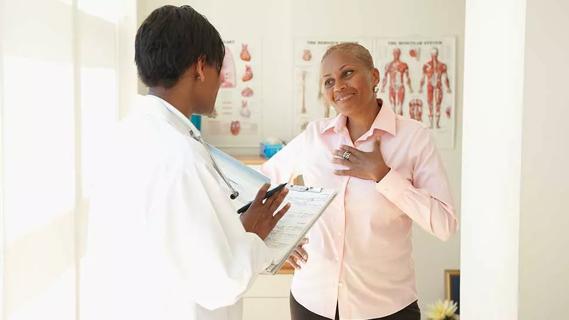
Your natural estrogen levels support a healthy heart by improving your cholesterol, increasing blood flow and reducing free radicals
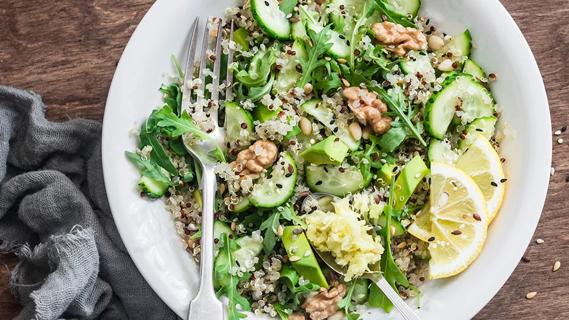
Ground flaxseed is full of heart-healthy omega-3s, antioxidants and fiber, and easy to add to just about any recipe
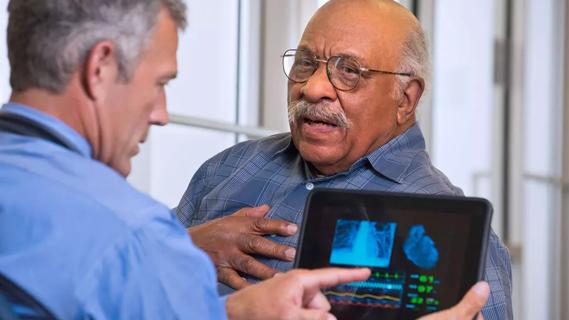
They’re rarely cause for concern, but you should still talk to a healthcare provider about your symptoms

Your metabolism may torch 1,300 to 2,000 calories daily with no activity
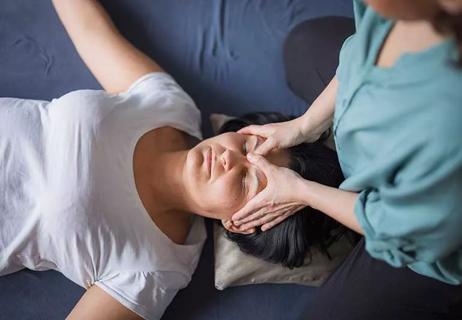
A gentle touch in all the right places may help drain your sinuses