From pulling on ears and hyperactivity at night to irritability and napping during the day
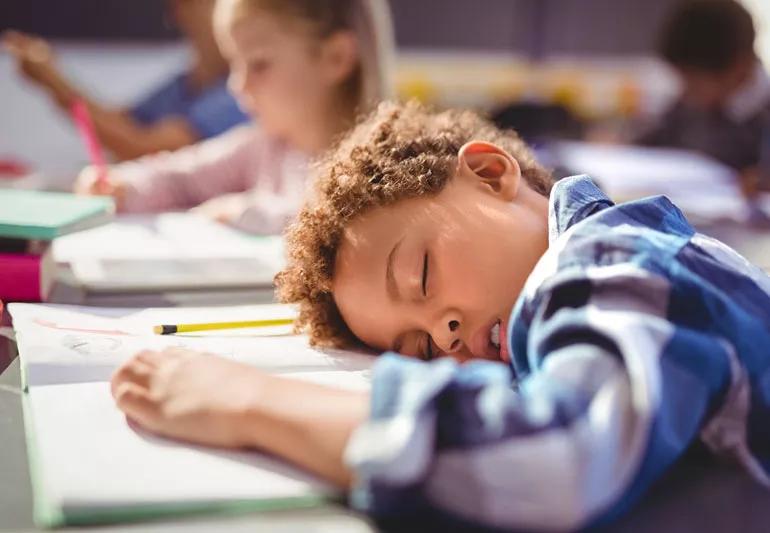
You know that feeling after a great night’s sleep? That bright-eyed-ready-to-take-on-the-day feeling? It’s a good one. It’s the kind of feeling you want for your kids.
Cleveland Clinic is a non-profit academic medical center. Advertising on our site helps support our mission. We do not endorse non-Cleveland Clinic products or services. Policy
If your child isn’t sleeping enough, though, you’re far from alone. A recent study shows that more than a third of kids between 4 months and 17 years old are getting less sleep than is recommended. That means more groggy mornings and the potential to really impact their social skills and cognitive growth.
We talked with pediatric sleep specialist Vaishal Shah, MD, about signs your kid isn’t getting enough sleep and how you can help kids of any age get more ZZZs.
Sleepiness can look different in kids of various ages. Whether they’re too young to tell you they’re tired, or getting too old to want to admit to it, learn to spot the signs of exhaustion in your children.
Research shows that when babies get too little sleep, it can have lasting effects on their growth, speech, memory and overall cognitive development.
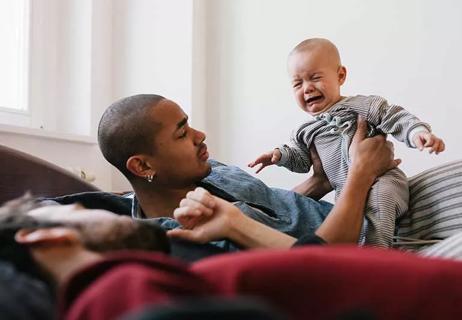
The thing about babies is that the more tired they are, the harder it can be to get them to sleep. They get all amped up and it’s harder to settle down. Learning to recognize the early cues that your little one is getting sleepy will help to avoid a full-blown, overtired meltdown.
Signs your baby is getting sleepy include:
Tired toddlers can be a walking contradiction. They may outwardly seem “wired” or overexcitable when they’re actually on the verge of exhaustion. It’s like your toddler’s little gas tank is running on empty so they lay on the gas pedal to see juuuuust how many more laps they can make it before the wheels fly off.
Dr. Shah says sleepy toddlers may exhibit signs similar to younger children, such as rubbing eyes, yawning and crying. They also may be:
For school-aged kids, a lack of sleep can make learning a challenge.
“If your child is struggling with excessive sleepiness, it can cause impaired memory and inhibited creativity, making it difficult to learn,” notes Dr. Shah. “Their metabolism, immune system and cardiovascular system can be affected. Sleep deprivation can even cause depression and difficulty coping with stress and emotions.”
If your child isn’t getting enough sleep, they may:
Dr. Shah says that getting by on too little sleep during the teenage years can further cause trouble in school — and beyond. In fact, researchers found that teens who slept less than six hours were more than twice as likely to engage in fights or to use alcohol or drugs.
Signs that your teen is exhausted are similar to those for younger kids and also include:
OK, so maybe your child is showing signs that they need some more shut-eye. Maybe it’s that your baby is in the midst of a sleep regression, your toddler just won’t stay in bed or your older kid is struggling to stay awake in class.
Over-the-counter sleep aids might just be a bandage over the problem and not address root cause issues. Before you reach for melatonin or other sleep aids, Dr. Shah offers these five tips:
How much sleep your child needs will vary over the years. Consider the recommendations from the American Academy of Sleep Medicine and any signs of sleepiness your child is showing to better understand their individual sleep needs.
After you determine how much sleep your child needs, Dr. Shah recommends keeping them on a consistent sleep and wake schedule, even on weekends. Set an example by following a sleep schedule for yourself, too.
“Often what I hear from families is that Friday or Saturday night is time to enjoy. I always say that every day is to enjoy, and having a consistent schedule helps you to enjoy every day even more,” Dr. Shah adds. “If your child wants to stay up later on the weekends, it’s OK to push back bed by an hour, but I don’t recommend more than that. When you’re constantly changing up your sleep schedule, it’s hard for your body to adjust to that back and forth.”
From the time we’re born throughout our older age, we humans are creatures of habit and routine. Following a wind-down routine is a cue to your body to start prepping for a good night’s rest. Even little babies can reap big sleep benefits from a calming and regular bedtime routine.
Some highlights of a good bedtime routine include:
Keep your child’s room quiet and comfortable. Dr. Shah recommends keeping the room at a slightly cooler temperature, around 70 to 74 degrees Fahrenheit (21 to 23 degrees Celsius). Hang heavy drapes if there’s too much outside light in the bedroom. If your child is scared of the dark, a nightlight may help.
(Pro tip: Nightlights are also a good idea for a baby’s room, and not just for their sake. A little light can save you from stubbed toes or tripping over toys when you go in for a nighttime check-in.)
This one may cause some friction at first — because who wants to give up their devices? But turning off the tech at least an hour before bed can make a big difference.
Studies have shown that too much screen time is associated with sleep deficiency in both young children and teens. Looking at screens keeps your brain stimulated and active, making it harder to wind down and sleep.
TVs, computers, smartphones and video games can be tempting to kids, too (and some adults), so Dr. Shah recommends keeping them out of the bedroom.
“Even very young children know how to use smartphones now. Our kids are phone-trained before they’re potty-trained,” Dr. Shah says. “And little ones want to do what they see the grownups in their lives do. By making an effort to put down your phone in the evening before sleeping, you can help them learn about the importance of disconnecting, and they’ll sleep better for it. You will, too.”
Tried it all and junior’s still exhausted? It may be time to talk with a doctor, especially if they’re showing these signs:
Your healthcare provider may recommend a sleep evaluation to understand if a sleep disorder is to blame.
Sleep is a cornerstone of healthy living and healthy development. Ensuring your kids learn to sleep soundly is a lifelong habit that will pay off for them throughout the years. Sounds like a dream come true!
Learn more about our editorial process.
Set your child up for potty training success by waiting until they’re ready, keeping the pressure low and going heavy on the praise
In babies under 12 months, honey may cause a serious illness called infant botulism
A daily dose of vitamin D can help babies build strong bones, as well as boost their brain development
Too much screen time and unrealistic expectations and perceptions and can lead to an increased risk of anxiety and depression
They’re nontoxic, but crayons can cause an upset stomach and pose a serious choking hazard
They could be hungry, gassy, colicky or sleepy, or even too hot or too cold
Difficulty staying asleep at night or sleeping too much during the day are common issues
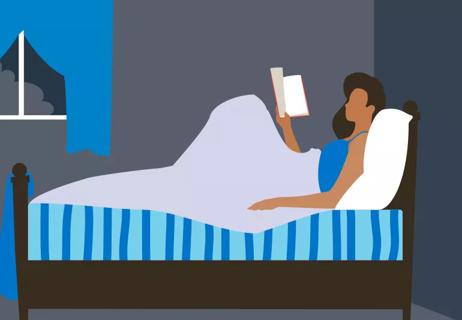
Winding down before bed is key to better sleep

Your metabolism may torch 1,300 to 2,000 calories daily with no activity
A gentle touch in all the right places may help drain your sinuses