- Always ask your doctor or nurse before starting or
changing your exercise program.
- Before continuing your regular exercise program, call
your doctor or nurse if changes have been made in your medications. New
medications can greatly affect your response to activity.
- If you are too tired and are not sure if it is related
to "over-doing it," ask yourself, "What did I do yesterday?" Try to change your
activities by starting out at a lower level today (but do not exercise at all if
you are feeling overly tired). Pace yourself and balance your activities with
rest.
- Avoid heavy lifting, pushing heavy objects, and chores
such as raking, shoveling, mowing, and scrubbing. Chores around the house may
sometimes be tiring, so ask for help.
- Avoid push-ups, sit-ups, and isometric exercises.
Isometric exercises involve straining muscles against other muscles or an
immovable object.
- Avoid even short periods of bed rest after exercise
since it reduces exercise tolerance.
- If you become overly fatigued or short of breath with
exercise, take a rest period in a comfortable chair.
- Avoid exercising outdoors when it is too cold, hot or
humid. High humidity may cause you to become fatigued more quickly and extreme
temperatures can interfere with your circulation, make breathing difficult and
possibly cause chest pain. Instead, try indoor activities such as mall-walking.
- Avoid extremely hot and cold showers or sauna baths
after exercise.
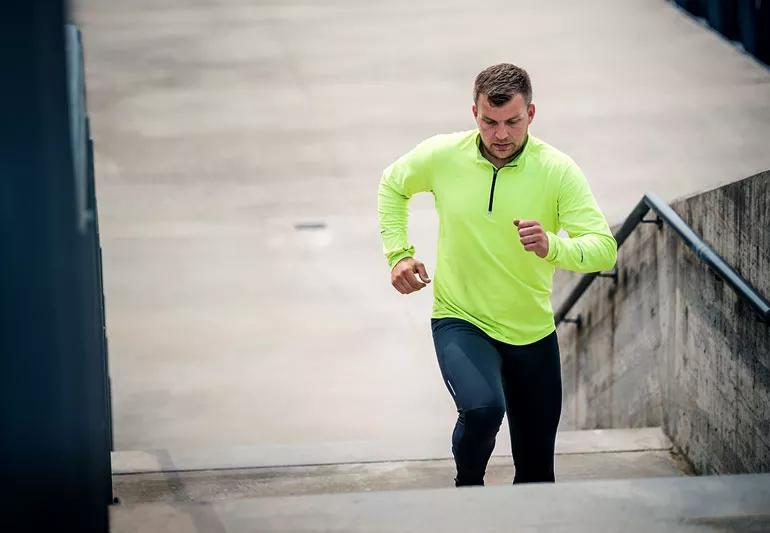
- Do not go up steep hills during your activity,
whenever possible. If you must walk on a hilly area, slow your walking pace when
going uphill to avoid working too hard. Watch your heart rate closely and change
the activity as needed.
- Reduce your activity level if your exercise program
has been interrupted for a few days (for example, due to illness, vacation or
bad weather). Then, gradually increase to your regular activity level as
tolerated.
- Do not exercise if you are not feeling well or if you
have a fever. Wait a few days after all symptoms disappear before starting your
exercise program, unless your doctor or nurse gives you other directions.
- If you are short of breath during any activity or have
increased fatigue, slow down your activity level or rest. Keep your feet raised
or elevated when resting. If you continue to have shortness of breath, call your
doctor or nurse. Changes may be made in your medications, diet, or fluid
restrictions.
- If you develop a rapid or irregular heart beat or have
heart palpitations, rest and try to calm yourself. Check your pulse after you
rest for 15 minutes — if your pulse is still above 120-150 beats per minute,
call your doctor or nurse for further instructions.
- Do not ignore pain. If you have chest pain or pain
anywhere else in your body, do not continue the activity. If you perform an
activity while you are in pain, you may cause stress or damage on your joints.
Ask your doctor or physical therapist for specific guidelines. Learn to "read" your
body and know when you need to stop an activity.
- Stop exercising and rest if you:
- Have chest pain
- Feel weak
- Are dizzy or lightheaded
- Have pressure or pain in your chest, neck, arm, jaw, or shoulder
- Any other symptoms that cause concern
Call your health care provider if these symptoms do not go away.
Sources
www.americanheart.org/downloadable/heart/5360_HFGuidelineFinal.pdf
Can't find the health information you’re looking for?
Reviewed on: 9/1/2010…#8128
This information is provided by Cleveland Clinic and is not intended to replace
the medical advice of your doctor or health care provider.
Please consult your health care provider for advice about a specific medical condition.
© Copyright 2013 Cleveland Clinic. All rights reserved.