Going beyond medications, physical therapy and injections
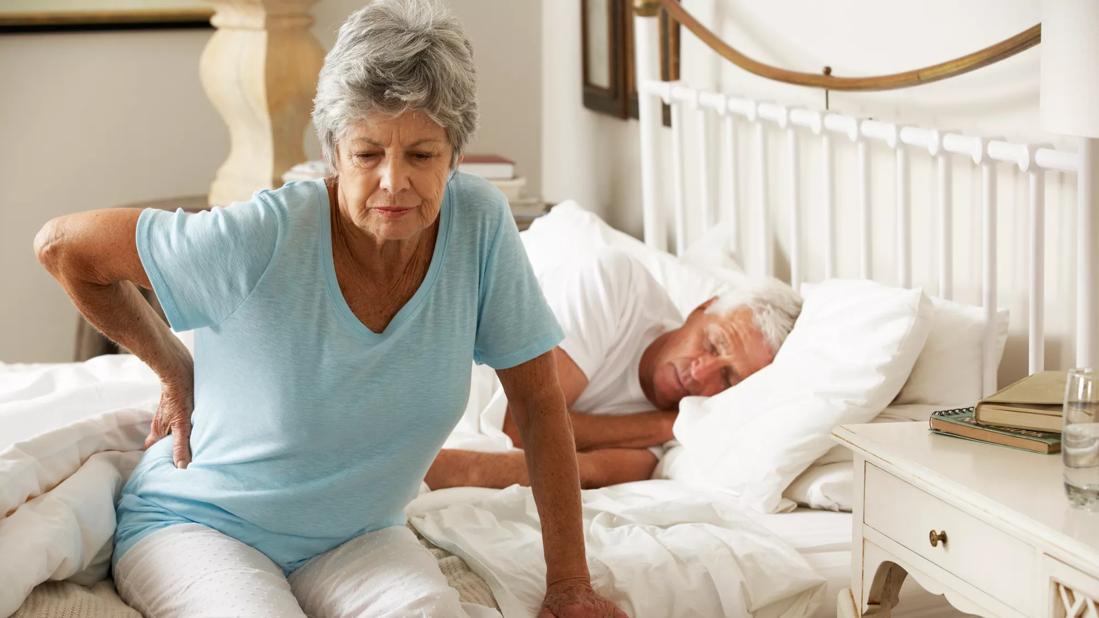
Do you wake with a horrific backache each morning? Or wince with pain when you stand up after a long day at your desk?
Cleveland Clinic is a non-profit academic medical center. Advertising on our site helps support our mission. We do not endorse non-Cleveland Clinic products or services. Policy
Back pain is more likely with age, a sedentary lifestyle, poor nutrition, obesity and stress. “Adjusting your lifestyle is one of the best ways to manage chronic back pain,” says wellness pain management specialist William Welches, DO, PhD.
Standard chronic low back pain treatments include medications, physical therapy and steroid injections. “Injections may not be as effective or long-lasting for chronic pain and do carry some risk,” notes Dr. Welches.
Long-term use of NSAIDs (non-steroidal anti-inflammatory drugs) can damage your kidneys and liver and cause GI bleeding or leaky gut. Acetaminophen can damage the liver and slow liver detoxification. Opioids may lead to anxiety, endocrine problems, dependency and addiction. Muscle relaxers are often sedating. So what options are left?
Dr. Welches recommends making several lifestyle changes to help ease your back pain.
“Inflammation is the root cause of many types of chronic pain,” explains Dr. Welches. “Eating lots of sugars, refined carbs like flour and processed foods increases inflammation and pain.”
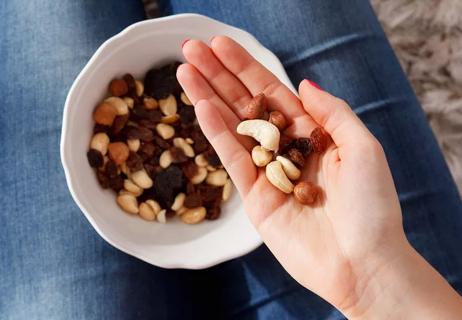
Step away from the standard American diet that’s high in calories and low in micronutrients. Embrace a diet rich in vitamins, minerals and phytonutrients instead. Here are some recommendations:
Pain triggers the release of stress hormones that make muscles tighten up. “Muscle tension reduces blood flow to tissues, bringing them less oxygen and fewer nutrients. When this happens, you feel pain,” explains Dr. Welches.
You can’t avoid stress, but you can learn to manage it. Cognitive behavioral therapy and meditation are excellent tools, he says. Skilled therapists can change the way you perceive stress. Meditation can reduce anxiety, provide a calm sense of focus and reduce pain.
“Sleep is very, very important — it helps your body heal,” says Dr. Welches. “Lack of sleep releases more stress hormones, lowers pain tolerance and worsens existing pain.”
Sleep loss can complicate other health issues, making it harder to control glucose levels when you have diabetes, for example.
So practice good sleep hygiene. Avoid blue light from smart phones or TV for one hour before bedtime. “Go to bed at about the same time every evening and get up at about the same time every morning to keep your internal clock regular,” says Dr. Welches.
Meditation is also a great tool for a better night’s sleep. Many meditation apps are available. He suggests starting with five to 10 minutes of meditation before bedtime. If you wish, you can gradually increase to 20 or 30 minutes a night.
Supplements such as melatonin can also help you sleep at night.
“Physical activity is essential to good health, but also a way to reduce pain,” says Dr. Welches. Exercise— even when you’re in pain — is critical to recovery. Start out with an activity you like, and see yourself gradually progress from a less active to a more active lifestyle.
If you can’t move very easily, try chair yoga, walking, biking or swimming. “Even a small increase in daily activity can bring major improvements in overall health,” he says.
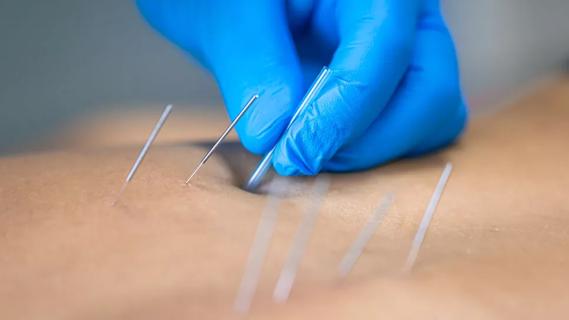
Acupuncture can help you resume the activity that back pain has limited. Used for thousands of years in China for everything from pain relief to stroke rehabilitation, acupuncture is now used in the United States and other Western counties for a variety of chronic pain.
The outpatient procedure is suitable for most people. “Tell your acupuncturist if you are on blood thinners, or have a spinal cord stimulator or pacemaker,” says Dr. Welches. “The acupuncturist will adjust your treatment plan.”
Learn more about our editorial process.
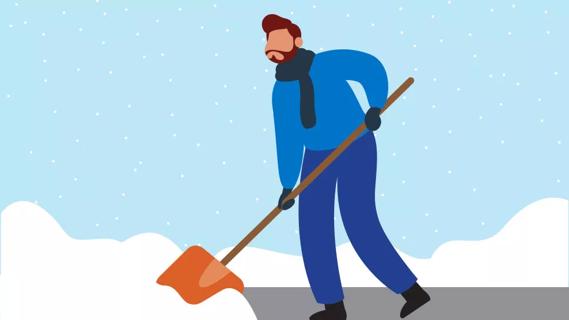
Stretch before heading outside, keep proper form and avoid jerking or twisting to throw snow
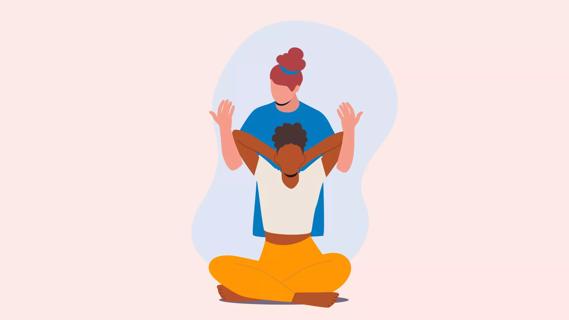
From physical and biofeedback therapy to nerve ablations and blocks, there are many nonsurgical options for managing back pain
Both can help reduce pain, but they’re very different in terms of origins, philosophies and practices

Get moving, use cold packs, and try yoga and stretches to ease back pain
Arthritis, migraines and endometriosis are common causes of chronic pain

Back pain often has multiple causes, only some of which an epidural steroid injection can relieve
When your lower back locks up, walking and stretching are key

Back spasms, shingles and disk conditions can all feel like a burning sensation

Your metabolism may torch 1,300 to 2,000 calories daily with no activity
A gentle touch in all the right places may help drain your sinuses