

Tobacco smoke is a powerful trigger of asthma symptoms, irritating the lining of the airways. Second-hand smoke can be even more harmful to a person with asthma. This is true for adults, but especially so for children.
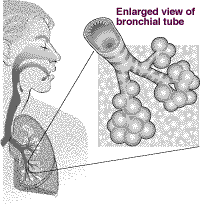
Smoke from cigars, cigarettes and pipes harms your body in many ways, but it is especially harmful to the respiratory system. The airways in a person with asthma are very sensitive and can react to many things, or "triggers." Coming into contact with these triggers often produces asthma symptoms. Tobacco smoke is a powerful asthma trigger.
Cleveland Clinic is a non-profit academic medical center. Advertising on our site helps support our mission. We do not endorse non-Cleveland Clinic products or services. Policy
When a person inhales tobacco smoke, irritating substances settle in the moist lining of the airways and can set off asthma episodes. Often, the lungs of people with asthma who smoke are in a constant state of poor asthma control. These people often have ongoing asthma symptoms. Here’s how tobacco smoke harms your and other people’s lungs:
Second-hand smoke is the combination of smoke from a burning cigarette and smoke exhaled by a smoker. Inhaling second-hand smoke (also called passive smoke or environmental tobacco smoke) from another person's smoking may be even more harmful than smoking yourself. The smoke that burns off the end of a cigar or cigarette contains more harmful substances (tar, carbon monoxide, nicotine and others) than the smoke inhaled by the smoker.
Adults and children who live with a smoker are more likely to develop respiratory illnesses. Children are especially at risk because their lungs are smaller and still developing. Exposure to second-hand smoke can lead to decreased lung function and symptoms of airway inflammation such as cough, wheeze and increased mucus production, especially in children.
Children with asthma are especially sensitive to second-hand smoke. They are more likely to develop asthma symptoms when exposed to second-hand smoke. They are also more likely to develop lung and sinus infections. These infections can make asthma symptoms worse and more difficult to control.
Ways to reduce exposure to smoke
If you smoke, quit for yourself and your children. If your spouse or other family members smoke, help them understand the dangers of smoking and encourage them to quit. Quitting is not always easy. There are many programs and methods to help you quit smoking. Ask your doctor to help you find the method that is best for you.
Smoking harms both the pregnant person and the developing fetus. Along with harming the pregnant person’s lungs directly, nicotine, the addictive substance in tobacco products, and other substances are carried through the bloodstream and go directly to the fetus.
Children of people who smoked during pregnancy are more likely to have respiratory problems and are 10 times more likely to develop asthma. Smoking during pregnancy has also been linked with low-weight newborns, premature births and sudden infant death syndrome.
Last reviewed by a Cleveland Clinic medical professional on 04/30/2021.
Learn more about our editorial process.
Cleveland Clinic is a non-profit academic medical center. Advertising on our site helps support our mission. We do not endorse non-Cleveland Clinic products or services. Policy