Your loved one may need help with daily activities, managing nutritional challenges and adapting their living space
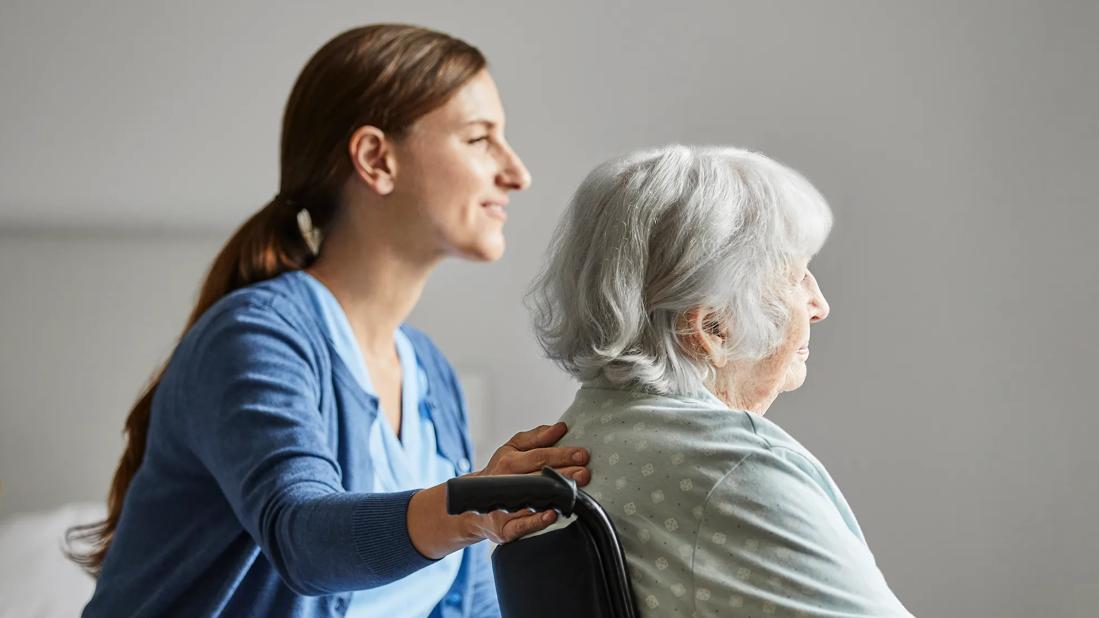
It can be challenging to fully understand your loved one’s Alzheimer’s disease diagnosis. How will their life change? And as their caregiver, how will your life change?
Cleveland Clinic is a non-profit academic medical center. Advertising on our site helps support our mission. We do not endorse non-Cleveland Clinic products or services. Policy
You and your loved one may struggle to process the news of their diagnosis at first and what it all means.
As their caregiver, you’ll need to consider how they may need help with their daily activities, how you can make their living area safe, what eating and nutritional challenges they may face and how their mood and behavior may change over time.
And let’s not forget that as a caregiver, it’s also important that you take care of yourself.
To help you sort through all the changes, challenges and information, clinical health psychologist and caregiver expert Lucille Carriere, PhD, shares Alzheimer’s caregiver tips.
Alzheimer’s disease is a brain condition — and the most common cause of dementia. The symptoms of Alzheimer’s disease get worse over time. Your loved one may experience a decline or change in:
Alzheimer’s disease affects approximately 24 million people across the world. It typically affects people older than 65. In fact, nearly a third of people older than 85 have Alzheimer’s disease.
There are different stages of Alzheimer’s disease. Some organizations explain the stages as mild, moderate and severe, while other organizations refer to the different stages as early, middle and late.
However your loved one’s healthcare provider defines Alzheimer’s disease, it’s important to know that it’s a unique journey for each person. The rate of progression varies for each person, as well as the symptoms they may experience during each stage of Alzheimer’s disease.
“Ultimately, the progression of the disease will cause your loved one to slowly lose the ability to care for themselves and require the help of others, such as family and/or professional caregivers,” says Dr. Carriere.
Being a caregiver for someone with Alzheimer’s disease can be overwhelming. To help you navigate it all, Dr. Carriere offers her tips and advice on how you can support your loved one.
People with Alzheimer’s disease will eventually need help with activities of daily living. Depending on their level of independence, your loved one may need help with personal care activities, including eating, bathing, shaving and using the toilet.
To assist with these activities, caregivers need support, knowledge, skills, and patience. Dr. Carriere suggests the following tips:
“Due to the progressive nature of Alzheimer’s disease, you’ll want to continually assess if your approach is working with your loved one, and if not, try to adapt to meet your loved one’s ability level,” advises Dr. Carriere.
Alzheimer’s disease can affect your loved one’s memory, cause confusion, impair sound decision-making, cause balance problems and lead to some behavior and personality changes. This means that your loved one’s living space can be a potentially dangerous place.
It’s important that you reassess your loved one often and take any additional precautions as you see changes in your loved one’s abilities and behavior. Dr. Carriere says the following can help create a safer living area:
“Assessing your home for added safety features and modifications can help prevent your loved one from experiencing unnecessary injuries, accidents and wandering behaviors, and may help reduce your worry,” says Dr. Carriere. “Remember to reassess the need for extra safety features as your loved one enters a new stage of Alzheimer’s disease and requires increased supervision.”
Your loved one may not need a special diet unless other medical conditions like diabetes, high blood pressure or high cholesterol, need to be managed. But the normal aging process itself can change your loved one’s eating habits.
For example, their sense of taste and smell may change as they age, which can affect what they choose to eat and impact overall health. There can also be problems with teeth or gums or dentures that make eating more uncomfortable. Diseases affecting vision are also common in older adults. This can make preparing, recognizing and enjoying foods more difficult.
In addition to these typical age-related changes, the changes in your loved one’s ability to function as Alzheimer’s disease progresses make maintaining health even more difficult. Dr. Carriere offers the following tips:
“A healthy diet can help promote or maintain a healthy weight, physical strength and energy level, all of which are important when living with Alzheimer’s disease,” says Dr. Carriere.
The changes in the brain that are associated with Alzheimer’s disease can sometimes lead to unusual thinking, unpredictable behavior and uncharacteristic personality features (such as cold or insensitive behaviors toward family members and social withdrawal). For example, your loved one may become anxious around family members, neighbors or friends whom they may not recognize or in situations that vary from their normal routine.
They may also become suspicious and suffer from delusions (false ideas that a person firmly believes and strongly maintains despite contradictory evidence). They may also begin to withdraw from social interaction, wander, and become aggressive and/or angry and irritable. Here’s how you can navigate their unpredictable behavior:
Mood, behavior and personality changes may be due to brain changes from Alzheimer’s disease, medications, other medical conditions and/or environmental triggers. Regardless of the source, these symptoms are often rated as the most stressful for caregivers to manage. The unpredictability of the symptoms may complicate or disrupt necessary care tasks provided by caregivers, such as feeding, bathing or toileting.
“Untreated mood and behavioral symptoms may also prematurely worsen cognitive abilities (such as memory and language) and reduce quality of life for both you and your loved one,” explains Dr. Carriere.
Most people who provide care and support to a person with Alzheimer’s disease don’t think of themselves as caregivers. Rather, they consider themselves to be a devoted spouse, child, family member or friend helping a loved one in a time of need.
If you pause for a moment and think about all you do, you may be surprised by the depth and extent of your involvement. As a caregiver — and similar to the well-known pre-flight instruction — “you must put on your oxygen mask first before assisting others.” You must take care of yourself first in order to be an effective caregiver. So, what should you do? Dr. Carriere offers some self-care tips for managing some of the most common challenges caregivers face:
“Caregivers play an instrumental role in promoting the health and wellness of their loved ones with Alzheimer’s disease,” recognizes Dr. Carriere.
“Beyond providing loving care and assistance to their loved ones, caregivers serve as vital members of the healthcare team. We must recognize their role and ensure they are supported and equipped with skills throughout the caregiving journey.”
Learn more about our editorial process.
It’s critical to understand the wishes of your loved one and seek their involvement whenever possible

Finding the causes of weight loss is key to treatment

Prevention and preparation can help you keep your loved one safe

Two-thirds of Americans with Alzheimer’s are women

This connection is yet another reason to seek help for OSA

The yellow-colored spice does more than add flavor to your meals

Research on better diagnosis and treatment continues

The difference between normal aging and issues that affect your independence

Your metabolism may torch 1,300 to 2,000 calories daily with no activity

A gentle touch in all the right places may help drain your sinuses